Radial oil seals are critical components in a vast range of machinery, preventing leakage of fluids—like oils and greases—and ingress of contaminants. Their reliability is paramount across numerous industries, from automotive and aerospace to manufacturing and construction. Understanding the principles behind radial oil seal design, materials, and application is essential for ensuring optimal performance and longevity of rotating equipment. This knowledge translates directly into reduced downtime, lower maintenance costs, and increased operational efficiency for businesses worldwide.
The global market for oil seals, including radial oil seals, is substantial and continues to grow, driven by increasing industrialization and demand for reliable sealing solutions. According to market research reports, the industry is projected to reach significant value in the coming years, reflecting the critical role these seals play in modern equipment. Challenges such as harsh operating conditions, increasing demands for higher speeds and pressures, and the need for environmentally friendly materials are driving innovation in the field of radial oil seal technology.
Ultimately, the effective use of radial oil seals isn’t simply about containing fluids; it’s about protecting valuable assets, minimizing environmental impact, and contributing to safer and more sustainable industrial practices. As technology evolves, so too must our understanding and implementation of these vital components.
Introduction to Radial Oil Seals
Radial oil seals are ubiquitous in modern machinery, serving as a critical barrier against fluid leakage and contaminant intrusion. They are commonly found in applications involving rotating shafts, ensuring the efficient and reliable operation of engines, gearboxes, pumps, and other essential equipment. The proper selection and installation of a radial oil seal is therefore of paramount importance.
The effectiveness of a radial oil seal directly impacts the overall performance and lifespan of the equipment it protects. A failing seal can lead to fluid loss, which can cause decreased efficiency, increased wear, and ultimately, catastrophic failure. Therefore, understanding the principles behind their operation and choosing the right seal for the application is crucial for minimizing downtime and maximizing operational savings.
Defining Radial Oil Seals
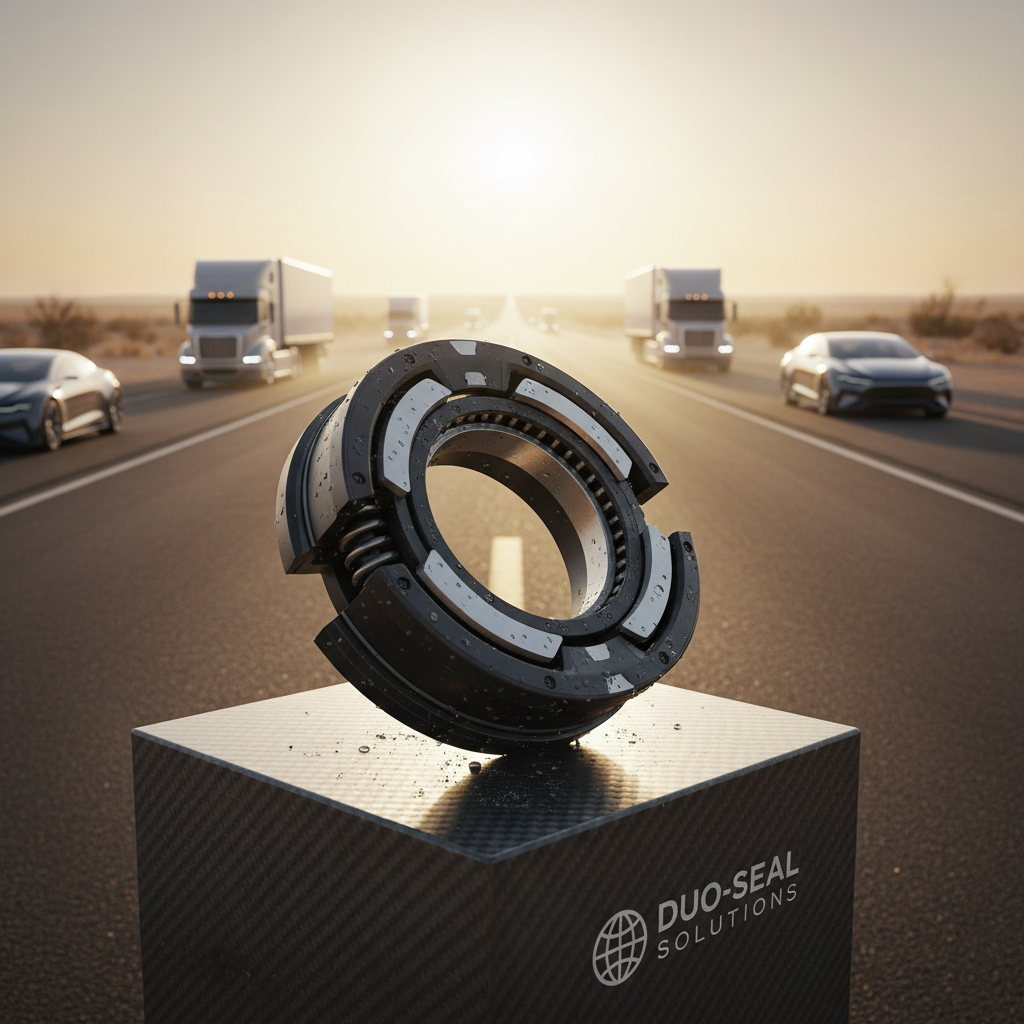
A radial oil seal, also known as a lip seal, is a mechanical component designed to prevent the leakage of fluids from rotating or reciprocating machinery. It typically consists of a circular elastomer lip that is pressed against the rotating shaft, creating a tight seal. This lip is housed within a metallic case, providing structural support and facilitating installation. The seal’s design allows for a controlled amount of fluid film between the lip and the shaft, providing lubrication and minimizing wear.
Unlike other types of seals, radial oil seals are specifically designed to handle the dynamic forces generated by rotating shafts. They are employed in situations where a static seal would be ineffective due to the movement and potential for friction. The seal's ability to maintain a consistent sealing force under varying conditions makes it ideal for a diverse range of applications.
The significance of radial oil seals extends beyond merely preventing leaks. They play a vital role in protecting sensitive components from contamination, preserving fluid quality, and maintaining overall system efficiency. In essence, they are a fundamental building block of reliable machinery, underpinning numerous industrial processes and everyday technologies.
Core Components of Radial Oil Seals
Radial oil seals aren’t just a single piece of rubber; they’re carefully engineered assemblies. The primary components are the elastomer lip, the metallic case, and often, an internal reinforcement ring. The elastomer lip is the sealing element, commonly made of nitrile rubber (NBR), Viton (FKM), or silicone rubber, each offering different properties regarding temperature resistance, chemical compatibility, and wear resistance.
The metallic case, typically made of steel, provides the structural integrity for the seal. It also includes features for precise installation, such as a machined bore for accurate shaft alignment. The reinforcement ring, often made of steel or carbon graphite, is embedded within the elastomer lip to prevent distortion and maintain sealing performance under high speeds and pressures.
Additional components might include dust lips or garter springs, depending on the specific application requirements. Dust lips offer an initial barrier against contaminants, extending the life of the primary sealing lip. Garter springs provide consistent radial force, improving sealing performance and compensating for wear. The careful interplay of these components ensures reliable sealing in demanding conditions.
Performance Factors of Radial Oil Seals
Several key factors influence the performance of radial oil seals. Shaft speed is critical; higher speeds generate more heat and require seals with robust materials and designs. Pressure differences across the seal also play a role, demanding seals capable of maintaining a tight barrier against increased force.
Temperature extremes are another significant consideration. Seals must be able to withstand both high and low temperatures without losing their elasticity or structural integrity. Furthermore, the type of fluid being sealed – oil, grease, water, or other chemicals – dictates the required material compatibility to prevent swelling, degradation, or other forms of damage.
Radial Oil Seal Performance Metrics
Applications Across Industries
Radial oil seals are indispensable across a wide array of industries. In the automotive sector, they seal engines, transmissions, and differentials, ensuring efficient power transfer and preventing oil leaks. The aerospace industry relies on radial oil seals in aircraft engines, landing gear, and control systems, where reliability is paramount.
Manufacturing plants use them extensively in pumps, gearboxes, and other rotating equipment. Furthermore, they find application in hydraulic systems, compressors, and a diverse range of industrial machinery. In remote industrial zones or harsh environments, selecting durable and chemically resistant seals is often critical for minimizing maintenance downtime.
Advantages and Long-Term Value
The advantages of utilizing high-quality radial oil seals are numerous. Reduced maintenance costs are a primary benefit, as reliable seals minimize the need for frequent replacements. Improved equipment lifespan results from preventing damage caused by fluid leaks and contaminant intrusion. Enhanced operational efficiency stems from maintaining optimal fluid levels and minimizing friction.
Beyond these tangible benefits, radial oil seals contribute to increased safety by preventing spills and reducing the risk of equipment failure. Environmentally, they help to minimize fluid contamination and protect ecosystems. Investing in superior sealing solutions fosters trust and reliability, demonstrating a commitment to quality and responsible operation.
Future Trends in Radial Oil Seal Technology
The future of radial oil seal technology is focused on several key areas. The development of new materials with enhanced temperature resistance, chemical compatibility, and wear resistance is ongoing. Innovations in seal designs, such as multi-lip seals and optimized lip profiles, aim to improve sealing performance and reduce friction.
Digital transformation is also playing a role, with the integration of sensors and monitoring systems to track seal performance and predict potential failures. Sustainability is a growing concern, driving demand for environmentally friendly materials and manufacturing processes. Furthermore, advancements in automation and robotics are streamlining seal production and improving quality control.
The intersection of these trends promises to deliver radial oil seals that are more reliable, efficient, and sustainable, further extending the lifespan and improving the performance of machinery across all industries.
FAQS
The lifespan of a radial oil seal varies significantly based on operating conditions, fluid compatibility, shaft speed, and load. Generally, a well-maintained seal in optimal conditions can last several years. However, harsh environments, abrasive fluids, or improper installation can drastically reduce its lifespan, potentially requiring replacement within months. Regular inspection and preventative maintenance are key to maximizing seal longevity.
Selecting the correct material is crucial. Nitrile rubber (NBR) is common for oil-based fluids at moderate temperatures. Viton (FKM) provides superior resistance to high temperatures and aggressive chemicals. Silicone rubber excels in extreme temperature ranges. Consider the fluid type, temperature range, and pressure when making your selection. Consulting a sealing specialist can help ensure compatibility and optimal performance.
Common causes include improper installation (misalignment, damage during installation), shaft wear, abrasive contamination, fluid incompatibility, and exceeding the seal’s operating limits (temperature, pressure, speed). Regular inspection for shaft damage and ensuring cleanliness during installation can significantly reduce the risk of premature failure.
Generally, radial oil seals are not designed for reuse. Once a seal has been compressed against a shaft, its sealing lip can become deformed, compromising its ability to create a tight seal. Attempting to reuse a seal significantly increases the risk of leakage and potential equipment damage. It’s always best practice to install a new seal during maintenance.
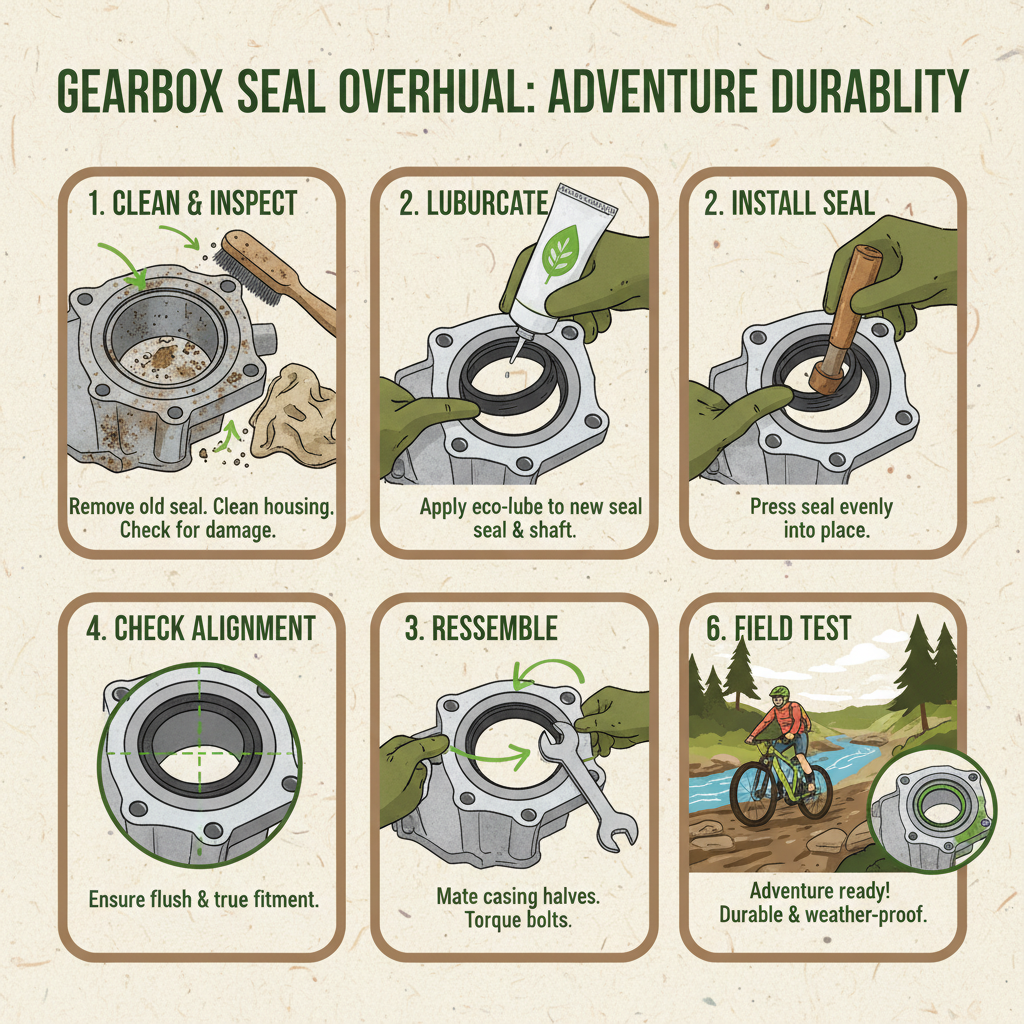
Proper installation is critical. Ensure the shaft surface is smooth and free of burrs or damage. Use a specialized seal installation tool to avoid damaging the seal lip. Apply a thin layer of lubricant compatible with the fluid being sealed to aid installation and provide initial lubrication. Verify proper alignment and seating of the seal within its housing.
Multi-lip radial oil seals offer enhanced sealing performance, particularly in demanding applications with high pressures or abrasive environments. The additional lips provide redundant sealing barriers, reducing the risk of leakage. They also offer improved resistance to contamination and increased seal lifespan. However, they typically generate more friction and may require higher shaft speeds for optimal lubrication.
Conclusion
Radial oil seals are fundamental components in countless mechanical systems, playing a crucial role in preventing leaks, protecting equipment, and ensuring operational efficiency. Understanding their construction, performance factors, and application across diverse industries is essential for engineers, technicians, and maintenance personnel. Continuous advancements in materials and designs are leading to more reliable, durable, and sustainable sealing solutions.
Looking ahead, embracing innovative technologies like sensor integration and predictive maintenance will further optimize seal performance and minimize downtime. Investing in quality radial oil seals and adhering to proper installation practices are vital for maximizing equipment lifespan and reducing overall operating costs. Visit our website to learn more about our range of high-performance sealing solutions.