Gearbox seals are critical components in a vast array of machinery, playing a vital role in preventing lubricant leakage and contaminant ingress. From automobiles and industrial equipment to aerospace applications, their performance directly impacts operational efficiency and longevity. Understanding the nuances of gearbox seals – their materials, designs, and failure modes – is essential for engineers, maintenance professionals, and anyone involved in the lifecycle of rotating equipment.
The global demand for reliable gearbox seals is driven by the continued growth of manufacturing, energy production, and transportation sectors. According to a report by the International Organization for Standardization (ISO), adherence to stringent sealing standards is paramount in ensuring the safe and efficient operation of industrial machinery. However, the challenge lies in adapting seal technology to meet increasingly demanding operating conditions – higher temperatures, pressures, and speeds.
Addressing these challenges directly translates to reduced downtime, lower maintenance costs, and enhanced safety. Improved gearbox seals contribute to sustainability goals by minimizing lubricant waste and preventing environmental contamination. The ongoing development and implementation of advanced sealing solutions are therefore pivotal to the ongoing success of numerous industries worldwide.
Introduction to gearbox seals
Gearbox seals, at their core, are designed to maintain the integrity of lubricating systems within gearboxes. This involves preventing the escape of oil or grease while simultaneously blocking the entry of contaminants like dust, dirt, and moisture. Proper seal function is paramount for efficient gearbox operation and preventing premature wear and failure.
The selection of appropriate gearbox seals hinges on several factors, including the gearbox's operating speed, temperature range, pressure levels, and the type of lubricant used. Utilizing incorrect seals can quickly lead to significant performance issues and costly repairs.
Defining Gearbox Seals and Their Importance
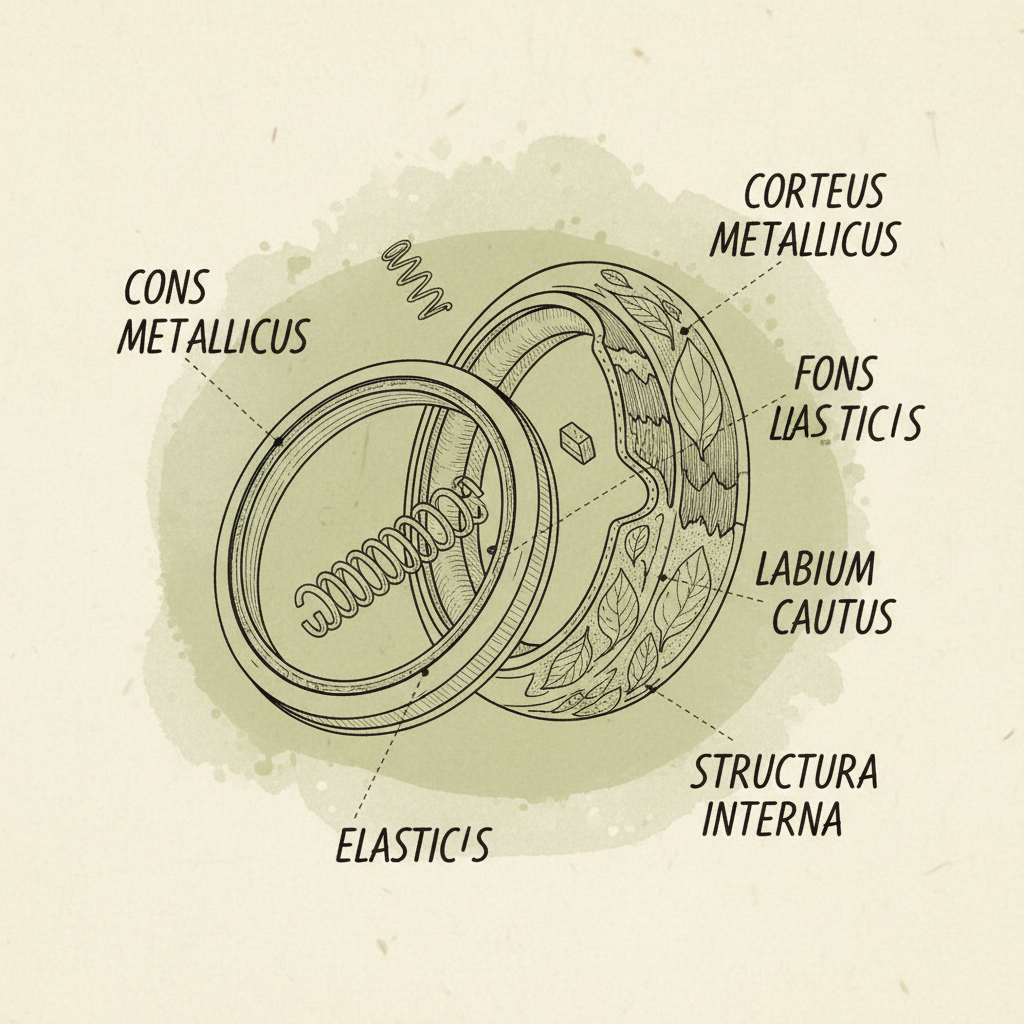
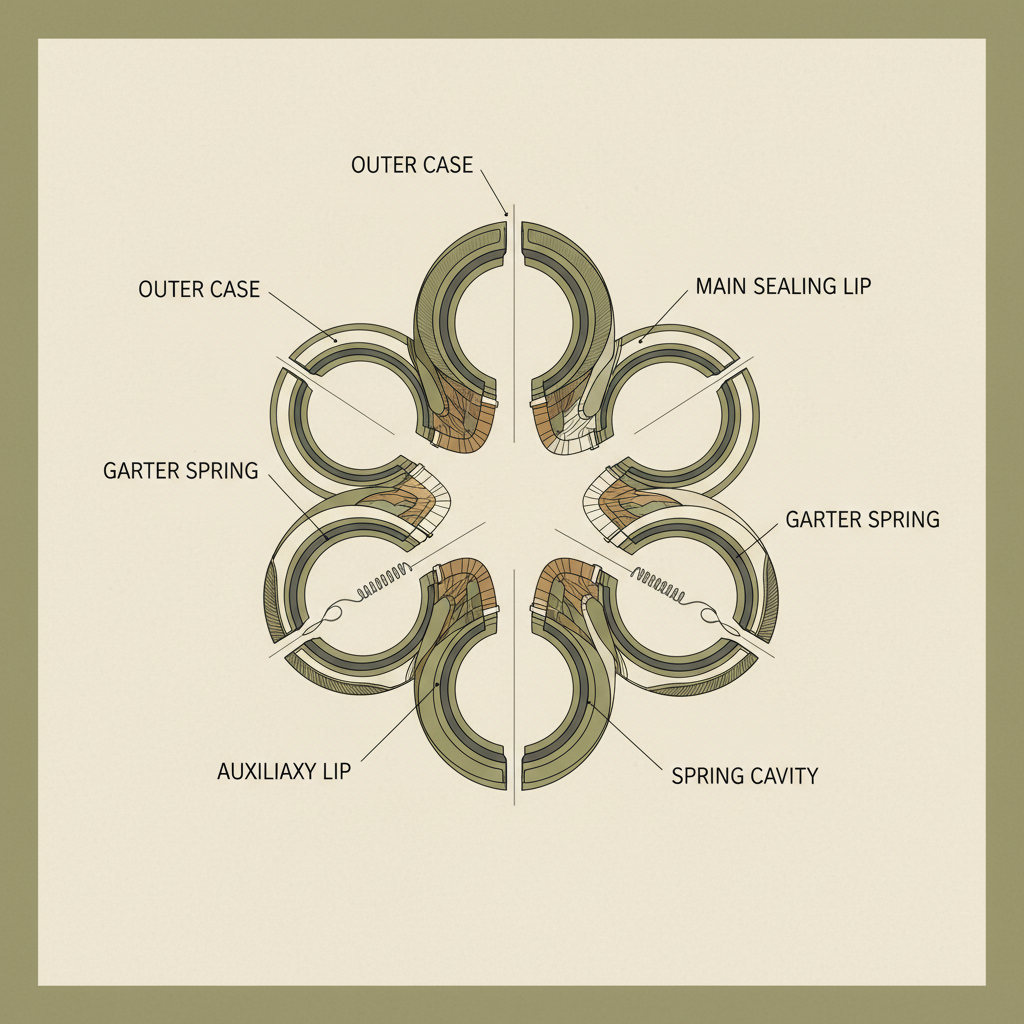
A gearbox seal is a mechanical component specifically engineered to create a barrier between stationary and rotating parts within a gearbox. This barrier prevents the leakage of lubricants essential for reducing friction and wear, and it also stops external contaminants from damaging the gears and bearings inside. The seal's effectiveness is critical for ensuring the gearbox operates reliably and efficiently.
In modern industry, gearbox seals are integral to the functioning of numerous applications, from automotive transmissions and wind turbines to heavy machinery used in manufacturing and construction. Their reliability directly impacts productivity, minimizes downtime, and reduces the overall cost of ownership.
The humanitarian connection, while indirect, exists in the reliable operation of infrastructure that relies on gearbox-driven equipment. Consistent power generation, efficient transportation systems, and reliable manufacturing processes, all enabled by properly functioning gearbox seals, contribute to societal well-being.
Key Characteristics of Effective Gearbox Seals
Several key characteristics define an effective gearbox seal. Durability is paramount; seals must withstand continuous operation under demanding conditions without degradation. This often involves using high-quality materials like nitrile rubber, Viton, or PTFE.
Compatibility with the lubricant is equally crucial. The seal material must resist swelling, shrinking, or chemical reactions with the lubricant, which could compromise its sealing performance. Temperature Resistance is also key, as gearbox operating temperatures can vary significantly.
Furthermore, a seal’s ability to maintain its dimensional stability is essential to maintain a consistent seal over its lifespan. Finally, the installation process significantly impacts the seal’s effectiveness. Improper installation can lead to premature failure, even with a high-quality seal.
Practical Applications Across Industries
Gearbox seals find widespread application in the automotive industry, ensuring the efficient transfer of power in transmissions and differentials. In the wind energy sector, they are critical for maintaining the reliability of gearbox systems within wind turbines, crucial for sustainable energy production.
The manufacturing sector relies heavily on gearbox seals in a variety of machines, including conveyors, mixers, and pumps. In the aerospace industry, specialized gearbox seals are used in helicopter transmissions and aircraft control systems, where safety and reliability are paramount.
Even in remote industrial zones, where maintenance access can be limited, the dependability of gearbox seals is critical. In post-disaster relief operations, ensuring the functioning of generators and heavy equipment – reliant on gearbox seals – is essential for providing power and support to affected communities.
Gearbox Seal Performance Comparison
Advantages and Long-Term Value Proposition
The benefits of utilizing high-quality gearbox seals extend far beyond simply preventing leaks. Reduced lubricant consumption translates directly to cost savings, while minimizing contamination protects expensive gearbox components, prolonging their service life. This enhanced reliability minimizes downtime and maximizes productivity.
From a sustainability perspective, effective seals minimize environmental impact by reducing lubricant spills and waste. This aligns with increasingly stringent environmental regulations and promotes responsible industrial practices. The emotional benefit of knowing that equipment operates reliably and safely contributes to a positive work environment and builds trust in the equipment's performance.
Future Trends and Innovations in Gearbox Seals
The future of gearbox seals is being shaped by several key trends. The development of advanced materials, such as graphene-enhanced polymers and self-healing elastomers, promises to deliver seals with superior durability and resistance to wear and tear. Digitalization is also playing a role, with the integration of sensors into seals to monitor performance and predict potential failures.
Automation is driving the need for seals that can withstand higher speeds and more demanding operating conditions. Simultaneously, the increasing focus on green energy and sustainability is fostering demand for eco-friendly seal materials and designs that minimize environmental impact.
Common Challenges and Innovative Solutions
Despite advancements in seal technology, several challenges persist. Maintaining seal integrity under extreme temperatures and pressures remains a significant hurdle. Ensuring compatibility with newer, more specialized lubricants can also be problematic. Improper installation and inadequate maintenance are leading causes of seal failure.
Innovative solutions are emerging to address these challenges. Advanced sealing geometries, such as optimized lip designs and labyrinth seals, are enhancing performance. Predictive maintenance programs, leveraging sensor data and machine learning, are enabling proactive seal replacement before failures occur.
Utilizing Finite Element Analysis (FEA) during the design phase can also help engineers identify and mitigate potential weaknesses in seal designs. Ultimately, a holistic approach – combining advanced materials, intelligent monitoring, and proper installation and maintenance practices – is key to maximizing the lifespan and reliability of gearbox seals.
Summary of Gearbox Seal Material Properties
| Material Type |
Temperature Resistance (°C) |
Chemical Compatibility |
Cost (1-10, 10=highest) |
| Nitrile Rubber (NBR) |
-40 to 120 |
Good with petroleum oils, moderate with acids |
2 |
| Viton (FKM) |
-20 to 200 |
Excellent with most chemicals, including acids & fuels |
7 |
| PTFE (Teflon) |
-200 to 260 |
Virtually inert to all chemicals |
8 |
| Silicone Rubber |
-60 to 200 |
Good with water and some oils |
4 |
| Polyurethane (PU) |
-40 to 150 |
Good abrasion resistance, moderate chemical resistance |
6 |
| EPDM Rubber |
-50 to 150 |
Excellent resistance to water, ozone, and weathering |
5 |
FAQS
The lifespan of a gearbox seal is highly variable, depending on operating conditions. Factors like temperature, pressure, speed, and lubricant type all play a role. Generally, a well-maintained seal can last anywhere from 1,000 to 10,000 operating hours. Regular inspections and preventative maintenance can significantly extend its life. Choosing the right material for the application is also crucial.
Common signs of a failing gearbox seal include visible oil leaks around the gearbox housing, reduced lubricant levels, and increased gearbox noise. A decrease in performance or overheating can also indicate a seal issue. Early detection is key to preventing further damage. Consider using leak detection fluids or thermal imaging for accurate diagnosis.
Nitrile rubber (NBR) is a popular choice for its general-purpose oil resistance. Viton (FKM) offers superior resistance to high temperatures and aggressive chemicals. PTFE (Teflon) provides exceptional chemical inertness. Silicone rubber excels in extreme temperature applications. The optimal material selection depends on the specific application requirements.
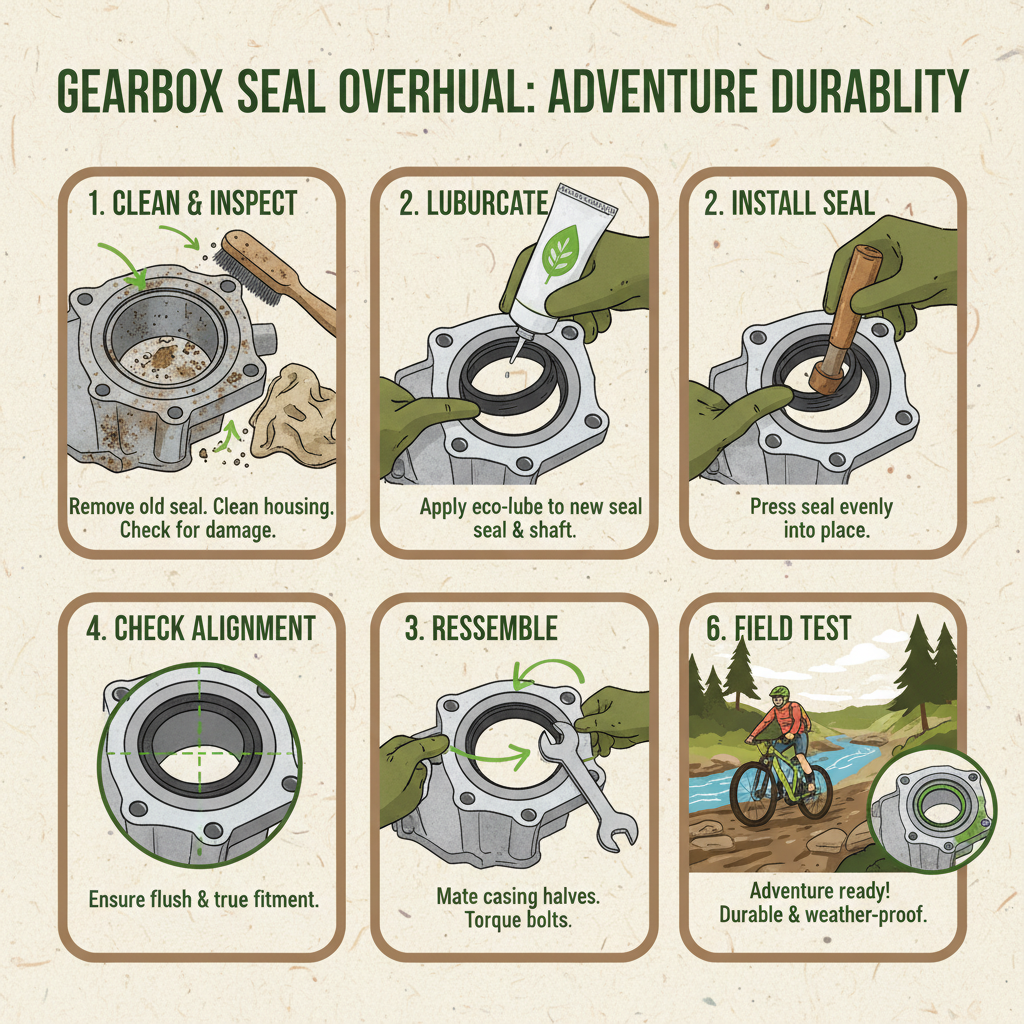
Proper installation is crucial for seal longevity. Ensure the sealing surfaces are clean and free of debris. Lubricate the seal lip with compatible grease before installation. Use the correct installation tool to avoid damaging the seal. Avoid over-tightening or misaligning the seal, as this can compromise its sealing performance.
In most cases, a leaking gearbox seal should be replaced. Attempting to repair a damaged seal is often a temporary fix and can lead to further issues. Replacement ensures a reliable and long-lasting solution. However, minor leaks due to tightening may be temporarily addressed but continuous monitoring is crucial.
Lubricant compatibility is vital. Using an incompatible lubricant can cause the seal material to swell, shrink, or degrade, leading to leaks and premature failure. Always consult the seal manufacturer's recommendations for compatible lubricants. Consider factors such as viscosity, additive content, and operating temperature.
Conclusion
In conclusion, gearbox seals are indispensable components that ensure the reliable and efficient operation of countless machines across diverse industries. Their ability to prevent lubricant leakage and contaminant ingress directly impacts productivity, cost savings, and environmental sustainability. Understanding the key characteristics of effective seals – durability, compatibility, and temperature resistance – is crucial for optimal performance.
Looking ahead, advancements in materials science, digitalization, and predictive maintenance will continue to drive innovation in gearbox seal technology. Prioritizing proper seal selection, installation, and maintenance will remain paramount for maximizing equipment lifespan and minimizing downtime. For high-quality gearbox seals and expert technical support, visit our website today.