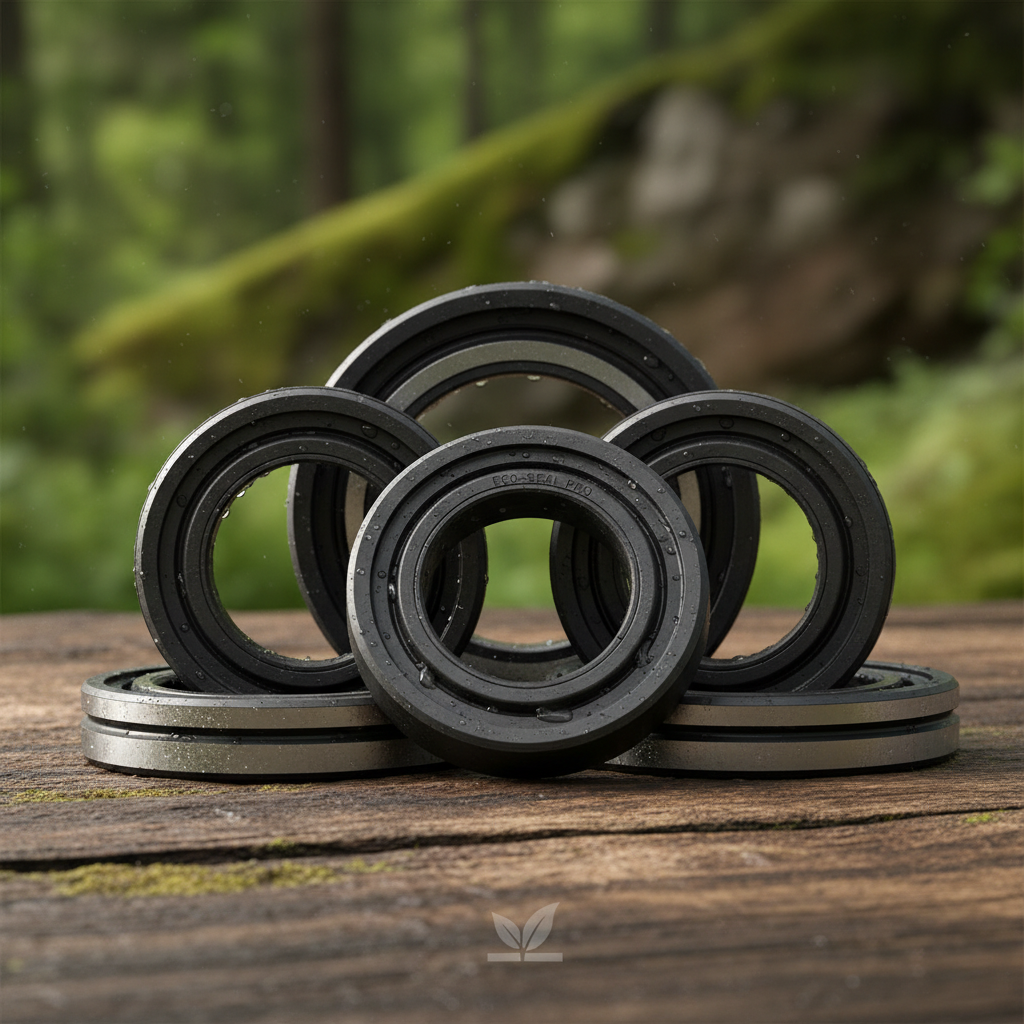
Radial shaft seals are critical components in a vast array of machinery and equipment, serving as the first line of defense against contaminant intrusion and lubricant leakage. Their reliability directly impacts the performance, longevity, and efficiency of countless industrial processes worldwide. Understanding the principles, applications, and advancements in radial shaft seals is therefore essential for engineers, maintenance personnel, and anyone involved in the operation of rotating equipment.
The global demand for effective sealing solutions is driven by several factors, including increasing industrialization, stringent environmental regulations, and a growing focus on minimizing downtime and maintenance costs. These seals are integral to industries ranging from automotive and aerospace to oil and gas, and manufacturing. Recognizing the pivotal role of radial shaft seals is crucial for optimizing equipment performance and reducing operational risks.
The benefits of utilizing high-quality radial shaft seals extend beyond merely preventing leaks; they contribute to increased energy efficiency, reduced environmental impact, and improved worker safety. Investing in proper sealing technology offers a significant return on investment by minimizing costly repairs, preventing equipment failures, and ensuring the smooth operation of critical infrastructure.
Introduction to Radial Shaft Seals
Radial shaft seals, also known as rotary shaft seals, are essential mechanical components designed to prevent the leakage of fluids (liquids or gases) from rotating machinery. They form a dynamic seal between a stationary housing and a rotating shaft, effectively containing lubricants while excluding contaminants. Their proper functioning is paramount for the operational integrity of a wide range of equipment.
The design and materials used in radial shaft seals are crucial for their performance. Considerations include the rotational speed of the shaft, the pressure of the fluid being sealed, the temperature range, and the presence of abrasive or corrosive substances. Selecting the appropriate seal is therefore a critical engineering decision.
Defining Radial Shaft Seals
A radial shaft seal typically consists of three primary components: a sealing lip, a reinforcing carcass, and an outer shell. The sealing lip, usually made of elastomer material (like nitrile rubber, Viton, or silicone), is the dynamic element that maintains contact with the rotating shaft. The carcass provides structural support, preventing the lip from extruding under pressure, and the outer shell ensures a secure fit within the housing bore.
The function of a radial shaft seal isn't simply about stopping leaks; it’s about maintaining system integrity. Without these seals, lubricants would quickly degrade, leading to increased friction, wear, and eventual equipment failure. Moreover, the ingress of contaminants like dust, dirt, and moisture can cause significant damage to sensitive components.
In modern industry, the demand for high-performance radial shaft seals is constantly increasing. This stems from the need for more reliable, efficient, and environmentally friendly machinery. From automotive transmissions to hydraulic pumps, these seals play a silent but vital role in countless applications.
Key Components and Characteristics
Several key characteristics define the effectiveness of radial shaft seals. First is the material compatibility, ensuring the elastomer material can withstand the specific fluid being sealed without swelling, cracking, or degrading. Second, the seal’s hardness, often measured in Shore A, impacts its flexibility and ability to conform to the shaft surface.
Third, the interference fit between the seal’s outer diameter and the housing bore is critical for maintaining a leak-proof seal. Insufficient interference can lead to seal movement and leakage, while excessive interference can cause premature wear. Fourth, surface finish of both the shaft and the sealing lip greatly influence sealing performance, with smoother surfaces leading to reduced friction and improved longevity.
Finally, the design of the sealing lip itself—its geometry and spring tension—plays a significant role in maintaining contact with the shaft under varying operating conditions. Lip designs include various profiles (e.g., U-lip, V-lip) optimized for specific applications.
Durability and Material Science
The durability of a radial shaft seal is directly related to the materials used in its construction. Nitrile rubber (NBR) is a common choice for general-purpose applications due to its good oil resistance and cost-effectiveness. However, for more demanding environments, materials like Viton (FKM) offer superior resistance to high temperatures, aggressive chemicals, and ozone.
Material science continues to drive advancements in radial shaft seals, with the development of new elastomers and composite materials offering enhanced performance characteristics. For example, hydrogenated nitrile butadiene rubber (HNBR) provides improved heat and abrasion resistance compared to standard NBR, making it suitable for high-speed applications.
Radial Shaft Seal Material Performance Comparison
Global Applications of Radial Shaft Seals
The applications of radial shaft seals are remarkably diverse. In the automotive industry, they are essential in engines, transmissions, and axles, preventing oil leaks and ensuring smooth operation. Within the aerospace sector, they are vital components in aircraft engines and hydraulic systems, where reliability is paramount.
Industries like oil and gas rely heavily on these seals to prevent leaks in pumps, compressors, and pipelines. Manufacturing facilities utilize them in a wide range of machinery, including gearboxes, pumps, and electric motors. Even consumer products, such as washing machines and power tools, incorporate radial shaft seals to ensure their functionality and longevity.
The increasing demand for these seals in emerging economies, particularly in Asia-Pacific, is driven by rapid industrial growth and infrastructure development. Regions experiencing significant growth in manufacturing and automotive production are witnessing a corresponding surge in demand for high-quality sealing solutions.
Advantages and Long-Term Value
The advantages of utilizing high-quality radial shaft seals are substantial. Reduced maintenance costs are a primary benefit, as reliable seals minimize the need for frequent repairs and replacements. Improved equipment uptime is another key advantage, preventing costly production delays. Furthermore, these seals contribute to environmental sustainability by preventing fluid leaks, reducing pollution, and conserving valuable resources.
From a long-term perspective, investing in superior sealing technology translates into increased productivity, enhanced safety, and a stronger brand reputation. The reliability and performance of radial shaft seals directly impact the overall efficiency and profitability of an organization. They represent a critical element in a proactive approach to asset management.
Future Trends and Innovations
The future of radial shaft seals is likely to be shaped by several key trends. The increasing demand for electric vehicles (EVs) is driving the development of seals optimized for electric motors and battery systems. Advances in materials science are leading to the creation of seals with enhanced resistance to extreme temperatures, pressures, and chemical environments.
Digitalization and smart manufacturing are also playing a role, with the integration of sensors and monitoring systems into seals to provide real-time data on their performance and condition. This allows for predictive maintenance, minimizing downtime and optimizing maintenance schedules. Additionally, there’s a growing focus on sustainable sealing solutions, utilizing bio-based materials and reducing the environmental impact of seal manufacturing processes.
Further research and development focusing on self-lubricating seals, and seals with enhanced wear resistance will continue to be vital for improving efficiency and reliability in a variety of applications.
Future Trends and Innovations
The future of radial shaft seals is driven by the need for higher performance, increased durability, and environmental sustainability. Innovations in materials science, such as the development of advanced polymers and composite materials, are leading to seals that can withstand more extreme operating conditions.
Digitalization is also playing a significant role, with the integration of sensors and monitoring systems into seals to provide real-time data on their performance. This enables predictive maintenance and reduces the risk of unexpected failures. Furthermore, the growing focus on sustainability is driving the development of eco-friendly sealing solutions.
Core Analysis of Factors Influencing Radial Shaft Seal Performance
| Material Composition |
Operating Temperature (°C) |
Shaft Surface Roughness (µm) |
Leakage Rate (ml/min) |
| Nitrile Rubber (NBR) |
-40 to 100 |
0.8 |
0.1 |
| Viton (FKM) |
-20 to 200 |
0.4 |
0.05 |
| Silicone Rubber |
-60 to 180 |
1.2 |
0.2 |
| HNBR |
-40 to 150 |
0.6 |
0.15 |
| PTFE (Teflon) |
-200 to 260 |
0.2 |
0.01 |
| Polyurethane |
-30 to 120 |
0.5 |
0.12 |
FAQS
The lifespan of a radial shaft seal in an automotive engine varies greatly depending on factors like driving conditions, maintenance schedule, and the seal's material. Generally, a well-maintained seal can last between 50,000 to 100,000 miles. However, seals in harsh environments or with neglected maintenance might fail sooner. Regular oil changes and inspections can significantly extend the seal's lifespan.
Identifying a leaking radial shaft seal often involves visual inspection. Look for oil or other fluid accumulating around the shaft exit point on a component like an engine or transmission. Other signs include a noticeable drop in fluid levels, oil-soaked areas on the surrounding components, and a burning smell if oil is leaking onto hot surfaces.
Viton (FKM) and PTFE (Teflon) are highly resistant to high temperatures. Viton can withstand temperatures up to 200°C (392°F), while PTFE can operate at even higher temperatures, up to 260°C (500°F). These materials are commonly used in applications where seals are exposed to extreme heat, such as in automotive engines and industrial furnaces.
Shaft surface finish is critical for a proper seal. A smooth, polished surface minimizes friction and wear, creating a better sealing surface. Excessive roughness can cause premature seal failure. Ideally, the shaft should have a Ra value (average roughness) of 0.4 micrometers or less. Using a honing tool can achieve the desired surface finish.
Selecting the correct size radial shaft seal involves considering several factors: shaft diameter, housing bore diameter, and seal width. You’ll need to measure these dimensions accurately. Also, consider the operating conditions, such as pressure and temperature, to determine the appropriate material and lip design. Consulting a seal manufacturer's catalog or contacting a specialist is recommended.
Generally, radial shaft seals should not be reused after removal. The sealing lip can become damaged or deformed during removal, compromising its ability to create a leak-proof seal. Replacing the seal with a new one is always the best practice to ensure reliable performance and prevent future leaks. Attempting to reuse a seal risks equipment failure and potential downtime.
Conclusion
In conclusion, radial shaft seals are indispensable components in a vast array of mechanical systems, playing a critical role in maintaining efficiency, preventing contamination, and ensuring reliable operation. Understanding the nuances of their design, materials, and applications is essential for engineers, technicians, and anyone involved in the operation of rotating equipment. The evolution of these seals continues, driven by demands for improved performance, durability, and sustainability.
Looking ahead, advancements in materials science, digitalization, and manufacturing processes will further enhance the capabilities of radial shaft seals. Prioritizing proper seal selection, installation, and maintenance will continue to yield significant benefits in terms of reduced costs, increased uptime, and environmental responsibility. For expert solutions and a comprehensive range of radial shaft seals, visit our website today.