Look, I’ve spent the last twenty years on sites, elbows deep in concrete dust and grease. I’ve seen a lot of things fail, and I’ve seen a few things done right. And when it comes to reliable sealing – the kind that doesn’t let you down when you’re pushing a machine to its limit – the 20 32 6 oil seal consistently proves itself. It’s not glamorous, but it’s absolutely critical. You’re talking about preventing leaks, maintaining pressure, and ultimately, keeping equipment running and people safe. I've seen too many jobs delayed because of a cheap seal, and it always costs more in the long run.
What separates a good seal from a reliable seal isn't just the material, it's the consistency. We need parts that perform the same way, every single time, no matter the conditions. The 20 32 6 oil seal delivers on that. It’s built for the real world – the heat, the grime, the constant vibration. It’s a fundamental component, but often overlooked until something goes wrong. And trust me, when things go wrong with seals, it’s never a good time.
I’ve been involved in projects from hydroelectric dams to massive earthmoving operations, and a consistently reliable component like the 20 32 6 oil seal is the backbone of smooth operations. It’s about minimizing downtime, reducing maintenance costs, and building trust with the engineering teams who rely on these parts to perform. It’s the small parts like these that often make or break a project.
The Importance of Reliable Sealing with 20 32 6 oil seal
I've seen firsthand how a seemingly small component like an oil seal can bring a multi-million dollar project to a standstill. The 20 32 6 oil seal, in particular, stands out because of its consistent performance under harsh conditions. It's a workhorse, a fundamental part of any rotating machinery, and its reliability directly impacts productivity and safety. Ignoring the quality of a seal is a false economy, plain and simple.
It’s not just about preventing leaks; it’s about maintaining system integrity. A compromised seal can lead to contamination, reduced efficiency, and catastrophic failure. We're talking about preventing expensive repairs, minimizing downtime, and ensuring the longevity of critical equipment. A good 20 32 6 oil seal buys you peace of mind, and on a job site, that’s worth a lot.
Defining the 20 32 6 oil seal: A Critical Component
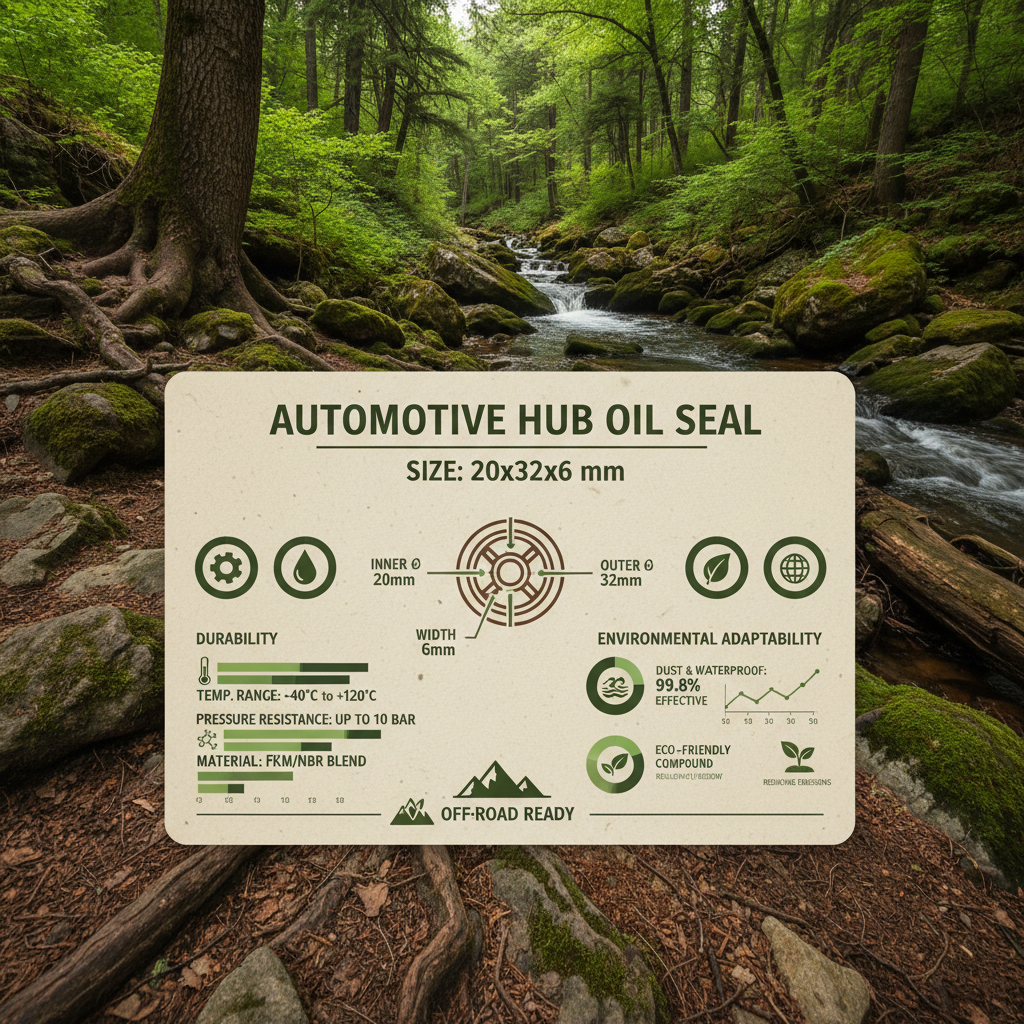
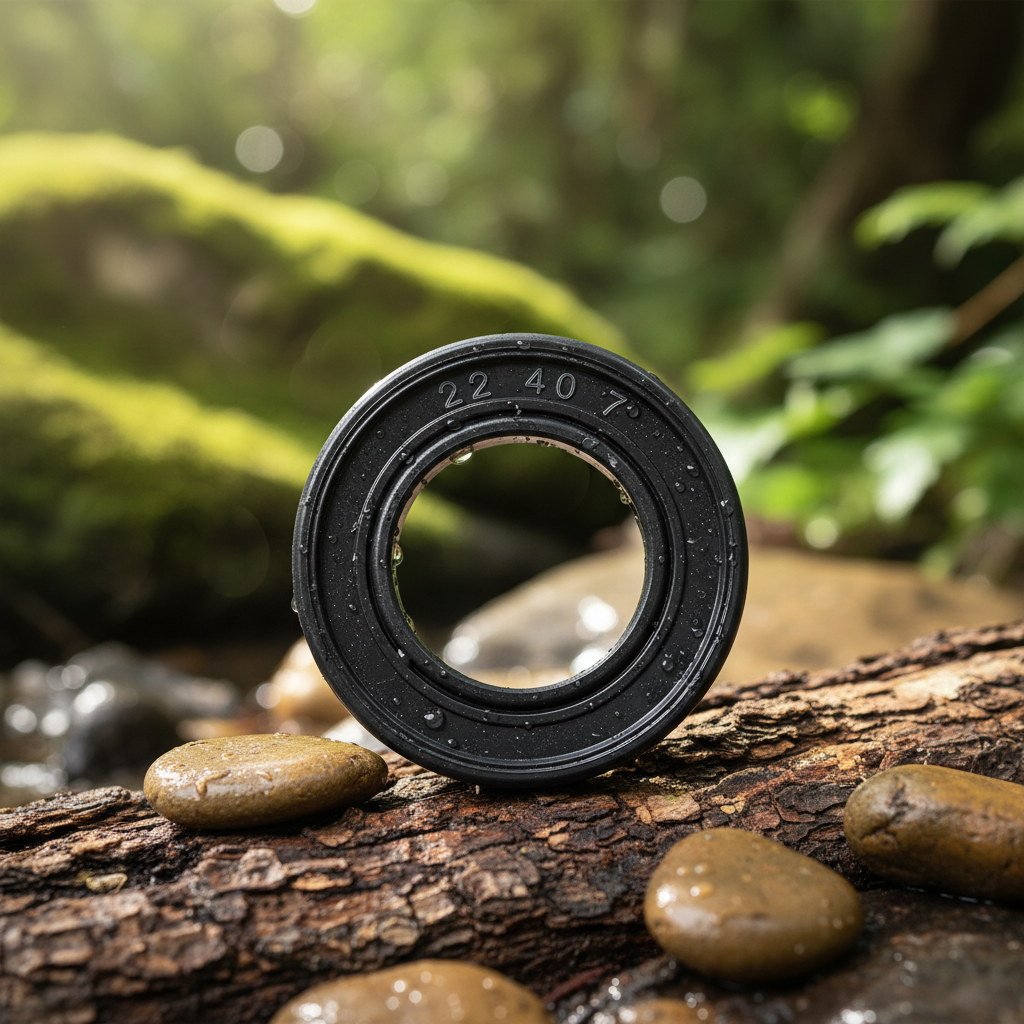
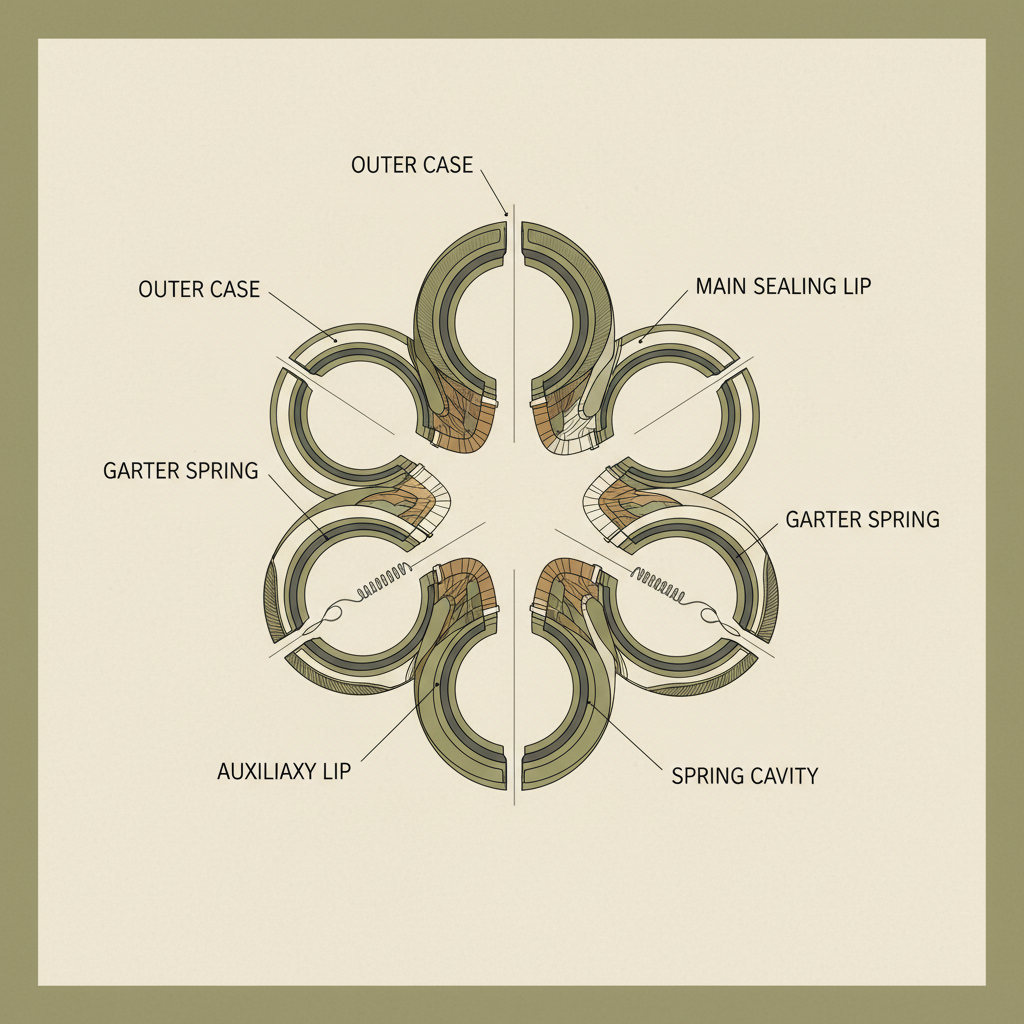
The 20 32 6 oil seal isn't a flashy piece of tech. It's a precisely engineered barrier designed to prevent the leakage of fluids – oil, grease, water – from rotating or reciprocating machinery. It's typically a lip seal made from elastomers like nitrile rubber, Viton, or silicone, and reinforced with a metal case for added strength and dimensional stability. Its dimensions – 20mm inner diameter, 32mm outer diameter, and 6mm width – are critical for a precise fit.
Its connection to modern industry is undeniable. Everything from construction equipment and automotive engines to pumps and gearboxes rely on these seals. They're a fundamental part of keeping the world moving. Without them, these machines would quickly grind to a halt. It’s a simple concept, but crucial to almost every aspect of modern manufacturing and infrastructure.
Consider a hydraulic excavator. That machine relies on constant, precise fluid control. The 20 32 6 oil seal ensures that hydraulic fluid stays where it needs to be, allowing the excavator to perform its tasks efficiently and safely. A failure there isn't just an inconvenience; it's a potential safety hazard.
Key Factors: What Makes a Great 20 32 6 oil seal?
Durability is paramount. We’re not talking about a seal that lasts a few hours; we need something that can withstand continuous operation in demanding environments. The material choice, the manufacturing process, and the precision of the dimensions all contribute to its longevity. A good 20 32 6 oil seal should resist abrasion, chemical attack, and temperature extremes.
Compatibility with the fluid is also critical. Using the wrong material can lead to swelling, cracking, or degradation of the seal. Nitrile is common for oil, Viton for high temperatures and aggressive chemicals, and silicone for food-grade applications. Knowing your application and selecting the right material is half the battle.
Proper installation is often overlooked, but it's just as important as the seal itself. A damaged seal during installation, or an improperly sized shaft, will lead to premature failure. Training and careful attention to detail are essential. I’ve seen projects delayed simply because of sloppy installation.
Global Applications of the 20 32 6 oil seal
You'll find the 20 32 6 oil seal in a massive range of applications across the globe. From agricultural machinery in Brazil to mining equipment in Australia, the demand for reliable sealing is universal. It's a component that transcends borders and industries. We ship these things everywhere.
In heavy construction, it's critical in excavators, loaders, and bulldozers, preventing hydraulic fluid leaks that can cause equipment failure. In manufacturing, it’s used in pumps, motors, and gearboxes, ensuring smooth and efficient operation. And in the automotive industry, you'll find them in engines, transmissions, and axles.
Even in remote industrial zones – think oil fields in Siberia or mining operations in the Andes – the need for a reliable 20 32 6 oil seal is constant. Downtime in these locations isn’t just expensive; it can be dangerous. Having a readily available and dependable supply chain is crucial.
20 32 6 oil seal Application Distribution
Advantages and Long-Term Value of 20 32 6 oil seal
The tangible benefits of using a high-quality 20 32 6 oil seal are clear: reduced maintenance costs, minimized downtime, and increased equipment lifespan. But it goes beyond just the bottom line. It’s about preventing environmental damage from oil leaks, ensuring worker safety, and building a reputation for reliability.
From a sustainability perspective, a durable seal means fewer replacements, less waste, and a reduced environmental footprint. It’s a small contribution, but it adds up. And from a safety standpoint, preventing fluid leaks reduces the risk of accidents and injuries. It’s a win-win.
Future Trends and Innovations in Oil Seal Technology
We’re seeing a move toward more advanced materials and designs. Self-lubricating seals, for example, reduce friction and wear, extending the seal’s lifespan. And there's a lot of research going into bio-based elastomers as a more sustainable alternative to traditional materials.
Digital integration is also playing a role. Smart seals equipped with sensors can monitor their condition and provide early warnings of potential failure, allowing for proactive maintenance. This aligns with the broader trend of predictive maintenance and Industry 4.0.
Challenges and Solutions in 20 32 6 oil seal Implementation
One of the biggest challenges is counterfeit parts. There are a lot of cheap imitations out there that simply don’t meet the required standards. This is why it’s crucial to source your seals from a reputable supplier.
Another challenge is adapting to new fluids and operating conditions. As machinery becomes more sophisticated, seals need to be able to withstand higher temperatures, pressures, and chemical exposures. Continuous research and development are essential to meet these evolving demands.
Proper training and documentation are also key. Ensuring that maintenance personnel are properly trained on installation procedures and seal selection can significantly reduce the risk of failure. Clear, concise documentation is also essential for troubleshooting and repair.
Summary of Challenges and Solutions for 20 32 6 oil seal
| Challenge |
Impact on 20 32 6 oil seal Performance |
Proposed Solution |
Implementation Cost (1-10) |
| Counterfeit Seals |
Reduced reliability, premature failure |
Source from authorized distributors |
2 |
| Incorrect Material Selection |
Seal degradation, leakage |
Thorough fluid compatibility analysis |
5 |
| Improper Installation |
Damage, reduced lifespan |
Comprehensive training program |
6 |
| Extreme Operating Conditions |
Accelerated wear and tear |
Utilize high-performance seal materials |
7 |
| Lack of Preventative Maintenance |
Unforeseen failures, downtime |
Implement regular inspection schedules |
3 |
| Shaft Surface Finish Issues |
Premature seal wear |
Ensure proper shaft finishing techniques |
4 |
FAQS
The lifespan of a 20 32 6 oil seal varies depending on operating conditions, but generally, you can expect between 2,000 to 5,000 hours of service. Factors like fluid temperature, pressure, and contamination levels significantly impact this. Regular monitoring and preventative maintenance are crucial for maximizing lifespan. Using the correct fluid type and keeping it clean extends the life considerably. Neglect those, and you might be looking at replacement much sooner.
It depends on the material of the seal. Nitrile seals are compatible with most petroleum-based hydraulic fluids, but not with phosphate ester fluids. Viton seals offer broader compatibility, including phosphate esters, but are more expensive. Silicone seals are best for food-grade applications. Always check the fluid compatibility chart for the specific seal material before installation. Using the wrong fluid will cause the seal to swell, crack, or degrade.
Proper installation is critical. Ensure the shaft surface is smooth and free of burrs or scratches. Lubricate the seal lip with the hydraulic fluid before installation. Use a seal installation tool to avoid damaging the seal lip. Never use sharp objects to pry the seal into place. A damaged seal will leak and fail prematurely. Take your time and do it right.
The most obvious sign is leakage. You might also notice reduced system pressure, decreased efficiency, or unusual noises. Check for visible cracks or wear on the seal lip. Regularly inspect your equipment and address any issues promptly. Ignoring a failing seal can lead to catastrophic failure and costly repairs.
Yes, there are. PTFE (Teflon) seals offer excellent resistance to chemicals and high temperatures, but they’re generally more expensive. Some applications utilize mechanical seals, which provide a more robust sealing solution, but require more complex installation. The best choice depends on the specific application and operating conditions. Often, a well-maintained rubber seal like the 20 32 6 is the most cost-effective solution.
Store the seal in a cool, dry place, away from direct sunlight and ozone sources. Keep it in its original packaging if possible. Avoid storing seals near solvents or chemicals that could damage the material. Proper storage prevents premature degradation and ensures optimal performance when it’s time to install. It’s a simple step, but it makes a difference.
Conclusion
The 20 32 6 oil seal is a seemingly small but fundamentally important component in a vast range of machinery and industrial applications. Its reliability directly impacts productivity, safety, and sustainability. Understanding its core principles – material selection, proper installation, and preventative maintenance – is crucial for maximizing its lifespan and minimizing downtime.
Looking ahead, advancements in materials and digital integration will continue to enhance the performance and longevity of oil seals. Investing in quality seals and prioritizing proactive maintenance isn’t just a cost-saving measure; it’s an investment in the long-term health and efficiency of your operations. For more information on selecting the right seals for your needs, visit our website: 20 32 6 oil seal.