Look, I’ve spent the last fifteen years crawling around construction sites, getting my hands dirty with everything from foundation pours to rooftop installs. And lemme tell you, a reliable seal is the unsung hero of any project. That’s where the 20 35 7 oil seal comes in. It's not glamorous, but without a good seal, you’re looking at leaks, downtime, and a whole heap of expensive headaches. This isn’t just about parts; it’s about keeping projects on schedule and budgets intact.
We're talking about a component that's absolutely vital across a ton of industries – hydraulics, engines, pumps, you name it. A failure here doesn’t just mean a repair order; it can mean equipment is down, production stops, and people are scrambling. That’s why knowing what to look for in a quality 20 35 7 oil seal isn’t just good practice, it’s essential. I've seen too many shortcuts taken on seals, and they always come back to bite you.
Honestly, it’s the little things that separate a pro job from an amateur one, and a solid, dependable 20 35 7 oil seal? That’s a little thing that makes a huge difference. We’re going to break down what makes a good one, where you’ll find them working hard, and why investing in quality upfront saves you a mountain of trouble down the line.
The Critical Role of the 20 35 7 Oil Seal
The 20 35 7 oil seal is a fundamental component in a huge range of machinery. It’s the first line of defense against leaks, keeping fluids contained where they need to be, and contaminants out. I’ve seen enough hydraulic systems grind to a halt because of a cheap seal to know it’s not a place to skimp. Think about it – loss of hydraulic pressure can stop a crane mid-lift, or shut down an entire assembly line.
It’s not just about hydraulics either. These seals are crucial in engines, gearboxes, pumps, and anywhere rotational movement involves fluids. The demands placed on these little rubber rings are immense: constant friction, varying temperatures, and exposure to harsh chemicals. The 20 35 7 size is a common one, used in everything from small power tools to heavy-duty construction equipment, which is why understanding its quality is paramount.
Defining the 20 35 7 Oil Seal: More Than Just a Rubber Ring
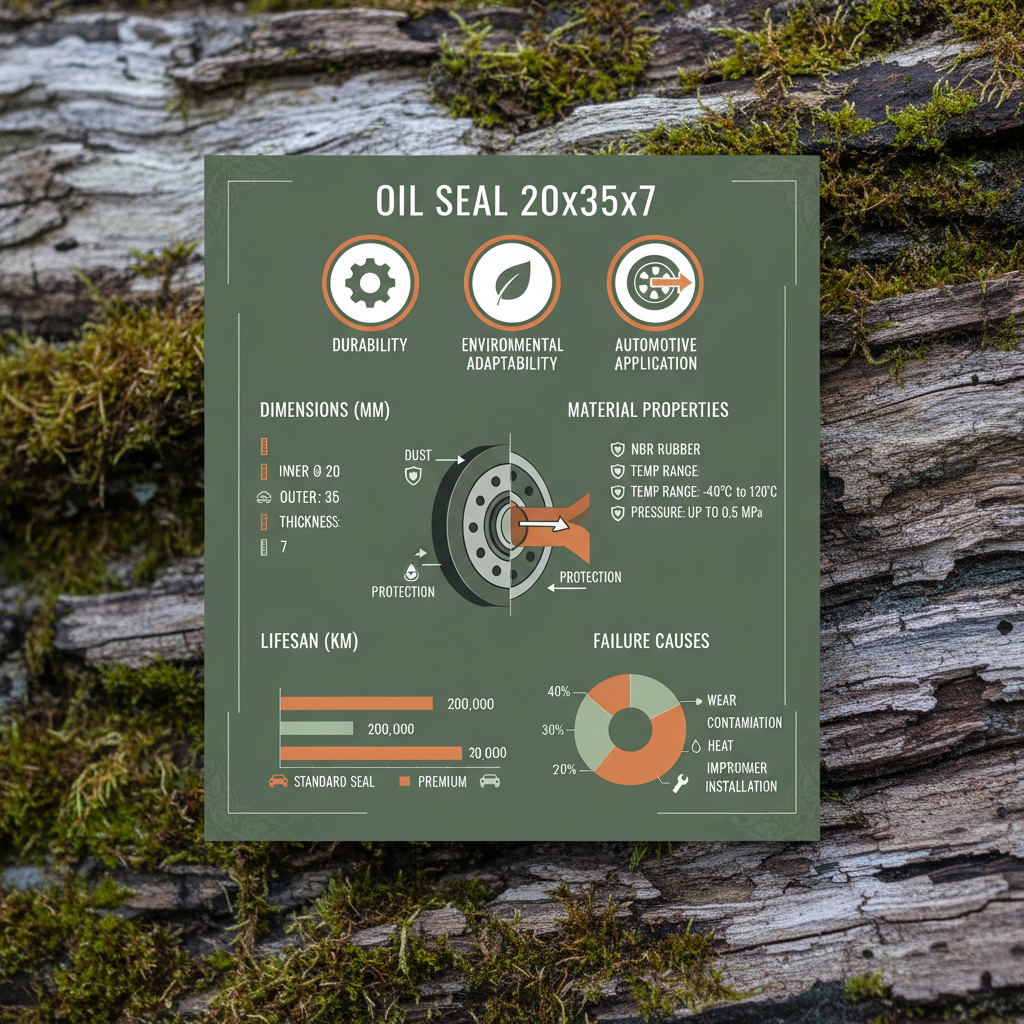
Let’s be clear: a 20 35 7 oil seal isn’t just a piece of rubber. It’s a precision-engineered component designed to create a dynamic seal between rotating and stationary parts. The “20 35 7” designation refers to its dimensions – 20mm inner diameter, 35mm outer diameter, and 7mm width. It’s a standardized size, which makes sourcing replacements relatively easy, but that doesn't mean all 20 35 7 seals are created equal.
They typically consist of three key parts: the sealing lip, the reinforcing case, and often a spring. The sealing lip is the part that actually contacts the rotating shaft, creating the barrier. The case provides structural support, and the spring keeps the lip properly tensioned. The material used is critical – often nitrile rubber (Buna-N), Viton, or silicone, depending on the application and the fluids involved.
Think of it like this: it’s the silent guardian, working tirelessly to prevent costly failures. In modern industry, where downtime is a killer, having the right seal is a fundamental part of maintaining operational efficiency. It's about more than just keeping oil in; it’s about keeping everything running smoothly.
Key Characteristics of a High-Performing 20 35 7 Oil Seal
A good 20 35 7 oil seal boils down to a few core characteristics. First, material compatibility is huge. You can’t use a standard nitrile seal in an environment with aggressive chemicals – you need Viton or another chemically resistant elastomer. Second, hardness and tensile strength matter. A softer seal might seal well initially, but it’ll wear out quickly under pressure and friction. I always look for seals with a Shore A hardness appropriate for the application.
Third, surface finish on both the seal lip and the shaft is critical. Any imperfections can lead to premature wear and leaks. A polished shaft and a precisely molded seal lip are essential. Finally, the spring’s tension needs to be just right – too weak and it won’t seal effectively, too strong and it’ll create excessive friction and heat.
These aren't just specs on a datasheet; they translate directly into real-world performance. A quality seal will run cooler, last longer, and require less maintenance. That's why I always push for using reputable brands that can demonstrate consistent quality control. Don't be fooled by the cheapest option—it's rarely the best in the long run.
Real-World Applications: Where You'll Find 20 35 7 Oil Seals
You see 20 35 7 oil seals everywhere. I’ve pulled them out of everything from compact excavators to industrial gearboxes. In construction, they’re critical in hydraulic cylinders, pumps, and drive motors. In manufacturing, they’re used in conveyor systems, packaging machinery, and all sorts of rotating equipment. I’ve even seen them in agricultural equipment, protecting bearings and gears from dirt and water.
Automotive applications are huge, too. They’re in transmissions, differentials, and wheel hubs. And don't forget smaller applications like power tools, lawnmowers, and even some appliances. The key is that any time you have a rotating shaft passing through a housing with fluid inside, you likely need a 20 35 7 (or a similar-sized) oil seal.
20 35 7 Oil Seal Application Distribution
The Advantages of Using a Quality 20 35 7 Oil Seal
Investing in a high-quality 20 35 7 oil seal pays off in several ways. First, you get extended service life, meaning fewer replacements and less downtime. Second, a better seal reduces fluid loss, which saves money on fluids and minimizes environmental impact. It’s a win-win.
Reliability is another huge benefit. A good seal gives you peace of mind knowing that your equipment is less likely to fail unexpectedly. That's crucial in industries where safety is paramount. I’ve seen too many projects delayed because of a failed seal – it’s a costly mistake you can easily avoid.
Future Trends and Innovations in Sealing Technology
The sealing industry isn’t standing still. We’re seeing a lot of innovation in materials – new elastomers that can withstand even more extreme temperatures and chemicals. There's also a push towards smarter seals with integrated sensors that can monitor seal performance and predict failures.
Digitalization is playing a role, too, with advanced modeling and simulation tools allowing engineers to optimize seal designs for specific applications. And with a growing focus on sustainability, there’s more research into bio-based and recyclable sealing materials. I suspect we’ll see those become more common in the years to come.
Ultimately, the goal is to create seals that are more durable, reliable, and environmentally friendly. That's a direction I fully support, and it's something I'm keeping a close eye on.
Challenges and Solutions: Ensuring Long-Term Seal Reliability
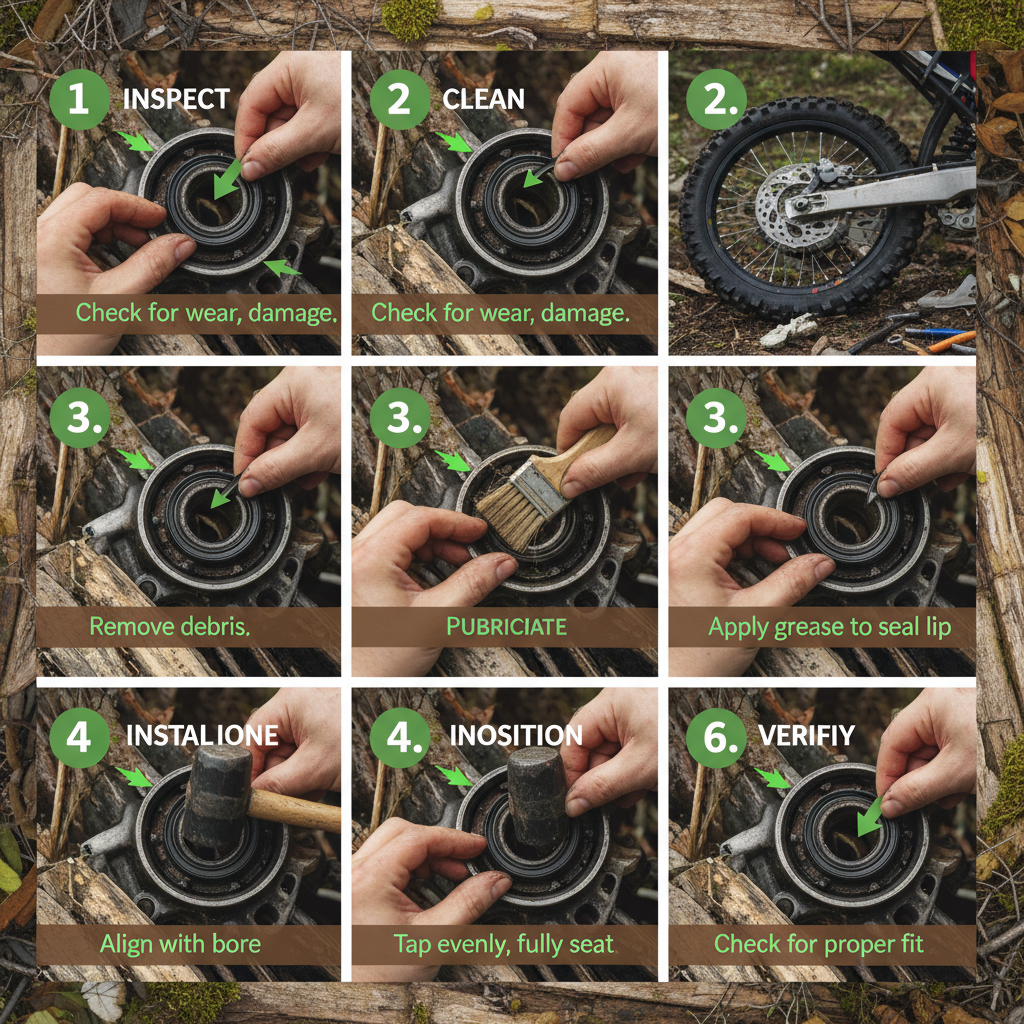
Even with the best seals, failures can happen. Common culprits include improper installation, shaft damage, and contamination. Proper installation is key – make sure the seal is lubricated and seated correctly. A damaged shaft will destroy a seal in short order, so address any imperfections before installation.
Contamination is a constant battle. Dust, dirt, and debris can get past the seal and cause wear. Regular maintenance, including flushing systems and replacing filters, is essential. Also, consider using seal protectors or shaft sleeves in harsh environments.
Finally, don’t underestimate the importance of proper storage. Seals can dry out and crack if exposed to sunlight or extreme temperatures. Keep them in a cool, dark place until you’re ready to use them. Taking these steps can dramatically extend the life of your 20 35 7 oil seals and save you a lot of headaches down the road.
Summary of Factors Impacting 20 35 7 Oil Seal Performance
| Factor |
Impact on Seal Life |
Mitigation Strategy |
Severity (1-10) |
| Installation Quality |
Significant – Improper install leads to rapid failure. |
Proper training, lubrication, and tool usage. |
9 |
| Shaft Condition |
High – Scratches or imperfections damage seal lip. |
Shaft polishing or replacement. |
8 |
| Fluid Compatibility |
Moderate – Incorrect fluid causes swelling/degradation. |
Select appropriate seal material. |
7 |
| Contamination Levels |
Moderate – Abrasive particles accelerate wear. |
Filtration systems, seal protectors. |
6 |
| Operating Temperature |
Moderate – Extreme temps affect material properties. |
Select heat/cold resistant seal materials. |
5 |
| Storage Conditions |
Low – Prolonged exposure to UV/heat can degrade rubber. |
Store seals in a cool, dark, and dry location. |
4 |
FAQS
Nitrile (Buna-N) is a general-purpose rubber that works well with petroleum-based oils. Viton is a fluorocarbon rubber that’s much more resistant to chemicals, high temperatures, and abrasion. Viton’s more expensive but crucial if you’re dealing with aggressive fluids like brake fluid or synthetic lubricants. Choosing the wrong material will lead to rapid seal failure, so knowing what you’re sealing is critical.
Installation is key! First, make sure the shaft is clean and free of any burrs or scratches. Lubricate the seal lip and the shaft with a compatible lubricant. Use a seal installation tool to avoid damaging the seal. Ensure the seal is seated squarely in its housing and doesn't twist or get pinched. A little care during installation can save you a lot of trouble later.
Several things can cause premature failure. Contamination is a big one - dirt, dust, or metal particles can damage the seal lip. Improper installation, as we just discussed, is another. Also, using the wrong seal material for the application, or operating outside the seal’s temperature range, can lead to problems. Finally, shaft misalignment can cause excessive wear.
Generally, no. Once a seal has been compressed and used, it loses its spring tension and can’t provide a reliable seal. It might look okay, but it’s best to replace it with a new one. The cost of a new seal is minimal compared to the cost of repairing a leak or dealing with equipment failure. It’s just not worth the risk.
Look for reputable suppliers who specialize in sealing products. Check for certifications and quality control measures. Reading reviews and getting recommendations from other professionals can also be helpful. We at HKAiseal pride ourselves on providing high-quality seals and expert technical support. Don’t just go with the cheapest option; prioritize reliability.
The spring provides constant positive pressure against the shaft, ensuring a tighter seal, especially under varying temperatures and pressures. It helps compensate for wear and maintains sealing performance over time. Spring-loaded seals are particularly useful in applications with high-speed rotation or fluctuating operating conditions. They are a bit more expensive, but often worth the investment for critical applications.
Conclusion
We’ve covered a lot here, from the basic definition of a 20 35 7 oil seal to the advanced materials and future trends shaping the industry. The bottom line is this: a seemingly small component like an oil seal can have a massive impact on the reliability, efficiency, and safety of your equipment. Choosing the right seal, installing it correctly, and maintaining it properly are essential for preventing costly downtime and ensuring long-term performance.
Don’t underestimate the value of investing in quality. Take the time to understand your application, select the appropriate seal material, and work with a reputable supplier. By doing so, you’ll not only save money in the long run but also ensure the smooth and efficient operation of your critical machinery. For reliable 20 35 7 oil seals and expert advice, visit our website: www.hkaiseal.com.