Look, I’ve been on construction sites for fifteen years, elbows deep in concrete dust and grease. I’ve seen seals fail – and I’ve seen projects grind to a halt because of it. That’s why understanding a simple component like the 20x30x7 oil seal is so critical. It's not glamorous, but it’s the backbone of keeping heavy machinery running smoothly, preventing leaks, and ultimately, keeping projects on schedule and under budget. We’re talking about minimizing downtime, maximizing equipment lifespan, and avoiding costly repairs. 20x30x7 oil seal aren't just parts; they’re a direct reflection of a project’s reliability.
I’ve seen too many times where guys try to cheap out, grab whatever seal is closest, and then end up spending three times as much fixing the resulting mess. A correctly specified 20x30x7 oil seal isn’t just about stopping fluid; it’s about withstanding the punishing conditions these machines face every single day - extreme temperatures, abrasive materials, constant pressure. It's about choosing the right material, the right durometer, and trusting a supplier who understands the demands of the field.
You won’t find me in a boardroom talking about theoretical efficiencies. I’m concerned with what works, what lasts, and what keeps the job moving forward. And honestly, a quality 20x30x7 oil seal is often the difference between a successful project and a complete headache. It’s a small investment that pays massive dividends in the long run.
The Critical Role of 20x30x7 Oil Seals in Heavy Machinery
Let's be real, heavy equipment doesn't run on hopes and dreams. It runs on fluids – hydraulic oil, engine oil, transmission fluid. And those fluids need to stay where they're supposed to. That’s where a 20x30x7 oil seal comes in. It’s a fundamental component, preventing leaks, maintaining pressure, and safeguarding vital machinery from contamination. Without a reliable seal, you’re looking at reduced efficiency, increased wear and tear, and eventually, catastrophic failure. We're talking excavators, bulldozers, cranes, all relying on these little guys.
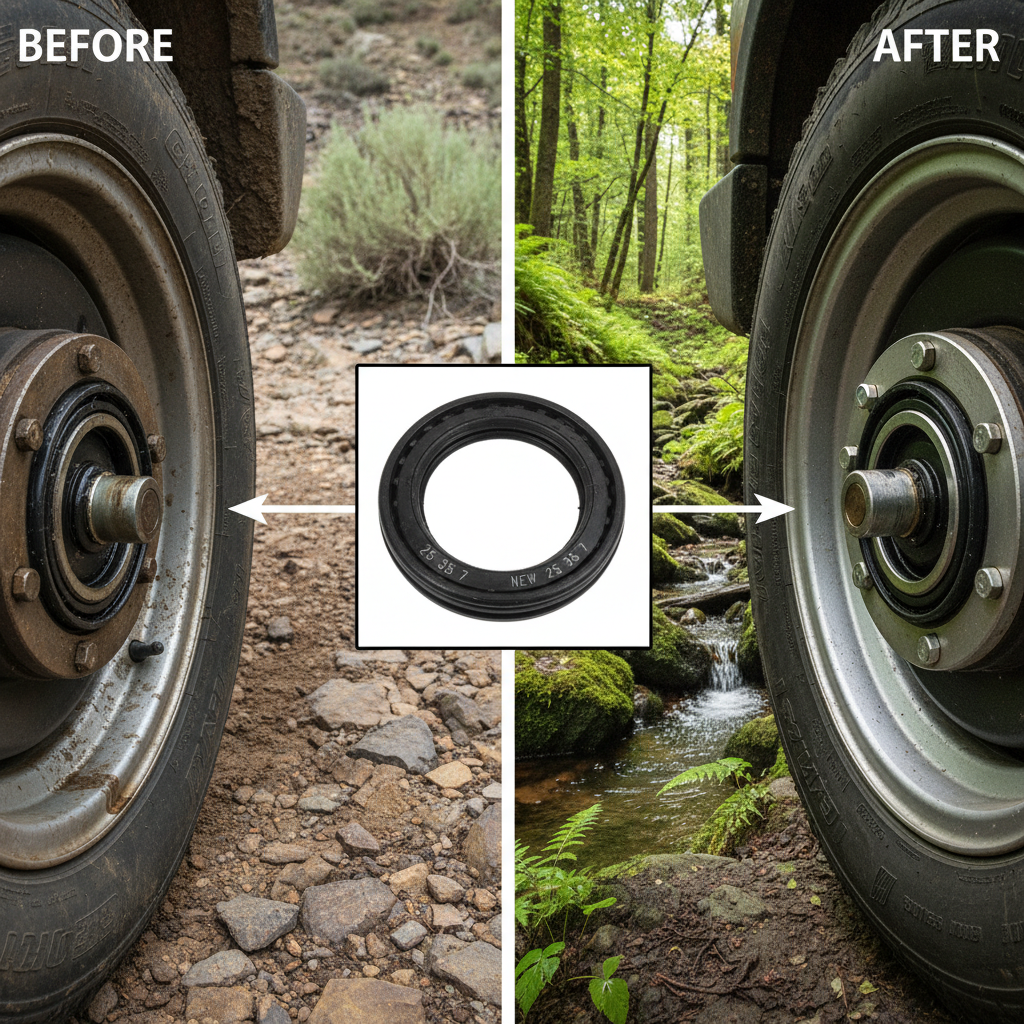
I’ve seen firsthand what happens when these seals give out. It's not pretty. Oil spills contaminate the site, creating safety hazards and environmental concerns. Equipment downtime increases, delaying projects and racking up costs. And the repairs? Often more extensive than just replacing a seal, because fluid loss can lead to damage to other components. This isn't just a maintenance issue; it's a project risk management issue.
Understanding the Specifications: 20x30x7 Explained
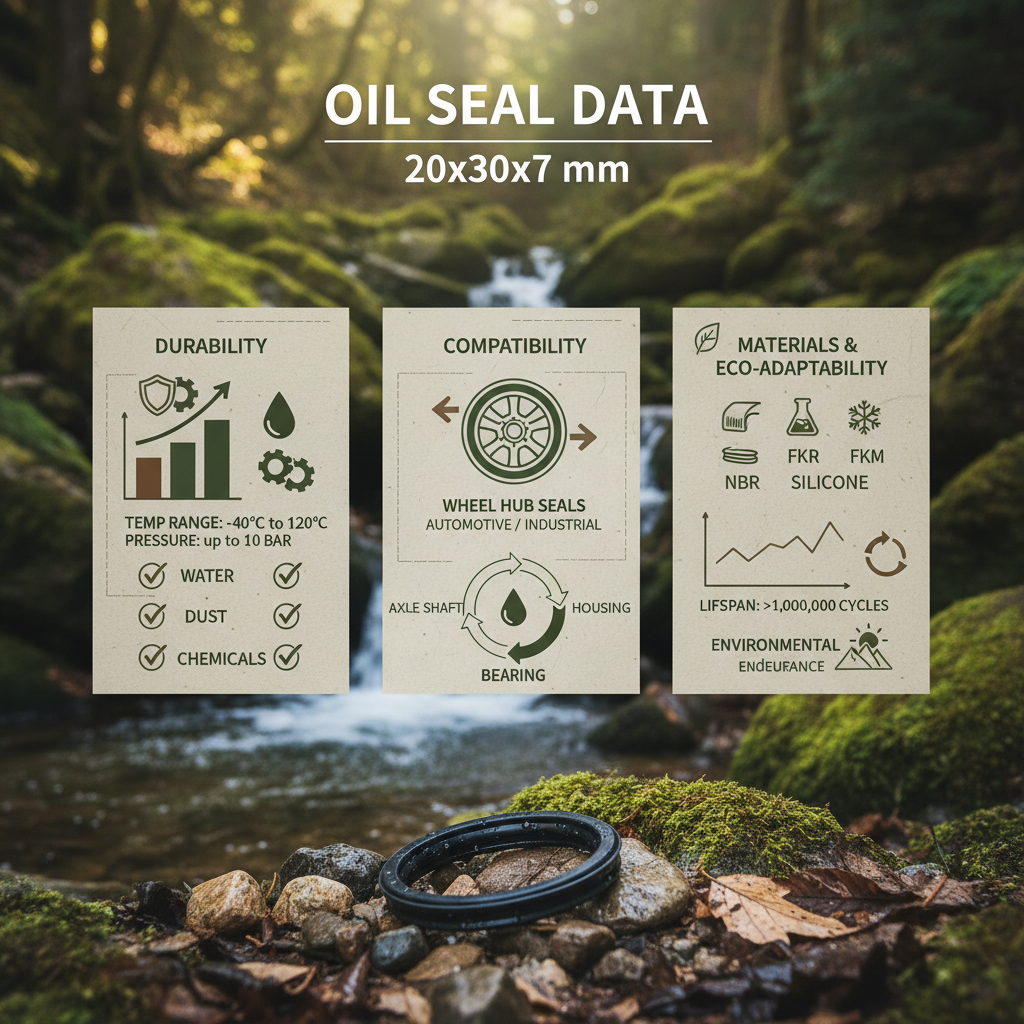
The "20x30x7" isn't just a random number. It's a precise specification. Twenty millimeters is the inner diameter, thirty millimeters is the outer diameter, and seven millimeters is the width. Knowing these dimensions is absolutely crucial. You can't just grab any seal that looks right. A mismatch, even a millimeter off, can lead to leaks and premature failure. I've spent too many hours on-site watching guys try to make a slightly-too-large seal fit, only to have it roll or tear under pressure.
These numbers define the physical fit of the seal within the housing. But it's not just about the size. You also need to consider the shaft speed, the operating temperature, and the fluid being sealed. Different applications require different materials and seal designs. A 20x30x7 seal for a high-speed rotating shaft will be very different than one for a static application.
Ignoring these specifications is a recipe for disaster. It’s like trying to build a house with mismatched bricks – it just won’t hold up. A quality supplier will help you navigate these details, ensuring you get the right seal for your specific needs.
Material Science: Choosing the Right Seal for the Job
The material the 20x30x7 oil seal is made from is as important as the dimensions. You’ve got nitrile rubber (Buna-N), which is good for general-purpose applications with petroleum-based fluids. Then you have Viton, which can handle higher temperatures and more aggressive chemicals. There's also silicone, polyurethane, and PTFE, each with its own strengths and weaknesses. Choosing the wrong material is a shortcut to failure. I’ve seen nitrile seals degrade rapidly when exposed to certain types of synthetic lubricants, leading to major headaches.
I always ask myself: What’s the fluid? What’s the temperature range? Is it exposed to abrasive particles? These are the questions that dictate the material selection. Don't just grab the cheapest option; invest in a material that can withstand the operating conditions. A slightly more expensive Viton seal can save you a fortune in downtime and repairs down the road.
And it's not just the base material. It's the formulation, the additives, and the manufacturing process. A reputable supplier will provide detailed material specifications and testing data, so you know exactly what you're getting. I look for seals that have been tested for abrasion resistance, tensile strength, and chemical compatibility.
Durability & Performance Metrics of 20x30x7 Oil Seals
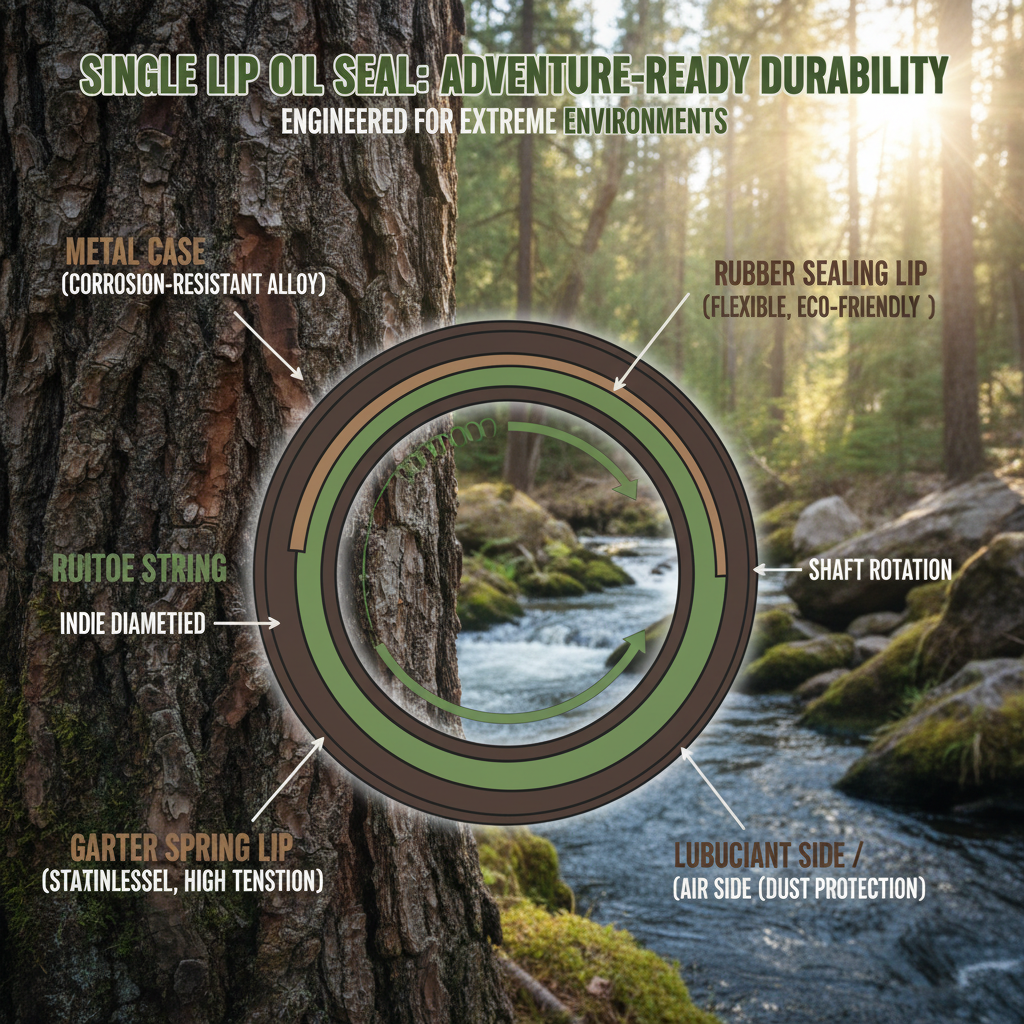
When I’m evaluating a 20x30x7 oil seal, I’m not just looking at the material; I’m looking at how it’s built. Is it a single-lip seal, a double-lip seal, or does it have a dust lip? Each design offers different levels of protection against contamination and leakage. Double-lip seals, for example, provide a better barrier against dirt and debris, which is critical in harsh environments.
We also look at the durometer – the hardness of the rubber. A higher durometer provides better resistance to abrasion, while a lower durometer offers better sealing performance. It’s a balancing act. We need a seal that’s tough enough to withstand the operating conditions, but also flexible enough to conform to the shaft and housing surfaces.
20x30x7 Oil Seal Performance Comparison
Global Applications: Where 20x30x7 Seals are Essential
You'll find 20x30x7 oil seals in everything from agricultural equipment to industrial pumps to automotive transmissions. They're universal, really. I've seen them used in mining operations in Australia, construction sites in Europe, and manufacturing plants right here in the States. Anywhere there's rotating equipment and a need to contain fluids, you'll find these seals.
The specific applications vary, but the underlying principle remains the same: prevent leakage, protect components, and ensure reliable operation. In remote industrial zones, where downtime is incredibly costly, the quality of these seals is paramount. They're often the first line of defense against equipment failure.
Long-Term Cost Savings and Reliability
Look, I get it. Upfront cost is always a concern. But I always tell the guys, don’t nickel and dime yourself to death. A slightly more expensive, high-quality 20x30x7 oil seal will almost always pay for itself in the long run. Reduced downtime, fewer repairs, and extended equipment life – those are the real cost savings.
Reliability isn't just about preventing leaks. It's about giving you peace of mind. Knowing that your equipment is protected and won't fail unexpectedly. That allows you to focus on the job at hand, not constantly worrying about potential breakdowns. And honestly, that peace of mind is worth a lot.
A good seal contributes to a safer work environment too. Oil leaks create slip hazards and can pose fire risks. Investing in quality seals is an investment in safety.
Future Trends & Innovations in Oil Seal Technology
We're seeing some interesting developments in oil seal technology. New materials are being developed that offer even greater resistance to abrasion, chemicals, and extreme temperatures. There's also a trend towards more sophisticated seal designs, incorporating features like integrated wear indicators and self-lubricating properties.
Digitalization is playing a role too. Sensors are being embedded in seals to monitor their performance and predict when they need to be replaced. This allows for proactive maintenance, preventing unexpected failures and minimizing downtime. These advancements aren’t about making seals fancy; they’re about making them smarter and more reliable.
And sustainability is becoming increasingly important. Manufacturers are exploring the use of recycled materials and developing more eco-friendly seal formulations. The future of oil seals isn’t just about performance; it’s about minimizing environmental impact.
Summary of Key Considerations for Choosing 20x30x7 Oil Seals
| Application Type |
Material Selection |
Operating Conditions |
Cost vs. Longevity |
| Hydraulic Systems |
Nitrile or Viton |
High Pressure, Moderate Temperature |
Medium (Balance Cost and Performance) |
| High-Temperature Engines |
Viton or Silicone |
Extreme Heat, Chemical Exposure |
High (Prioritize Reliability) |
| Dusty Environments |
Polyurethane |
Abrasion, Contamination |
Medium (Focus on Durability) |
| Food Processing Equipment |
FDA-Approved Materials |
Hygiene, Chemical Resistance |
High (Compliance is Essential) |
| Rotating Shafts - High Speed |
PTFE |
Friction Reduction, Heat Dissipation |
Medium to High (Performance Critical) |
| Static Applications |
Nitrile |
Low Pressure, Ambient Temperature |
Low (Cost-Effective Solution) |
FAQS
A single-lip seal has one sealing edge, adequate for basic applications. A double-lip seal boasts two, providing a superior barrier against contaminants like dust and grit. If you’re dealing with a dirty environment, always opt for the double-lip. It’s a little more upfront, but saves headaches in the long run. I've seen too many single-lip seals fail prematurely because of dirt getting past the seal.
It depends on the fluid you’re sealing and the operating temperature. Nitrile is good for general oil-based fluids at moderate temperatures. Viton handles higher temperatures and aggressive chemicals. Silicone is great for extreme temperatures, but isn't ideal for petroleum-based fluids. Think about the environment. A good supplier will walk you through this.
Absolutely not. A slightly larger seal will likely roll or tear under pressure. You must use the correct size. It's better to wait for the right seal than to risk a failure. Even a millimeter off can cause issues. A bad seal can cause a catastrophic failure that would’ve been avoided.
Durometer measures the hardness of the rubber. Higher durometer means more abrasion resistance, lower means better sealing. You need a balance. Too hard, and it won’t conform properly. Too soft, and it’ll wear out quickly. It’s all about finding the sweet spot for your specific application.
It depends on the operating conditions and the seal material. Regularly inspect for leaks, cracks, or signs of wear. As a general rule, replace seals during scheduled maintenance. Don't wait for a failure. Proactive maintenance is always cheaper than reactive repairs. Prevention is key.
Look for a supplier with a good reputation, extensive product range, and technical expertise. Don’t just go with the cheapest option. You want a supplier who can help you choose the right seal for your application and provide reliable support. Check out 20x30x7 oil seal - they've been a solid partner for my teams over the years.
Conclusion
So, there you have it. A 20x30x7 oil seal is a small component with a huge impact. It’s about more than just preventing leaks; it's about ensuring reliability, minimizing downtime, and keeping projects on track. Choosing the right material, understanding the specifications, and partnering with a reputable supplier are crucial for success. Don’t underestimate the power of a quality seal.
The future of oil seal technology is exciting, with new materials and innovations constantly emerging. Staying informed about these advancements will help you optimize performance and reduce costs. Ultimately, investing in quality 20x30x7 oil seals is an investment in the success of your projects, and the safety and efficiency of your operations. For all your sealing needs, visit our website: www.hkaiseal.com