The 22 35 7 oil seal is a critical component in a wide array of industrial applications, particularly those involving rotating shafts and fluid containment. Its primary function is to prevent leakage of oils, lubricants, and other fluids, ensuring optimal performance and longevity of machinery. Understanding the nuances of these seals – their materials, dimensions, and applications – is paramount for engineers, maintenance personnel, and procurement specialists across various sectors.
Globally, the demand for high-quality oil seals like the 22 35 7 oil seal is driven by the growth of manufacturing, automotive, and construction industries. A robust supply chain and stringent quality control are essential to meet these demands. Disruptions in this chain, whether due to geopolitical factors or material shortages, can significantly impact production and lead to costly downtime. Selecting the right 22 35 7 oil seal directly translates to reduced maintenance costs and increased operational efficiency.
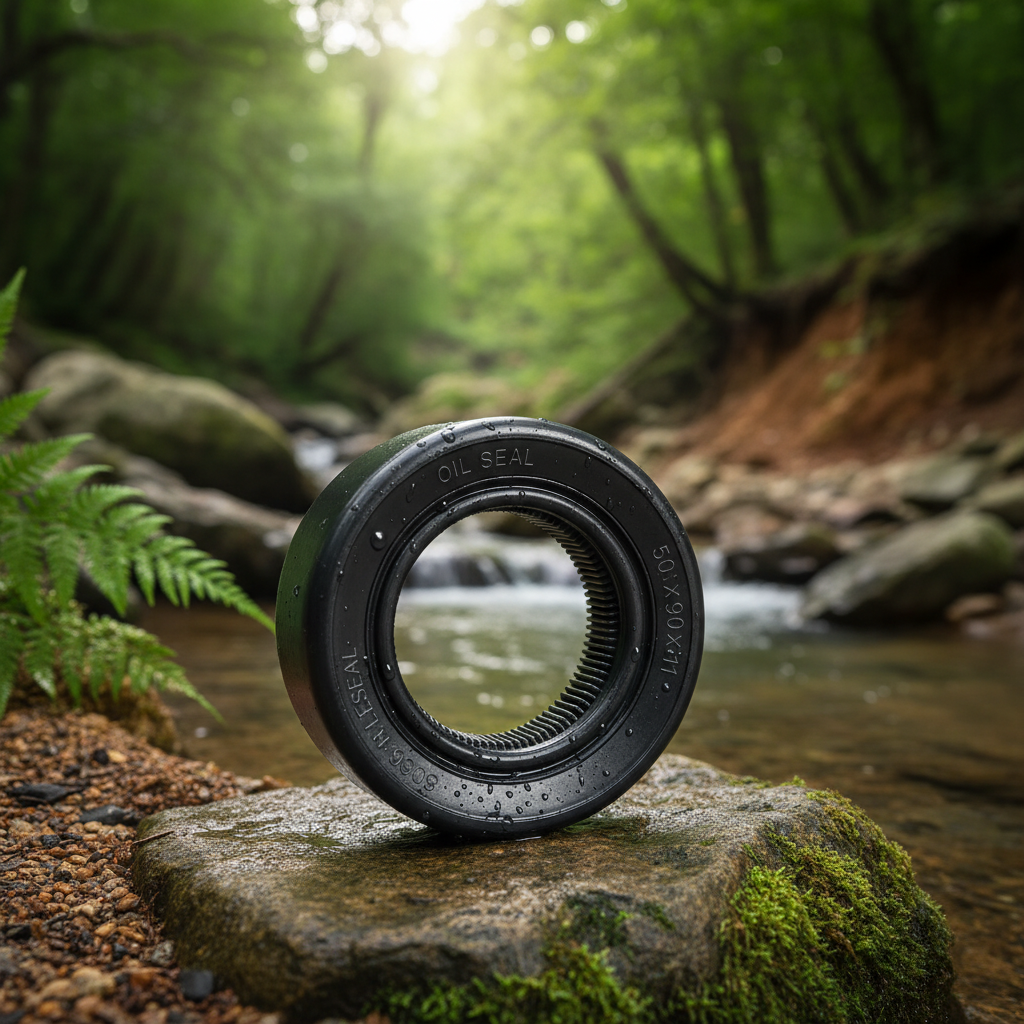
At its core, the 22 35 7 oil seal is a precisely engineered barrier designed to maintain fluid integrity. Its seemingly simple function masks a complex interplay of material science, manufacturing precision, and application-specific requirements. The dimensions "22 35 7" denote the seal's internal diameter, outer diameter, and width, respectively – crucial parameters for ensuring a proper fit and effective seal.
Understanding the Role of the 22 35 7 Oil Seal
The 22 35 7 oil seal serves as a critical barrier against fluid leakage in rotating equipment. Its effective function is paramount in preserving the efficiency and reliability of mechanical systems. Incorrectly specified or failing seals can lead to significant downtime, equipment damage, and safety hazards. Therefore, a thorough understanding of their operating principles is vital.
This particular size, 22 35 7, is commonly found in concrete mixers, certain types of pumps, and industrial gearboxes. Its standardized dimensions allow for easy replacement and interchangeability, simplifying maintenance processes. The material composition of the 22 35 7 oil seal directly influences its resistance to various fluids, temperatures, and pressures – factors that must be carefully considered during selection.
Defining the 22 35 7 Oil Seal: Dimensions and Applications
The designation '22 35 7' isn’t arbitrary. The first number (22) represents the internal diameter of the seal in millimeters, determining the shaft size it's designed to fit. The second (35) denotes the external diameter, crucial for proper housing fit, while the last (7) indicates the width or thickness of the seal. These dimensions are critical for achieving a leak-proof barrier.
Applications for a 22 35 7 oil seal are diverse, spanning across industries like construction machinery (concrete mixers being a primary example), agricultural equipment, and various manufacturing processes. Its effectiveness in containing hydraulic fluids, lubricating oils, and other process fluids makes it indispensable in maintaining the functionality of these systems.
Furthermore, this seal type is often utilized in wheel hub applications, providing a barrier against dirt, water, and debris while retaining wheel bearing lubricant. Understanding the specific operating conditions within each application—temperature, pressure, rotational speed, and fluid compatibility—is essential for selecting the correct material and construction for the 22 35 7 oil seal.
Key Factors Influencing 22 35 7 Oil Seal Performance
Several factors directly impact the performance and longevity of a 22 35 7 oil seal. Material selection is paramount. Common materials include Nitrile Rubber (NBR), Viton (FKM), Silicone Rubber (VMQ), and Polyurethane (PU), each offering different levels of resistance to temperature, chemicals, and abrasion. The correct material must be chosen based on the specific fluid and operating environment.
Installation practices are equally crucial. Improper installation—such as misalignment, damage during installation, or insufficient lubrication—can lead to premature failure. Careful attention must be paid to proper shaft preparation, housing dimensions, and seal orientation. The use of specialized installation tools is often recommended.
Operating conditions also play a vital role. Excessive temperature, pressure fluctuations, and the presence of abrasive contaminants can all degrade the seal material and compromise its sealing ability. Regular inspection and preventative maintenance—including fluid analysis and seal replacement—are essential for maintaining optimal performance and preventing costly downtime.
Global Applications of the 22 35 7 Oil Seal
The 22 35 7 oil seal finds widespread application across numerous industries globally. In the construction sector, it’s integral to the operation of concrete mixers, preventing lubricant loss and ensuring smooth drum rotation. Its robustness is critical for withstanding the harsh conditions inherent in construction sites.
Within the automotive industry, the 22 35 7 oil seal, or similar sized seals, are frequently used in wheel hubs and transmission components, guaranteeing reliable operation and preventing fluid leaks that can compromise vehicle performance and safety. Demand is particularly strong in regions with extensive automotive manufacturing, such as China, Germany, and the United States.
Agricultural machinery also relies heavily on these seals, specifically in gearboxes and hydraulic systems. In remote agricultural zones, the reliability of the 22 35 7 oil seal is paramount, as equipment downtime can significantly impact crop yields and farmer livelihoods. Furthermore, dust oil seals of similar dimensions are heavily employed in this sector.
Performance Metrics of Different 22 35 7 Oil Seal Materials
Advantages and Long-Term Value of Quality 22 35 7 Oil Seals
Investing in high-quality 22 35 7 oil seals offers substantial long-term benefits. Primarily, reduced downtime and maintenance costs are realized due to the increased reliability and extended lifespan of the seals. This translates directly into increased productivity and profitability.
The superior material composition of premium seals provides enhanced resistance to wear and tear, minimizing the risk of premature failure and ensuring consistent performance. This contributes to a safer working environment by preventing unexpected equipment malfunctions and potential fluid leaks.
Future Trends in 22 35 7 Oil Seal Technology
The future of oil seal technology, including the 22 35 7 oil seal, is leaning toward the development of advanced materials with enhanced performance characteristics. This includes research into new elastomers with improved temperature resistance, chemical compatibility, and abrasion resistance.
Smart seals, incorporating sensors to monitor seal performance and predict potential failures, are also emerging. These predictive maintenance capabilities will revolutionize equipment maintenance strategies, further reducing downtime and optimizing operational efficiency. This will be coupled with improved manufacturing techniques, such as additive manufacturing (3D printing), allowing for customized seal designs tailored to specific application requirements.
Challenges and Solutions in 22 35 7 Oil Seal Implementation
One common challenge is selecting the correct material for a specific application. Misidentification of the fluid being sealed or operating temperature can lead to premature seal failure. Solutions involve thorough fluid compatibility testing and careful consideration of operating parameters during material selection.
Another challenge is proper installation. Damage to the seal during installation is a frequent cause of leaks. Employing specialized installation tools and providing comprehensive training to maintenance personnel can mitigate this risk. Implementing strict quality control measures during the installation process is also crucial.
Finally, contamination can significantly reduce seal life. Ensuring proper filtration of fluids and implementing effective sealing solutions to prevent the ingress of dirt and debris are essential for maximizing seal performance and longevity.
Analysis of Factors Affecting the Lifespan of 22 35 7 Oil Seals
| Factor |
Impact Level (1-10) |
Mitigation Strategy |
Cost of Mitigation (USD) |
| Material Compatibility |
9 |
Thorough fluid analysis & material selection |
50-200 |
| Installation Quality |
8 |
Training & specialized installation tools |
100-500 |
| Operating Temperature |
7 |
Temperature-resistant material selection |
50-300 |
| Contamination Levels |
6 |
Enhanced filtration & sealing solutions |
200-1000 |
| Shaft Finish |
5 |
Proper shaft surface treatment |
30-150 |
| Pressure Fluctuations |
4 |
Pressure-compensated seal design |
100-400 |
FAQS
The lifespan of a 22 35 7 oil seal in a concrete mixer is highly variable, depending on operating conditions and maintenance practices. However, under normal use, a quality seal can typically last between 6 months to 2 years. Factors like abrasive concrete dust, temperature extremes, and improper lubrication significantly impact longevity. Regular inspections and timely replacement are crucial for preventing failure and ensuring continuous operation.
Viton (FKM) is generally the preferred material for 22 35 7 oil seals used with hydraulic oil. It exhibits excellent resistance to a wide range of hydraulic fluids, including those with phosphate ester additives. Nitrile Rubber (NBR) can be suitable for some applications, but it's less resistant to high temperatures and certain hydraulic fluid formulations. Always consult fluid compatibility charts before making a final selection.
Proper installation is crucial. Ensure the shaft surface is smooth and free of any burrs or damage. Lightly lubricate the seal lip with a compatible grease. Use a seal installation tool to avoid damaging the seal during insertion. Ensure the seal is seated squarely in its housing and isn't twisted or overextended. Avoid using excessive force, as this can also compromise the seal’s integrity.
Generally, it's not recommended to reuse a 22 35 7 oil seal. Once removed, the sealing lip can become deformed or damaged, compromising its ability to create a leak-proof barrier. Reusing a seal significantly increases the risk of failure and potential equipment damage. Replacement with a new seal is always the best practice.
Common signs include visible oil leakage around the shaft, reduced equipment performance, increased operating temperature, and unusual noises. If you observe any of these symptoms, it's essential to inspect the seal immediately. Ignoring these signs can lead to more severe damage and costly repairs. Regular preventative maintenance can help identify and address seal issues before they escalate.
You can purchase high-quality 22 35 7 oil seals from reputable industrial suppliers and seal manufacturers. Look for suppliers who offer seals from established brands and can provide technical support and guidance. Ensure the seal meets industry standards and is constructed from appropriate materials for your specific application. You can find a reliable supplier at 22 35 7 oil seal.
Conclusion
The 22 35 7 oil seal, while a seemingly small component, plays a pivotal role in ensuring the reliable and efficient operation of numerous industrial machines. Understanding its function, the factors influencing its performance, and the available materials is critical for engineers, maintenance professionals, and operators alike. By prioritizing quality seals and proper installation practices, businesses can significantly reduce downtime, lower maintenance costs, and enhance overall operational efficiency.
Looking ahead, advancements in material science and smart seal technology promise to further enhance the performance and longevity of these critical components. Implementing proactive maintenance programs, leveraging predictive analytics, and embracing innovative sealing solutions will be key to unlocking the full potential of the 22 35 7 oil seal and optimizing the performance of industrial machinery for years to come. Visit our website for more information: www.hkaiseal.com