Look, I’ve been running around construction sites for, honestly, too many years. You see a lot of things, and a lot of the same mistakes getting repeated. Lately, everyone’s obsessed with “smart” this and “connected” that. It's good, don't get me wrong, but sometimes it feels like they forget the basics. The industry’s pushing for more prefabrication, more modular stuff, trying to speed things up. Which, great, because nobody likes being out in the rain, right? But that means the components – the stuff we’re talking about, like seals – they have to be reliable.
I've seen too many projects delayed because a simple seal failed. Seriously. It throws everything off. People think seals are just…seals. A little rubber ring. But they’re the first line of defense, you know? Especially in harsh environments. To be honest, there’s a lot of crap out there. Stuff that looks good on paper, gets a good lab report, but falls apart after a month on site.
And it's not just about the material. It's about how it's made, how it’s installed, and who’s installing it. We’re all trying to do more with less, but cutting corners on something as fundamental as a seal? That’s just asking for trouble.
The State of the Seal Industry
Have you noticed how everything’s moving towards specialized seals? It’s not just about a generic O-ring anymore. Every application seems to demand something custom. I went to a factory in Ningbo last year, and they were showing off a new line of seals designed for hydrogen fuel cells. Hydrogen! Who would have thought?
The pressure’s on to deliver higher performance, longer lifespans, and better resistance to extreme temperatures and chemicals. And, of course, everyone wants it cheaper. It's a tough balancing act, especially when you’re dealing with materials that can be incredibly sensitive to even minor variations in manufacturing. You’ve got to find a good oil seal supplier who understands that.
Design Traps: What to Watch Out For
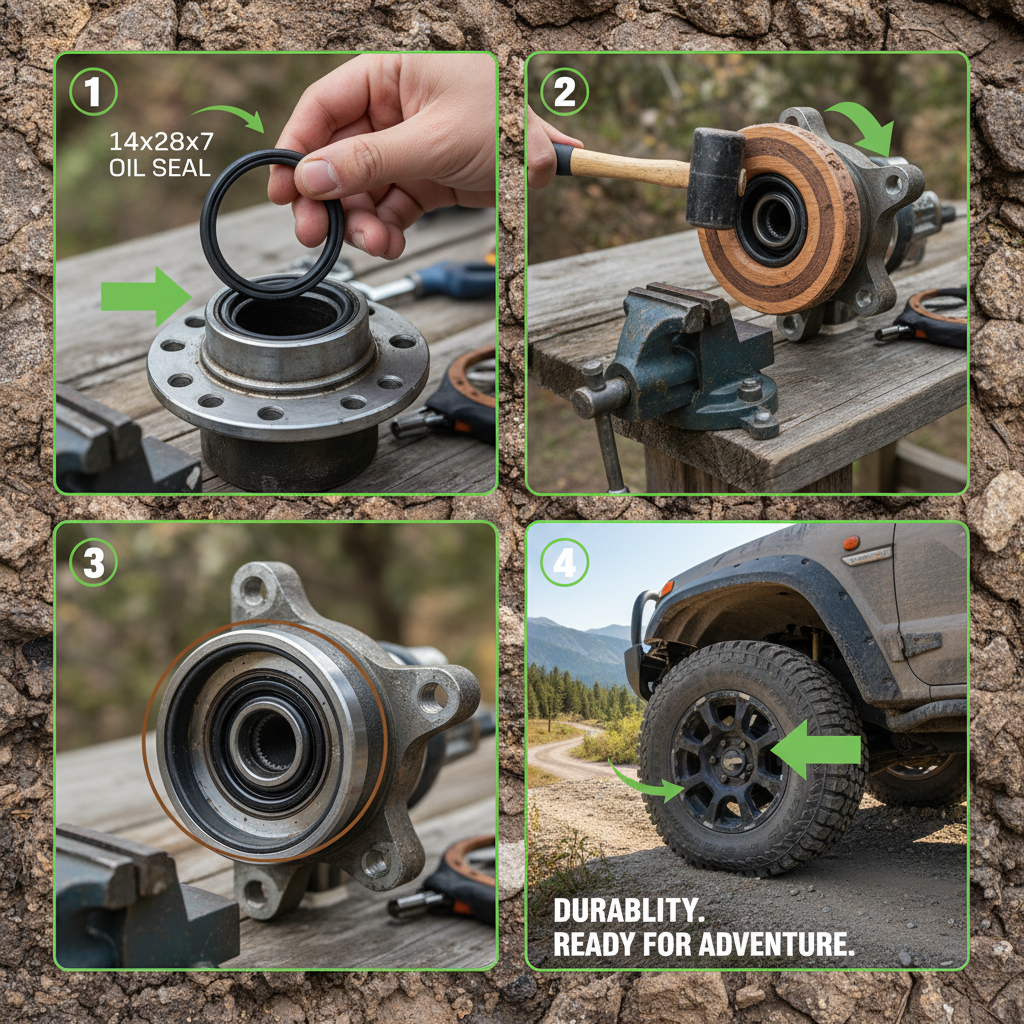
Strangely enough, a lot of engineers don’t think enough about installation. They design a beautiful seal, but then forget that it has to be squeezed, stretched, or twisted into place. That’s where things can go wrong. Improper gland design is a huge problem. Too tight, and you’ll damage the seal during installation. Too loose, and you’ll get leaks. It’s a surprisingly common issue.
Another one? Undersizing the seal. They try to save a few pennies, thinking a slightly smaller seal will do the job. It won’t. It’ll fail prematurely, guaranteed. I encountered this at a pump factory in Jiangsu last time, and they were scrambling to fix it after a major client complained.
And don’t even get me started on dynamic seals. Those are a whole different beast. You've got to consider the speed of rotation, the pressure fluctuations, and the lubrication. It’s a lot to think about, and it's easy to mess up.
Material Deep Dive: It’s Not Just Rubber
It's not just about grabbing whatever's cheapest. You need to think about the application. NBR is great for oil resistance, but it doesn’t handle high temperatures well. Viton is good for high temperatures, but it's expensive. Silicone is good for food-grade applications, but it's not very strong. Each material has its own quirks, and you need to understand them.
I remember smelling the difference between different fluorocarbons. Some smell…clean, almost fruity. Others have a sharp, chemical odor that makes your eyes water. It sounds silly, but you learn to recognize those subtle cues. And honestly, the feel of the material is important too. A good seal should feel firm and resilient, not squishy or brittle. It tells you a lot about its quality.
We’re starting to see more use of advanced materials like FFKM, but those are seriously expensive. You only use them when absolutely necessary. And let’s not forget about the fillers. Carbon black, PTFE, glass fibers… they all affect the seal’s properties. oil seal supplier needs to know this stuff.
Real-World Testing: Beyond the Lab
Lab tests are fine, but they don’t tell the whole story. You need to test seals in the actual operating environment. That means exposing them to the real temperatures, pressures, and fluids they’ll encounter.
We do a lot of field testing. We’ll install seals in equipment and monitor them over time. We’ll check for leaks, wear, and degradation. It’s a pain, but it’s the only way to be sure. A good oil seal supplier will offer to do this, or at least help you set up a testing protocol.
Oil Seal Performance Comparison
How Users Actually Use Seals
This is where it gets interesting. You design a seal for a specific application, but then you go on site and see people using it in ways you never imagined. They’re bending it, stretching it, twisting it… doing all sorts of things that will void the warranty.
I saw a guy once using a seal as a makeshift shim! Can you believe it? They just grab what’s handy, and they don’t always think about the consequences. That's why it’s important to design for robustness, and to provide clear instructions on proper installation and use.
Pros, Cons, and Customization Options
The biggest advantage of a good seal is peace of mind. Knowing that your equipment is protected from leaks, contamination, and failure. It’s a small thing, but it can save you a lot of headaches down the road. The downside? Cost. High-performance seals can be expensive. And sometimes, they’re just overkill for the application.
Customization is key. I had a client who needed a seal for a unique hydraulic cylinder. The standard seals just wouldn’t fit. So, we worked with a oil seal supplier to design a custom seal with the exact dimensions and material properties they needed. It took a little longer, but it solved their problem.
A Customer Story: The Seal Debacle
Last month, that small boss in Shenzhen who makes smart home devices insisted on changing the interface to . Said it was the future. Fine. But then he wanted to use a tiny, custom seal that was just big enough to fit the new connector. It looked good in the drawings, but the tolerances were ridiculously tight.
The result? Production ground to a halt. The seals were getting damaged during assembly, causing leaks and short circuits. They were losing thousands of dollars a day. He finally called me, begging for help. We switched to a slightly larger seal with a more forgiving design, and everything went back to normal. He learned a valuable lesson that day: sometimes, you can’t chase the latest trend at the expense of reliability.
Anyway, I think he's back to Micro USB.
Summary of Key Seal Characteristics
| Seal Material |
Temperature Resistance |
Chemical Compatibility |
Typical Application |
| NBR (Nitrile Butadiene Rubber) |
-40°C to 120°C |
Good resistance to oil and fuels |
Hydraulic and pneumatic systems |
| Viton (FKM) |
-20°C to 200°C |
Excellent resistance to chemicals and high temperatures |
Aerospace, automotive, and chemical processing |
| Silicone (VMQ) |
-60°C to 230°C |
Good for food and medical applications |
Food processing, healthcare, and automotive |
| PTFE (Polytetrafluoroethylene) |
-200°C to 260°C |
Virtually inert to all chemicals |
Chemical processing, aerospace, and medical |
| EPDM (Ethylene Propylene Diene Monomer) |
-50°C to 150°C |
Excellent resistance to weathering and ozone |
Automotive, roofing, and water treatment |
| FFKM (Perfluoroelastomer) |
-20°C to 300°C |
Superior resistance to chemicals and extreme temperatures |
Semiconductor manufacturing, oil and gas, and aerospace |
FAQS
Honestly, it's not thinking about the whole system. They focus on the seal itself, but forget about the gland design, the surface finish, the lubrication… everything has to work together. It's like building a house - you can't just focus on the bricks.
Crucial. Too hard, and it won’t seal properly. Too soft, and it’ll wear out quickly. It depends on the application, but generally, you want a balance between hardness and flexibility. A good oil seal supplier will help you choose the right durometer.
Usually no. Once a seal has been compressed or deformed, it loses its elasticity. Reusing it is a gamble, and it’s usually not worth the risk. Especially for critical applications. Sometimes, if it’s a simple O-ring and it hasn't been damaged, you might get away with it, but don’t count on it.
Keep them in a cool, dry place, away from direct sunlight and ozone. Don’t store them near solvents or chemicals. And don't compress them for extended periods. Ideally, store them in their original packaging. A oil seal supplier can provide specific storage recommendations.
Those can be really helpful. Coatings can improve wear resistance, reduce friction, and enhance chemical compatibility. Surface treatments can improve adhesion and prevent corrosion. It's all about tailoring the seal to the specific application.
Nope. Absolutely not. Every application is different. You need to consider the fluid, the temperature, the pressure, the speed, the environment… everything. There’s no shortcut. That’s why finding a knowledgeable oil seal supplier is so important.
Conclusion
Ultimately, a seal's success isn't about fancy materials or complex designs. It's about understanding the application, choosing the right material, and ensuring proper installation. It's a seemingly small component, but it can make or break an entire system. We’ve talked about materials, testing, customization, and the importance of a good supplier.
But here’s the thing: all the engineering in the world doesn't matter if the worker on the line doesn't understand what he's doing. Ultimately, whether this thing works or not, the worker will know the moment he tightens the screw. And if it leaks, well…you know you’ve got a problem.