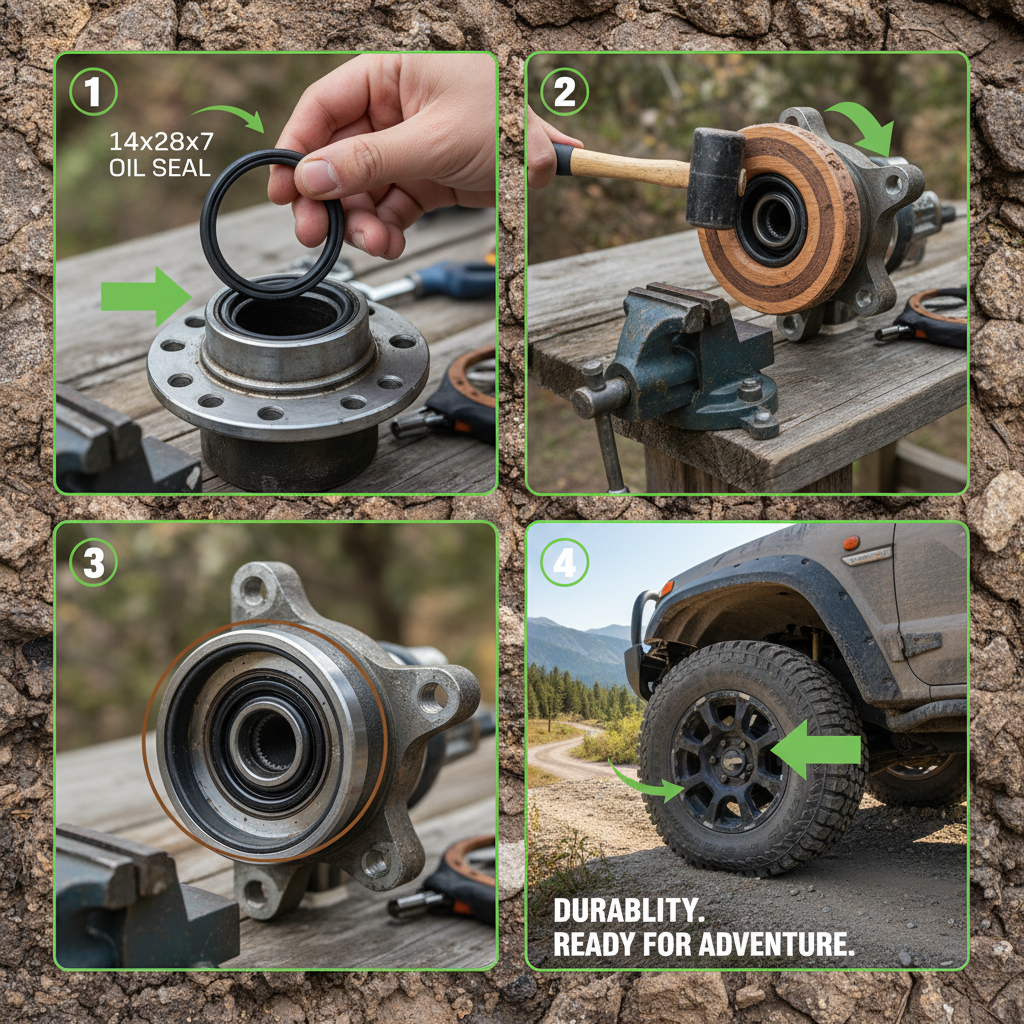
Look, I’ve spent the last fifteen years knee-deep in concrete dust and grease, watching things get built – and break. And let me tell you, a seemingly small component like a 14x28x7 oil seal can be the difference between a project running smoothly and a complete shutdown. It’s not glamorous, but without reliable seals, everything else – the hydraulics, the pumps, the whole operation – grinds to a halt. We’re talking about serious downtime, costly repairs, and frankly, safety concerns if things fail catastrophically. A quality 14x28x7 oil seal isn’t just a part; it’s a foundational piece of keeping projects on schedule and people safe.
What you might not realize is how ubiquitous these things are. From excavators digging foundations to the generators powering job sites, you’ll find 14x28x7 oil seals in critical applications. The demand for dependable performance is huge, and frankly, the supply chain can be a headache. We’ve seen delays due to material shortages and quality control issues with cheaper imports. That’s why understanding the different materials, tolerances, and certifications available isn’t just for the engineers; it's for anyone responsible for keeping a project moving.
Honestly, a lot of folks overlook the importance of preventative maintenance, focusing solely on fixing things after they break. A proactive approach—regular inspection and replacement of seals like the 14x28x7—can save a fortune in the long run. We’ve seen entire crews sidelined because a worn-out seal led to a hydraulic failure. It’s about more than just the cost of the seal itself; it's the cost of lost productivity and potential rework.
The Vital Role of 14x28x7 Oil Seals in Modern Construction
Let's be clear: construction isn’t a clean business. Dust, debris, extreme temperatures – it all takes a toll on equipment. A 14x28x7 oil seal, in its simplicity, is a frontline defender against this relentless assault. Without it, hydraulic systems bleed fluid, bearings overheat, and critical machinery seizes. We’ve seen entire projects delayed by something as basic as a failed seal in a concrete pump. It’s a small part with a massive impact.
The global construction industry is a multi-trillion-dollar market, and maintaining operational efficiency is paramount. According to the UN, global infrastructure investment needs are in the tens of trillions. Every single one of those projects relies on functioning equipment, and functioning equipment relies on dependable seals. It’s a non-negotiable part of the equation.
Global Demand and Supply Chain Dynamics for 14x28x7 Oil Seals
The demand for 14x28x7 oil seals is directly tied to construction activity worldwide. Emerging markets, particularly in Asia and Africa, are experiencing rapid infrastructure development, driving significant demand. However, the supply chain has been…challenging, to say the least. We've seen bottlenecks due to raw material shortages – particularly with rubber compounds and specialized metals – and increased shipping costs.
ISO standards play a crucial role in ensuring quality and consistency, but even with certifications, we’ve encountered discrepancies. It’s not enough to just see a stamp; you need to know the manufacturer’s quality control processes and their commitment to maintaining tolerances. I've walked away from suppliers who couldn't answer basic questions about their materials and testing procedures.
This volatility highlights the importance of building strong relationships with reputable suppliers, diversifying your sourcing, and maintaining a strategic inventory of critical components like the 14x28x7 oil seal. It’s about mitigating risk and ensuring business continuity.
Defining the 14x28x7 Oil Seal: Specifications and Applications
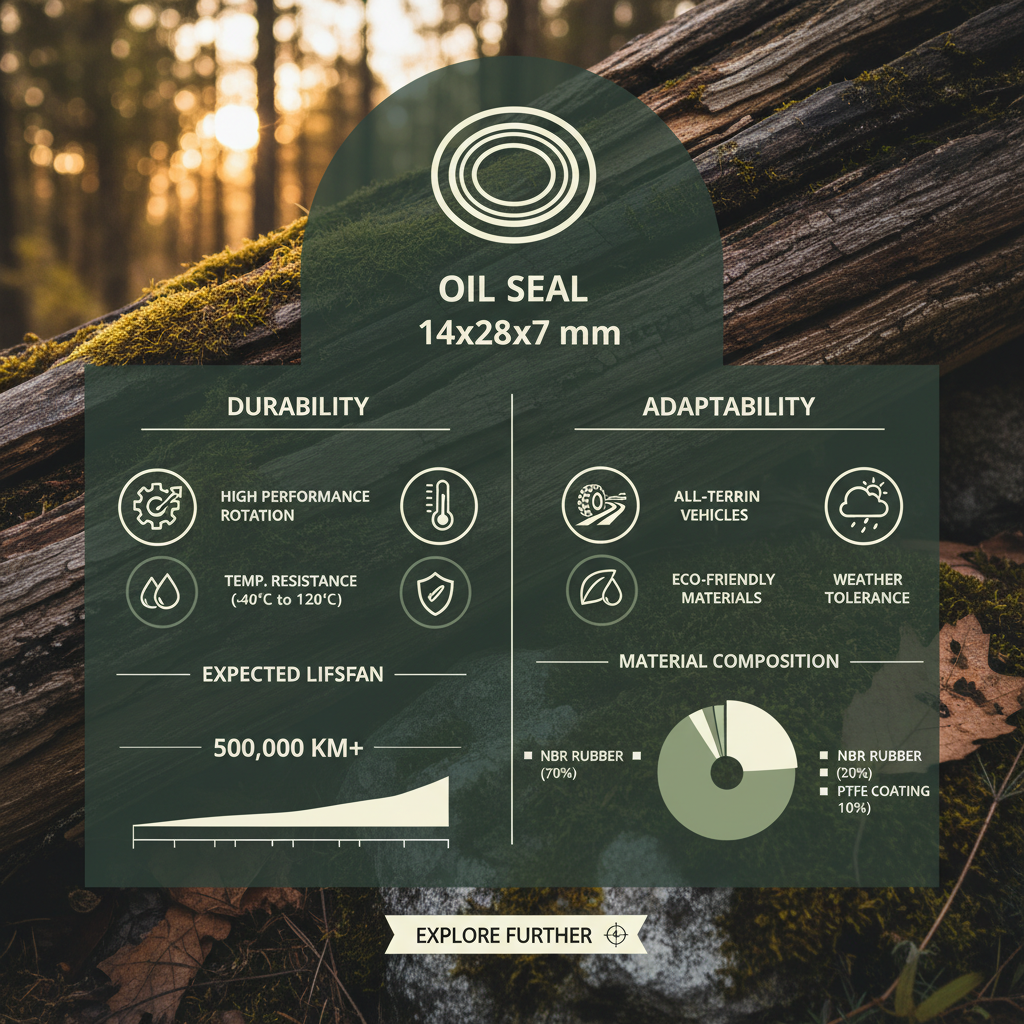
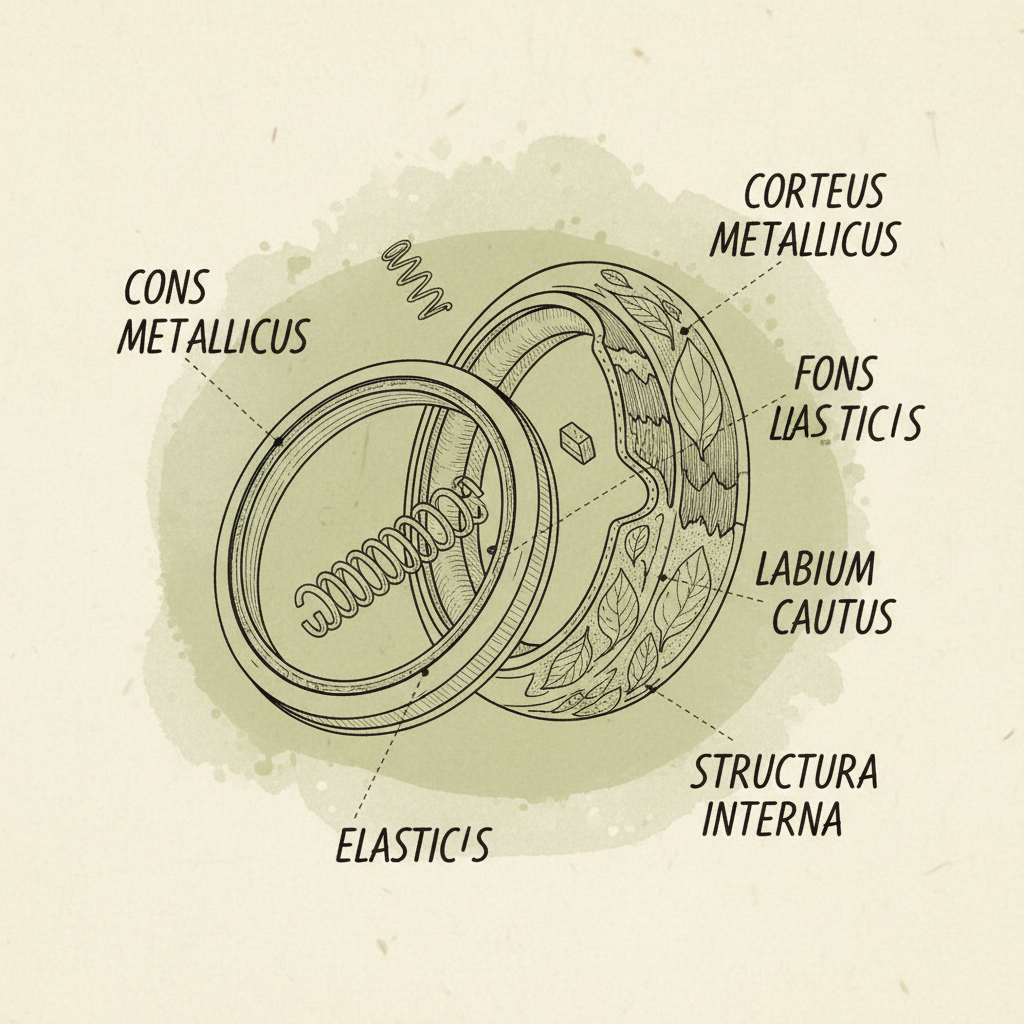
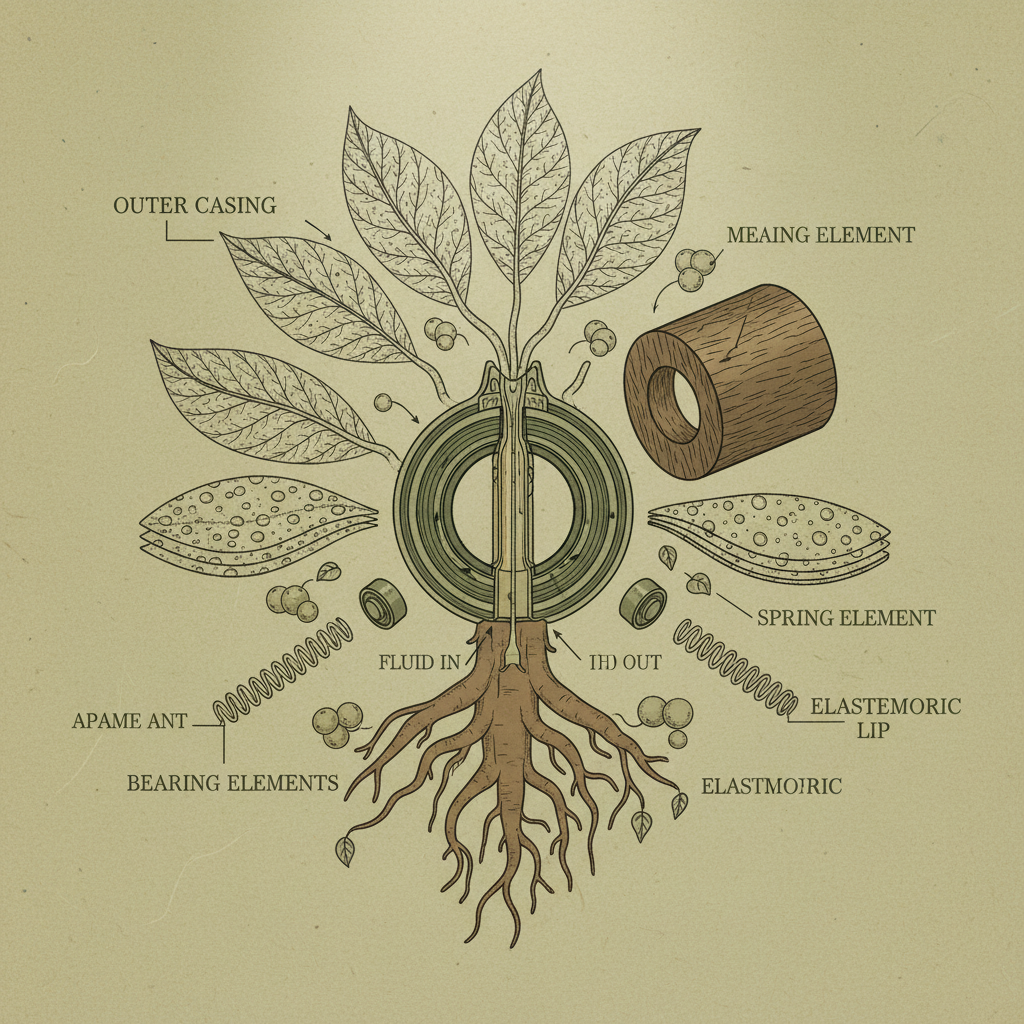
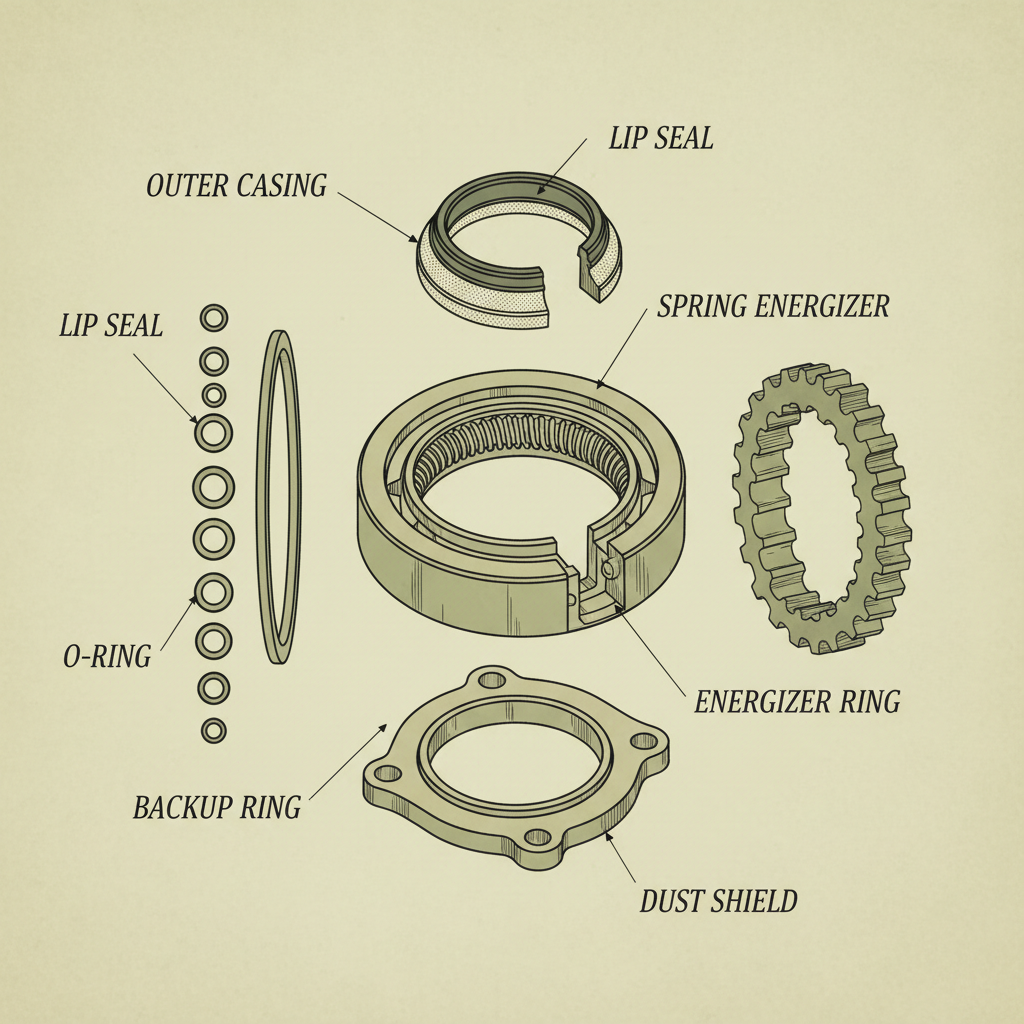
Simply put, a 14x28x7 oil seal is a mechanical component designed to prevent leakage of fluids – typically oil or grease – from rotating or reciprocating machinery. The “14x28x7” refers to its dimensions: 14mm internal diameter, 28mm outer diameter, and 7mm width. These dimensions are critical; using the wrong size will lead to failure, plain and simple.
Its connection to modern industry is undeniable. It’s found in everything from heavy-duty construction equipment – excavators, bulldozers, loaders – to industrial pumps, gearboxes, and even automotive applications. These seals are a critical part of keeping these machines functioning reliably and efficiently. Without them, you’d have widespread mechanical failures and significant environmental risks from oil spills.
The materials used in a 14x28x7 oil seal vary depending on the application. Common materials include nitrile rubber (NBR) for general-purpose applications, Viton (FKM) for high-temperature and chemical resistance, and silicone for extreme temperature ranges. The choice of material is crucial for ensuring compatibility with the fluid being sealed and the operating conditions.
Key Performance Factors of a 14x28x7 Oil Seal
When evaluating a 14x28x7 oil seal, there are several key factors to consider. First is Material Compatibility: The seal material must be compatible with the fluid it’s sealing and the surrounding environment. Using the wrong material leads to swelling, cracking, and premature failure. Then there’s Dimensional Accuracy: Those 14x28x7 dimensions aren't suggestions; they're precise specifications. Even slight deviations can cause leaks.
Next, Hardness (Durometer) is critical. A seal that's too soft won't provide adequate sealing force, while one that’s too hard can damage the shaft. And let’s not forget Temperature Resistance. Can the seal withstand the operating temperatures without degrading? Finally, Wear Resistance is crucial, particularly in abrasive environments. A seal that wears quickly will need frequent replacement, increasing downtime and costs.
14x28x7 Oil Seal Performance Metrics
Real-World Applications of the 14x28x7 Oil Seal Across Industries
You’ll find these seals in heavy equipment like excavators, backhoes, and loaders, keeping hydraulic systems functioning smoothly. But it doesn’t stop there. They’re critical in agricultural machinery – tractors, harvesters, sprayers – protecting gearboxes and pumps. Even in manufacturing plants, they’re used in conveyor systems, power transmission units, and various industrial pumps.
In remote mining operations, reliable seals are essential, as downtime can be incredibly costly. We’ve seen projects in Australia and Chile where a consistent supply of high-quality 14x28x7 oil seals was a key factor in maintaining production targets. And in the energy sector, they’re used in wind turbines and other renewable energy equipment, ensuring long-term reliability.
The Long-Term Value and Cost-Effectiveness of High-Quality Seals
Look, the cheapest seal isn't always the best value. A low-quality 14x28x7 oil seal might save you a few bucks upfront, but it’s likely to fail prematurely, leading to downtime, repairs, and potentially catastrophic damage. Investing in a high-quality seal with the correct materials and tolerances pays dividends in the long run.
The sustainability aspect is also important. A longer-lasting seal reduces waste and the need for frequent replacements, minimizing your environmental footprint. And the peace of mind knowing your equipment is reliable and safe is invaluable. It’s about building trust and protecting your investment.
A proactive maintenance schedule, centered around high-quality seals, contributes directly to operational efficiency, reduced lifecycle costs, and improved safety. That’s a winning combination.
Future Trends and Innovations in Oil Seal Technology
We're seeing advancements in materials science, with new polymers and coatings offering improved resistance to wear, temperature extremes, and chemical attack. There’s also a growing focus on smart seals – seals with integrated sensors that can monitor performance and predict failures. This is a game-changer for preventative maintenance.
Digital twin technology, where a virtual replica of a machine is used for simulations and analysis, is also playing a role. This allows engineers to optimize seal designs and predict performance under various conditions. And, of course, the trend towards automation and remote monitoring is driving the demand for more reliable and durable seals.
The future of 14x28x7 oil seals—and seal technology in general—is about integrating intelligence, improving material performance, and building more resilient and sustainable systems. It’s not just about stopping leaks; it’s about maximizing efficiency and minimizing downtime.
Key Factors to Consider When Selecting a 14x28x7 Oil Seal
| Application Type |
Material Composition |
Operating Temperature Range |
Expected Lifespan (Months) |
| Hydraulic Excavator |
Nitrile Rubber (NBR) |
-20°C to 120°C |
6-12 |
| Industrial Pump (Chemical) |
Viton (FKM) |
-20°C to 200°C |
9-18 |
| High-Speed Gearbox |
Polyurethane |
-30°C to 150°C |
12-24 |
| Agricultural Tractor (Outdoor) |
Silicone Rubber |
-60°C to 230°C |
4-8 |
| Wind Turbine Gearbox |
PTFE Compound |
-40°C to 260°C |
24-36 |
| Hydraulic Press |
Hydrogenated Nitrile Butadiene Rubber (HNBR) |
-30°C to 150°C |
8-16 |
FAQS
The lifespan varies depending on operating conditions, but generally, a 14x28x7 oil seal in a hydraulic excavator will last between 6 and 12 months with regular use. Factors like contamination, temperature extremes, and the type of hydraulic fluid used significantly impact longevity. We recommend preventative maintenance including regular inspections and fluid analysis to maximize seal life. Ignoring small leaks can lead to catastrophic failures and costly downtime.
For high-temperature applications, Viton (FKM) is generally the best choice for a 14x28x7 oil seal. Viton offers excellent resistance to heat, chemicals, and oils, maintaining its sealing properties at temperatures up to 200°C. Silicone is another option for even higher temperatures, but it may not offer the same level of chemical resistance. Always verify material compatibility with the specific fluid being sealed.
Common signs of a failing 14x28x7 oil seal include visible oil leaks, reduced hydraulic pressure, slower equipment operation, and unusual noises. It's crucial to address these signs promptly, as a failing seal can lead to further damage to the hydraulic system. Regularly inspect seals during preventative maintenance and replace them at the first sign of wear or leakage.
Absolutely. While the dimensions may be the same, the quality of materials, manufacturing processes, and quality control standards vary significantly between brands. Cheaper seals may use inferior materials or have poor dimensional accuracy, leading to premature failure. Investing in a reputable brand with proven quality control is essential for long-term reliability and reduced downtime.
PTFE (Polytetrafluoroethylene) coatings reduce friction and wear, extending the life of the seal and improving its performance, especially in high-speed or abrasive environments. These coatings also provide better chemical resistance and lower permeability, minimizing leakage. While more expensive upfront, PTFE-coated seals often offer a lower total cost of ownership due to their increased durability.
No, absolutely not! Using an incorrectly sized seal will almost certainly lead to failure. The dimensions are critical for proper sealing performance. If a 14x28x7 seal isn’t readily available, it’s best to wait for the correct size. Attempting to use a substitute can cause damage to the equipment and create a safety hazard. We always recommend keeping a stock of critical sizes on hand.
Conclusion
We’ve covered a lot here, but the core message is simple: the 14x28x7 oil seal, despite its small size, is a critical component in a vast range of industries. Understanding its specifications, performance factors, and the importance of quality can save you significant time, money, and headaches. Proactive maintenance, combined with the right seal for the job, is the key to maximizing equipment uptime and ensuring operational efficiency.
Looking ahead, advancements in materials and smart seal technology will continue to improve performance and reliability. By staying informed about these trends and prioritizing preventative maintenance, you can safeguard your operations and build a more sustainable future. If you're looking for dependable 14x28x7 oil seals and expert advice, visit our website: www.hkaiseal.com