To be honest, this hydraulic oil seal business… it’s been a year. A year of dust, concrete, and engineers arguing over tolerances. You wouldn’t believe the things I’ve seen. It feels like everyone's chasing the same thing now – longer life, better resistance to these new synthetic hydraulic fluids, and, of course, lower cost. Everyone wants a miracle, right?
Have you noticed how quickly everything’s moving towards electric hydraulics? It's shifting the game. Used to be, you just worried about heat build-up from the pump. Now you’ve got pulse widths, energy efficiency, and a whole different set of demands on these seals. It's…different. And the bigger machines, the ones building the infrastructure for all this “smart city” stuff? They're brutal on seals.
I've spent so long on construction sites these days, it’s almost like I'm building the thing with my hands. You start to feel it, you know? Not just the specs on a datasheet. The feel of a good seal.
Industry Trends & Design Pitfalls
Strangely, everyone is obsessed with miniaturization these days. Smaller seals, tighter clearances… Sounds good on paper, but it’s a nightmare for manufacturing. I was at a factory in Ningbo last time, and they were having serious issues with injection molding these tiny little lip seals. The flash was killing them. It’s like they’re forgetting that someone actually has to make this stuff.
And the designs! People love complicated geometries thinking it’ll somehow improve performance. It almost never does. It just makes it more expensive and harder to inspect. Keep it simple, folks. Simple works.
Material Choices & On-Site Handling
We're seeing a huge push for eco-friendly materials, which is great. But the bio-based polyurethanes… honestly? They just don’t hold up like the traditional stuff, especially in high-temperature applications. You get swelling, softening... it’s a mess. Nitrile rubber (NBR) is still the workhorse, though. Smells terrible, gets sticky when it's old, but it's reliable.
Then you've got PTFE – Teflon. Fantastic chemical resistance, super low friction, but it’s brittle. Handle it wrong, and it’ll crack before you even get it installed. You gotta be gentle with that stuff. And don't even get me started on the different hardness levels. Durometer is king, but it's the feel that tells you the real story.
The fluoroelastomers (FKM), those are premium. Good heat resistance, good chemical resistance, but expensive. You really only need them when the application demands it. The smell of the raw FKM, it's pretty pungent.
Real-World Testing & Validation
Lab tests are fine, I guess. But they don’t tell you everything. I've seen seals pass all the lab tests and still fail spectacularly in the field. You need to test them under real conditions. High vibration, extreme temperatures, contamination...
We started running field tests with a local mining company. They beat the heck out of their equipment. We’d install seals, let them run for a month, then pull them apart and inspect them. Brutal, but it’s the only way to really know what’s going to happen.
And pressure testing? Forget just holding the pressure. You need to cycle the pressure, apply shock loads, and see how it behaves. That’s where you find the weaknesses.
Application Insights & User Behavior
It's funny, you design these seals for a specific application, but users always find a way to use them differently. I encountered this at a valve manufacturer – they were using a standard lip seal in a high-speed rotating application. I told them it wouldn't work, but they insisted. Guess what? It didn’t.
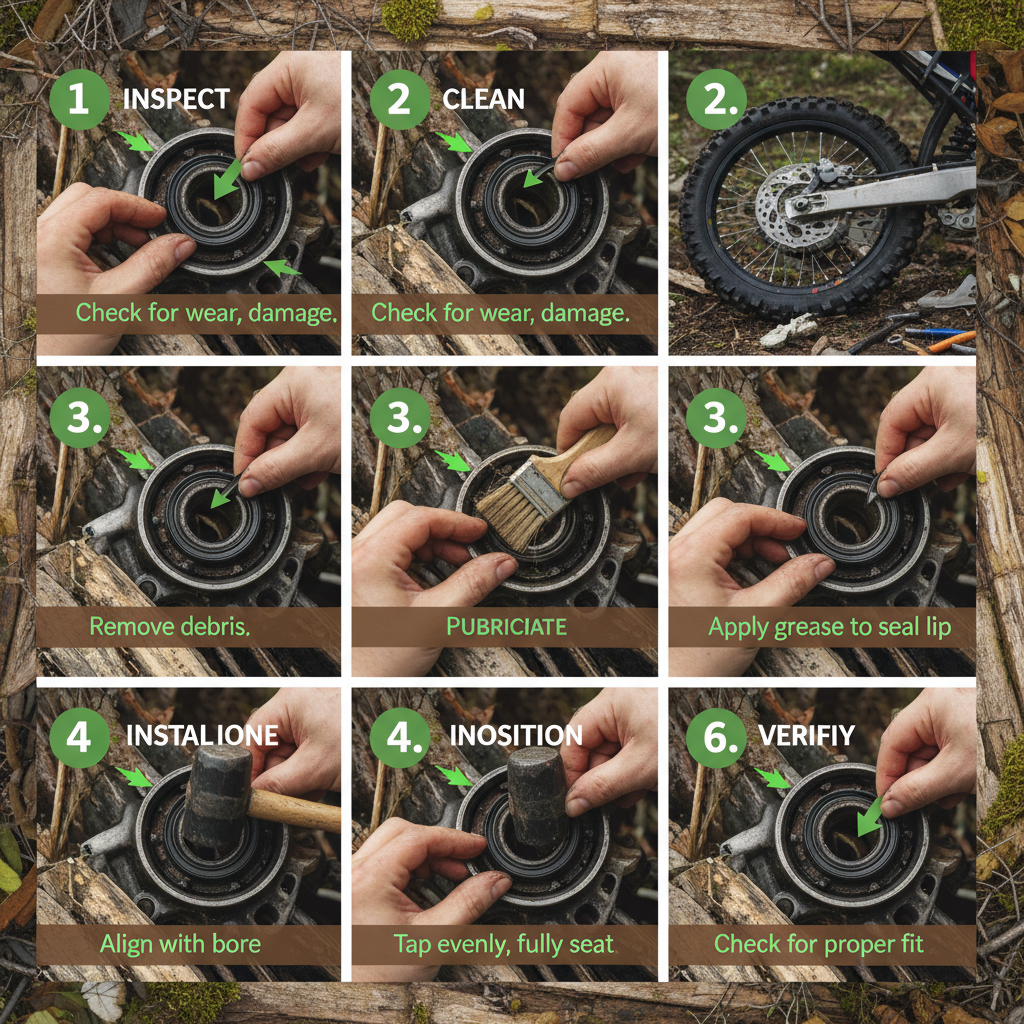
And the installation! People just slap them in there sometimes, using whatever tools are handy. Proper installation is critical. Rounded edges, lubrication… it all matters. We've started including more detailed installation instructions, with diagrams and even QR codes linking to videos.
They're always squeezing them, stretching them, using screwdrivers as levers… I’ve seen it all.
hydraulic oil seal Performance Metrics
Advantages, Disadvantages & Customization
The advantage of a good hydraulic oil seal is simple: it prevents leaks. Obvious, right? But a leaking seal can cause downtime, damage equipment, and create safety hazards. A good seal keeps things running smoothly.
The disadvantages? Well, they can be expensive, especially the high-performance ones. And they're often a wear item, meaning they need to be replaced periodically. It's a trade-off.
Customization is definitely possible. Last year, a client needed a seal with a special coating to resist a particularly aggressive chemical. It was a small run, but we were able to work with them to develop a solution. It’s all about understanding the specific application and being willing to go the extra mile. Anyway, I think that’s the key.
A Customer Story from Shenzhen
Last month, that small boss in Shenzhen who makes smart home devices insisted on changing the interface to . He was convinced it would make his product look more modern. He wanted us to redesign the seal around the new connector, and he wanted it done yesterday. We explained that the new connector had a tighter tolerance, and it would require a more precise seal. He didn't listen.
He went ahead and ordered the seals with the new design. A week later, he called us, furious. The seals were leaking. Turns out, the new connector wasn't as precisely manufactured as he thought. The tolerances were all over the place. He ended up having to scrap a whole batch of products.
It was a painful lesson for him, and a reminder that sometimes, the simplest solution is the best.
Performance Parameters Comparison
You know, everyone wants to see numbers, charts, graphs... but sometimes, it boils down to gut feel. Still, we keep track of the important stuff.
We measure everything – tensile strength, elongation, hardness, compression set, fluid resistance… The usual suspects. But the real test is how it performs in the field.
Here's a quick snapshot of how different materials stack up. It's a rough guide, mind you. Conditions vary wildly.
Summary of Key Seal Performance Parameters
| Material Type |
Temperature Resistance (°C) |
Chemical Compatibility |
Cost (Relative) |
| NBR |
-40 to 120 |
Good for petroleum-based fluids |
Low |
| Silicone |
-60 to 200 |
Poor for petroleum-based fluids |
Medium |
| FKM |
-20 to 250 |
Excellent for most chemicals |
High |
| PTFE |
-200 to 260 |
Excellent for all chemicals |
Medium-High |
| EPDM |
-50 to 150 |
Good for water and steam |
Low-Medium |
| Polyurethane |
-30 to 100 |
Good abrasion resistance |
Medium |
FAQS
Honestly, it’s not considering the fluid compatibility. You can have the perfect seal for temperature and pressure, but if it’s not compatible with the hydraulic fluid, it'll swell up and fail. I’ve seen it too many times. Always double-check the fluid type and choose a material that’s rated for it. It seems obvious, but it happens.
Critical! A rough surface will tear up the seal during installation and operation. You need a smooth, properly sized bore. We recommend a Ra of 3.2 micrometers or less. It's a pain to get right, but it's worth it. Scratches and burrs are the enemy.
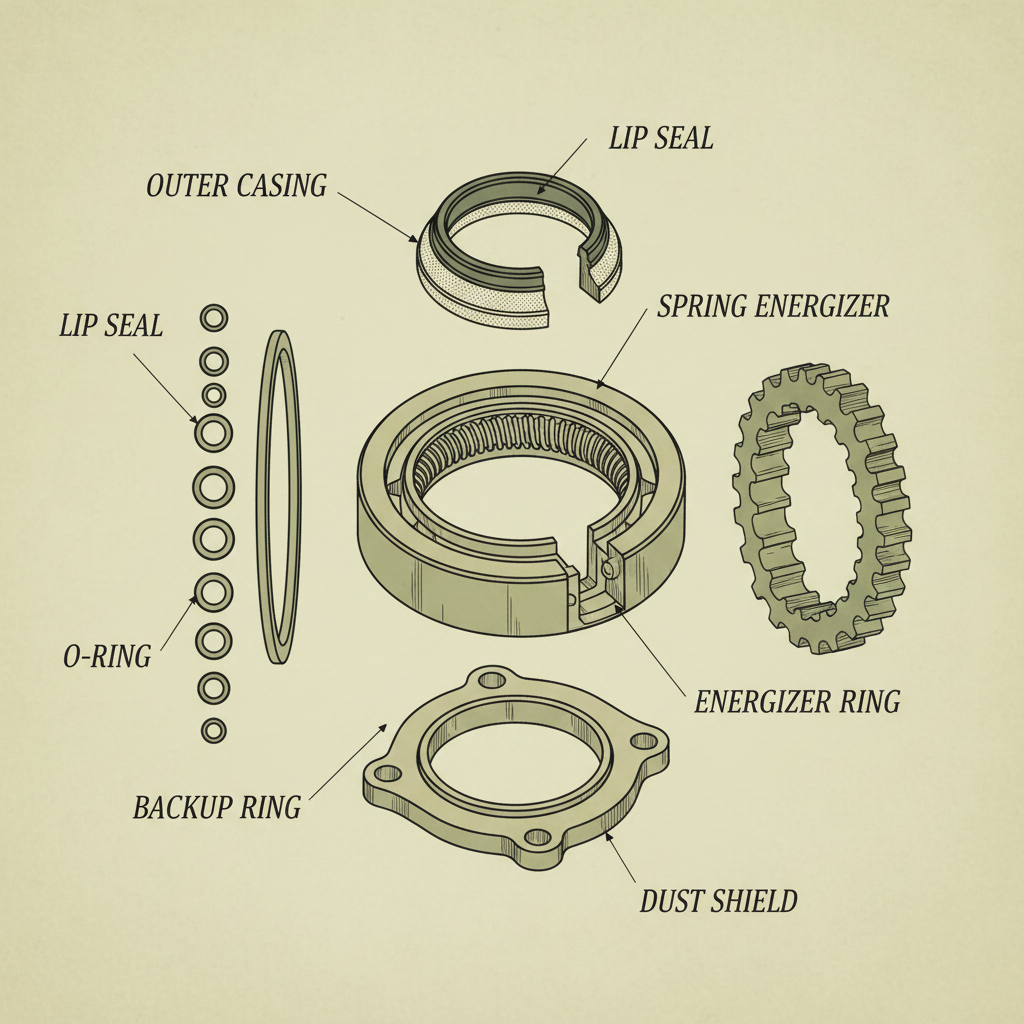
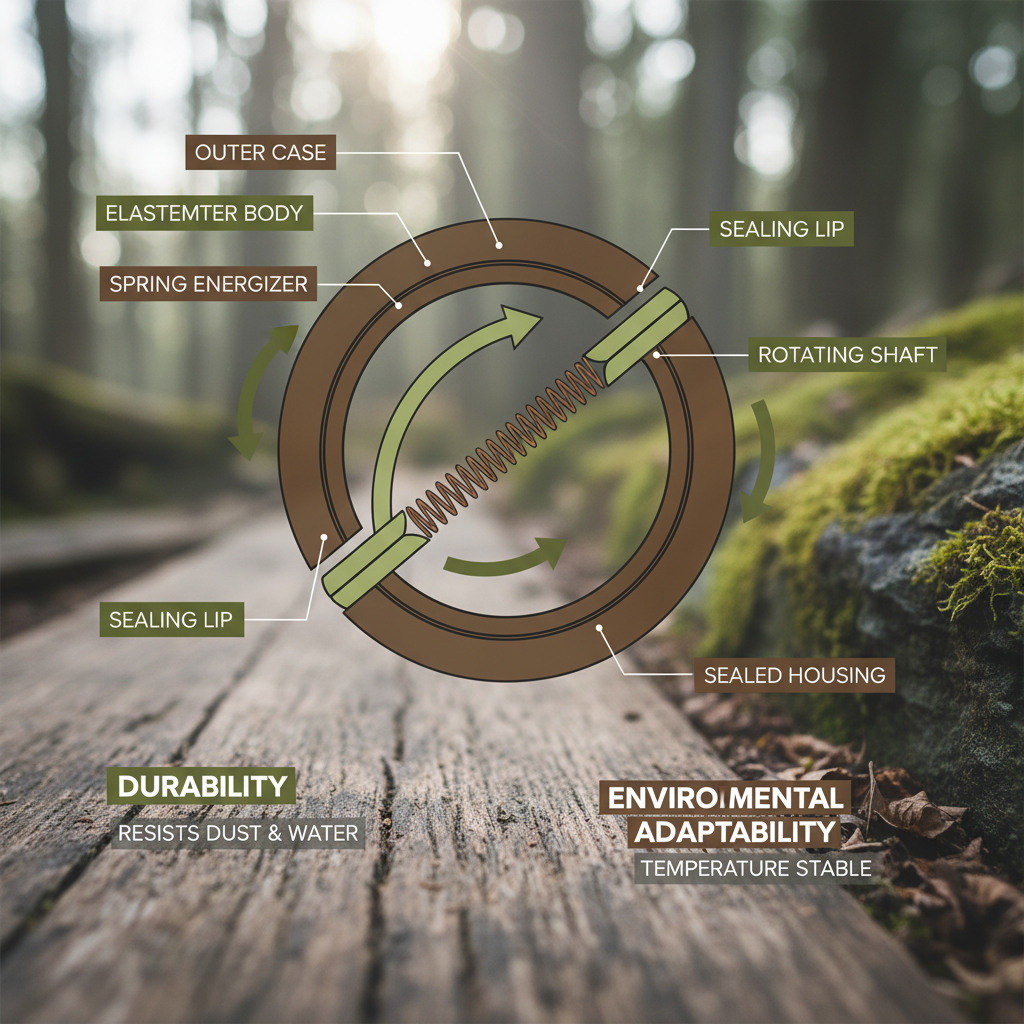
Good question. An O-ring is a simple circular seal, good for static applications. A lip seal has a rubber lip that contacts the shaft, providing a better seal at higher speeds and pressures. Lip seals are more complex and expensive, but they offer better performance in dynamic applications.
Use a compatible lubricant! Don’t just grab whatever’s handy. Petroleum-based lubricants are generally good for NBR and silicone seals, while synthetic lubricants are better for FKM. Apply a thin, even coat to the sealing lip. Don't overdo it – too much lubricant can attract dirt and debris.
There's a lot of research going into graphene-enhanced elastomers. Supposedly, they offer improved wear resistance and lower friction. It’s still early days, and they’re expensive, but I think we’ll see more of them in the future. They also seem to be working on self-healing polymers, which could be a game-changer.
Start with the obvious: check all the connections, hoses, and fittings. If that doesn't work, inspect the seals. Look for cracks, swelling, or wear. A UV dye can help pinpoint the source of the leak. Don’t forget to check the pump and valve seals too. Sometimes it’s not the seal itself, but the surrounding components.
Conclusion
So, hydraulic oil seals… they’re not glamorous. But they’re essential. They keep the machines running, prevent downtime, and ensure safety. It’s a surprisingly complex field, with a lot of nuances. Understanding the materials, the applications, and the installation procedures is critical.
Ultimately, whether this thing works or not, the worker will know the moment he tightens the screw. You can have all the fancy engineering and testing in the world, but it all comes down to real-world performance. That's what I've learned after a year on the ground.