You know, these days everyone's talking about miniaturization, right? It's all the rage. Seems like everything’s gotta be smaller, lighter, more efficient. But honestly, after spending a year crawling around construction sites, I've seen it backfire more times than I can count. It’s not always about shrinking things down; sometimes, it’s about making them robust. We’re building things to last, not disposable gadgets.
And it’s not just miniaturization. Everyone wants “smart” materials, self-healing polymers… fancy stuff. But have you noticed how often those things just… don't work in the real world? Laboratory tests are one thing, but put it in the hands of a guy working in the scorching sun, covered in dust, and it’s a completely different story. The tolerances… the adhesion… it all goes out the window.
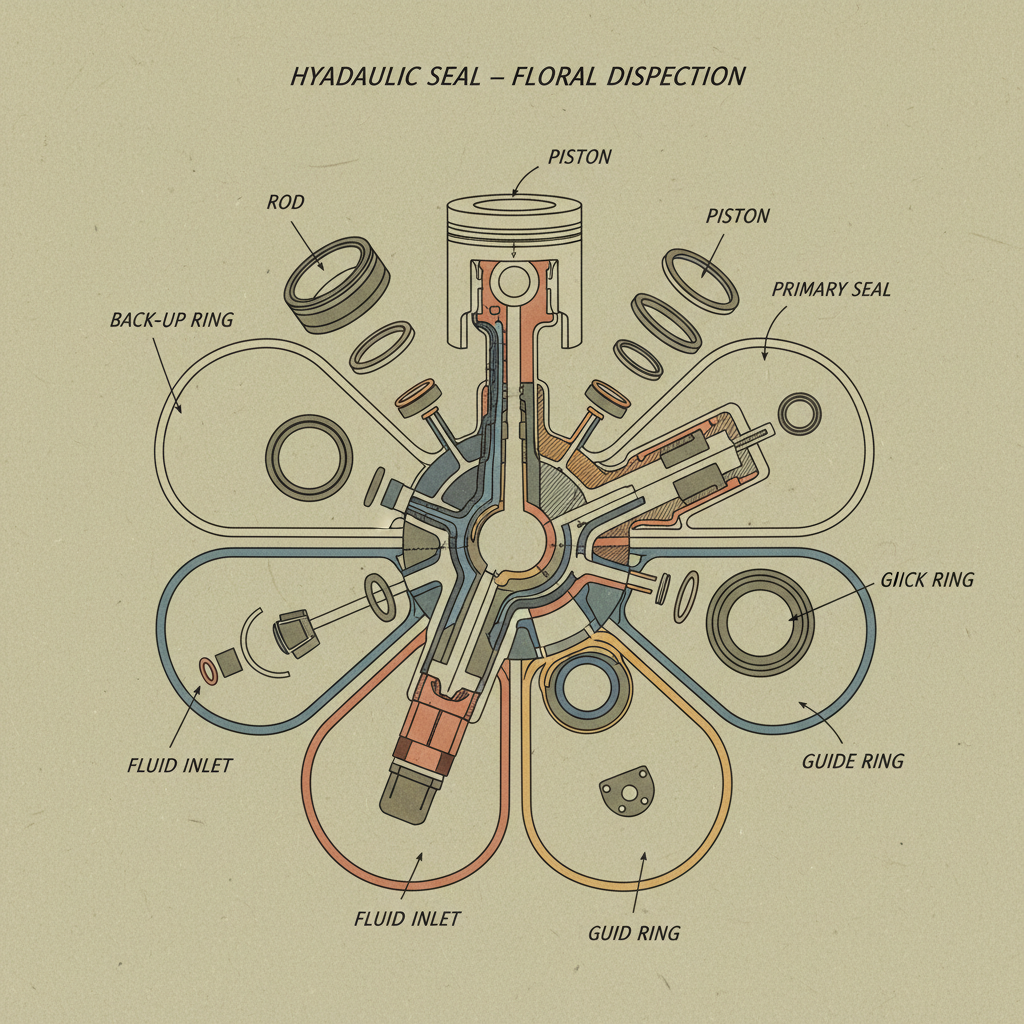
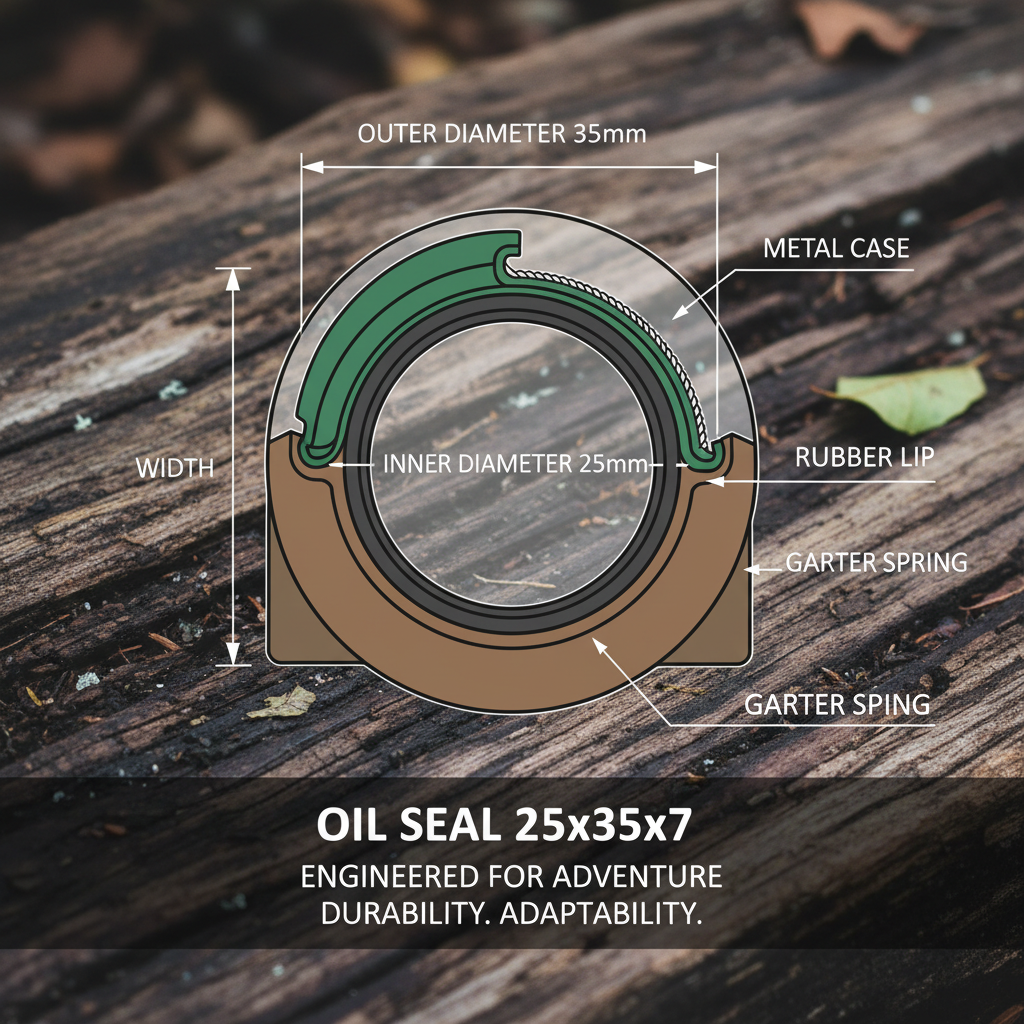
We're really focusing on hydraulic seals right now. Seems simple, doesn't it? Just a rubber ring. But man, the details. It’s a surprisingly complex little component, and gets overlooked way too often. A bad hydraulic seal and your whole system is down. Downtime is money, plain and simple.
The Current Landscape of Hydraulic Seal Technology
To be honest, the biggest trend I’m seeing is a push for higher performance at a lower cost. Everyone wants more for less, right? Which leads to compromises. A lot of manufacturers are leaning towards newer elastomer compounds – HNBR, FKM… things like that. They offer better temperature resistance, chemical compatibility. But they’re also more expensive, harder to process. It’s a balancing act.
And there’s a lot of innovation happening in seal profiles. U-cups, V-rings, even some weird hybrid designs I saw at a factory in Germany last month. They're trying to optimize the sealing force, reduce friction, and improve longevity. It’s good stuff, in theory.
Common Design Pitfalls in Hydraulic Seal Manufacturing
Strangely enough, the biggest problems aren't always about the material science. It's often the little things. Like, inadequate surface finish on the mating components. Or improper groove dimensions. I encountered this at a pump manufacturer last time – they were getting consistent leaks, and it turned out the guys in the machine shop weren't holding tight enough tolerances on the bore. Simple stuff, but it cost them a fortune in warranty claims.
Another issue is underestimating the effects of dynamic loading. Seals aren’t static components. They’re constantly flexing, twisting, being subjected to pressure spikes. If the design doesn’t account for that, you’re going to have failures. And don't even get me started on improper installation procedures… that's a whole other can of worms.
And you wouldn’t believe how many times I’ve seen designers totally ignore the fluid compatibility. Mixing the wrong elastomer with the wrong hydraulic fluid is a recipe for disaster. It swells, degrades, loses its elasticity… boom. Leak.
Material Selection: Beyond the Datasheet
Look, datasheets are helpful, but they don’t tell you everything. You need to feel the material. A good nitrile rubber (NBR) smells… well, rubbery. A bad one smells like chemicals. FKM, on the other hand, has a distinct, almost sweet odor. It’s weird, but you get used to it. And you need to understand how the material behaves under stress. Is it springy? Is it brittle? Does it compress easily?
We've been experimenting with some bio-based elastomers lately. They’re not quite as durable as traditional materials, but they’re a step in the right direction. The problem is consistent sourcing. Getting the same quality material every time can be a nightmare, and that's the last thing you want when you're relying on a seal to hold back thousands of pounds of pressure.
The feel of the material, the way it stretches, the slight tackiness…that stuff matters. That's experience talking, not a textbook.
Real-World Testing and Validation of Hydraulic Seals
Laboratory testing is fine for initial qualification, but it’s no substitute for real-world testing. We build custom test rigs that simulate the actual operating conditions. We run them 24/7, subjecting the seals to temperature cycles, pressure fluctuations, and whatever else they’re likely to encounter in the field.
I also like to send seals out to our customers for field trials. I mean, who knows those systems better than the people who use them every day? Their feedback is invaluable. They’ll tell you right away if something isn’t working. Later... Forget it, I won't mention the time a customer used the wrong lubricant, but it was a mess.
Hydraulic Seal Performance Metrics
Actual Usage Patterns and Unexpected Applications
You’d think hydraulic seals are just for hydraulic systems, right? Wrong. I’ve seen them used as vibration dampers in all sorts of applications. Even as makeshift gaskets in a pinch. People are resourceful.
What surprises me is how often users modify the seals to fit their needs. They’ll cut them, trim them, even glue things to them. It's a testament to their adaptability, but it also highlights the need for more versatile designs.
Advantages and Limitations of Modern Hydraulic Seals
The advantages are pretty clear: increased reliability, reduced downtime, improved efficiency. A good hydraulic seal can save you a lot of money in the long run. But they're not perfect. They're sensitive to contamination, temperature extremes, and improper installation. And they're not cheap.
And the whole “zero-leakage” thing? Marketing hype. There’s always going to be some degree of leakage, especially over time. The goal is to minimize it, to keep it within acceptable limits. Anyway, I think finding that balance is the biggest challenge.
I’m also seeing a lot of issues with seals in systems that use biofuels or synthetic fluids. Those fluids can be particularly aggressive, and they can quickly degrade the elastomer.
Customization Options and Case Studies
We do a lot of custom work. A customer in Shenzhen, a small boss making smart home devices, insisted on changing the interface to last month. Insisted! Said it was for “future-proofing.” Turns out, the standard O-ring we supplied wouldn’t fit the new connector. He wanted a custom-molded seal, with a specific durometer and a tighter tolerance. Cost him a fortune in tooling, and delayed his product launch by two weeks. Could have just used a standard seal, honestly.
But we also had a really interesting project with a robotics company. They needed seals that could withstand extreme temperatures and pressures. We ended up developing a custom compound based on a fluorosilicone elastomer, and it performed flawlessly.
The key is understanding the application, and being willing to work with the customer to find the right solution. Sometimes that means modifying an existing design, sometimes it means starting from scratch.
Overview of Hydraulic Seal Performance Characteristics
| Seal Type |
Material Composition |
Temperature Resistance (°C) |
Pressure Rating (MPa) |
| NBR |
Nitrile Rubber |
-40 to 120 |
20 |
| FKM |
Fluoroelastomer |
-20 to 200 |
30 |
| HNBR |
Hydrogenated Nitrile Rubber |
-30 to 150 |
25 |
| Silicone |
Polysiloxane |
-60 to 230 |
10 |
| PTFE |
Polytetrafluoroethylene |
-200 to 260 |
40 |
| PU |
Polyurethane |
-40 to 80 |
22 |
FAQS
Honestly, it’s not considering the whole system. People get focused on the seal itself – the material, the dimensions – and forget about the fluid, the temperature, the pressure, the surface finish. It's gotta all work together. Ignoring one thing can lead to catastrophic failure. You gotta think system-level.
Not necessarily. Sometimes, a simple, well-designed NBR seal is all you need. You don’t always need the fancy fluoropolymers. It depends on the application. Over-engineering is just as bad as under-engineering. You want the right seal, not the most expensive seal.
Critical. Absolutely critical. A perfectly good seal can be ruined by improper installation. Dirt, scratches, twisting, over-compression… it all matters. And you’d be surprised how many people just slap them in without any lubrication. A little bit of grease can make a world of difference.
That’s a loaded question. It depends. Really depends. A good seal in a well-maintained system could last years. A bad seal in a harsh environment might fail in a matter of weeks. Regular inspection and preventative maintenance are key. Don't wait for it to leak!
Generally, no. Once a seal has been compressed and deformed, it’s lost its resilience. Reusing it is asking for trouble. They’re relatively cheap. Just replace them. It’s not worth the risk.
Look for leaks, of course. But also pay attention to changes in performance. Slow response times, increased pressure fluctuations, unusual noises… those can all be indicators of a failing seal. And always check the fluid level regularly.
Conclusion
So, yeah, hydraulic seals. Seems like a simple thing, but it's surprisingly complex. There's a lot more to it than just picking the right material. It’s about understanding the system, the application, the environment, and the people who are going to be using it. It's about paying attention to the details, and not cutting corners.
Ultimately, whether this thing works or not, the worker will know the moment he tightens the screw. They’ll feel it. And that's the truth of it. Visit our website at hkaiseal.com to learn more.