The 25x35x7 oil seal is a crucial component in a vast array of mechanical systems, playing a vital role in preventing leakage and ensuring efficient operation. From automotive engines to hydraulic machinery, its compact size belies its significant impact on performance and longevity. Understanding the intricacies of this seemingly simple component is paramount for engineers, technicians, and anyone involved in maintaining modern industrial equipment.
Globally, the demand for reliable sealing solutions like the 25x35x7 oil seal is consistently high, driven by increasing industrialization and the need for durable, long-lasting machinery. Manufacturing hubs in Asia, Europe, and North America all rely heavily on these seals, representing a multi-billion dollar market. The efficiency and reliability offered by a quality 25x35x7 oil seal directly contribute to reduced downtime, lower maintenance costs, and enhanced operational productivity.
The importance of the 25x35x7 oil seal extends beyond mere functionality; it represents a commitment to safety, environmental responsibility, and economic viability. Proper sealing minimizes fluid loss, preventing potential hazards and environmental contamination, while optimized performance contributes to energy savings and resource conservation. It's a small part with a big impact on a sustainable future.
Introduction to 25x35x7 Oil Seals
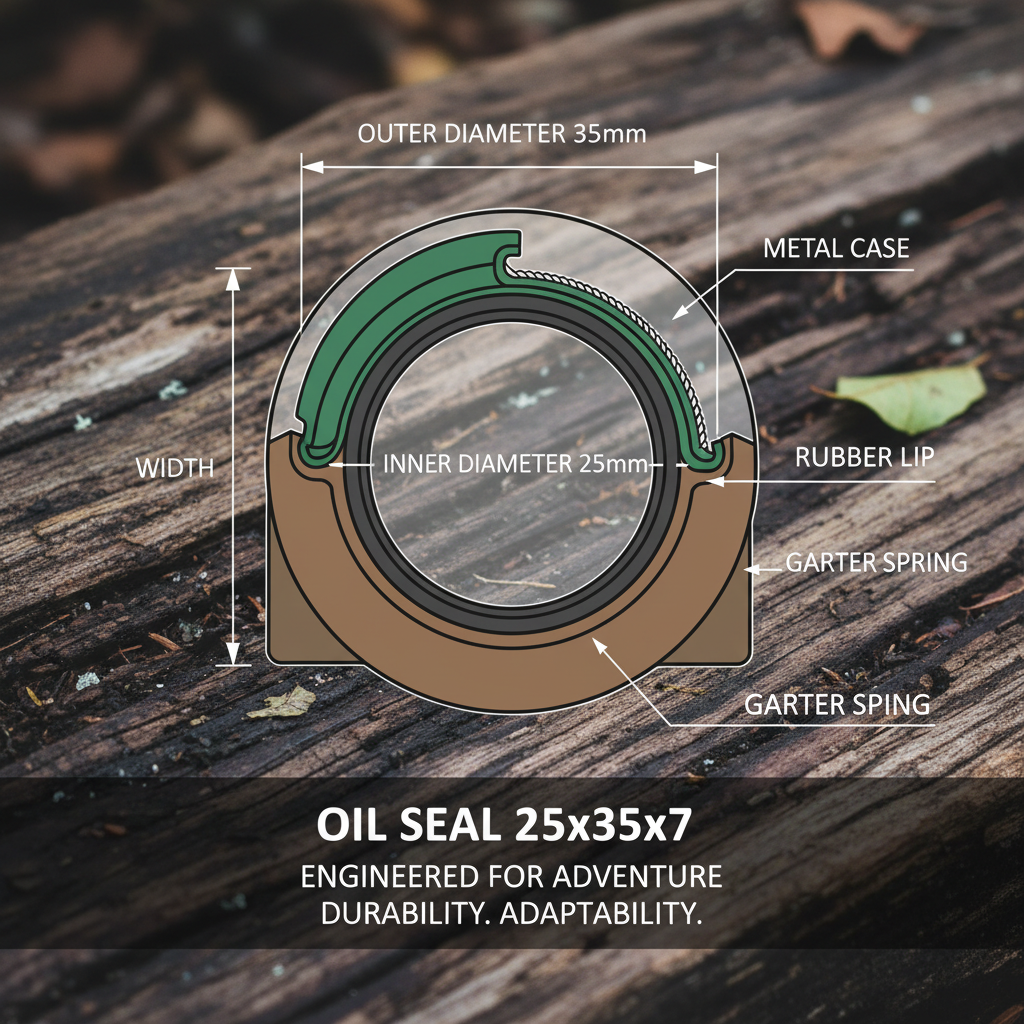
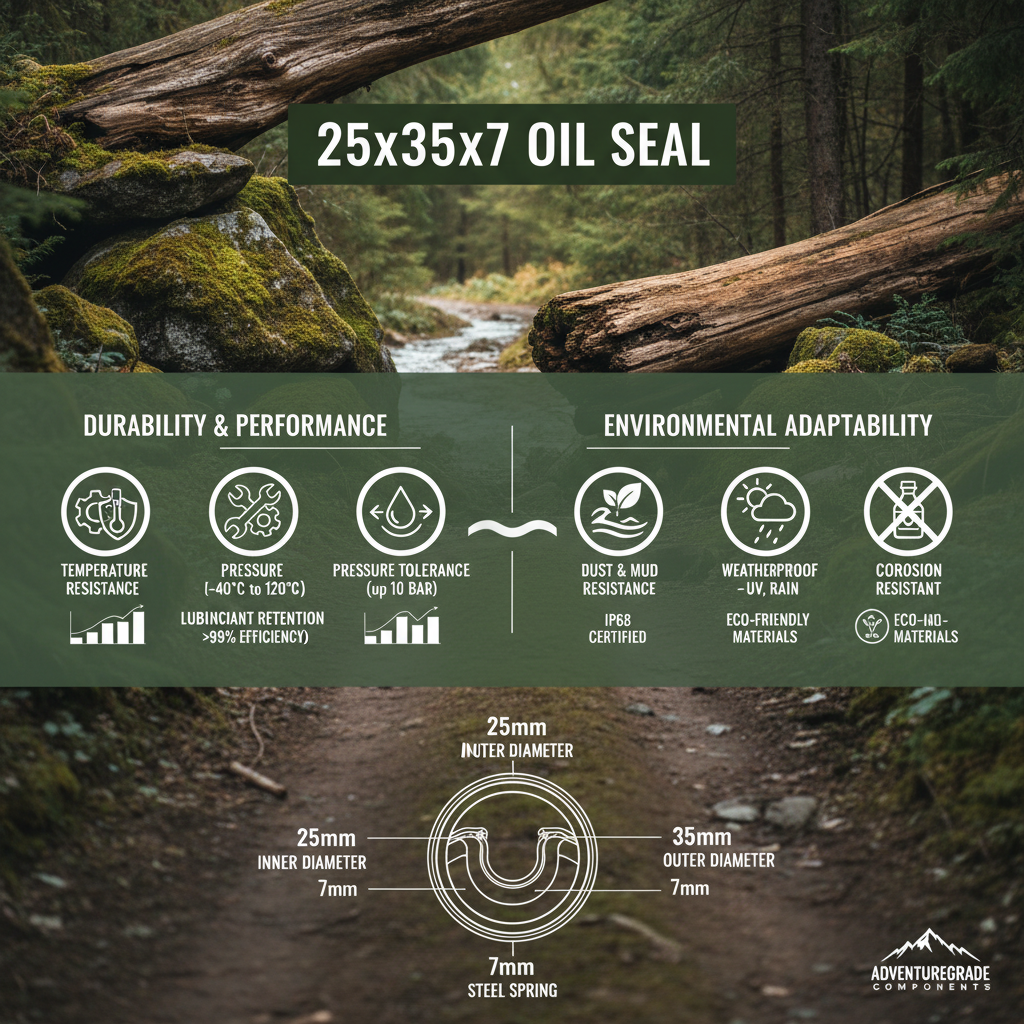
The 25x35x7 oil seal, as its name suggests, is defined by its dimensions: 25mm inner diameter, 35mm outer diameter, and 7mm width. This seemingly simple specification is critical, dictating its compatibility with various shaft sizes and housing designs. It functions as a barrier between rotating and stationary components, preventing the escape of fluids (oil, grease, water) and keeping contaminants out.
These seals are fundamental to the operational reliability of countless machines. They are commonly employed in pumps, gearboxes, engines, and any application requiring a fluid-tight barrier around a rotating shaft. Selecting the correct 25x35x7 oil seal material – nitrile, Viton, silicone, etc. – is just as crucial as the physical dimensions, and depends heavily on the fluid being sealed, temperature, and pressure.
Global Relevance and Industry Context
The demand for 25x35x7 oil seals is interwoven with global manufacturing activity. As industrial production increases in developing nations, the need for replacement seals and new equipment incorporating these components rises accordingly. According to industry reports, the global oil seal market is projected to reach billions of dollars in the coming years, with a significant portion attributed to standard sizes like the 25x35x7.
Industries such as automotive, aerospace, agriculture, and construction all heavily rely on these seals. A disruption in their supply chain, due to geopolitical factors or material shortages, can have cascading effects on these sectors. Maintaining a robust and diversified supply chain for 25x35x7 oil seals is, therefore, critical for economic stability.
Furthermore, stringent environmental regulations are driving a shift towards more durable and leak-proof sealing solutions. A faulty 25x35x7 oil seal can lead to fluid contamination, posing environmental hazards. This underscores the importance of quality control and the use of environmentally friendly seal materials.
Defining the 25x35x7 Oil Seal
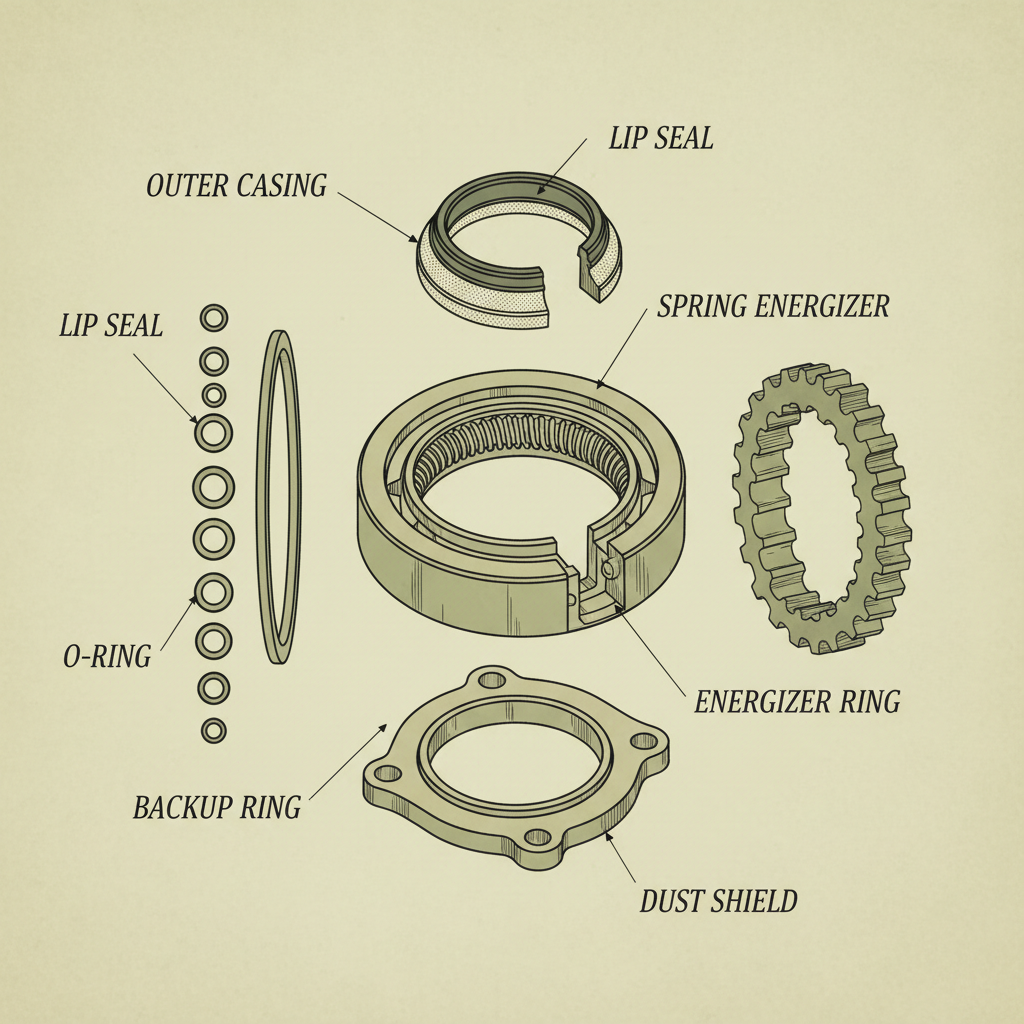
In its simplest form, a 25x35x7 oil seal consists of a circular elastomer body, typically reinforced with a metal case for added strength and dimensional stability. The core sealing element is a flexible lip, which is pressed against the rotating shaft to create a dynamic seal. This lip’s geometry and material properties are vital for maintaining a consistent seal under varying operating conditions.
The connection to modern industry is direct and undeniable. Without reliable seals like the 25x35x7, machinery would rapidly fail, resulting in costly downtime, reduced productivity, and potential safety hazards. Their ability to isolate lubricants and prevent contamination is essential for the smooth and efficient operation of almost every mechanical device in use today.
Even seemingly unrelated areas, like water treatment and food processing, depend on these seals. The 25x35x7 oil seal, or variations tailored to specific requirements, ensures the integrity of processes and the quality of end products. Their widespread adoption is a testament to their versatility and proven effectiveness.
Key Factors of 25x35x7 Oil Seal Performance
The performance of a 25x35x7 oil seal isn’t solely determined by its dimensions. Several crucial factors contribute to its effectiveness and longevity. First and foremost is Material Compatibility. The elastomer material must be resistant to the fluid being sealed and capable of withstanding the operating temperature range. Nitrile is common for oil, while Viton excels in harsh chemical environments.
Secondly, Shaft Surface Finish plays a critical role. A rough shaft surface will quickly degrade the seal lip, leading to premature failure. A finely polished shaft ensures a smooth, consistent sealing surface. Third, Installation Accuracy is paramount. Incorrect installation can cause damage to the seal or misalignment, compromising its sealing capabilities.
Performance Metrics for 25x35x7 Oil Seal Materials
Global Applications and Use Cases
The 25x35x7 oil seal finds widespread application across numerous industries. In the automotive sector, it's used in engines, transmissions, and differentials to prevent oil leaks and ensure efficient power transfer. In the agricultural industry, they’re crucial for sealing hydraulic systems in tractors, harvesters, and other machinery.
Furthermore, in remote industrial zones – such as mining operations in Australia or oil drilling platforms in the North Sea – maintaining equipment reliability is paramount. A readily available supply of 25x35x7 oil seals is essential for minimizing downtime and preventing costly repairs. These locations often rely on pre-stocked inventories and rapid delivery services.
Even in post-disaster relief operations, where maintaining essential infrastructure is critical, the availability of replacement 25x35x7 oil seals for generators and water pumps can be a lifeline. Their small size and relatively low cost make them an ideal component to include in emergency repair kits.
Advantages and Long-Term Value
Utilizing a high-quality 25x35x7 oil seal translates into significant cost savings over the long term. By preventing leaks, it minimizes fluid consumption, reduces the need for frequent top-ups, and avoids potential environmental cleanup costs. The reduced downtime associated with fewer seal failures also contributes to increased productivity.
Beyond economic benefits, there’s a strong emphasis on sustainability. Preventing fluid leaks protects the environment and minimizes the risk of contamination. Choosing seals made from environmentally friendly materials further enhances this positive impact. The inherent reliability of a well-designed 25x35x7 oil seal fosters trust and confidence in the equipment it protects.
Future Trends and Innovations
The future of 25x35x7 oil seal technology is focused on enhancing performance, extending lifespan, and promoting sustainability. Research into new elastomer materials, such as advanced fluoropolymers, is yielding seals with improved resistance to extreme temperatures, chemicals, and wear. The integration of nanotechnology is also showing promise, potentially leading to seals with self-healing capabilities.
Digital transformation is playing a role as well, with the development of smart seals equipped with sensors that can monitor their condition and predict potential failures. These predictive maintenance capabilities can significantly reduce downtime and optimize maintenance schedules. Furthermore, the increasing adoption of automation in manufacturing is driving demand for seals that can withstand higher speeds and pressures.
The growing emphasis on green energy and electric vehicles is also influencing seal design. Seals used in electric vehicle transmissions and batteries require specific properties to handle different fluids and operating conditions. Innovation in this area is essential for supporting the transition to a more sustainable transportation future.
Challenges and Solutions
Despite their widespread use, 25x35x7 oil seals still face challenges. One common issue is premature failure due to improper installation or shaft misalignment. This can be addressed through improved training programs for technicians and the development of self-aligning seal designs. Another challenge is material degradation in harsh operating environments.
To overcome this, manufacturers are exploring advanced coatings and surface treatments to enhance seal durability and resistance to corrosion. Furthermore, the limited availability of certain seal materials – particularly those with specialized properties – can pose supply chain risks. Diversifying sourcing and investing in material research are crucial steps to mitigate this vulnerability.
Here's a summary of common issues and solutions for 25x35x7 oil seal performance.
Summary of 25x35x7 Oil Seal Challenges and Solutions
| Challenge |
Root Cause |
Impact on 25x35x7 Oil Seal |
Potential Solution |
| Premature Failure |
Improper Installation |
Reduced Lifespan, Leakage |
Improved Technician Training |
| Material Degradation |
Harsh Chemical Exposure |
Loss of Elasticity, Cracking |
Use Viton or PTFE Seals |
| Shaft Wear |
Abrasive Contaminants |
Seal Lip Damage, Leakage |
Improved Filtration Systems |
| Temperature Extremes |
High/Low Operating Temperatures |
Material Hardening/Softening |
Specialized High/Low Temp Seals |
| Supply Chain Disruptions |
Material Shortages |
Increased Costs, Delays |
Diversified Sourcing |
| Seal Misalignment |
Incorrect Housing Design |
Uneven Wear, Leakage |
Self-Aligning Seal Designs |
FAQS
The most common materials for 25x35x7 oil seals include Nitrile (Buna-N) for general oil resistance, Viton (FKM) for high temperatures and aggressive chemicals, Silicone for extreme temperatures, and Polyurethane for high abrasion resistance. The choice depends heavily on the specific application and the fluid being sealed. Understanding the fluid compatibility is crucial for selecting the right material and ensuring long-term performance.
Correct installation depth is critical to prevent premature failure. Typically, the seal should be fully seated within the housing bore, ensuring a snug fit. Refer to the manufacturer's specifications for the precise recommended depth, as it can vary slightly depending on the seal design and housing geometry. Using a seal installation tool is highly recommended to avoid damage during installation.
The lifespan of a 25x35x7 oil seal is heavily dependent on operating conditions. Under ideal circumstances – proper lubrication, clean environment, and correct installation – a seal can last for several years. However, harsh environments, high temperatures, and abrasive contaminants can significantly reduce its lifespan. Regular inspection and preventive maintenance are key to maximizing its service life.
Several factors can contribute to leakage. Common causes include wear and tear, damage to the seal lip, improper installation, shaft misalignment, and contamination. Hard particles in the fluid can abrade the seal lip. Temperature fluctuations can cause the seal material to expand and contract, creating gaps. Also, incorrect seal material can lead to chemical incompatibility and degradation.
It’s generally not recommended to reuse a 25x35x7 oil seal. Once a seal has been installed and subjected to operating conditions, its sealing lip can become deformed or damaged. Reusing a compromised seal significantly increases the risk of leakage and failure. It's always best to install a new seal for optimal performance and reliability.
You can purchase high-quality 25x35x7 oil seals from reputable industrial supply companies and seal manufacturers. It’s important to choose a supplier that offers seals from trusted brands and can provide technical support. Visit our website, Hkaiseal, to browse our extensive selection and find the perfect seal for your application.
Conclusion
The 25x35x7 oil seal, despite its modest size, is a foundational component in countless mechanical systems. Its reliability is paramount to operational efficiency, safety, and sustainability. Understanding its properties, applications, and potential failure modes is essential for engineers, technicians, and anyone involved in maintaining modern machinery. By prioritizing material selection, proper installation, and regular maintenance, you can maximize the lifespan and performance of these crucial components.
Looking ahead, innovations in materials science and sensor technology will continue to drive improvements in oil seal performance. The increasing demand for environmentally friendly sealing solutions will also shape future developments. For a comprehensive range of high-quality 25x35x7 oil seals and expert technical assistance, visit our website: www.hkaiseal.com.