The 20x35x7 oil seal is a critical component in countless mechanical systems across diverse industries, playing a vital role in preventing leakage and ensuring operational efficiency. Its standardized dimensions make it a globally recognized and readily available sealing solution. Understanding the nuances of this specific oil seal, from its material composition to its application-specific considerations, is crucial for engineers, maintenance personnel, and procurement specialists alike.
Globally, the demand for reliable sealing solutions like the 20x35x7 oil seal is consistently high, driven by the continued growth of manufacturing, automotive, and heavy machinery sectors. The ISO standards governing oil seal dimensions and performance ensure interchangeability and quality control, contributing to streamlined supply chains and reduced downtime. Failure of these seals can lead to significant economic losses and environmental concerns, emphasizing the importance of selecting the appropriate seal for each application.
The 20x35x7 oil seal refers to a radial shaft seal with an inner diameter of 20mm, an outer diameter of 35mm, and a width of 7mm. This standardized sizing allows for seamless integration into a wide array of rotating machinery, preventing the escape of fluids – typically lubricants – and protecting components from contaminants. Its function is paramount in maintaining the optimal performance and longevity of equipment in numerous industrial settings.
The Importance of the 20x35x7 Oil Seal
The 20x35x7 oil seal is an often-overlooked but incredibly vital component in ensuring the reliable operation of machinery. Its relatively small size belies its critical function: preventing lubricant leakage and ingress of contaminants. This small seal can prevent costly equipment failures and ensure consistent performance, making its selection and maintenance a key aspect of preventative maintenance programs.
The wide availability of the 20x35x7 oil seal, coupled with its standardized dimensions, contributes significantly to its affordability and ease of integration into existing systems. This accessibility makes it a popular choice for original equipment manufacturers (OEMs) and maintenance providers alike, fostering a robust supply chain and readily available replacement parts.
Defining the 20x35x7 Oil Seal
The 20x35x7 oil seal is a type of radial shaft seal designed to seal rotating shafts. It typically consists of an inner rubber lip, a metal case, and an outer rubber lip. The inner lip is the primary sealing element, pressed against the shaft to create a dynamic seal, while the metal case provides structural support and rigidity. The outer lip often provides a dust lip for further protection.
This specific seal size – 20x35x7 – denotes its key dimensions: a 20mm inner diameter (bore size), a 35mm outer diameter, and a 7mm width. These dimensions are critical for ensuring a proper fit within the housing and around the shaft. The material composition of the seal—often nitrile rubber (NBR), silicone, or Viton—is selected based on the application’s operating temperature, fluid compatibility, and pressure requirements.
Its function transcends simply preventing leaks; it maintains system pressure, protects bearings and gears from contamination, and ultimately contributes to the longevity and efficiency of the overall machinery. In modern industry, such seemingly small components are integral to complex operational workflows.
Key Characteristics of 20x35x7 Oil Seals
Material Compatibility: The 20x35x7 oil seal’s performance is heavily influenced by the material it’s constructed from. Nitrile rubber (NBR) is commonly used for its good resistance to petroleum-based oils, while Viton (FKM) offers superior resistance to high temperatures and aggressive chemicals. Silicone is often chosen for its wide temperature range and flexibility.
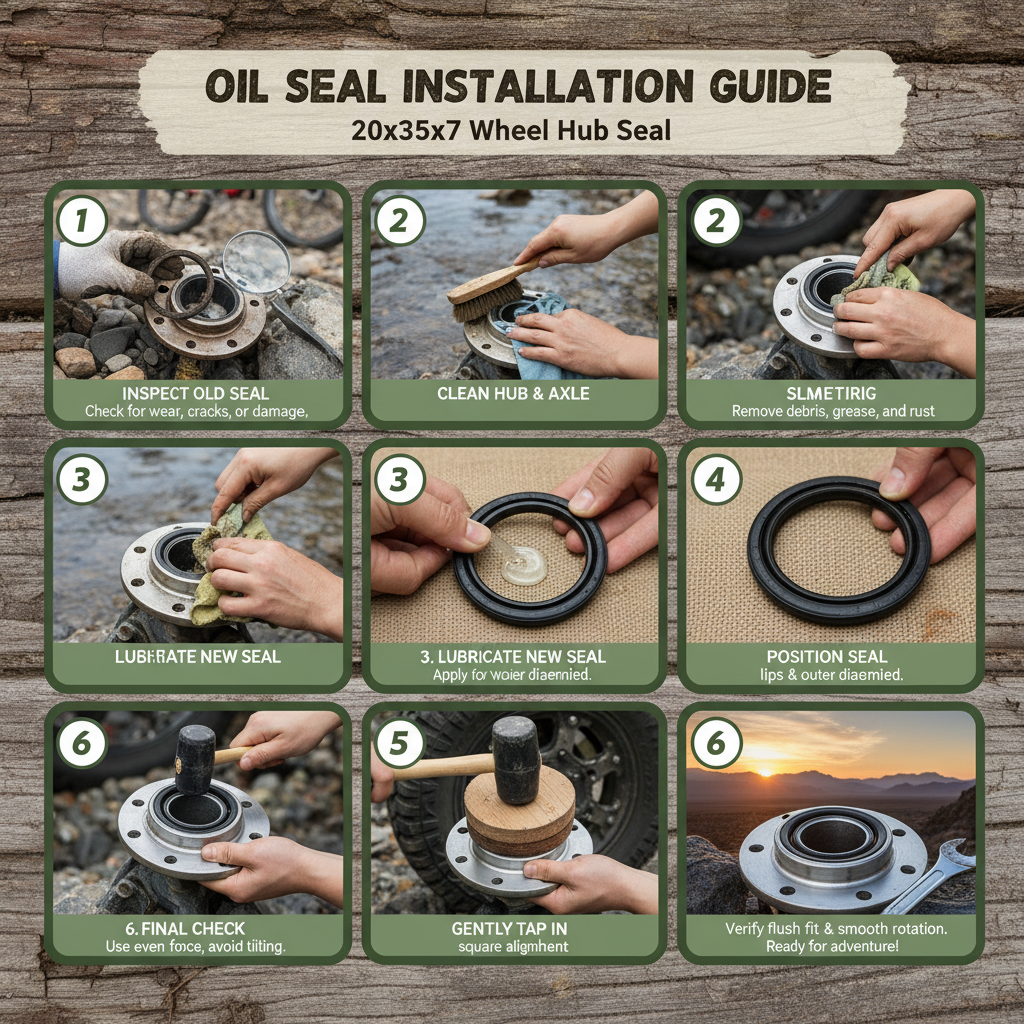
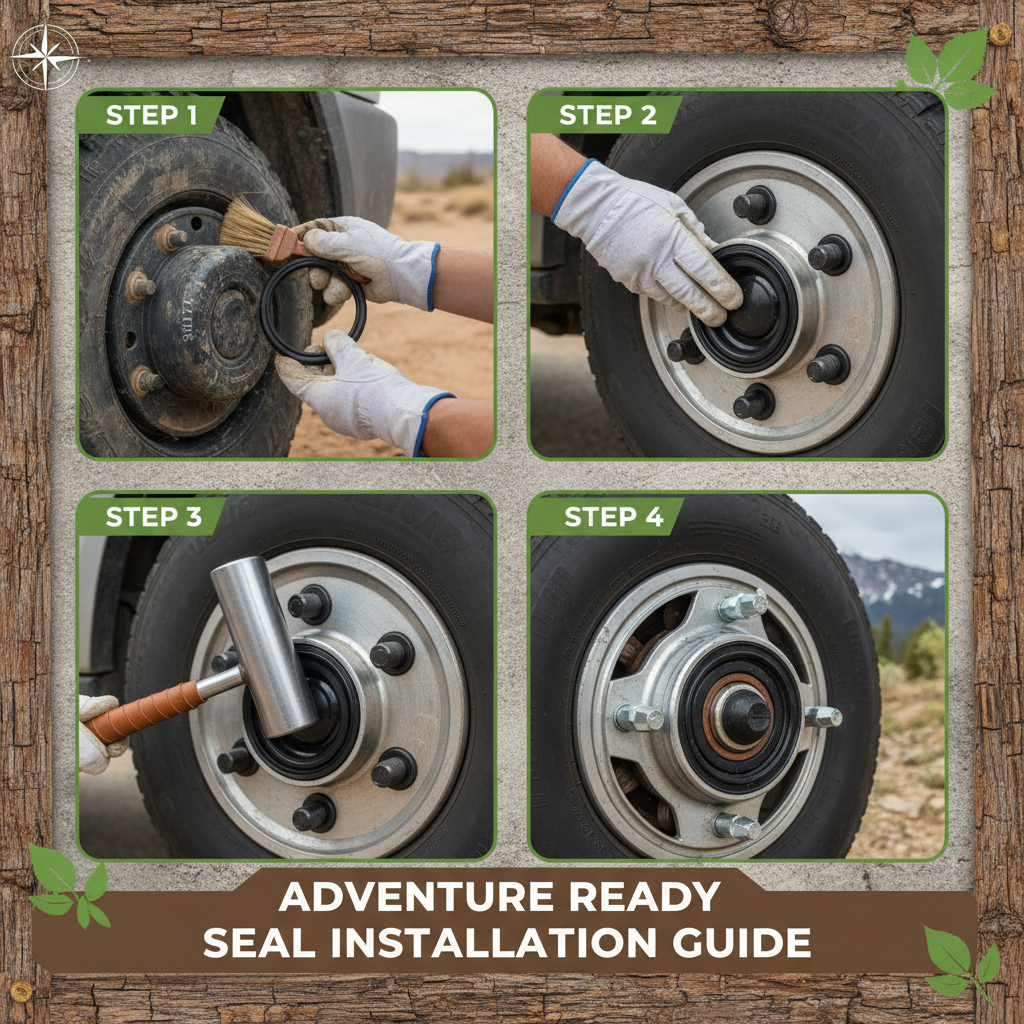
Static and Dynamic Sealing: The seal provides both static sealing – between the metal case and the housing – and dynamic sealing – between the rubber lip and the rotating shaft. Maintaining both is crucial for preventing leakage and ensuring long-term reliability. Pre-lubrication during installation is vital for reducing friction and wear during the initial break-in period.
Temperature Range: Operating temperature significantly impacts the seal’s lifespan. Exceeding the material's temperature limits can cause hardening, cracking, or swelling, leading to premature failure. Selecting a material specifically rated for the application’s temperature range is therefore paramount.
Performance Factors in 20x35x7 Oil Seal Applications
Shaft finish is a crucial factor influencing the 20x35x7 oil seal's performance. A smooth, properly sized shaft reduces friction and wear on the sealing lip. Surface roughness beyond specified limits can lead to accelerated seal degradation and leakage. Correct installation procedures are also critical, including proper alignment and lubrication.
Operating pressure also affects seal performance. Higher pressures demand seals with stronger structural support and potentially more robust materials. Additionally, the presence of abrasive particles in the lubricant can cause significant wear and tear, necessitating the use of seals with improved abrasion resistance or the implementation of effective filtration systems.
20x35x7 Oil Seal Performance Metrics
Global Applications of the 20x35x7 Oil Seal
The 20x35x7 oil seal finds widespread use across a multitude of industries. In the automotive sector, it’s essential for sealing wheel hubs, transmissions, and engines. The agricultural industry relies on these seals in tractors, combine harvesters, and other farm machinery.
Manufacturing facilities utilize 20x35x7 oil seals in pumps, gearboxes, and electric motors. Furthermore, they are critical components in hydraulic systems, preventing fluid leakage and ensuring optimal system performance. In remote industrial zones, maintaining a stock of these standard seals is crucial for minimizing downtime and ensuring continuous operation.
Advantages and Long-Term Value
Using the correct 20x35x7 oil seal significantly reduces maintenance costs by preventing premature equipment failure and minimizing lubricant loss. The relatively low cost of the seal compared to the potential cost of downtime and repairs provides a substantial return on investment.
Furthermore, proper sealing contributes to environmental sustainability by preventing lubricant spills and reducing the need for frequent lubricant replacements. The reliability of these seals also enhances worker safety by minimizing the risk of equipment malfunctions and potential hazards.
Future Trends and Material Science
Ongoing research is focused on developing advanced materials for oil seals, including polymers with enhanced temperature resistance, chemical compatibility, and wear resistance. The integration of nanotechnology is also being explored to improve sealing performance and reduce friction.
The increasing demand for electric vehicles is driving the development of specialized seals for electric motors and transmissions, requiring materials that can withstand the unique operating conditions of these systems. Additionally, advancements in digital monitoring and predictive maintenance are enabling more proactive seal replacement strategies, minimizing downtime and optimizing performance.
Sustainability is also a driving force, with manufacturers seeking to develop seals from bio-based or recycled materials, reducing their environmental impact.
Summary of 20x35x7 Oil Seal Evaluation Criteria
| Material Composition |
Operating Temperature |
Fluid Compatibility |
Application Specificity |
| Nitrile Rubber (NBR) |
-40°C to 100°C |
Petroleum-based oils |
General purpose machinery |
| Viton (FKM) |
-20°C to 200°C |
Wide range of chemicals |
High-temperature applications |
| Silicone |
-60°C to 230°C |
Water, oils, and some chemicals |
Food processing, medical equipment |
| Hydrogenated Nitrile Butadiene Rubber (HNBR) |
-30°C to 150°C |
Ozone, oil, and high-pressure environments |
Automotive transmission seals |
| Polyurethane |
-40°C to 80°C |
Excellent abrasion resistance |
Hydraulic cylinders, heavy-duty equipment |
| Polytetrafluoroethylene (PTFE) |
-200°C to 260°C |
Virtually all chemicals |
Highly corrosive environments |
FAQS
The lifespan of a 20x35x7 oil seal varies significantly depending on operating conditions. Factors like temperature, pressure, lubricant type, and shaft finish all play a role. Under ideal conditions, a properly installed seal can last for several years. However, harsh environments or improper installation can significantly reduce its lifespan, potentially to just a few months. Regular inspection and preventative maintenance are crucial for maximizing seal life.
Nitrile rubber (NBR) is the most common material due to its cost-effectiveness and good oil resistance. Viton (FKM) offers superior resistance to high temperatures and aggressive chemicals, making it ideal for demanding applications. Silicone provides a wide temperature range and flexibility, while HNBR offers enhanced ozone and abrasion resistance. PTFE is used in highly corrosive environments. The best material depends on the specific application's requirements.
Proper installation is critical. Incorrect installation is a leading cause of seal failure. This includes ensuring the shaft surface is smooth and free of burrs, using the correct installation tools to avoid damaging the sealing lip, and applying appropriate lubricant during installation. Misalignment or excessive force can compromise the seal’s integrity and lead to premature leakage.
Generally, a 20x35x7 oil seal should not be reused. Once removed, the sealing lip can become distorted or damaged, compromising its ability to create a proper seal. It is best practice to always install a new seal to ensure reliable performance. Attempting to reuse a seal can lead to leakage and potential equipment failure.
Common signs of a failing 20x35x7 oil seal include visible oil leaks, decreased equipment performance, increased lubricant consumption, and unusual noises. Regular inspections can help identify these signs early, allowing for timely replacement and preventing more significant damage.
High-quality 20x35x7 oil seals are available from reputable industrial supply distributors and online retailers. It is important to choose a supplier that offers seals from trusted manufacturers and provides detailed product specifications. For reliable and competitively priced 20x35x7 oil seals, visit HKAiseal.
Conclusion
The 20x35x7 oil seal, while a relatively small component, is undeniably critical to the reliable operation of a vast array of machinery across numerous industries. Its standardized dimensions, coupled with diverse material options, allow for versatile application and cost-effective maintenance. Understanding its key characteristics, performance factors, and future trends is essential for engineers, maintenance professionals, and procurement specialists alike.
Investing in high-quality 20x35x7 oil seals and adhering to proper installation practices translates directly into reduced downtime, lower maintenance costs, and enhanced equipment longevity. As material science continues to advance and sustainability becomes increasingly important, the future of oil seals promises even greater performance, reliability, and environmental responsibility. For all your sealing needs, visit our website at www.hkaiseal.com.