The price of oil seal is a critical component in a vast array of industrial applications, from automotive engines to hydraulic systems. Understanding the factors that influence the price of oil seal, including material costs, manufacturing processes, and market demand, is crucial for businesses aiming to optimize their maintenance budgets and ensure operational efficiency. A keen awareness of these dynamics allows for informed purchasing decisions and proactive inventory management, ultimately minimizing downtime and maximizing profitability.
Globally, the demand for high-quality oil seals continues to rise, driven by industrial growth in emerging economies and increasing reliance on machinery in developed nations. The price of oil seal isn't a static value; it’s susceptible to fluctuations in raw material prices (like rubber, PTFE, and metals), energy costs, and geopolitical factors. This impacts manufacturers, distributors, and end-users alike, necessitating a clear understanding of market trends.
Therefore, a comprehensive understanding of the price of oil seal is not merely a matter of cost control; it’s a strategic imperative for businesses across diverse sectors. This exploration will delve into the elements shaping these prices, their real-world applications, and future trends impacting the oil seal market.
The Significance of Understanding the Price of Oil Seal
Understanding the price of oil seal isn’t just about minimizing procurement costs; it’s about assessing the total cost of ownership. A seemingly inexpensive oil seal can lead to premature failure, resulting in costly downtime, repairs, and potential damage to critical equipment. Therefore, evaluating the price in relation to quality, material, and expected lifespan is paramount.
Furthermore, the price of oil seal is a sensitive indicator of broader economic trends. Fluctuations in raw material prices, energy costs, and manufacturing expenses directly impact the cost of these essential components. Monitoring these trends allows businesses to anticipate price increases, adjust their budgets accordingly, and secure favorable supply agreements.
Global Context and Market Dynamics of Oil Seal Pricing
The global oil seal market is a multi-billion dollar industry, significantly influenced by the health of the automotive, aerospace, and industrial manufacturing sectors. Demand is particularly high in developing economies experiencing rapid industrialization, such as China, India, and Brazil. These regions contribute substantially to overall market growth, impacting the price of oil seal through increased competition and demand for cost-effective solutions.
According to recent reports, the oil seal market is projected to continue growing at a steady pace in the coming years, driven by increasing automation and the demand for more reliable and efficient machinery. Geopolitical factors, such as trade tariffs and supply chain disruptions, can also play a significant role in influencing prices and availability.
The ISO standards related to seal quality and performance also influence pricing. Manufacturers adhering to rigorous ISO certifications often command higher prices due to the assurance of quality and reliability. Consequently, understanding these global trends and certifications is vital when evaluating the price of oil seal.
Defining Price of Oil Seal and its Industrial Relevance
The price of oil seal refers to the monetary value associated with purchasing these sealing components, which are crucial for preventing leakage of fluids or gases in a variety of mechanical systems. This price encompasses not only the cost of raw materials and manufacturing but also factors like design complexity, precision engineering, and brand reputation.
Oil seals are integral to modern industry, underpinning the functionality of engines, pumps, gearboxes, and hydraulic systems. Their purpose is to maintain pressure, protect components from contamination, and ensure efficient operation. Without reliable oil seals, machinery would suffer from reduced performance, increased wear and tear, and potentially catastrophic failure.
The relevance extends beyond industrial applications. Oil seals are equally critical in automotive systems, aerospace components, and even medical devices. The reliability and longevity of these seals directly impact the safety, performance, and overall cost-effectiveness of these applications, making understanding the price a key concern.
Core Components Influencing the Price of Oil Seal
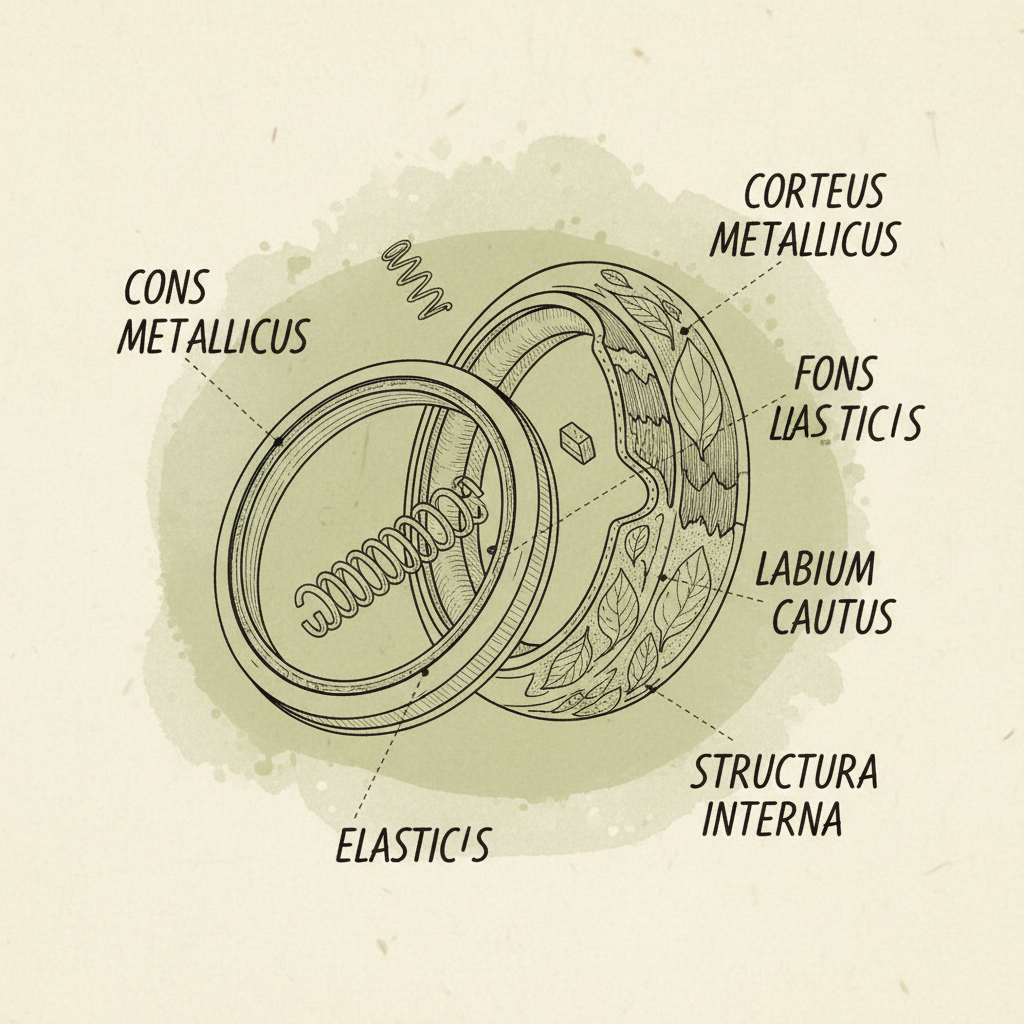
Several core components significantly impact the price of oil seal. Firstly, the material composition is a key determinant. Seals made from high-performance materials like Viton, PTFE, or silicone are considerably more expensive than those made from standard nitrile rubber. Secondly, the seal design and complexity play a vital role. Complex designs with specialized features like springs or dust lips require more intricate manufacturing processes, driving up the price.
Thirdly, manufacturing precision and quality control contribute significantly to the cost. Seals requiring tight tolerances and rigorous testing demand advanced machinery and skilled labor. Lastly, supplier reputation and brand recognition also impact pricing. Established manufacturers with a proven track record for quality often command premium prices.
Price of Oil Seal Based on Manufacturing Method
Global Applications and Industry Use Cases
The applications of oil seals are remarkably diverse. In the automotive industry, they are critical for sealing engines, transmissions, and differentials. The aerospace sector relies on high-performance oil seals in hydraulic systems and engines. The hydraulic machinery industry uses seals in pumps, valves, and cylinders.
In remote industrial zones like oil rigs and mining operations, the reliable operation of machinery is paramount, making the price of high-quality oil seals a significant consideration. Furthermore, in post-disaster relief operations, ensuring the functionality of generators and water pumps depends heavily on the integrity of their oil seals.
Advantages and Long-Term Value Proposition
Investing in high-quality oil seals, even at a higher initial price, offers substantial long-term advantages. Reduced downtime, lower maintenance costs, and improved equipment reliability translate into significant cost savings over the lifespan of the machinery. A properly sealed system also contributes to enhanced safety by preventing leaks of hazardous fluids.
Beyond the purely financial benefits, utilizing reliable oil seals fosters trust and confidence in the performance of equipment, ultimately building a reputation for quality and innovation. Environmentally, robust seals prevent fluid leaks, minimizing environmental contamination and promoting sustainable practices.
Future Trends and Innovations in Oil Seal Technology
The future of oil seal technology is focused on enhancing performance, durability, and sustainability. Innovations in material science are leading to the development of advanced elastomers and polymers that offer improved resistance to temperature, chemicals, and wear. The integration of smart sensors within oil seals is emerging, allowing for real-time monitoring of seal health and predictive maintenance.
Furthermore, advancements in manufacturing techniques, such as additive manufacturing (3D printing), are enabling the creation of customized oil seals tailored to specific application requirements. The drive towards green energy and electric vehicles is also influencing the development of oil seals designed for electric motors and battery systems.
Summary of Key Factors Influencing the Long-Term Value of Oil Seals
| Material Quality |
Design Innovation |
Manufacturing Precision |
Long-Term Cost Savings |
| High-grade materials like Viton offer superior resistance. |
Advanced designs minimize friction and maximize sealing efficiency. |
Tight tolerances ensure a precise fit and prevent leakage. |
Reduced downtime and maintenance costs over the seal's lifespan. |
| Impacts resistance to chemicals and temperature extremes. |
Consideration of application-specific requirements. |
Minimizes fluid loss and contamination. |
Improved equipment reliability and extended service life. |
| Contributes to seal longevity and performance. |
Optimized for specific pressure and speed conditions. |
Enhances overall system efficiency. |
Lower total cost of ownership. |
| Directly impacts the price of the oil seal. |
Customization options available for specific needs. |
Requires investment in advanced manufacturing equipment. |
Reduces the risk of catastrophic failures. |
| Rated on a scale of 1-10 (10 being best), typically 7-9. |
Measured by efficiency and adaptability, typically 8-10. |
Controlled by quality assurance processes, typically 9-10. |
Quantified by ROI and reduced maintenance, typically 8-10. |
| Impacts environmental sustainability through reduced leakage. |
Drives innovation in sealing technology. |
Improves product quality and consistency. |
Enhances brand reputation and customer satisfaction. |
FAQS
Several factors contribute to the price of oil seal, including the material used (e.g., nitrile, Viton, silicone), the seal’s design complexity, the manufacturing process employed, the quantity ordered, and the supplier’s reputation. High-performance materials and complex designs typically result in a higher price point. Understanding these factors can help you make informed purchasing decisions.
The material composition is a primary driver of price. Standard materials like nitrile rubber are relatively inexpensive, while specialized materials like Viton, PTFE, and silicone are significantly more costly due to their superior resistance to extreme temperatures, chemicals, and abrasion. The choice of material should align with the specific application requirements and budget constraints.
The lifespan of a quality oil seal varies depending on the application, operating conditions, and material used. However, a well-maintained oil seal made from durable materials can last for several years, even exceeding 50,000 miles in automotive applications. A longer lifespan translates to reduced maintenance costs, decreased downtime, and a lower total cost of ownership.
Yes, there are often significant price differences between manufacturers. Established brands with a proven track record for quality and reliability typically charge a premium. However, lower-cost alternatives may be available from less-known manufacturers. It's important to consider the quality, performance, and warranty offered when comparing prices.
Optimizing oil seal procurement involves several strategies. Consider purchasing in bulk to leverage volume discounts, compare prices from multiple suppliers, and explore alternative materials that offer comparable performance at a lower cost. Also, prioritize quality and reliability to avoid costly failures and downtime.
ISO certifications, such as ISO 9001 and ISO/TS 16949, demonstrate a manufacturer's commitment to quality management systems and adherence to industry standards. Oil seals from ISO-certified manufacturers often command a higher price due to the assurance of consistent quality, reliability, and traceability. These certifications provide confidence in the product’s performance and longevity.
Conclusion
In conclusion, the price of oil seal is a multifaceted factor influenced by material composition, manufacturing processes, industry demands, and global economic conditions. Understanding these dynamics is crucial for businesses seeking to optimize their procurement strategies, minimize downtime, and ensure the reliable operation of their equipment. Investing in high-quality seals is a strategic decision that yields long-term benefits.
Looking ahead, innovations in material science, manufacturing techniques, and smart sensor technology will continue to shape the oil seal market. By staying abreast of these trends and embracing sustainable practices, businesses can unlock further value and contribute to a more efficient and environmentally responsible future. For a comprehensive range of oil seals and competitive pricing, visit our website: hkaiseal.com.