Rotary shaft seals are critical components in a vast array of machinery and equipment across nearly every industry globally. They prevent the leakage of fluids – everything from lubricating oils and water to aggressive chemicals – and protect internal components from contamination. Their reliable operation is fundamental to the efficiency, longevity, and safety of countless applications, contributing significantly to reduced downtime and operational costs. This makes understanding their design, materials, and applications essential for engineers, maintenance personnel, and anyone involved in the operation of rotating equipment.
The global market for rotary shaft seals is substantial and continually growing, driven by increasing industrialization, particularly in emerging economies. According to industry reports, the market is projected to reach billions of dollars in the coming years, fueled by demands from automotive, aerospace, oil and gas, and manufacturing sectors. Failures in these seals can lead to catastrophic equipment failure, environmental damage, and safety hazards, highlighting the importance of selecting and maintaining high-quality rotary shaft seal solutions.
Beyond industrial applications, advances in rotary shaft seal technology are also impacting areas like renewable energy, specifically in wind turbines and hydroelectric generators. Improved sealing performance translates to increased energy efficiency and reduced maintenance requirements, directly contributing to a more sustainable future. This demonstrates the broad relevance of rotary shaft seal beyond traditional industrial boundaries.
The Importance of Rotary Shaft Seals
Rotary shaft seals play an indispensable role in maintaining the integrity and functionality of rotating equipment. Their primary function is to prevent fluid leakage – whether it's lubricant, hydraulic fluid, or process media – while simultaneously preventing ingress of contaminants like dust, dirt, and moisture. This dual protection is critical for preventing damage to bearings, gears, and other sensitive components.
The consequences of a failed rotary shaft seal can be significant, ranging from reduced equipment efficiency and increased maintenance costs to complete system failure and potential safety hazards. Investing in high-quality seals and implementing proper maintenance procedures is therefore a vital component of any proactive asset management strategy.
Understanding Rotary Shaft Seal Design
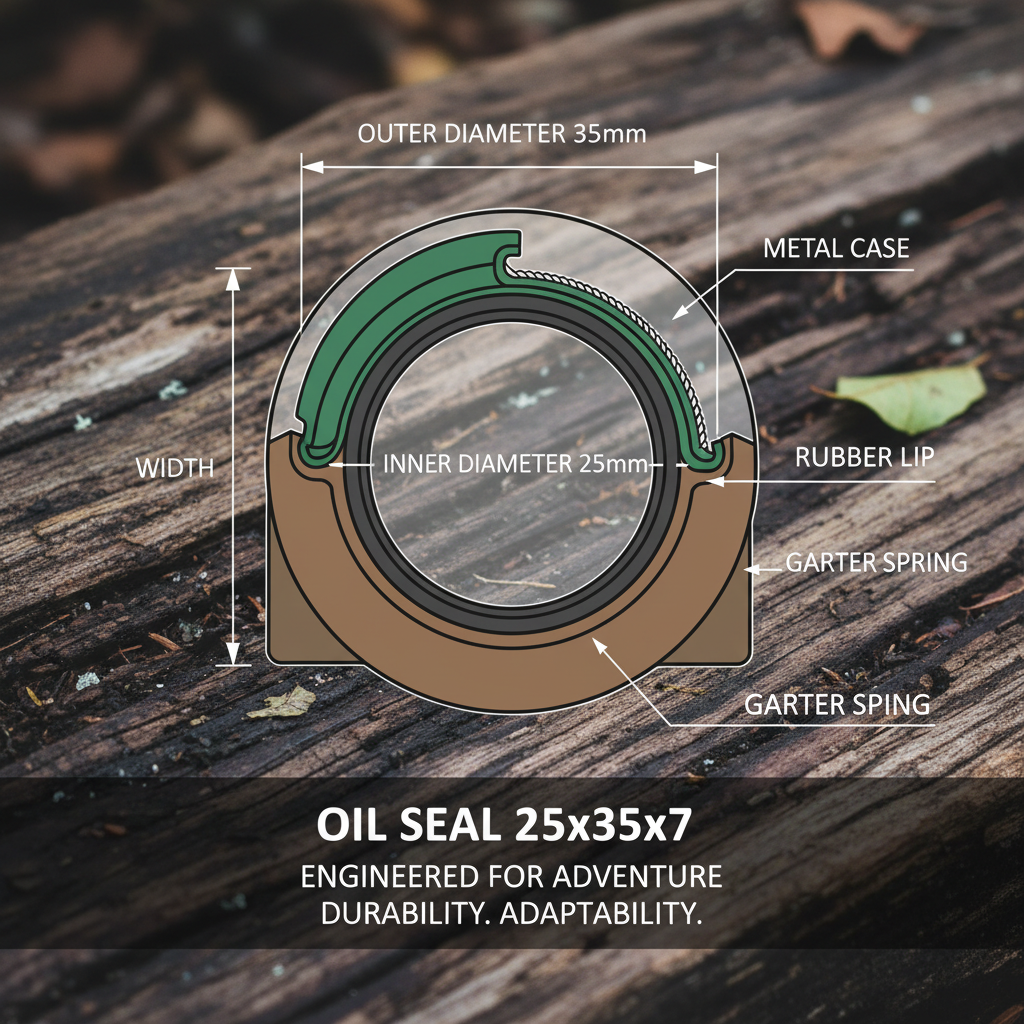
The design of a rotary shaft seal is a complex interplay of geometry, materials, and operating conditions. A typical seal consists of three main elements: the sealing lip, the reinforcing case, and often, an elastomeric O-ring or lip energizer. The sealing lip, typically made from a flexible elastomer, is the primary sealing element, creating a dynamic barrier against the rotating shaft. The reinforcing case provides structural support to the lip and ensures dimensional stability.
Different seal designs cater to specific applications. For example, lip seals are the most common type and are suitable for a wide range of speeds and pressures. Mechanical seals, incorporating a rotating face and a stationary face, offer superior sealing performance for high-speed and high-pressure applications. The choice of design depends on factors like shaft speed, pressure, temperature, fluid compatibility, and the presence of contaminants.
Furthermore, seals can be configured with various features such as dust lips, slinger rings, and garter springs to enhance their performance and lifespan. Dust lips provide an initial barrier against large particles, while slinger rings fling away contaminants. Garter springs maintain consistent lip pressure, improving sealing effectiveness, especially at high speeds.
Key Materials Used in Rotary Shaft Seals
The selection of materials for rotary shaft seal construction is crucial, dictating their performance, durability, and compatibility with the operating environment. Elastomers are the most common material choice for the sealing lip, with Nitrile rubber (NBR) being widely used due to its excellent oil resistance and cost-effectiveness.
For demanding applications involving high temperatures, aggressive chemicals, or specialized fluids, more advanced materials like Viton (FKM), Silicone (VMQ), and PTFE (Teflon) are often employed. Viton offers exceptional resistance to heat, oils, and fuels, while Silicone excels in extreme temperature environments. PTFE provides excellent chemical inertness and low friction characteristics.
The reinforcing case is typically made from metal, such as steel or stainless steel, providing structural integrity and dimensional stability. The choice of metal depends on the application’s requirements for corrosion resistance and mechanical strength. Modern seals are also incorporating composite materials for cases to reduce weight and improve performance.
Performance Characteristics of Rotary Shaft Seals
Assessing the performance of a rotary shaft seal involves evaluating several key characteristics. Friction is a critical factor, as excessive friction generates heat and wear, reducing seal life and efficiency. Low-friction materials and surface treatments are often employed to minimize friction.
Temperature resistance is another vital consideration. Seals must maintain their sealing integrity and physical properties across the entire operating temperature range. Pressure rating determines the seal's ability to withstand internal or external pressure without leakage or deformation.
Rotary Shaft Seal Performance Metrics
Global Applications of Rotary Shaft Seals
Rotary shaft seals are ubiquitous across a diverse range of industries and applications. In the automotive sector, they are critical components in engines, transmissions, and axles, ensuring the reliable operation of these vital systems. The aerospace industry relies on high-performance seals in aircraft engines, landing gear, and control systems.
The oil and gas industry utilizes seals in pumps, compressors, and pipelines to prevent leakage of hazardous fluids and maintain environmental compliance. Manufacturing processes across countless sectors, from food processing to pharmaceuticals, depend on seals to protect machinery and ensure product purity.
Advantages and Long-Term Value
Implementing effective rotary shaft seal solutions offers a multitude of advantages, extending far beyond simply preventing leakage. Reduced downtime is a significant benefit, as seal failures can quickly lead to costly equipment shutdowns. Increased equipment lifespan results from protecting critical components from contamination and wear.
Improved operational efficiency arises from maintaining optimal lubrication levels and minimizing energy losses. Enhanced safety is paramount, particularly in applications involving hazardous fluids or high-pressure systems. And finally, cost savings are realized through reduced maintenance expenses, extended equipment life, and minimized environmental remediation costs.
Future Trends and Innovations
The field of rotary shaft seal technology is continually evolving, driven by demands for improved performance, sustainability, and efficiency. Advanced materials, such as self-lubricating polymers and nanocomposites, are being developed to reduce friction and enhance wear resistance.
Smart seals, incorporating sensors and data analytics, are emerging, allowing for real-time monitoring of seal condition and predictive maintenance. These seals can provide early warnings of potential failures, enabling proactive interventions and preventing costly downtime. Digital twin technology is also being leveraged to simulate seal performance and optimize designs.
Furthermore, there is a growing emphasis on eco-friendly seal materials and manufacturing processes, aligned with broader sustainability goals. Biocompatible materials and recyclable components are gaining traction as manufacturers strive to minimize their environmental footprint.
Summary of Key Challenges and Solutions for Rotary Shaft Seals
| Challenge |
Impact on Rotary Shaft Seal Performance |
Proposed Solution |
Expected Outcome |
| High Operating Temperatures |
Degradation of Elastomeric Materials, Reduced Seal Life |
Utilize Heat-Resistant Materials (e.g., Viton, Silicone) |
Extended Seal Life, Maintained Sealing Integrity |
| Abrasive Contaminants |
Premature Wear of Sealing Lip |
Implement Robust Filtration Systems, Utilize Seals with Dust Lips |
Reduced Wear, Improved Seal Longevity |
| Chemical Exposure |
Swelling or Degradation of Elastomers |
Select Chemically Resistant Materials (e.g., PTFE, FKM) |
Maintained Dimensional Stability, Preserved Sealing Performance |
| High Shaft Speeds |
Increased Friction, Heat Generation |
Employ Low-Friction Materials, Optimize Seal Design |
Reduced Heat, Improved Efficiency |
| Pressure Fluctuations |
Seal Deformation, Leakage |
Utilize Seals with Spring Energizers, Optimize Seal Interference |
Enhanced Seal Stability, Minimized Leakage |
| Misalignment |
Uneven Wear, Reduced Seal Life |
Employ Seals with Compensation Features, Improve Shaft Alignment |
Reduced Wear, Extended Seal Life |
FAQS
Several factors can lead to rotary shaft seal failure, including improper installation, contamination from dust or debris, incompatible fluids, excessive temperature or pressure, and shaft misalignment. Regular inspection and preventative maintenance, such as lubrication and seal replacement, are crucial to mitigate these risks and ensure reliable operation. Understanding the application and choosing the correct seal material are also key to preventing premature failure.
Selecting the correct seal requires careful consideration of several parameters. These include the shaft speed, operating temperature, pressure, fluid compatibility, and the presence of contaminants. The shaft material and surface finish are also important factors. Consult with a seal specialist or refer to manufacturer's guidelines to ensure you choose a seal that meets your specific application requirements. Using the incorrect material can lead to premature failure and costly downtime.
Proper installation is critical for ensuring optimal seal performance and longevity. Thoroughly clean the shaft and housing before installation. Lubricate the seal lip with a compatible lubricant. Use a specialized installation tool to avoid damaging the seal. Ensure the seal is seated correctly and squarely in the housing. Avoid using excessive force, which can deform the seal or damage the housing. Always refer to the manufacturer’s installation instructions for specific guidelines.
The frequency of inspection and replacement depends on the application and operating conditions. As a general guideline, seals should be inspected during routine maintenance checks. Replace seals if they show signs of wear, such as cracks, hardening, or leakage. In critical applications, consider implementing a preventative maintenance schedule based on operating hours or a predetermined timeframe. Early detection and replacement can prevent catastrophic failures.
Mechanical seals generally offer superior sealing performance compared to lip seals, particularly in high-speed and high-pressure applications. They have lower friction and generate less heat. While more expensive, mechanical seals often have a longer lifespan and require less maintenance. However, lip seals are simpler in design and more cost-effective for lower-demand applications. The choice depends on the specific requirements of the application.
Yes, but it requires selecting a seal material that is chemically compatible with the corrosive fluid. Materials like PTFE, FKM (Viton), and certain grades of elastomers offer excellent resistance to a wide range of chemicals. Ensure the seal housing and shaft material are also compatible with the corrosive environment. Proper material selection is critical to prevent seal degradation and maintain reliable operation. It’s recommended to consult a chemical resistance chart when choosing your material.
Conclusion
In conclusion, rotary shaft seals are fundamental components ensuring the reliable operation of countless machines across diverse industries. Understanding their design principles, material properties, and application-specific requirements is paramount for engineers, maintenance personnel, and operators. Proactive maintenance, coupled with the selection of appropriate seal technology, delivers tangible benefits including reduced downtime, extended equipment life, and enhanced safety.
As technology advances, innovative materials and smart sealing solutions are poised to further enhance the performance and longevity of rotary shaft seals. Investing in these advancements is crucial for maximizing efficiency, reducing environmental impact, and maintaining a competitive edge. For high-quality rotary shaft seal solutions and expert support, visit our website today.