The 50x90x10 oil seal is a critical component in countless mechanical systems across diverse industries. Its purpose – to prevent leakage of fluids and contaminants – underpins the reliable operation of everything from automotive engines to hydraulic machinery. Understanding the specifications, materials, and applications of a 50x90x10 oil seal is paramount for engineers, maintenance personnel, and anyone involved in the design or upkeep of rotating equipment. Failure of even a single seal can lead to costly downtime, reduced efficiency, and even catastrophic failure of machinery, making proper selection and implementation crucial.
Globally, the demand for effective sealing solutions like the 50x90x10 oil seal is consistently high, driven by industrial growth, infrastructure development, and the increasing complexity of modern machinery. This demand isn’t limited to developed nations; emerging economies are rapidly expanding their industrial bases, generating a significant need for reliable components. The standardization efforts of organizations like ISO ensure quality and interchangeability, facilitating global trade and minimizing compatibility issues.
The 50x90x10 oil seal represents a seemingly simple yet profoundly important technology. Its widespread use highlights its effectiveness and cost-efficiency in a range of applications, contributing to the smooth functioning of industries worldwide. Ignoring the importance of this small component can have significant repercussions, emphasizing the need for quality and proper application.
The Importance of 50x90x10 Oil Seal in Mechanical Systems
The 50x90x10 oil seal’s core function – preventing fluid leakage – is fundamental to the performance and longevity of numerous machines. Its importance stems from its ability to maintain pressure, protect components from contamination, and ensure optimal operational efficiency. Whether it’s sealing lubricants in a gearbox or hydraulic fluid in a pump, a properly functioning 50x90x10 oil seal is indispensable.
This component’s significance extends beyond simple leak prevention. Effective sealing reduces friction, minimizes wear and tear on critical parts, and ultimately contributes to significant cost savings through decreased maintenance and replacement cycles. Choosing the right 50x90x10 oil seal for a specific application is therefore a crucial engineering decision.
Global Relevance and Industry Standards
The demand for 50x90x10 oil seals, and sealing solutions generally, is a direct reflection of global industrial activity. Countries with robust manufacturing sectors, such as China, Germany, and the United States, represent major markets for these components. However, rapidly industrializing nations in Southeast Asia and South America are experiencing significant growth in demand as well. According to market research reports, the global oil seal market is projected to continue expanding in the coming years.
International Organization for Standardization (ISO) standards play a vital role in ensuring quality and interchangeability. These standards define material specifications, dimensional tolerances, and performance criteria for oil seals, facilitating seamless integration into global supply chains. Adherence to ISO standards provides assurance of reliability and compatibility, reducing the risk of failure and simplifying maintenance procedures.
The automotive industry, in particular, is a major consumer of 50x90x10 oil seals. The increasing complexity of modern vehicles, with their numerous rotating components and hydraulic systems, necessitates a constant supply of high-quality sealing solutions. As vehicle production continues to rise globally, the demand for these seals will remain strong.
Defining the 50x90x10 Oil Seal
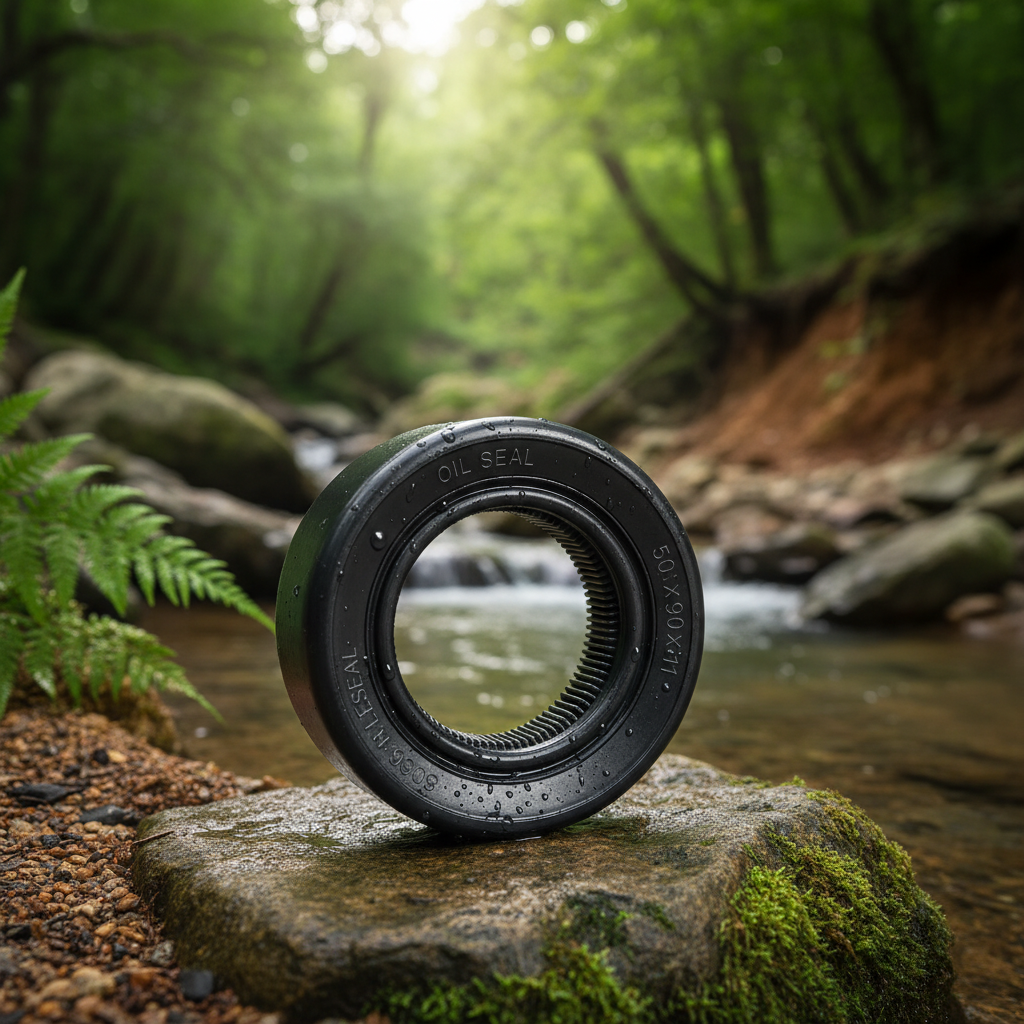
A 50x90x10 oil seal, simply put, is a mechanical component designed to prevent the leakage of fluids (like oil, grease, or water) between rotating or reciprocating parts and the stationary housing. The dimensions – 50mm inner diameter, 90mm outer diameter, and 10mm width – are critical for ensuring a proper fit and effective seal. It’s often constructed from materials like nitrile rubber (NBR), silicone, or fluorocarbon rubber (FKM) depending on the application requirements.
Its connection to modern industry is undeniable. Modern machinery relies on precise lubrication and fluid containment to operate efficiently and reliably. The 50x90x10 oil seal contributes directly to these capabilities. Without it, critical components would quickly fail due to friction, contamination, or insufficient lubrication. This affects everything from large-scale industrial equipment to everyday consumer products.
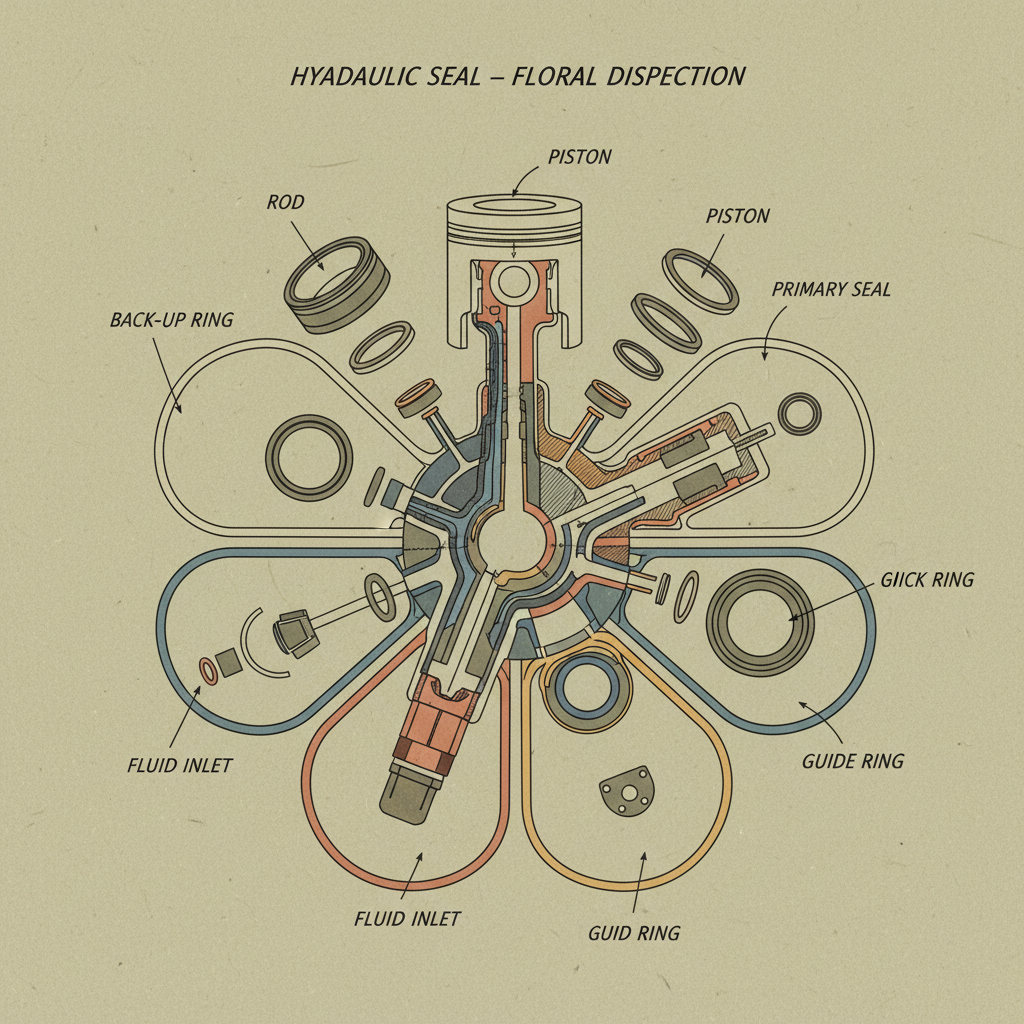
While seemingly simple, the design of a 50x90x10 oil seal is a sophisticated balance of materials, geometry, and precision manufacturing. The lip of the seal, which makes contact with the rotating shaft, is crucial for maintaining a tight seal under various operating conditions. The correct selection of materials is critical to ensure compatibility with the fluid being sealed and the operating temperature range.
Key Performance Characteristics
The effectiveness of a 50x90x10 oil seal hinges on several key characteristics. Durability is paramount, as seals are often subjected to harsh conditions, including high temperatures, pressures, and abrasive contaminants. Material selection plays a significant role in determining durability, with FKM seals offering superior resistance to chemicals and extreme temperatures.
Compatibility with the fluid being sealed is equally important. Incompatible materials can cause the seal to swell, degrade, or lose its sealing properties. Nitrile rubber (NBR) is a common choice for oil-based fluids, while silicone is often used for water-based fluids. Temperature Resistance defines the operational range where the seal maintains its integrity. Pressure Rating dictates the maximum pressure the seal can withstand without leaking.
50x90x10 Oil Seal Performance Comparison
Diverse Applications Across Industries
The 50x90x10 oil seal finds applications in a vast range of industries. In the automotive sector, it's used in engines, transmissions, and differentials to prevent oil leakage. The hydraulic machinery industry relies on these seals in pumps, cylinders, and valves to maintain pressure and prevent contamination. Similarly, the aerospace industry employs them in aircraft engines and landing gear systems.
In industrial manufacturing, 50x90x10 oil seals are essential for ensuring the reliable operation of conveyors, gearboxes, and other critical equipment. Even in seemingly unrelated sectors like food processing, they’re used in pumps and motors that handle food-grade fluids. Regions with significant industrial activity, like East Asia and Europe, demonstrate a particularly high demand for these seals.
Advantages and Long-Term Value Proposition
Investing in high-quality 50x90x10 oil seals translates to tangible long-term benefits. Cost savings are realized through reduced downtime, lower maintenance expenses, and extended equipment lifespan. The reliability these seals provide enhances operational efficiency and minimizes disruptions to production processes. Using quality seals also reduces the risk of environmental damage due to fluid leaks.
Beyond the practical benefits, there’s a significant element of safety – preventing fluid leaks reduces slip hazards and minimizes the risk of fire or explosion. Choosing the right seal also fosters trust and confidence in the reliability of equipment, bolstering a company’s reputation and strengthening relationships with customers. The long-term value lies in these combined benefits, creating a more sustainable and efficient operation.
Future Trends and Technological Advancements
The future of 50x90x10 oil seal technology is focused on enhancing performance, sustainability, and integration with emerging technologies. Research and development efforts are concentrated on creating seals with improved wear resistance, chemical compatibility, and temperature stability. The adoption of advanced materials, such as specialized polymers and composite materials, will play a key role.
Furthermore, there's a growing trend towards smart seals – incorporating sensors to monitor seal condition and predict potential failures. This predictive maintenance capability will enable proactive repairs, minimizing downtime and maximizing equipment lifespan. The push for sustainability is also driving the development of biodegradable and eco-friendly seal materials.
The integration of 50x90x10 oil seal data with digital twin technologies offers a promising avenue for optimizing performance and predicting potential issues in complex machinery. These advancements will contribute to increased efficiency, reduced environmental impact, and enhanced reliability in a wide range of industrial applications.
Challenges and Solutions
Despite their widespread use and reliability, 50x90x10 oil seals can face challenges. One common issue is seal failure due to improper installation. Incorrect mounting procedures can damage the seal lip, leading to premature wear and leakage. Another challenge is material incompatibility with the fluid being sealed, resulting in swelling, degradation, or loss of sealing properties.
Solutions include implementing rigorous quality control procedures during installation, providing detailed training to maintenance personnel, and offering seal selection guidance based on specific application requirements. Employing advanced seal design features, such as reinforced lips and optimized geometries, can also enhance durability and performance.
The implementation of predictive maintenance programs utilizing sensor data can help identify seals nearing the end of their lifespan, enabling proactive replacement and preventing catastrophic failures. Addressing these challenges through a combination of improved installation practices, material selection, and technological advancements will ensure the continued reliability of 50x90x10 oil seals in diverse applications.
Summary of 50x90x10 Oil Seal Solutions and Improvements
| Challenge |
Root Cause |
Proposed Solution |
Expected Outcome |
| Premature Seal Failure |
Improper Installation |
Enhanced Training & QC |
Increased Seal Lifespan |
| Seal Degradation |
Material Incompatibility |
Advanced Material Selection |
Improved Chemical Resistance |
| Unexpected Leakage |
High Operating Pressure |
Seal Design Optimization |
Enhanced Pressure Rating |
| Reduced Efficiency |
Friction & Wear |
Low-Friction Coatings |
Reduced Energy Consumption |
| Unscheduled Downtime |
Lack of Predictive Maintenance |
Sensor Integration & Monitoring |
Proactive Replacement |
| Environmental Impact |
Non-Biodegradable Materials |
Sustainable Material Research |
Reduced Carbon Footprint |
FAQS
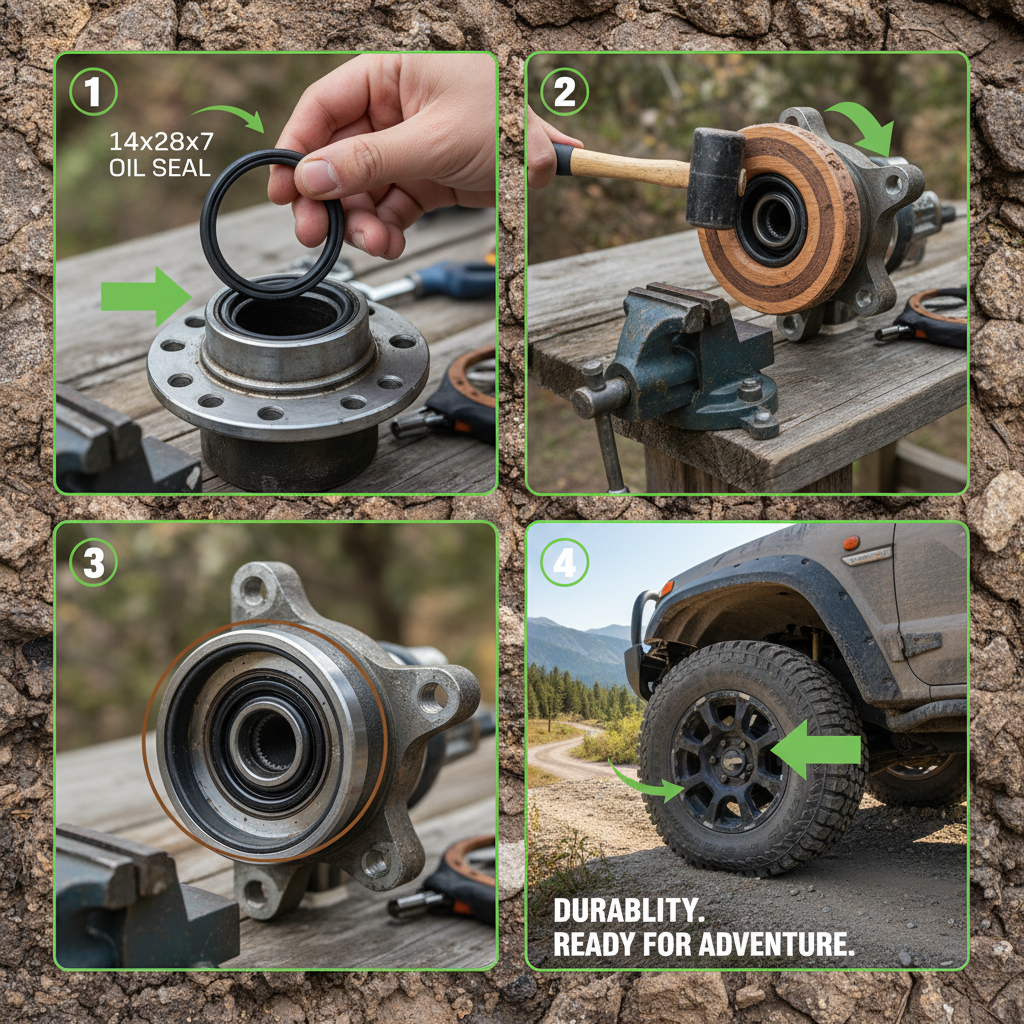
Proper installation is crucial. Begin by ensuring the shaft and housing are clean and free of burrs. Lightly lubricate the seal lip with the fluid it will be sealing. Use a dedicated seal installation tool to avoid damaging the seal. Install the seal squarely and avoid excessive force. Incorrect installation can lead to premature failure and leakage, significantly impacting performance. Always refer to the manufacturer’s instructions for specific guidance.
Nitrile rubber (NBR) is a common, cost-effective material suitable for oil-based fluids. Silicone offers good temperature resistance and is ideal for water-based fluids. Fluorocarbon rubber (FKM) provides superior resistance to chemicals and extreme temperatures but is more expensive. Polyurethane is known for its excellent abrasion resistance. The best material depends on the specific application, fluid compatibility, and operating conditions. Careful material selection is essential for optimal performance.
Replacement frequency depends on operating conditions and seal material. Regularly inspect seals for signs of wear, cracking, or swelling. A preventative maintenance schedule should be established based on the equipment’s usage and the manufacturer’s recommendations. In high-stress applications, seals may need to be replaced every 6-12 months. In less demanding applications, they may last several years. Implementing a predictive maintenance program can help determine the optimal replacement interval.
Common causes of failure include improper installation, material incompatibility, excessive heat, abrasion from contaminants, and high operating pressures. Shaft misalignment and runout can also contribute to premature wear. Using the wrong type of seal for the application is another frequent cause of failure. Regularly inspecting the system for potential issues can help prevent these failures.
Not all seals are compatible with all fluids. It’s crucial to select a seal material that is chemically compatible with the fluid being sealed. Using an incompatible material can cause the seal to swell, degrade, or lose its sealing properties. Refer to compatibility charts provided by seal manufacturers to ensure the proper material selection for the specific fluid application.
High-quality 50x90x10 oil seals are available from reputable industrial supply companies and seal manufacturers. Hkaiseal offers a wide selection of seals with various materials and specifications. Ensure the supplier has a proven track record of delivering reliable products and providing excellent customer support. Consider certifications and quality control standards when choosing a supplier.
Conclusion
The 50x90x10 oil seal, while a small component, plays a vital role in the reliability and efficiency of countless mechanical systems. Its proper selection, installation, and maintenance are crucial for preventing leaks, minimizing downtime, and extending equipment lifespan. Understanding the different materials, performance characteristics, and applications of these seals is essential for engineers, maintenance personnel, and anyone involved in the operation of rotating machinery.
Looking ahead, advancements in materials science and sensor technology will continue to improve the performance and reliability of 50x90x10 oil seals. Implementing predictive maintenance strategies and embracing sustainable materials will be key to maximizing the long-term value of these critical components. For reliable sealing solutions and expert guidance, visit our website: Hkaiseal.