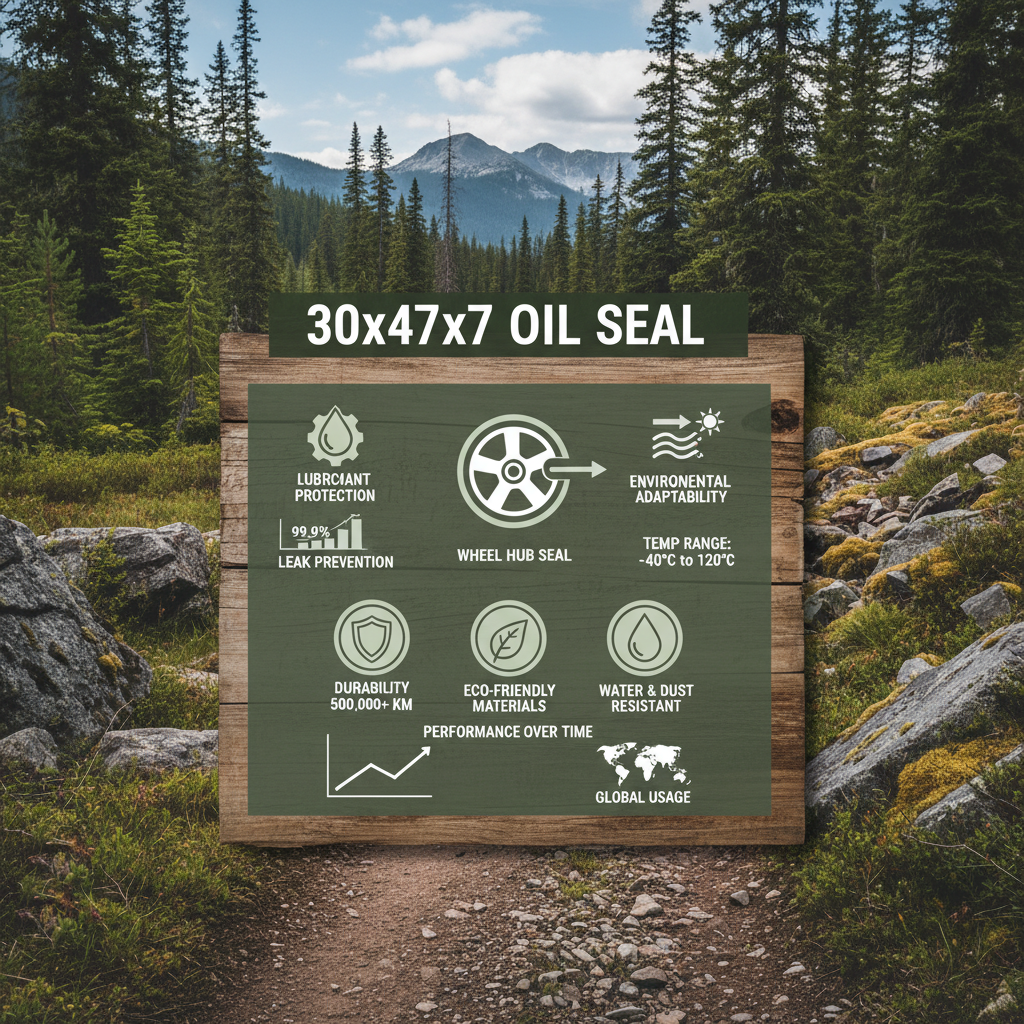
The 30x47x7 oil seal is a critical component in a vast array of mechanical systems, ensuring the efficient containment of fluids and the prevention of contaminants. Its standardized dimensions make it a versatile solution across industries, from automotive and aerospace to industrial machinery and hydraulic systems. Understanding the specifications, materials, and applications of a 30x47x7 oil seal is vital for maintaining operational efficiency and preventing costly downtime.
Globally, the demand for reliable sealing solutions like the 30x47x7 oil seal is driven by the continued growth of manufacturing, transportation, and infrastructure development. As industries strive for increased performance and reduced environmental impact, the quality and precision of sealing components become paramount. A failure in a seemingly small component like this can have cascading effects on larger systems, impacting productivity and safety.
The 30x47x7 oil seal plays a silent but crucial role in keeping the world's machinery running smoothly. Its prevalence stems from a successful blend of readily available materials, consistent manufacturing processes, and its adaptability to a wide range of operating conditions. Effective sealing is no longer simply about preventing leaks; it's about maximizing efficiency, minimizing waste, and ensuring the longevity of expensive equipment.
Introduction to 30x47x7 Oil Seals
The 30x47x7 oil seal is a precisely engineered component, named for its dimensions: 30mm inner diameter, 47mm outer diameter, and 7mm width. This standardization allows for easy integration into numerous applications requiring a reliable barrier against fluid leakage. 30x47x7 oil seal are often constructed from materials like nitrile rubber (NBR), silicone, or Viton, selected based on the fluid being sealed and the operating temperature.
These seals function by creating a static or dynamic barrier, preventing the escape of liquids or gases while simultaneously excluding contaminants. The lip of the seal, pressed against the rotating shaft or stationary surface, provides the primary sealing force. Proper lubrication and surface finish are critical for optimal performance and extended seal life.
Global Relevance and Industry Context
The global market for oil seals, including the 30x47x7 variant, is significant and steadily growing, driven by the expanding automotive, industrial, and aerospace sectors. According to industry reports, the sealing solutions market is projected to reach billions of dollars in the coming years, with Asia-Pacific representing the largest regional market due to its robust manufacturing base. The demand is fueled by the need for improved efficiency, reduced emissions, and extended equipment lifespan.
A key challenge facing industries globally is minimizing fluid loss and preventing environmental contamination. Leaking fluids can lead to workplace hazards, equipment failures, and costly cleanup operations. Reliable oil seals like the 30x47x7 are therefore essential for maintaining safety standards and regulatory compliance. The ISO standards for sealing performance play a crucial role in ensuring quality and consistency across manufacturers.
Furthermore, the increasing focus on sustainability and resource conservation is driving demand for high-performance seals that reduce fluid consumption and minimize waste. The 30x47x7 oil seal, when properly selected and maintained, contributes to these goals by preventing leaks and extending the operational life of valuable equipment.
Defining the 30x47x7 Oil Seal
A 30x47x7 oil seal is a mechanical component designed to prevent leakage of fluids (oil, grease, water, etc.) from rotating or reciprocating machinery. Its dimensions – 30mm ID, 47mm OD, and 7mm width – denote the precise size required for fitting into a corresponding housing bore. The seal typically consists of a metallic case, an elastomer lip, and often a spring to maintain sealing pressure.
The connection to modern industry is profound. Virtually any machine with rotating parts – engines, pumps, gearboxes, axles – relies on oil seals to function efficiently. Without effective sealing, lubrication would be lost, friction would increase, and components would quickly wear out, leading to failure. This translates to significant economic losses and potential safety hazards.
Considering humanitarian needs, oil seals aren't directly visible, but are vital in generators supplying power to hospitals, water pumps providing clean water, and transport vehicles delivering aid. The reliability of these systems fundamentally depends on the integrity of components like the 30x47x7 oil seal, ensuring critical services are maintained during emergencies.
Key Factors of 30x47x7 Oil Seal Performance
Durability: The material composition of a 30x47x7 oil seal significantly impacts its longevity. Nitrile rubber (NBR) is common for oil resistance, while Viton offers superior heat and chemical resistance. The quality of the metal case also plays a role in withstanding mechanical stress.
Temperature Resistance: Operating temperature is a critical factor. Exceeding the seal’s temperature limits can cause hardening, cracking, and loss of sealing ability. Selecting a material appropriate for the application's temperature range is paramount.
30x47x7 Oil Seal Performance Metrics
Applications of the 30x47x7 Oil Seal
The 30x47x7 oil seal finds extensive use in automotive applications, particularly in wheel hubs, transmissions, and engines. Its standardized size allows for easy replacement and compatibility across various vehicle makes and models. In industrial settings, these seals are crucial in pumps, gearboxes, and hydraulic machinery, ensuring efficient operation and preventing fluid contamination.
Geographically, the demand is particularly high in manufacturing hubs across Asia (China, India, Japan) and Europe (Germany, Italy). These regions boast large automotive and industrial sectors that rely heavily on robust sealing solutions. Organizations involved in heavy machinery repair and maintenance also consistently utilize the 30x47x7 oil seal as a standard replacement part.
Advantages and Long-Term Value
The tangible benefits of using a high-quality 30x47x7 oil seal are numerous: reduced maintenance costs due to fewer leaks, extended equipment life from minimized wear, and improved operational efficiency by maintaining optimal lubrication. These translate directly into cost savings and increased productivity.
Beyond the economic advantages, a reliable seal contributes to a safer working environment by preventing fluid spills and reducing the risk of accidents. The peace of mind knowing that critical machinery is properly sealed fosters trust and confidence in the equipment's performance and longevity. The selection of appropriate 30x47x7 oil seal material directly contributes to sustainability goals by minimizing fluid waste and promoting responsible resource management.
Future Trends and Innovations in Oil Seal Technology
Emerging trends in oil seal technology include the development of advanced materials with enhanced wear resistance and temperature stability. Research into self-lubricating seals and designs that minimize friction is ongoing, aiming to further improve efficiency and reduce energy consumption. The integration of sensors into oil seals, enabling real-time monitoring of seal condition and predictive maintenance, is also gaining traction.
Automation in manufacturing processes is driving the need for seals that can withstand higher speeds and pressures. Digital transformation allows for more precise seal design and testing, while green energy initiatives are pushing the development of seals compatible with biodegradable fluids. The future of the 30x47x7 oil seal, and sealing technology generally, is deeply intertwined with these broader technological and environmental shifts.
The application of nanotechnology to seal materials promises to enhance their properties further, creating seals that are more durable, resistant to corrosion, and capable of operating in extreme conditions. This represents a significant leap forward in sealing technology, and the 30x47x7 oil seal will likely benefit from these advancements.
FAQS
For high-temperature applications, Viton (FKM) is generally the best choice for a 30x47x7 oil seal due to its excellent resistance to heat, chemicals, and oils. It can withstand temperatures up to 200°C (392°F) without significant degradation, ensuring reliable sealing performance. Nitrile rubber (NBR) is suitable for lower temperatures, but its performance declines significantly above 100°C (212°F). Silicone offers good temperature resistance, but may not be as chemically resistant as Viton.
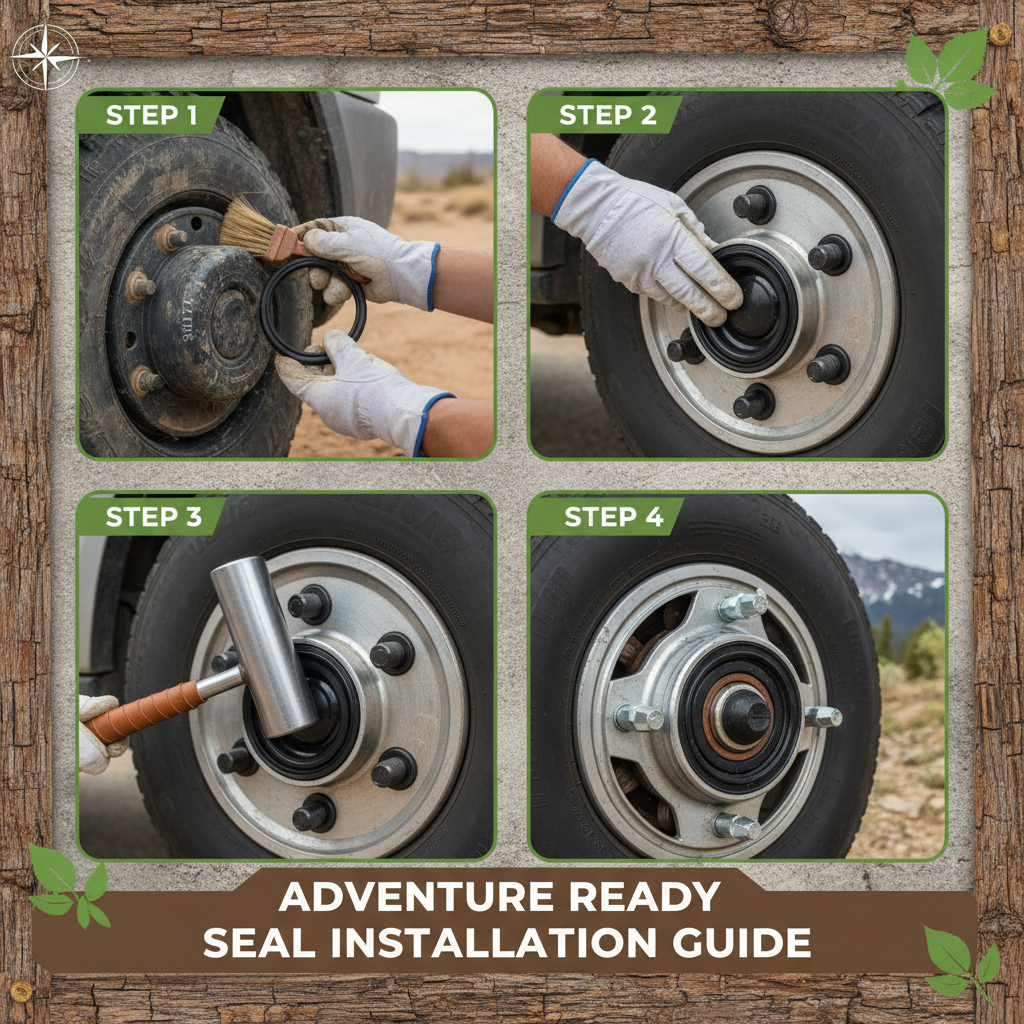
Correct installation is crucial for a 30x47x7 oil seal’s longevity. First, ensure the housing bore is clean and free from burrs or sharp edges. Apply a light coating of lubricant (compatible with the fluid being sealed) to both the seal lip and the shaft. Use a seal installation tool to gently press the seal into place, avoiding any tilting or twisting. Never use a hammer or excessive force, as this can damage the seal.
The lifespan of a standard 30x47x7 NBR oil seal varies depending on operating conditions. Under normal conditions (moderate temperature, pressure, and lubrication), it can typically last between 1,000 and 5,000 hours. Factors like excessive heat, abrasive contaminants, or improper lubrication will significantly reduce its lifespan. Regular inspection and preventative maintenance are recommended to maximize seal life.
Using a 30x47x7 oil seal with a significantly worn shaft is not recommended. The seal relies on a close fit to maintain a proper sealing lip. A worn shaft will allow leakage and accelerate seal wear. If the shaft is slightly worn, a shaft sleeve or repair wrap can be used to restore the original dimensions. However, for severely worn shafts, replacement is the best course of action.
Lubrication is absolutely critical for the proper function and longevity of a 30x47x7 oil seal. It reduces friction between the seal lip and the rotating shaft, preventing excessive wear and heat buildup. The lubricant also helps to flush away contaminants and maintain a consistent sealing barrier. Use a lubricant compatible with both the seal material and the fluid being sealed.
You can purchase high-quality 30x47x7 oil seals from reputable industrial suppliers and distributors. HKA Seal specializes in providing a wide range of oil seals, including the 30x47x7, with various material options to meet your specific application requirements. Ensure the supplier offers seals from trusted manufacturers and can provide technical support if needed.
Conclusion
The 30x47x7 oil seal, while seemingly a small component, is a cornerstone of efficient and reliable mechanical systems across a vast spectrum of industries. Understanding its dimensions, materials, applications, and the factors influencing its performance is crucial for maximizing equipment lifespan, minimizing downtime, and ensuring operational safety. Investing in high-quality 30x47x7 oil seals and proper installation practices yields significant long-term benefits.
Looking ahead, continued innovation in materials and sealing technologies will further enhance the performance and durability of these critical components. As industries evolve towards greater sustainability and efficiency, the role of the 30x47x7 oil seal will only become more vital. Visit our website at www.hkaiseal.com to explore our comprehensive range of oil seals and find the perfect solution for your needs.