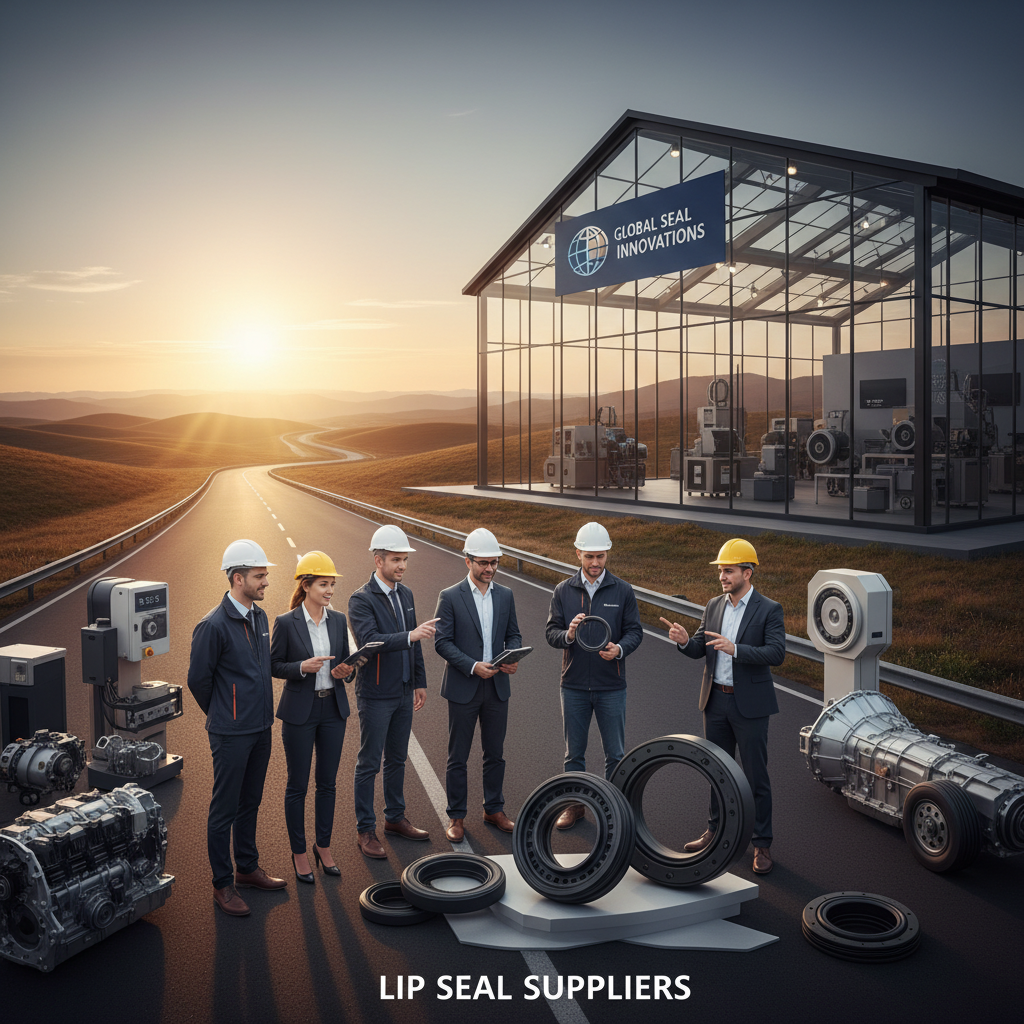
The 12x22x5 oil seal, a seemingly simple component, plays a critical role in countless industries globally. Its function – preventing leakage of fluids and contaminants – is fundamental to the operation of machinery ranging from automotive engines to complex industrial equipment. Understanding the nuances of this particular size oil seal, its materials, and applications is crucial for ensuring optimal performance, extending equipment lifespan, and minimizing downtime. The global demand for reliable sealing solutions, exemplified by the 12x22x5 oil seal, underpins smooth functioning across diverse sectors.
The relevance of the 12x22x5 oil seal extends beyond mere mechanical function. It contributes significantly to environmental protection by preventing the release of harmful fluids into the ecosystem. Furthermore, its consistent performance directly impacts operational efficiency, reducing waste and improving productivity. According to a report by the International Organization for Standardization (ISO), quality sealing components are paramount in industries prioritizing safety and sustainability. This specific size is common in a wide variety of applications, leading to substantial manufacturing and distribution networks worldwide.
In an era of increasing focus on preventative maintenance and optimized resource utilization, the 12x22x5 oil seal stands as a vital, yet often overlooked, element. Its reliability directly translates into cost savings for businesses and contributes to the overall longevity of critical infrastructure. From hydraulic systems to gearboxes, its dependable operation is integral to modern industrial processes.
The Foundational Role of the 12x22x5 Oil Seal
The 12x22x5 oil seal isn't merely a mechanical component; it's a foundational element in the reliable operation of countless machines. Its seemingly simple construction belies its critical role in preventing fluid leakage, maintaining pressure, and protecting sensitive internal parts from contaminants. A failure in even a single 12x22x5 oil seal can lead to significant downtime, costly repairs, and potential safety hazards.
This specific size, denoting 12mm inner diameter, 22mm outer diameter, and 5mm width, is standardized for compatibility across a wide range of applications. This standardization simplifies maintenance and replacement procedures, reducing operational costs and ensuring readily available parts. The widespread use of the 12x22x5 oil seal underscores its essential position in modern manufacturing and engineering.
Defining the 12x22x5 Oil Seal and Its Importance
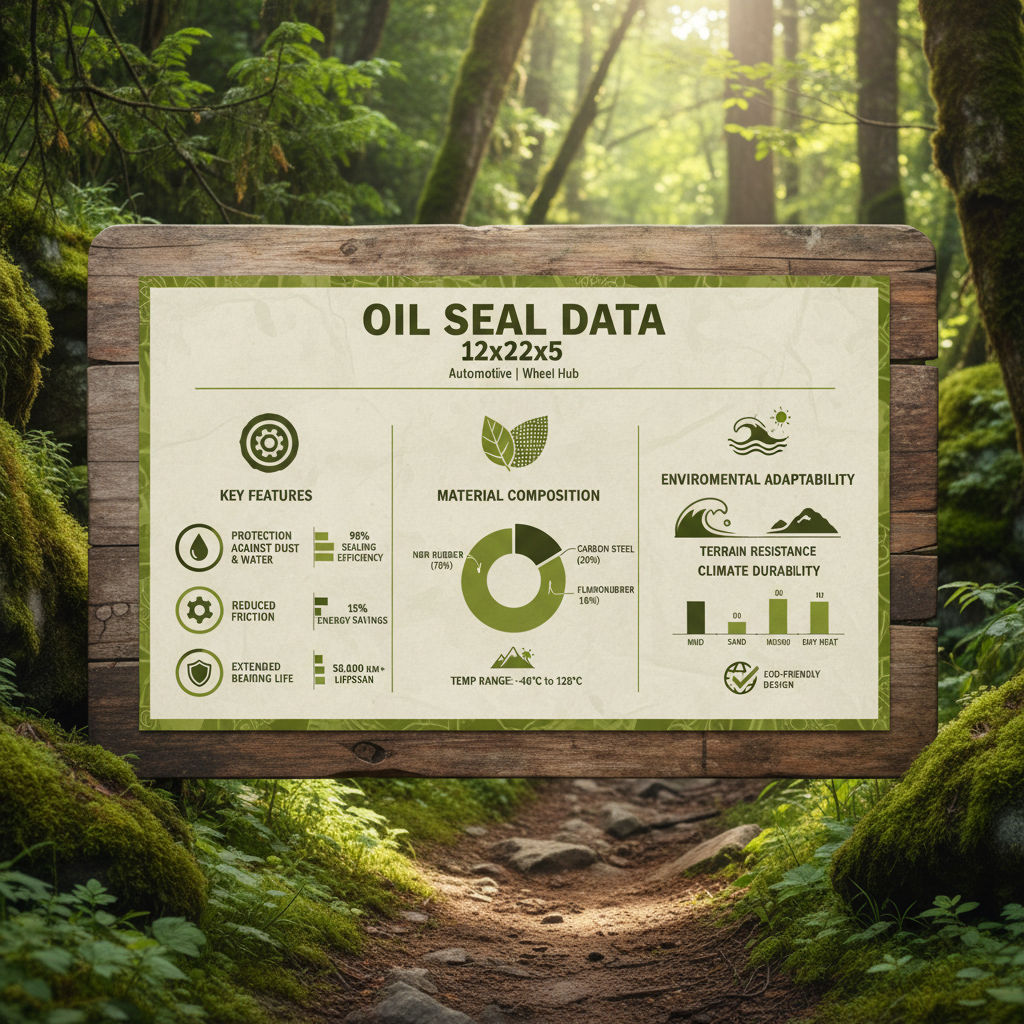
A 12x22x5 oil seal is a precisely engineered component designed to create a barrier between stationary and rotating parts in machinery. Typically constructed from materials like nitrile rubber (NBR), silicone rubber (VMQ), or Viton (FKM), it effectively prevents the escape of lubricants, oils, and greases, while simultaneously blocking the ingress of dirt, dust, and other contaminants. Its dimensions – 12mm inner diameter, 22mm outer diameter, and 5mm width – dictate its precise fit within the designated housing.
The importance of this seal lies in its ability to maintain system pressure, ensure smooth operation, and prolong the lifespan of expensive machinery. Without a properly functioning 12x22x5 oil seal, components can suffer from premature wear, corrosion, and eventual failure. This is particularly critical in applications demanding high precision and reliability.
The connection to modern industry is direct: virtually any machine with rotating parts – from pumps and compressors to gearboxes and engines – relies on oil seals like the 12x22x5 to function effectively. Its role contributes to increased efficiency, reduced maintenance, and ultimately, economic viability.
Core Characteristics of the 12x22x5 Oil Seal
Several key characteristics define the performance and suitability of a 12x22x5 oil seal. First is the material composition. Nitrile rubber (NBR) is common for general-purpose applications due to its cost-effectiveness and good resistance to petroleum-based oils. However, for higher temperatures or exposure to aggressive chemicals, Viton (FKM) or silicone rubber (VMQ) are preferred. Selecting the right material is crucial for optimal sealing performance.
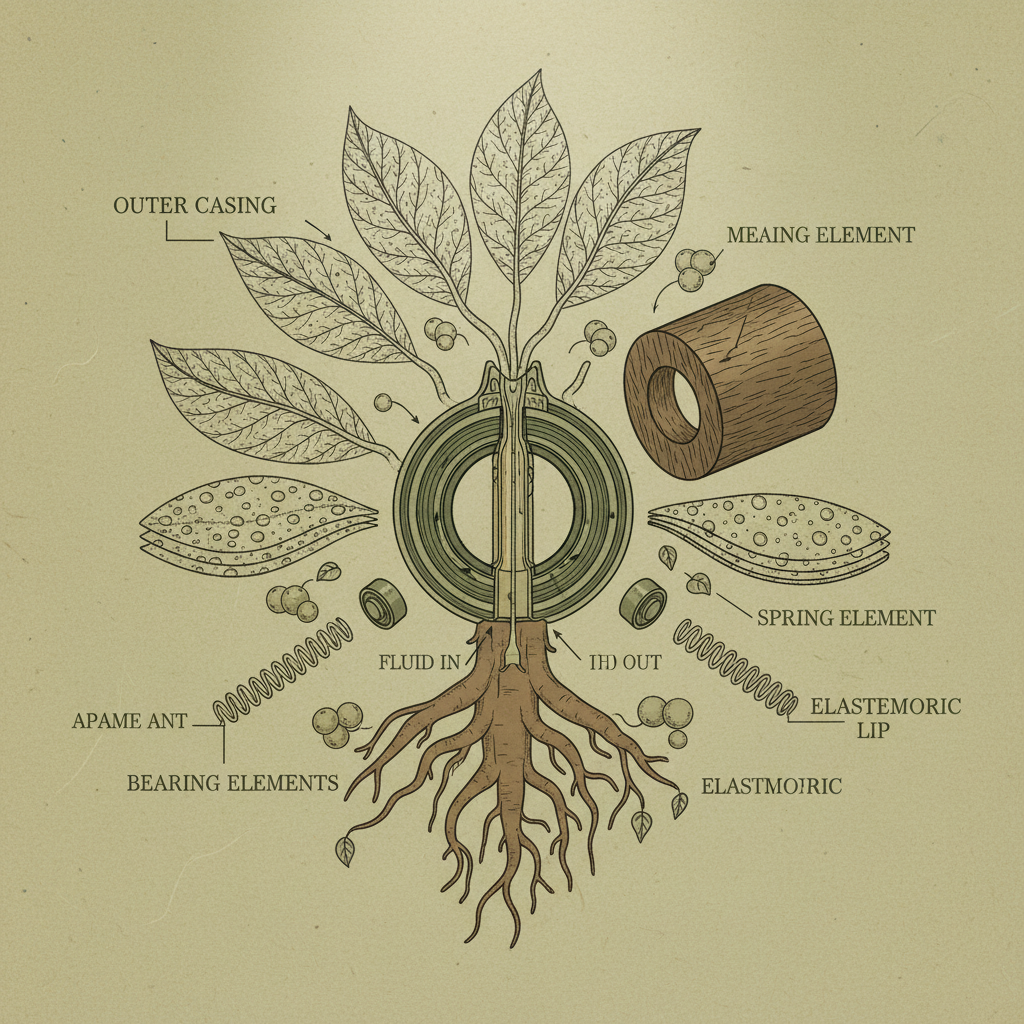
Another crucial aspect is the lip design. The sealing lip, made of the elastomeric material, is the primary contact point with the rotating shaft. Different lip profiles (e.g., single lip, double lip, dust lip) are available to suit specific applications and operating conditions. A double lip seal, for example, provides enhanced protection against leakage and contamination.
Finally, the spring loading of the seal is a significant factor. A spring ensures consistent contact between the lip and the shaft, even under varying temperatures and pressures. The spring material and force are carefully calibrated to optimize sealing performance without causing excessive friction or wear.
Performance Metrics and Applications of the 12x22x5 Oil Seal
Evaluating the performance of a 12x22x5 oil seal involves considering several key metrics. Leakage rate, temperature resistance, and wear resistance are paramount. Leakage rate, measured in milliliters per minute, indicates the seal's effectiveness in preventing fluid escape. Temperature resistance defines the operating temperature range within which the seal maintains its integrity. Wear resistance determines its longevity under continuous use.
These metrics directly inform the seal's application. The 12x22x5 oil seal commonly finds application in automotive gearboxes, motorcycle engines, pumps, hydraulic systems, and various industrial machinery. In automotive applications, it prevents oil leakage from the transmission and differential. In pumps, it safeguards bearings and seals against contamination. Understanding the specific demands of each application allows for optimal seal selection.
12x22x5 Oil Seal Performance Comparison
Global Applications and Industry Integration
The 12x22x5 oil seal is a globally utilized component, integrated across a diverse range of industries. In automotive manufacturing, particularly in Europe and Asia, it’s a staple in transmission and engine applications. The agricultural sector utilizes these seals in hydraulic systems powering tractors and harvesting equipment, predominantly in North and South America.
Industrial applications are widespread, with a significant demand emanating from manufacturing hubs in China, Germany, and the United States. These seals are crucial in maintaining the integrity of pumps, compressors, and gearboxes across various industries. Furthermore, the mining industry, particularly in Australia and South Africa, relies on durable 12x22x5 oil seals to withstand harsh operating conditions.
Advantages and Long-Term Value Proposition
The advantages of utilizing a high-quality 12x22x5 oil seal extend far beyond simply preventing leaks. The primary benefit is reduced downtime, as a reliable seal minimizes the risk of equipment failure. This translates directly into cost savings for businesses through increased productivity and reduced maintenance expenses. Furthermore, the use of appropriate materials contributes to environmental sustainability by preventing oil spills and contamination.
The long-term value proposition is significant. Investing in durable, high-performance 12x22x5 oil seals extends the lifespan of valuable machinery, maximizing return on investment. This proactive approach reduces the need for frequent replacements, lowers operational costs, and reinforces a commitment to operational reliability and responsible environmental stewardship.
Beyond the tangible benefits, utilizing reliable sealing solutions inspires trust and confidence in both the machinery and the overall operation.
Future Trends and Innovation in Oil Seal Technology
The future of oil seal technology, including the 12x22x5 oil seal, is focused on enhanced performance, increased durability, and improved sustainability. Research and development are heavily invested in advanced materials, such as fluorosilicone rubber and specialized polymers, offering superior resistance to extreme temperatures, chemicals, and wear.
Furthermore, the integration of smart technologies, like embedded sensors within the seal itself, is emerging. These sensors can monitor seal performance in real-time, providing valuable data for predictive maintenance and preventing catastrophic failures. Digital twin technology will also play a crucial role, allowing engineers to simulate seal behavior under various operating conditions.
The increasing emphasis on green energy and automation is driving the demand for seals that can withstand higher speeds, pressures, and temperatures while minimizing friction and energy loss.
Summary of Key Considerations for 12x22x5 Oil Seal Selection
| Material Composition |
Operating Temperature |
Pressure Rating |
Application Specifics |
| Nitrile Rubber (NBR) |
-40°C to 100°C |
Up to 20 MPa |
General purpose machinery, low to moderate temperatures |
| Silicone Rubber (VMQ) |
-60°C to 200°C |
Up to 10 MPa |
High and low temperature environments, food processing |
| Viton (FKM) |
-20°C to 200°C |
Up to 30 MPa |
Exposure to aggressive chemicals, high temperatures |
| Polyurethane |
-30°C to 80°C |
Up to 25 MPa |
High abrasion resistance, hydraulic systems |
| ACM |
-20°C to 150°C |
Up to 15 MPa |
Oil resistance, automotive applications |
| HNBR |
-40°C to 150°C |
Up to 25 MPa |
High temperature and oil resistance, demanding applications |
FAQS
The lifespan of a 12x22x5 oil seal varies significantly depending on the operating environment, the quality of the seal material, and the application itself. Generally, a well-maintained seal can last anywhere from 1,000 to 5,000 hours of operation. Factors like temperature, pressure, contamination levels, and shaft speed all contribute to wear and tear. Regular inspection and replacement as needed are crucial to prevent failure.
For high-temperature environments, Viton (FKM) or Silicone Rubber (VMQ) are typically the best choices for a 12x22x5 oil seal. Viton offers excellent resistance to heat, chemicals, and oils, maintaining its properties up to 200°C. Silicone rubber is also suitable for high temperatures and provides flexibility, however, it may not be as resistant to certain chemicals as Viton. The specific application needs to be considered when selecting the optimal material.
Proper installation of a 12x22x5 oil seal is critical for ensuring its effectiveness. First, ensure the housing bore is clean and free of any burrs or sharp edges. Gently lubricate the seal lip with a compatible lubricant. Use a seal installation tool to avoid damaging the seal during insertion. Ensure the seal is seated squarely and fully within the housing. Avoid using excessive force that could deform the seal.
Common causes of 12x22x5 oil seal failure include improper installation, contamination, excessive temperature or pressure, and material incompatibility. Abrasive particles can damage the sealing lip, leading to leaks. Incorrect shaft alignment can also contribute to premature wear. Choosing the wrong material for the operating environment will also lead to faster degradation and ultimate failure.
While a general-purpose lubricant can sometimes be used, it's always best to select a lubricant specifically designed for compatibility with the oil seal material. Using an incompatible lubricant can cause the seal to swell, shrink, or degrade, leading to leaks and premature failure. Consult the seal manufacturer’s recommendations for the optimal lubricant to ensure long-lasting performance.
High-quality 12x22x5 oil seals are available from a variety of industrial supply companies and online retailers. Hkaiseal is a reputable supplier known for offering a wide selection of seals and expert technical support. When purchasing, ensure the seals meet relevant industry standards and are from a trusted manufacturer.
Conclusion
The 12x22x5 oil seal, despite its unassuming size, remains a critical component in countless mechanical systems across the globe. Its ability to prevent leakage, protect against contamination, and ensure reliable operation directly impacts efficiency, sustainability, and cost-effectiveness in a vast range of industries. Understanding its characteristics, selecting the appropriate material, and ensuring proper installation are crucial for maximizing its long-term value.
Looking ahead, advancements in materials science and smart technologies will continue to enhance the performance and reliability of oil seals like the 12x22x5. Embracing these innovations and prioritizing proactive maintenance will be essential for maintaining the longevity of critical infrastructure and driving continued progress across diverse sectors. For all your oil seal needs, visit our website: www.hkaiseal.com