The 8mm shaft seal is a critical component in a vast array of mechanical systems, ensuring leak-proof operation and preventing contamination. Its applications span diverse industries, from automotive and aerospace to manufacturing and fluid power. Understanding the nuances of these seals—their materials, designs, and performance characteristics—is essential for engineers, technicians, and anyone involved in maintaining rotating equipment. The effectiveness of an 8mm shaft seal directly impacts equipment longevity, operational efficiency, and overall system reliability.
Globally, the demand for high-quality 8mm shaft seals is driven by the continuous growth of industrialization and the increasing need for robust and dependable mechanical components. According to market research reports, the sealing solutions market, which includes shaft seals, is projected to reach significant growth in the coming years, fueled by expanding manufacturing sectors in Asia-Pacific and increasing automation across industries. This underlines the critical role these seemingly small components play in larger economic trends.
The 8mm shaft seal effectively addresses challenges related to fluid leakage, contamination, and wear in rotating machinery. Failure to properly seal rotating shafts can lead to costly downtime, environmental damage, and safety hazards. Therefore, selecting the right 8mm shaft seal for a specific application is paramount.
The Core Functionality of 8mm shaft seal
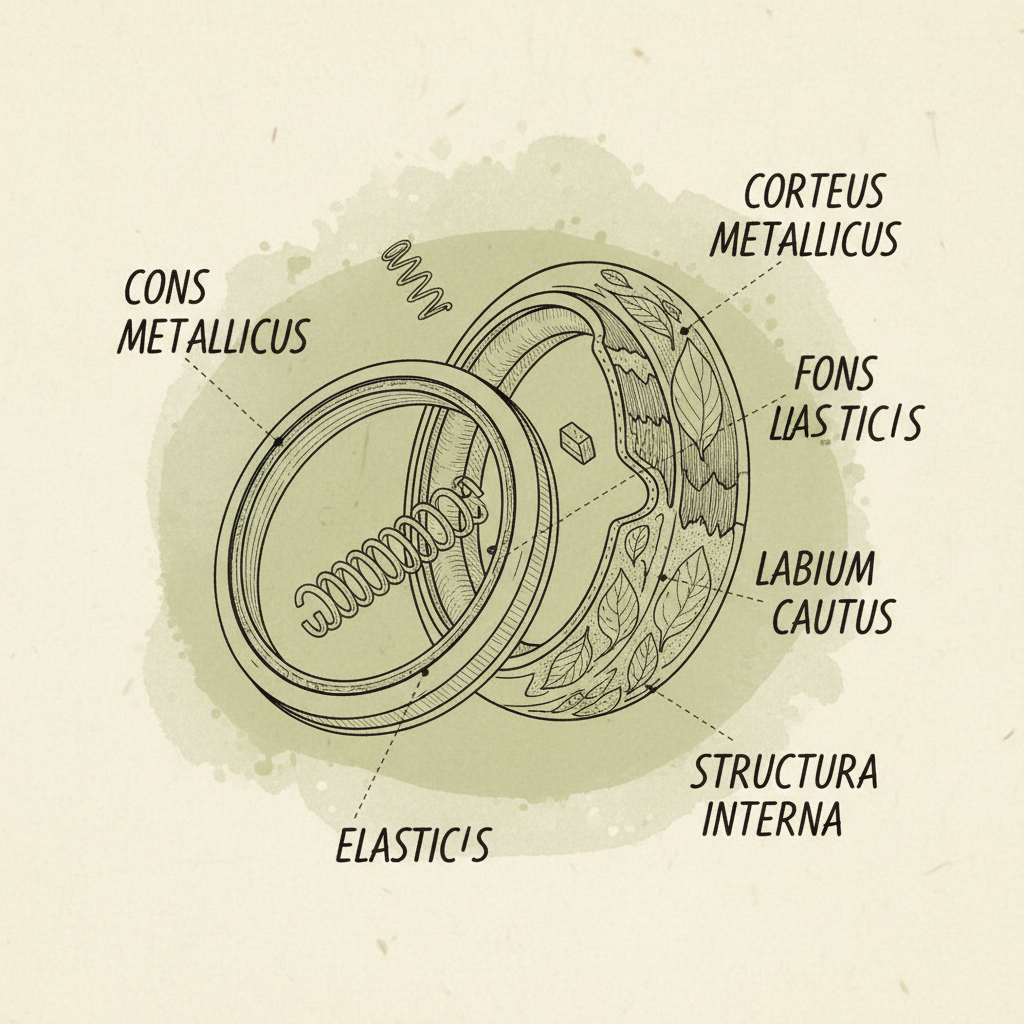
The primary function of an 8mm shaft seal is to create a dynamic barrier between a rotating shaft and a stationary housing, preventing the leakage of fluids (liquids or gases) and keeping contaminants out. This is achieved through the precise contact between the seal’s lip and the shaft’s surface. Different materials and designs are selected based on the specific application and the fluids being sealed.
The effectiveness of an 8mm shaft seal hinges on several factors, including material compatibility, surface finish, shaft speed, and temperature. A correctly installed and maintained 8mm shaft seal contributes significantly to the overall efficiency and longevity of the equipment it protects.
The Global Relevance of 8mm shaft seal
8mm shaft seals are ubiquitous across the global industrial landscape. They are integral to the operation of pumps, gearboxes, engines, and a wide range of other rotating equipment found in industries such as automotive, agriculture, construction, and manufacturing. The demand for these seals is directly correlated with global economic activity and manufacturing output.
The Asia-Pacific region represents the largest and fastest-growing market for shaft seals, driven by rapid industrialization in countries like China and India. Europe and North America also maintain significant demand, particularly for high-performance seals used in specialized applications. International standards, such as those set by ISO, govern the quality and performance of these components, ensuring consistency and reliability across different regions.
The increasing focus on sustainability and environmental protection is also driving the demand for more advanced and leak-proof 8mm shaft seals, minimizing fluid loss and reducing the risk of environmental contamination.
Defining the 8mm shaft seal
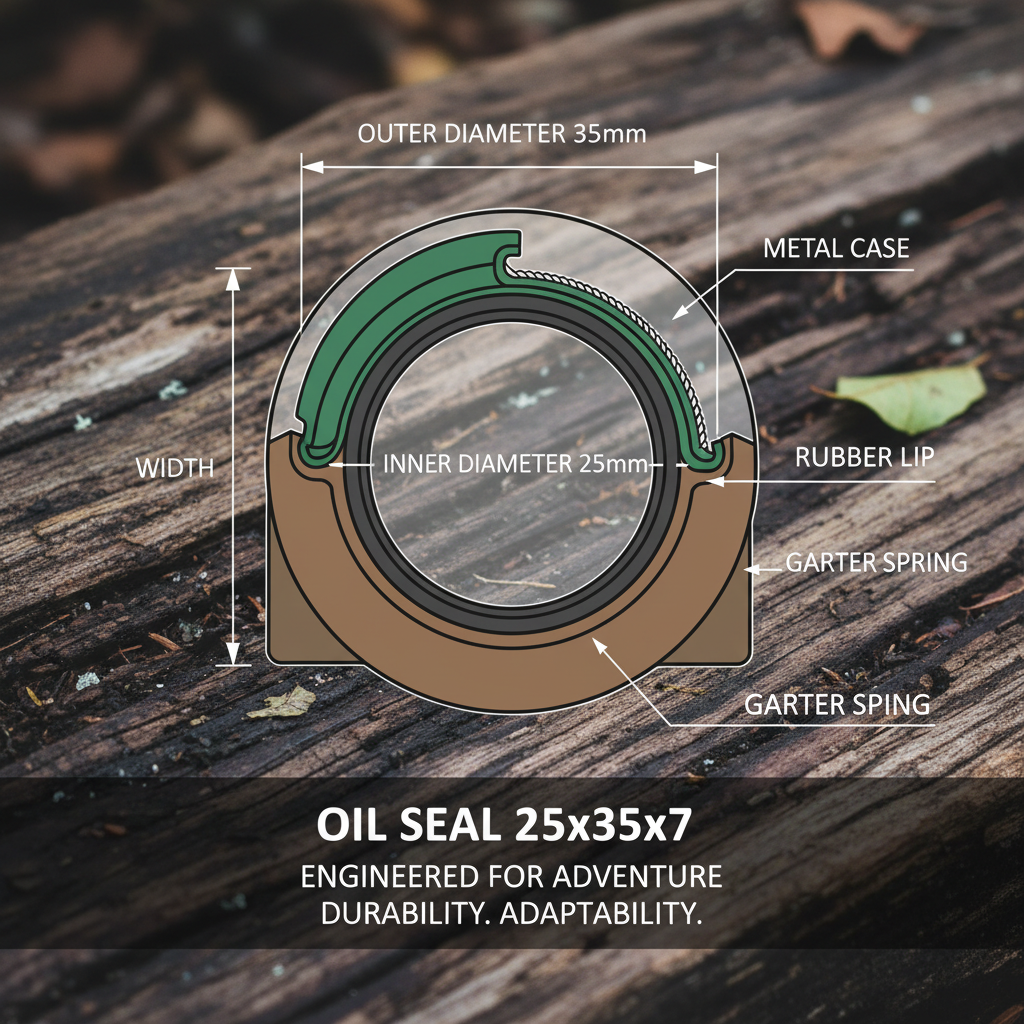
An 8mm shaft seal is a mechanical component designed to prevent leakage from a rotating assembly where a shaft passes through a housing. The ‘8mm’ refers to the shaft diameter for which the seal is designed, although slight variations can exist depending on the manufacturer and specific application. These seals typically consist of an elastomeric lip that is pressed against the shaft surface, creating a tight seal.
The connection to modern industry is profound. Without reliable seals like the 8mm shaft seal, machinery would be prone to failure, leading to production downtime, increased maintenance costs, and potential safety hazards. They are critical in maintaining the efficiency and reliability of countless industrial processes.
In essence, the 8mm shaft seal contributes to resource conservation, improved product quality, and safer working environments – factors vital to both economic progress and humanitarian needs.
Key Performance Factors of 8mm shaft seal
Durability is a paramount concern when selecting an 8mm shaft seal. Seals must withstand continuous operation, fluctuating temperatures, and exposure to various fluids without degrading or failing. Material selection plays a crucial role here, with options like nitrile rubber (NBR), Viton (FKM), and silicone rubber (VMQ) offering varying degrees of resistance to different chemicals and temperatures.
Compatibility with the fluid being sealed is another key factor. The seal material must be chemically compatible with the fluid to prevent swelling, shrinking, or degradation, which would compromise its sealing ability. Selecting the wrong material can lead to premature failure and costly repairs.
Performance Characteristics of Various 8mm shaft seal Materials
Diverse Applications of 8mm shaft seal
In the automotive industry, 8mm shaft seals are critical components in engines, transmissions, and axles, preventing oil leaks and ensuring smooth operation. They are also extensively used in hydraulic systems across various industries, including construction equipment and agricultural machinery.
Furthermore, the 8mm shaft seal finds applications in pumps and compressors, playing a vital role in maintaining pressure and preventing fluid contamination. Within the manufacturing sector, these seals ensure the reliable functioning of conveyor systems, packaging equipment, and robotic arms.
Advantages and Long-Term Value of 8mm shaft seal
The tangible benefits of using high-quality 8mm shaft seals include reduced maintenance costs, increased equipment lifespan, and improved operational efficiency. By preventing leaks and contamination, these seals minimize downtime and maximize productivity. The initial cost of a robust 8mm shaft seal is often offset by the long-term savings realized through reduced repairs and replacements.
Beyond the economic advantages, reliable 8mm shaft seals contribute to enhanced safety and environmental protection. By containing hazardous fluids, they minimize the risk of spills and contamination, protecting workers and the surrounding environment.
Future Trends in 8mm shaft seal Technology
Innovation in 8mm shaft seal technology is focused on developing materials with enhanced durability, chemical resistance, and temperature stability. Research is underway to explore the use of advanced polymers and composite materials, offering superior performance in demanding applications.
The integration of smart technologies, such as sensors embedded within the seal, is another emerging trend. These sensors can monitor seal performance in real-time, providing early warnings of potential failures and enabling proactive maintenance. This aligns with the broader trend of predictive maintenance and Industry 4.0.
Sustainability is also driving innovation, with manufacturers exploring the use of bio-based and recyclable materials to reduce the environmental impact of 8mm shaft seals.
Key Performance Metrics of Modern 8mm shaft seal Designs
| Seal Material |
Temperature Range (°C) |
Chemical Resistance (1-5) |
Wear Resistance (1-5) |
| Nitrile Rubber (NBR) |
-40 to 120 |
3 |
3 |
| Viton (FKM) |
-20 to 200 |
5 |
4 |
| Silicone Rubber (VMQ) |
-60 to 230 |
2 |
2 |
| PTFE |
-200 to 260 |
5 |
5 |
| EPDM |
-50 to 150 |
4 |
3 |
| Hydrogenated Nitrile Butadiene Rubber (HNBR) |
-40 to 150 |
4 |
4 |
FAQS
The lifespan of an 8mm shaft seal varies greatly depending on the application, operating conditions, and seal material. Generally, a well-maintained seal can last anywhere from 6 months to several years. Factors like shaft speed, temperature, fluid compatibility, and the presence of abrasive particles significantly impact longevity. Regular inspection and proactive replacement are crucial to preventing failures.
Selecting the correct material is vital. Consider the fluid being sealed, operating temperature, and potential exposure to chemicals. Nitrile (NBR) is a common all-purpose material, while Viton (FKM) offers superior chemical resistance. Silicone is suitable for high-temperature applications, and PTFE provides exceptional resistance to nearly all chemicals. Consult material compatibility charts or a sealing specialist for guidance.
Common causes include improper installation, shaft surface damage, misalignment, excessive heat, and incompatible fluids. Abrasive particles within the fluid can also cause premature wear. Regular inspection for signs of leakage, wear, or damage is crucial for identifying potential problems before they lead to complete seal failure.
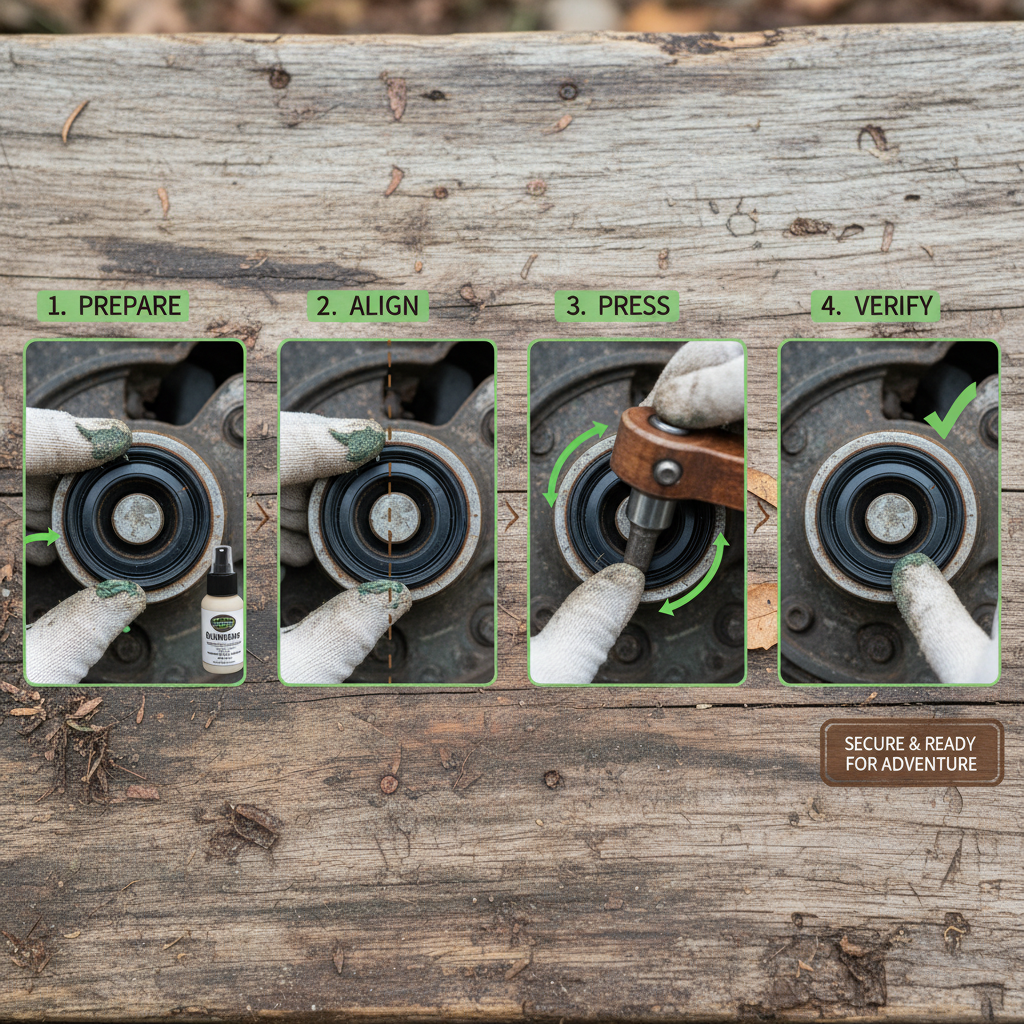
Proper installation is critical for seal performance. Ensure the shaft surface is smooth and free of burrs or scratches. Use a specialized seal installation tool to avoid damaging the seal lip during installation. Apply a thin coat of lubricant compatible with the seal material and the fluid being sealed. Follow the manufacturer's instructions carefully.
In most cases, an 8mm shaft seal needs to be replaced rather than repaired. Once a seal has begun to leak or show signs of wear, its sealing ability is compromised. Attempting to repair a damaged seal can often lead to further issues and potential equipment failure. Replacement with a new, high-quality seal is the most reliable solution.
High-quality 8mm shaft seals offer numerous benefits, including reduced downtime, lower maintenance costs, increased equipment lifespan, and improved safety. They provide superior leak protection, prevent contamination, and operate reliably under demanding conditions. Investing in quality seals can save significant money and hassle in the long run.
Conclusion
In conclusion, the 8mm shaft seal, though a seemingly small component, is a critical element in the smooth and reliable operation of countless mechanical systems worldwide. Its performance directly impacts efficiency, safety, and sustainability across a wide range of industries. Understanding the key factors that influence seal selection, installation, and maintenance is essential for maximizing its benefits.
Looking ahead, innovations in materials, design, and smart technology will continue to enhance the performance and longevity of 8mm shaft seals. By embracing these advancements, businesses can further optimize their operations, reduce costs, and contribute to a more sustainable future. For reliable 8mm shaft seals, visit our website: https://www.hkaiseal.com.