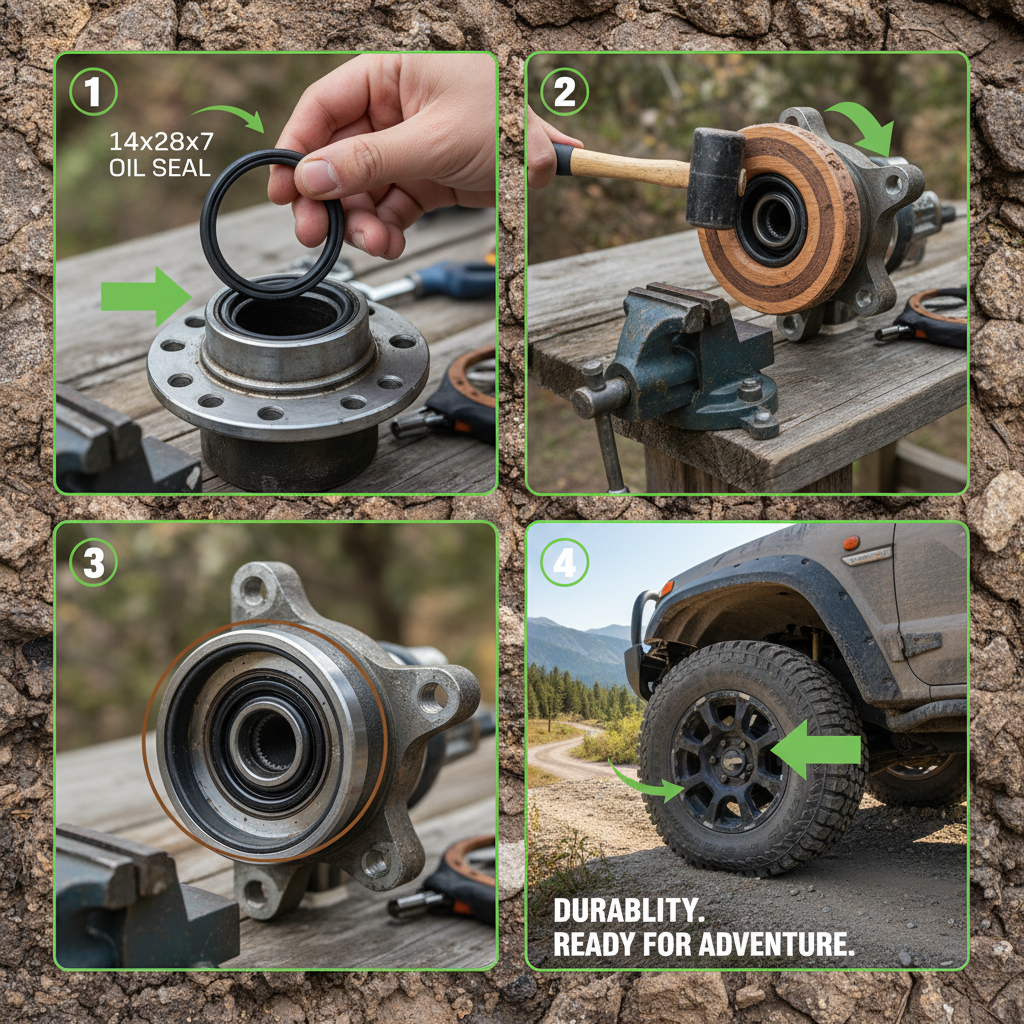
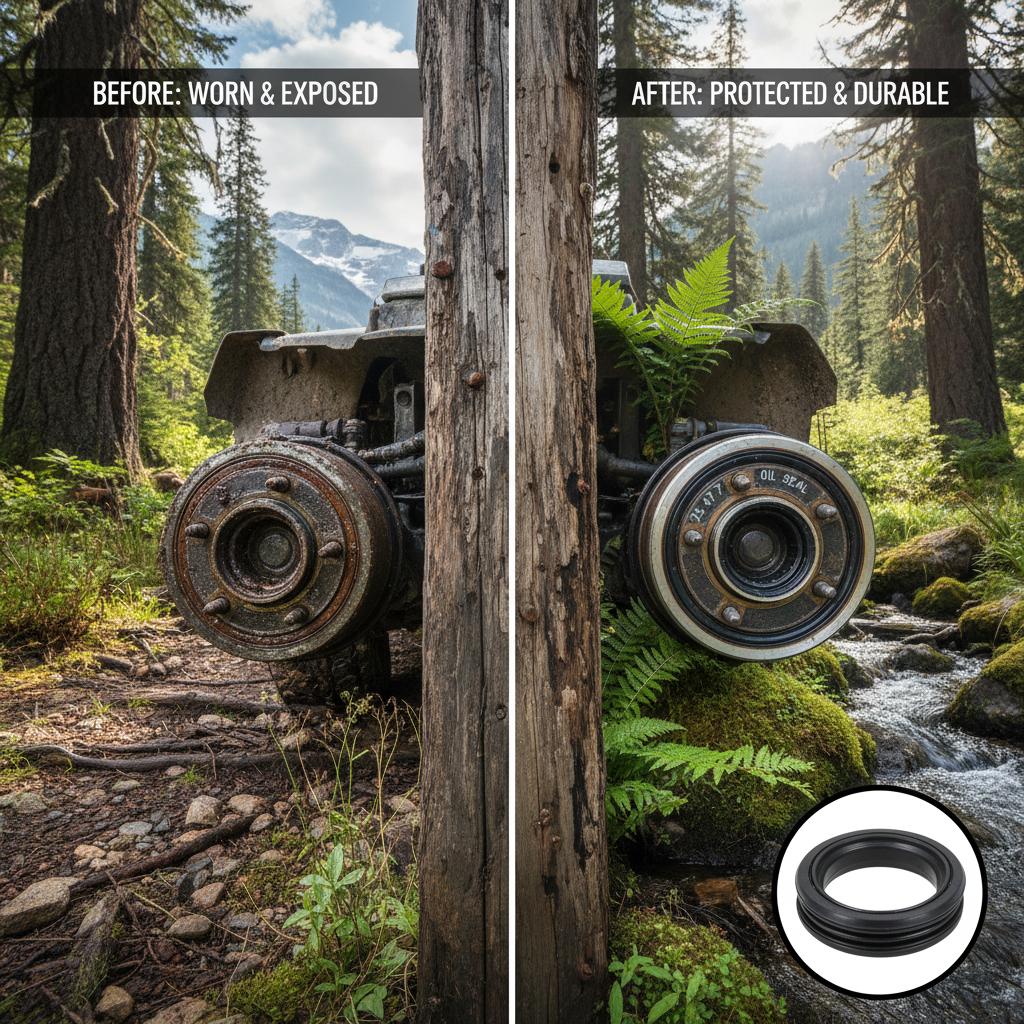
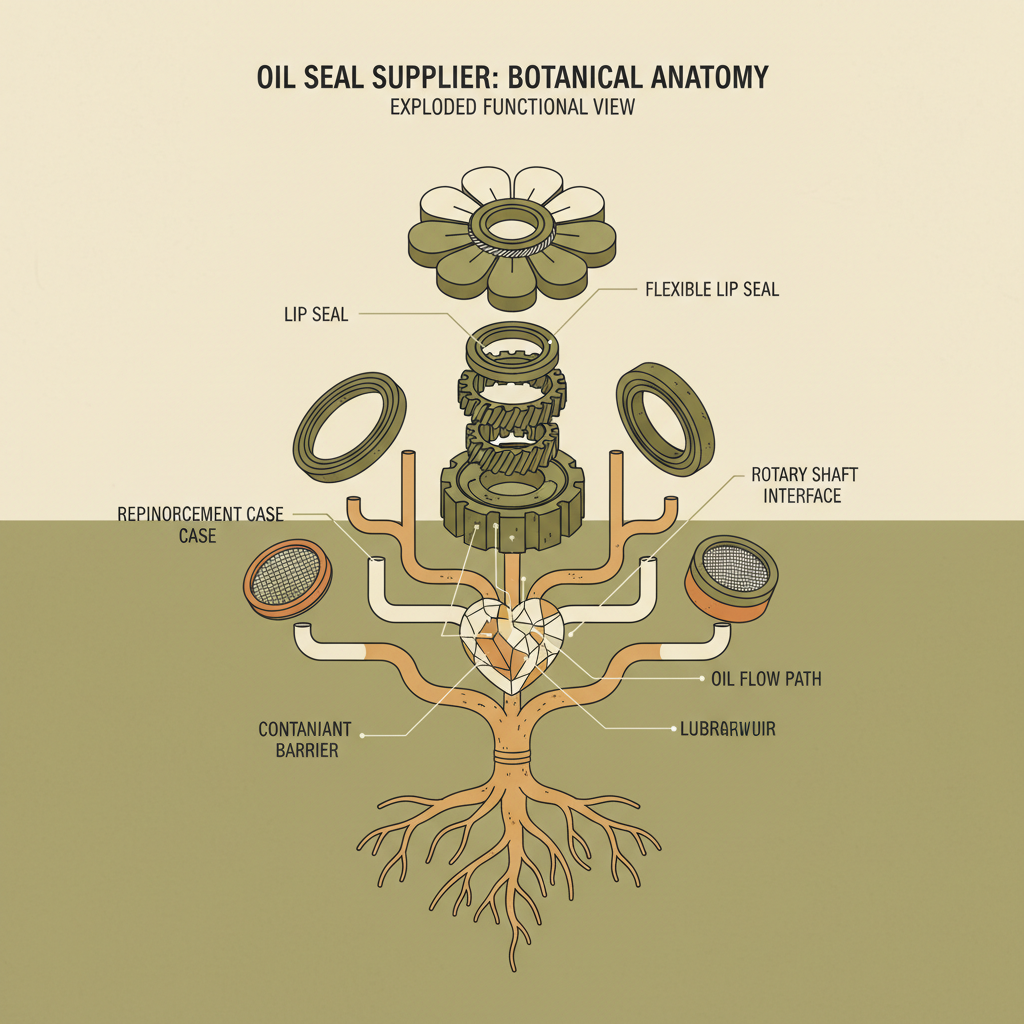
You know, after running around construction sites all year, you start to see patterns. Right now, everyone's chasing higher performance, smaller sizes, and, of course, lower costs. It’s the usual song and dance, but the pressure's really ramped up. Particularly with these skeleton oil seals… they're demanding a lot more now. Used to be, a basic seal did the job. Now, it's got to withstand higher temperatures, more aggressive chemicals, and tighter tolerances. It’s… exhausting, honestly.
One thing I’ve noticed, and this is crucial, is how easily people fall into the trap of over-engineering. They see a spec sheet, they want to exceed it by 20%, and suddenly you've got this massively complex, expensive seal that's… well, it’s just not practical. Simplicity is key, but nobody wants to listen to the old man.
To be honest, the materials are where things get interesting. We primarily use nitrile rubber – the smell is… distinctive, you get used to it. It's tough, oil-resistant, but can get brittle in extreme temperatures. Then there’s Viton, fluoroelastomer, much more resistant to chemicals and heat, but it feels… slick. And expensive. Real expensive. Handling it, you gotta be careful, it doesn’t feel as robust as the nitrile. Then you get into the PTFE, Teflon, stuff… that’s a whole different ballgame. Feels almost… waxy.
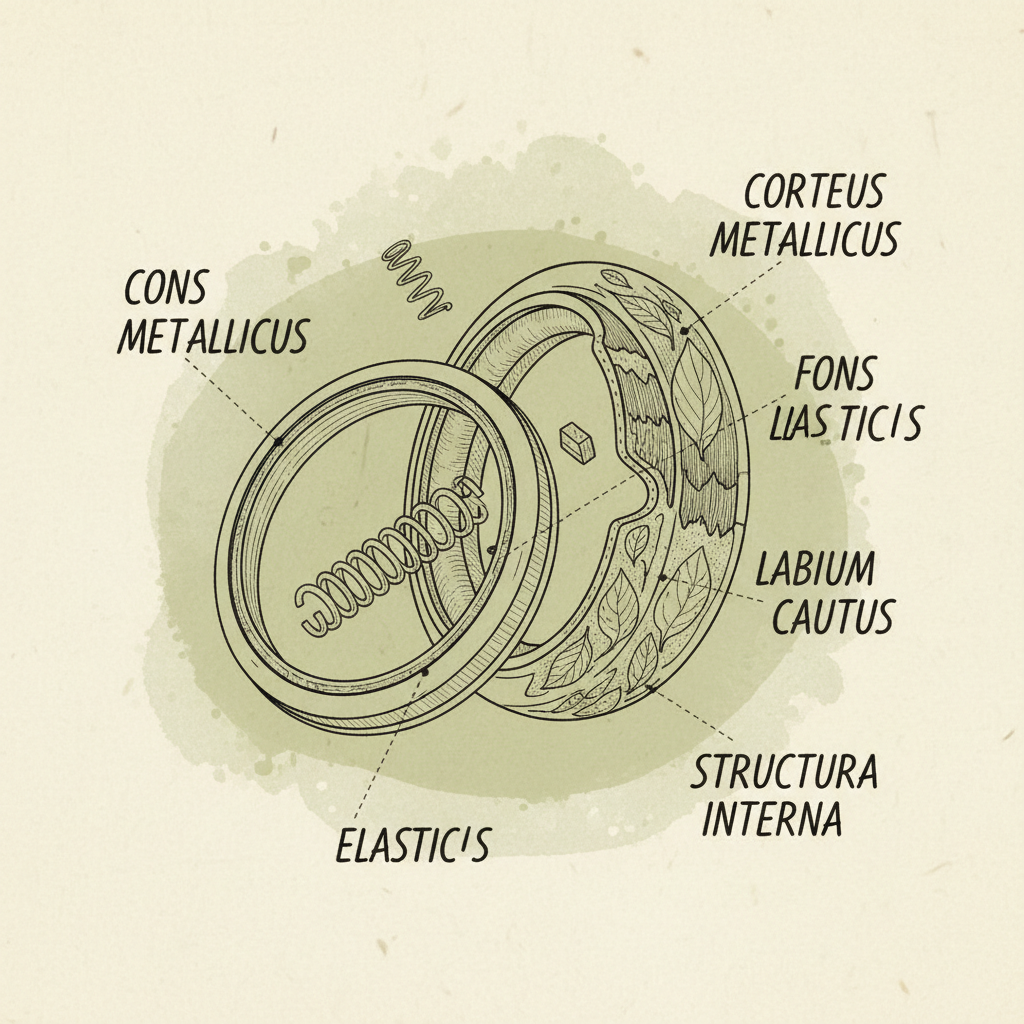
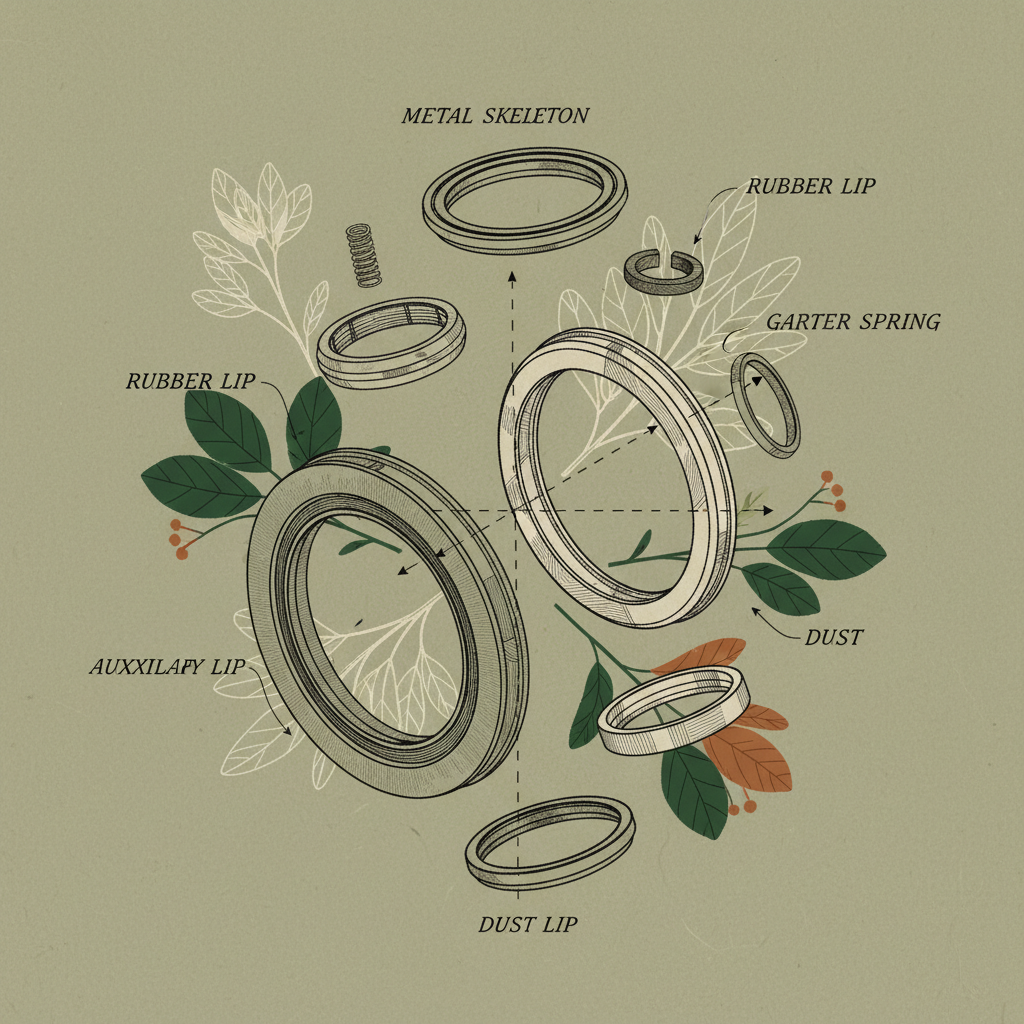
Have you noticed the push for miniaturization? Everything's gotta be smaller, lighter. Which is fine, until you try to squeeze a high-performance seal into a space it doesn’t belong. And then you get leaks, failures… a whole lot of headaches. It's a constant balancing act. There's a lot of talk about sustainability these days, which is good, but finding eco-friendly materials that can actually perform...that’s the hard part.
Strangely, a lot of engineers design these things based on simulations. Simulations are great, don't get me wrong, but they don't account for the vibration, the grit, the sheer abuse these seals take in the real world. You need to actually see it in action.
Honestly, it’s not considering the operating environment. People get fixated on the size and price, and forget about the temperature, pressure, and chemicals the seal will be exposed to. That's a recipe for disaster. It's about matching the material properties to the specific application. Too often, they just grab the cheapest option and hope for the best. And then they call me when it fails.
Crucially important. A rough shaft surface will tear up the seal in no time. You need a smooth, polished finish, free from any scratches or burrs. We usually recommend a Ra value of 0.8 micrometers or less. It makes a huge difference in the seal's lifespan and performance. I’ve seen seals fail within hours because of a poor shaft finish. It’s not worth the risk.
It’s not ideal. Abrasive fluids will wear down the seal material over time, leading to leaks. If you absolutely have to use a skeleton oil seal with abrasive fluids, you need to choose a material that is highly abrasion-resistant, like a PTFE-based compound. And be prepared to replace the seal more frequently.
Misalignment is a big one. If the seal isn’t properly aligned with the shaft, it will wear unevenly and fail prematurely. Contamination is another major issue – dirt, grit, and other particles can damage the sealing lip. And, as I said before, improper installation is a common culprit. It's all about attention to detail.
There’s some interesting work being done with advanced polymers and coatings to improve wear resistance and reduce friction. Also, self-lubricating seals are gaining traction, particularly in applications where regular lubrication is difficult or impossible. But honestly, most of the advancements are incremental improvements rather than revolutionary breakthroughs. The basics still matter most.
You can tweak a lot of parameters – the material, the lip profile, the spring tension, the dimensions. We had a client last year who needed a seal with a custom lip geometry to accommodate a very tight space. It was a challenging project, but we managed to deliver a solution that met their specific needs. But there’s a limit, of course. We can’t defy the laws of physics.
So, there you have it. Skeleton oil seals aren’t glamorous, but they’re essential. They’re the unsung heroes of the industrial world. The trends are pushing for higher performance and smaller sizes, but the fundamentals remain the same – choose the right material, ensure proper installation, and protect the seal from contamination. It’s about understanding the application and making informed decisions.
Ultimately, whether this thing works or not, the worker will know the moment he tightens the screw. He’ll feel it. That's what I always say. And if he doesn't feel right, well, you know there's a problem. And that's why I keep running around these construction sites.