Metric shaft seals are critical components in a vast array of machinery and equipment across numerous industries. These seals, designed to prevent leakage of fluids or gases along a rotating shaft, are essential for maintaining operational efficiency, protecting sensitive components, and ensuring overall system reliability. The precision engineering and materials science behind metric shaft seals directly impact performance and longevity in applications ranging from automotive engines to industrial pumps.
Globally, the demand for high-quality metric shaft seals is driven by industrial expansion, particularly in emerging economies, and the increasing complexity of modern machinery. According to ISO standards, consistent performance and reliability are paramount, leading to stringent requirements for materials, manufacturing processes, and quality control. The challenge lies in balancing cost-effectiveness with the need for durable, high-performing seals that can withstand harsh operating conditions.
Understanding the nuances of metric shaft seals—their materials, designs, and applications—is crucial for engineers, maintenance personnel, and anyone involved in the operation of rotating equipment. Investing in the right seal for a specific application can significantly reduce downtime, minimize maintenance costs, and extend the lifespan of valuable assets.
Introduction to metric shaft seals
Metric shaft seals are dynamic components responsible for containing fluids – whether oils, greases, water, or gases – within rotating machinery. They prevent leakage around the rotating shaft while simultaneously keeping contaminants out, protecting critical bearings and internal components. The performance of these seals is intrinsically linked to the efficiency and reliability of the overall system.
Choosing the correct metric shaft seal involves careful consideration of factors such as shaft speed, operating temperature, pressure, fluid compatibility, and the presence of abrasive particles. A properly selected and installed seal will minimize friction, reduce wear, and contribute to extended equipment life.
The Global Significance of Metric Shaft Seals
The global market for metric shaft seals is substantial and growing, driven by the continuous expansion of manufacturing, automotive, aerospace, and energy sectors. Developing nations, with their rapidly increasing industrialization, represent a significant portion of this demand. The United Nations Industrial Development Organization (UNIDO) estimates that industrial growth in developing countries necessitates a steady supply of critical components like seals to maintain production levels.
The consistent need for reliable seals is further underscored by the stringent quality standards imposed by international organizations like the International Organization for Standardization (ISO). These standards ensure that seals meet specific performance criteria, enhancing safety and reducing environmental impact. This adherence to global benchmarks plays a crucial role in international trade and supply chain management.
A significant challenge lies in the increasing demand for seals that can operate in extreme conditions – high temperatures, corrosive environments, and high pressures. Addressing this requires continuous innovation in materials science and seal design, leading to the development of advanced sealing solutions.
Defining Metric Shaft Seals
A metric shaft seal is a mechanical component specifically designed to create a barrier between a rotating shaft and its housing, preventing the escape of fluids or gases and the ingress of contaminants. The "metric" designation indicates that the seal's dimensions are based on the metric system, a standardized system of measurement widely used in manufacturing and engineering.
These seals are vital for the operation of countless machines, from the engines in our cars and trucks to the pumps and compressors used in industrial processes. Their function extends beyond mere fluid containment; they also contribute to energy efficiency by minimizing friction and wear. In essence, they safeguard critical components and prolong the life of equipment.
The modern need for efficient and reliable machinery directly relies on advanced metric shaft seals. Without effective sealing solutions, industrial processes would suffer significant losses due to leakage, contamination, and downtime, impacting both productivity and environmental sustainability.
Key Characteristics of Effective metric shaft seals
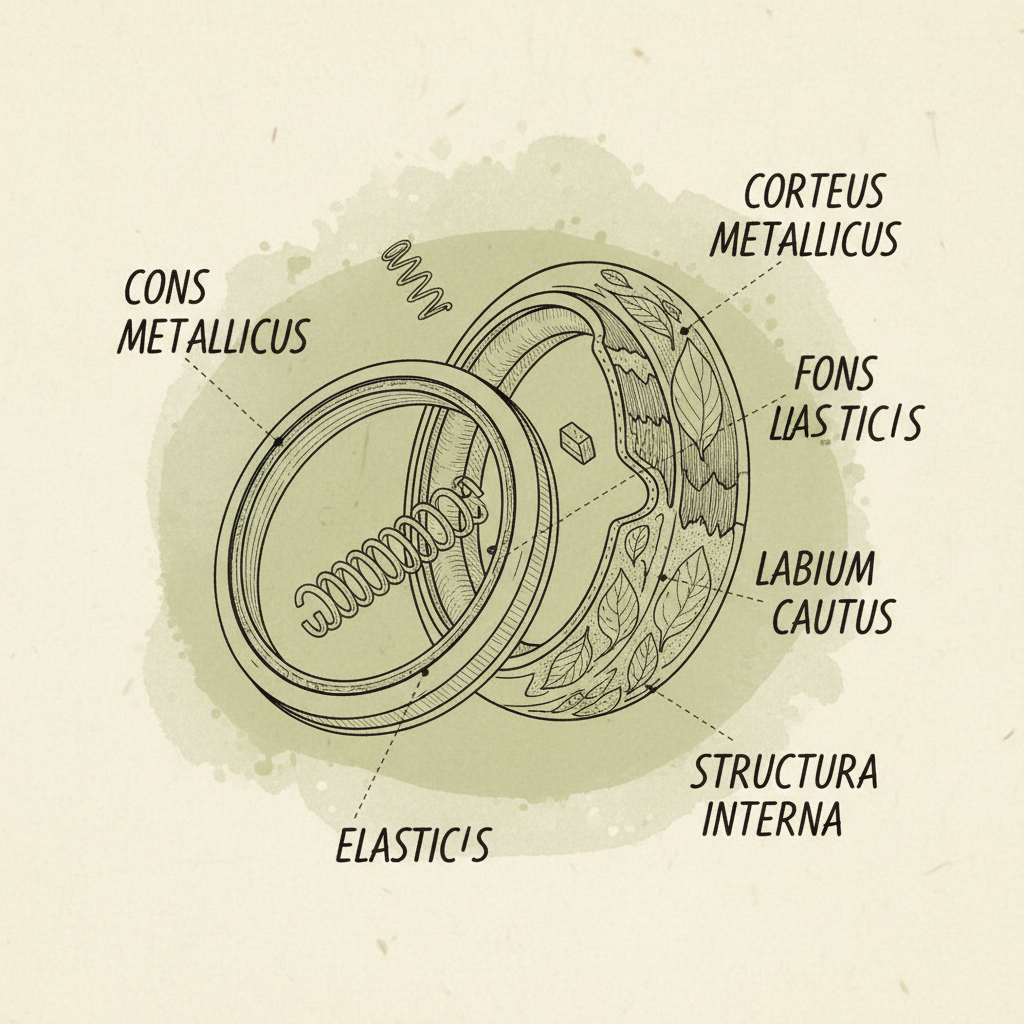
Effective metric shaft seals depend on several key characteristics. Firstly, material compatibility is crucial; the seal material must be resistant to the fluid it's sealing and the operating temperature. Secondly, dimensional accuracy ensures a proper fit and prevents leakage. A tight, precise fit is essential for optimal performance.
Thirdly, surface finish plays a critical role in minimizing friction and wear. A smooth surface reduces the amount of energy lost to friction and prolongs the seal’s life. Fourthly, spring force (in lip seals) maintains contact between the sealing lip and the shaft, compensating for wear and shaft imperfections. Finally, chemical resistance ensures the seal doesn’t degrade when exposed to the sealed fluid or environmental contaminants.
Metric Shaft Seal Performance Metrics
Real-World Applications of metric shaft seals
Metric shaft seals find application in an incredibly diverse range of industries. In the automotive sector, they are critical for sealing engine oil, transmission fluid, and coolant, ensuring smooth operation and preventing leaks. Within the aerospace industry, they maintain the integrity of hydraulic systems and fuel tanks, contributing to flight safety.
Industrial pumps and compressors rely heavily on these seals to prevent fluid leakage and maintain efficient operation. Furthermore, in the agricultural sector, they protect bearings in machinery exposed to harsh environments. In remote industrial zones, reliable seals are essential for minimizing maintenance downtime and ensuring continuous production.
The Advantages of Using Quality metric shaft seals
Investing in high-quality metric shaft seals yields numerous tangible benefits. Reduced downtime is a primary advantage; reliable seals minimize the risk of unexpected failures, leading to increased productivity. Lower maintenance costs are another benefit, as durable seals require less frequent replacement. Moreover, using appropriate seals contributes to energy efficiency by minimizing fluid loss and friction.
Beyond the purely economic advantages, quality seals contribute to improved safety and environmental protection. Preventing fluid leaks reduces the risk of workplace hazards and minimizes environmental contamination. The peace of mind that comes with knowing your equipment is protected by reliable seals fosters trust and confidence in your operations.
Future Trends in metric shaft seals Technology
The future of metric shaft seals is inextricably linked to advancements in materials science, manufacturing processes, and digital technologies. Researchers are actively developing new materials, such as advanced polymers and composites, with improved resistance to wear, temperature extremes, and chemical corrosion. These innovations will enhance seal performance and extend their lifespan.
Digital technologies, including predictive maintenance algorithms and sensor integration, are also playing an increasingly important role. Smart seals equipped with sensors can monitor their own condition and provide early warnings of potential failures, allowing for proactive maintenance. This shift towards predictive maintenance is driven by the desire for increased efficiency and reduced downtime.
Sustainability is another key driver of innovation, with a growing emphasis on developing eco-friendly seal materials and manufacturing processes. Bio-based polymers and recyclable materials are gaining traction as viable alternatives to traditional petroleum-based products. The integration of these advancements will shape the future of metric shaft seals.
FAQS
Metric shaft seals are typically manufactured from materials like nitrile rubber (NBR), Viton (FKM), silicone rubber (VMQ), and PTFE (Teflon). NBR is a cost-effective option for general-purpose applications, while Viton offers superior resistance to high temperatures and chemicals. Silicone provides excellent flexibility and temperature stability, and PTFE is known for its exceptional chemical inertness and low friction. The specific material choice depends on the application's requirements.
Determining the correct size requires precise measurements of the shaft diameter, housing bore, and seal width. It’s crucial to use a calibrated measuring tool and to account for tolerances. Seal manufacturers often provide detailed sizing guides and specifications. Incorrect sizing can lead to leakage or premature seal failure. Consulting with a seal specialist is recommended for complex applications.
A lip seal typically consists of a flexible lip that contacts the rotating shaft, providing a dynamic sealing surface. O-rings are static seals that rely on compression to create a barrier. Lip seals are best suited for applications involving rotating shafts, while O-rings are generally used for static joints. However, there are hybrid seals that combine features of both.
Proper installation is critical. Ensure the sealing surfaces are clean and free of debris. Lubricate the seal lip with a compatible lubricant during installation. Use a seal installation tool to avoid damaging the seal. Avoid over-stretching or twisting the seal. Double-check the seal’s orientation before applying pressure.
Premature failure can be caused by several factors, including incorrect installation, contamination, excessive temperature, chemical incompatibility, shaft misalignment, or mechanical damage. Regular inspection and preventative maintenance can help identify and address potential issues before they lead to seal failure. Using a high-quality seal designed for the specific application is also crucial.
Certain metric shaft seals, specifically those made from materials like Viton or PTFE and designed for low friction, can be used in vacuum applications. However, the seal design and material selection are crucial to ensure they can withstand the differential pressure and maintain a tight seal. Standard lip seals may not be suitable for all vacuum environments.
Conclusion
In conclusion, metric shaft seals are indispensable components in a wide range of industries, playing a critical role in ensuring the reliable and efficient operation of countless machines. Their performance is dictated by material selection, precise manufacturing, and proper installation, and their contribution extends beyond simple fluid containment to include energy efficiency, safety, and environmental protection.
Looking ahead, continued innovation in materials science, coupled with the integration of digital technologies, will drive further advancements in metric shaft seal technology. Embracing these advancements will be essential for meeting the evolving needs of a global industrial landscape increasingly focused on sustainability and efficiency. For high-quality, reliable metric shaft seals, visit our website: www.hkaiseal.com.