cfw oil seal technology plays a critical role in a vast array of industrial applications, ensuring the reliable operation of machinery and equipment across diverse sectors. These seals, meticulously engineered for specific performance characteristics, are fundamental to preventing leakage, maintaining pressure, and protecting vital components from contamination. Understanding the nuances of cfw oil seal design and material science is paramount for engineers, maintenance personnel, and procurement specialists alike.
The global demand for high-quality cfw oil seal solutions is steadily increasing, driven by the growth of industries such as automotive, aerospace, hydraulics, and manufacturing. This demand necessitates continuous innovation in materials, manufacturing processes, and seal designs to meet increasingly stringent performance requirements and environmental regulations. Statistical data from the ISO indicates a consistent annual growth rate of 3-5% in the global seal market, demonstrating its enduring significance.
Addressing the challenges of minimizing downtime, reducing maintenance costs, and enhancing overall system efficiency is where cfw oil seal technology truly shines. Choosing the correct cfw oil seal for a particular application can significantly improve equipment lifespan, optimize performance, and contribute to a safer and more sustainable operational environment.
Introduction to cfw Oil Seal Technology
cfw oil seal technology is a cornerstone of modern engineering, critical for preventing fluid leakage and contamination in a wide range of rotating and reciprocating machinery. These seals are not simply static barriers; they are dynamic components designed to withstand high pressures, extreme temperatures, and abrasive environments.
The evolution of cfw oil seal materials and designs has been driven by the need for improved reliability, extended service life, and reduced environmental impact. From traditional rubber-based seals to advanced polymer and composite materials, the industry continues to innovate to meet the ever-changing demands of modern industrial applications. A properly selected and installed cfw oil seal is fundamental to operational efficiency.
Defining cfw Oil Seal Functionality
A cfw oil seal, at its core, is a mechanical component designed to prevent the escape of fluids—such as oils, greases, and hydraulic fluids—from a contained system. This containment is essential for maintaining system pressure, lubricating moving parts, and preventing damage caused by contaminants. Different types of cfw oil seal designs exist, each optimized for specific operating conditions and applications.
The functionality of a cfw oil seal extends beyond simple leak prevention. They also play a critical role in protecting sensitive components from external debris, moisture, and corrosive elements. The seal’s ability to maintain a hermetic barrier contributes directly to the longevity and reliability of the machinery it serves.
In modern industry, the dependable function of a cfw oil seal directly impacts productivity, safety, and overall operational costs. The demand for seals with enhanced performance characteristics continues to grow as systems become more complex and operate in increasingly challenging environments.
Core Components of cfw Oil Seal Design
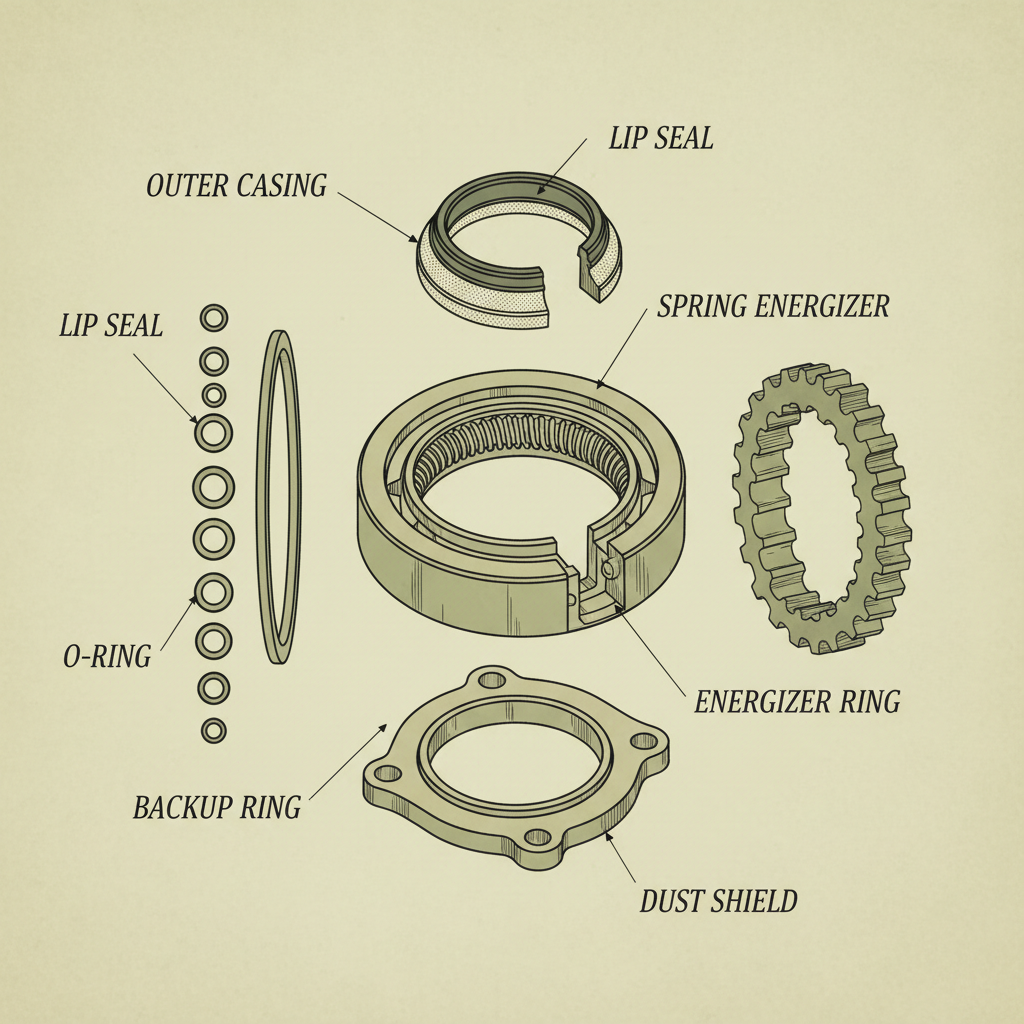
The design of a cfw oil seal involves several key components, each contributing to its overall performance and reliability. The sealing lip, typically made from an elastomeric material, is the primary barrier against fluid leakage. This lip is designed to maintain constant contact with the rotating shaft or stationary surface, creating a dynamic seal.
The case, usually constructed from metal or reinforced polymer, provides structural support and protects the sealing lip from external damage. Reinforcement rings, often made of steel or other durable materials, are incorporated into the seal design to enhance its dimensional stability and resistance to pressure distortion. Finally, the spring or elastomer energizer maintains the lip's contact pressure, ensuring a consistent and effective seal.
The interplay between these components dictates the seal’s ability to withstand extreme conditions, maintain its shape over time, and provide long-lasting performance. The careful selection of materials for each component is crucial for achieving optimal results in specific applications.
Performance Factors in cfw Oil Seal Applications
Numerous factors influence the performance of a cfw oil seal in a given application. Operating temperature, pressure, shaft speed, and the properties of the fluid being sealed all play critical roles. Furthermore, surface finish and alignment of mating components are paramount for preventing premature wear and leakage.
Material compatibility is also a key consideration. The seal material must be chemically resistant to the fluid it is sealing to prevent swelling, degradation, or loss of elasticity. A mismatch between the seal material and the fluid can lead to rapid failure and costly downtime.
cfw Oil Seal Performance Ratings by Method
Global Applications of cfw Oil Seal Solutions
cfw oil seal solutions are integral to a diverse range of industries worldwide. In the automotive sector, they are essential for sealing engines, transmissions, and axles, ensuring efficient operation and preventing oil leaks. In the aerospace industry, high-performance cfw oil seal are critical for hydraulic systems and engine components, where reliability is paramount.
The manufacturing sector relies heavily on cfw oil seal in pumps, compressors, and other rotating machinery. Hydraulic systems, commonly used in construction equipment and industrial machinery, require robust cfw oil seal to maintain pressure and prevent contamination. These seals are also widely used in the oil and gas industry, where they must withstand harsh operating conditions and corrosive fluids.
Advantages and Long-Term Value of cfw Oil Seal
Investing in high-quality cfw oil seal delivers significant long-term value. Reduced downtime and maintenance costs are primary benefits, as reliable seals minimize the risk of unexpected failures and costly repairs. Enhanced operational efficiency, resulting from minimized leakage and consistent system pressure, also contributes to improved productivity.
Furthermore, the use of advanced cfw oil seal materials and designs can contribute to environmental sustainability by reducing fluid loss and minimizing the risk of contamination. A proactive approach to seal selection and maintenance demonstrates a commitment to safety, reliability, and responsible environmental practices.
Future Trends and Challenges in cfw Oil Seal Technology
The future of cfw oil seal technology is focused on developing solutions that are even more durable, reliable, and environmentally friendly. Research and development efforts are concentrated on advanced materials, such as self-lubricating polymers and composite materials, to enhance seal performance and extend service life.
The integration of smart sensors and monitoring systems into cfw oil seal designs is also emerging, enabling predictive maintenance and early detection of potential failures. However, challenges remain in addressing the increasing demands for seals that can operate in extreme temperatures, pressures, and corrosive environments.
Summary of Key Factors in cfw Oil Seal Performance
| Seal Material |
Operating Temperature |
Pressure Rating |
Expected Service Life |
| Nitrile Rubber (NBR) |
-40°C to +120°C |
Up to 30 MPa |
1-3 Years |
| Viton (FKM) |
-20°C to +200°C |
Up to 60 MPa |
3-5 Years |
| Silicone Rubber (VMQ) |
-60°C to +200°C |
Up to 10 MPa |
2-4 Years |
| Polyurethane (PU) |
-30°C to +80°C |
Up to 40 MPa |
4-6 Years |
| PTFE (Teflon) |
-200°C to +260°C |
Up to 100 MPa |
5-10 Years |
| Acrylic Rubber (ACM) |
-20°C to +175°C |
Up to 20 MPa |
2-3 Years |
FAQS
When selecting a cfw oil seal for a hydraulic system, consider the operating pressure, temperature range, fluid compatibility, and shaft speed. Choose a material resistant to hydraulic fluids and capable of withstanding the system’s pressure. Proper seal installation and surface finish are also crucial for preventing leaks and ensuring longevity.
The inspection frequency of cfw oil seals depends on the application and operating conditions. Regular inspections (e.g., annually or during scheduled maintenance) can identify signs of wear or damage. Replacement is recommended if cracks, swelling, or leaks are detected, or if the seal has reached its expected service life.
Viton (FKM) offers excellent resistance to high temperatures, oils, fuels, and chemicals, making it ideal for demanding applications. Viton seals exhibit superior durability and longevity compared to standard rubber seals, reducing downtime and maintenance costs. They also maintain their elasticity and sealing properties over a wider temperature range.
The spring in a cfw oil seal provides constant radial force, ensuring consistent contact between the sealing lip and the rotating shaft or stationary surface. This force is crucial for maintaining a reliable seal, especially under varying pressures and temperatures. The spring compensates for wear and helps to maintain sealing performance over time.
Common causes of cfw oil seal failure include improper installation, abrasive contamination, excessive temperature, chemical incompatibility, and shaft misalignment. Regular maintenance, proper lubrication, and careful selection of seal materials can significantly reduce the risk of failure.
Yes, specialized cfw oil seal designs are available for vacuum applications. These seals are engineered to maintain a tight seal even under low-pressure conditions. Material selection is critical in vacuum environments to prevent outgassing and maintain sealing integrity.
Conclusion
cfw oil seal technology remains a critical element in maintaining the reliability and efficiency of machinery across a vast spectrum of industries. Understanding the principles of seal design, material selection, and proper installation is vital for engineers, maintenance personnel, and operators alike. The continued development of advanced materials and innovative designs ensures that cfw oil seal will remain a cornerstone of modern industrial operations.
Looking ahead, integrating smart technologies and predictive maintenance strategies will further enhance the performance and longevity of cfw oil seal. By embracing these advancements and prioritizing proactive maintenance practices, businesses can optimize their operations, reduce costs, and contribute to a more sustainable future. For a comprehensive range of cfw oil seal solutions and expert support, visit our website: www.hkaiseal.com