Rotary oil seals are crucial components in countless mechanical systems, playing a vital role in preventing leakage of fluids and contaminants. Their application spans a vast range of industries, from automotive and aerospace to manufacturing and oil & gas. Understanding their design, function, and selection criteria is paramount for ensuring the reliability and longevity of rotating equipment. These seals contribute significantly to operational efficiency, reducing downtime and maintenance costs globally.
The global market for rotary oil seals is experiencing steady growth, driven by increasing industrialization and the demand for higher performance and more durable sealing solutions. Factors such as stringent environmental regulations and a focus on energy conservation are also influencing the demand for advanced seal technologies. According to industry reports, the rotary oil seal market is projected to reach substantial valuations in the coming years, highlighting its importance to numerous sectors.
The seamless operation of modern machinery often relies on the inconspicuous effectiveness of rotary oil seals. They are not merely simple rubber rings; rather, they represent a carefully engineered barrier against the elements, extending the lifespan of critical components and ultimately supporting global industrial processes. A failure in a rotary oil seal can quickly cascade into larger, more costly repairs.
Introduction to Rotary Oil Seals
Rotary oil seals, also known as shaft seals, are mechanical components designed to prevent the leakage of fluids (oil, grease, water, etc.) from rotating machinery. Their primary function is to create a dynamic barrier between a rotating shaft and a stationary housing, ensuring proper lubrication and preventing contamination. They are a fundamental element in the efficient and reliable operation of numerous industrial applications.
Effective sealing isn’t merely about preventing leaks; it’s about protecting critical components from wear and tear, reducing energy consumption, and maintaining operational safety. The correct selection and implementation of rotary oil seals are thus vital considerations for engineers and maintenance personnel across various sectors, with rotary oil seals being a key provider of these vital components.
Defining Rotary Oil Seals
Simply put, a rotary oil seal is a specialized type of seal used in applications where there’s rotational movement between parts. Unlike static seals, which seal between two stationary surfaces, rotary oil seals accommodate the dynamic interplay of rotating shafts and housings. This distinction requires specific design considerations to maintain a consistent and effective seal over extended periods.
The core components typically include an elastomer sealing lip, a reinforcing case (often made of metal), and potentially a dust lip or spring. The elastomer lip, pressed against the rotating shaft, forms the primary sealing surface. The material choices and design of these components are critical in determining the seal's performance characteristics and lifespan.
These seals are intimately connected to the functionality of modern industry. From ensuring the smooth operation of automotive engines and transmissions to maintaining the integrity of hydraulic systems, rotary oil seals underpin a significant portion of contemporary manufacturing and engineering processes, making the quality of rotary oil seals vitally important.
Core Characteristics of Rotary Oil Seals
One of the most important characteristics of rotary oil seals is their ability to maintain a tight seal under varying operating conditions. This includes fluctuations in temperature, pressure, and shaft speed. High-quality seals are designed to withstand these challenges without losing their sealing integrity.
Material compatibility is another crucial factor. The elastomer material must be chemically resistant to the fluids being sealed and compatible with the shaft material to prevent corrosion or degradation. Common materials include nitrile rubber (NBR), Viton (FKM), and silicone rubber (VMQ), each with its own strengths and limitations depending on the application.
Finally, the physical dimensions and design of the seal are critical for proper fit and function. Incorrectly sized or designed seals can lead to premature failure, leakage, and potential damage to the equipment. Precise tolerances and adherence to industry standards are paramount in ensuring optimal performance.
Performance Factors in Rotary Oil Seals
Several factors influence the performance and lifespan of rotary oil seals. Shaft surface finish plays a crucial role; a smooth, consistent finish minimizes wear on the sealing lip and ensures a tight seal. Equally important is the lubrication of the seal, which reduces friction and prevents overheating.
Environmental conditions such as temperature extremes, exposure to harsh chemicals, and the presence of abrasive particles can significantly impact seal performance. Selecting seals made from materials that are resistant to these factors is essential for long-term reliability.
Rotary Oil Seal Performance Metrics
Global Applications of Rotary Oil Seals
The applications of rotary oil seals are incredibly diverse. In the automotive industry, they are essential components in engines, transmissions, differentials, and wheel hubs, preventing oil leaks and ensuring proper lubrication. They are also critical in the aerospace sector, where they seal hydraulic actuators, landing gear, and engine components.
Industrial machinery relies heavily on rotary oil seals to prevent leakage in pumps, gearboxes, compressors, and other rotating equipment. Furthermore, in industries such as oil & gas, they are used in downhole tools, pumps, and compressors. These seals also find application in agricultural equipment, marine vessels, and various consumer products.
Advantages & Long-Term Reliability
The consistent and reliable operation of machinery, secured by proper rotary oil seals, translates to substantial cost savings in the long term. Reduced leakage minimizes fluid loss, decreasing the need for frequent refills and associated expenses. Furthermore, preventing contamination extends the lifespan of critical components, delaying the need for costly repairs or replacements.
Beyond cost considerations, the use of high-quality rotary oil seals contributes to increased safety and environmental responsibility. Preventing leaks minimizes the risk of spills, reducing the potential for workplace accidents and environmental contamination. Investing in durable and reliable seals demonstrates a commitment to operational integrity and sustainable practices.
Choosing robust rotary oil seals offers peace of mind, knowing your equipment is protected, operations are stable, and potential downtime is minimized.
Future Trends & Material Innovation
The future of rotary oil seals is being shaped by several key trends. One significant development is the increasing demand for seals made from advanced materials with enhanced properties, such as improved chemical resistance, higher temperature tolerance, and reduced friction. Researchers are actively exploring new elastomer formulations and composite materials to meet these demands.
Another trend is the integration of smart technologies into seal design. This includes incorporating sensors to monitor seal performance, detect wear and tear, and predict potential failures. Such technologies enable proactive maintenance, minimizing downtime and maximizing equipment lifespan. Automation in manufacturing and sustainable materials are also driving innovation in this area.
The development of more sustainable materials and manufacturing processes is also gaining momentum. This includes using bio-based elastomers and reducing the environmental impact of seal production. These innovations are essential for addressing the growing concerns about environmental responsibility and promoting a circular economy.
FAQS
Selecting the right rotary oil seal requires careful consideration of several factors, including the fluid being sealed, the operating temperature and pressure, the shaft speed, the shaft material and finish, and the potential for contamination. Compatibility between the seal material and the fluid is crucial to prevent swelling, degradation, or leakage. Also, consider the seal's installation method and potential for misalignment.
To maximize the lifespan of rotary oil seals, ensure proper lubrication, maintain a clean operating environment, and avoid excessive shaft speeds or pressures. Regular inspection for wear and tear is essential. Also, confirm the shaft surface finish is within the specified tolerances, as roughness can accelerate seal wear.
A single lip rotary oil seal has one sealing lip, providing a basic barrier against leakage. A double lip rotary oil seal incorporates two sealing lips, offering enhanced sealing performance and improved protection against contaminants. Double lip seals are typically used in more demanding applications where higher levels of reliability are required.
Yes, several rotary oil seal materials are specifically designed for high-temperature applications. Viton (FKM) and silicone rubber (VMQ) are commonly used in such environments, offering excellent heat resistance and long-term durability. The selection depends on the specific temperature range and fluid compatibility requirements.
The dust lip, often found on rotary oil seals, is a secondary sealing element designed to exclude dirt, dust, and other contaminants from entering the sealing area. This helps to protect the primary sealing lip from abrasive wear and prolongs the seal's overall lifespan.
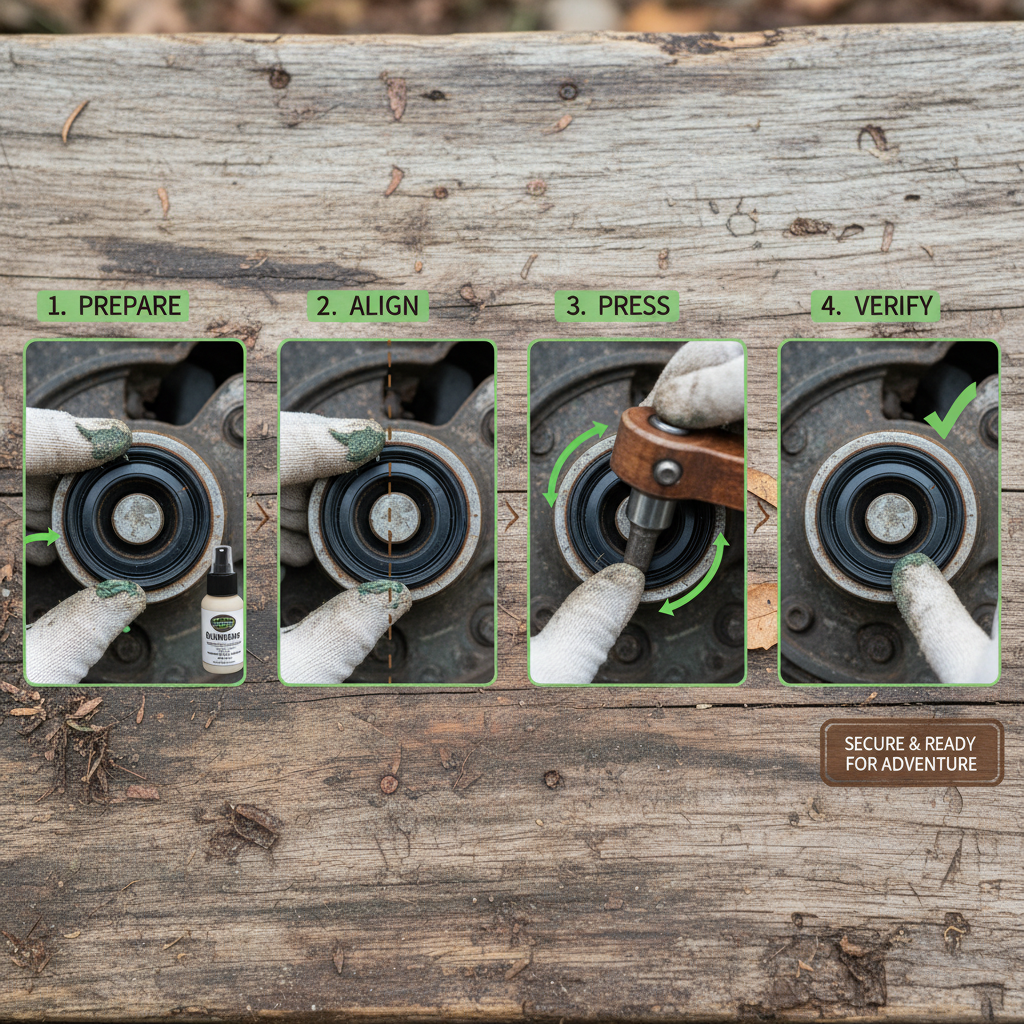
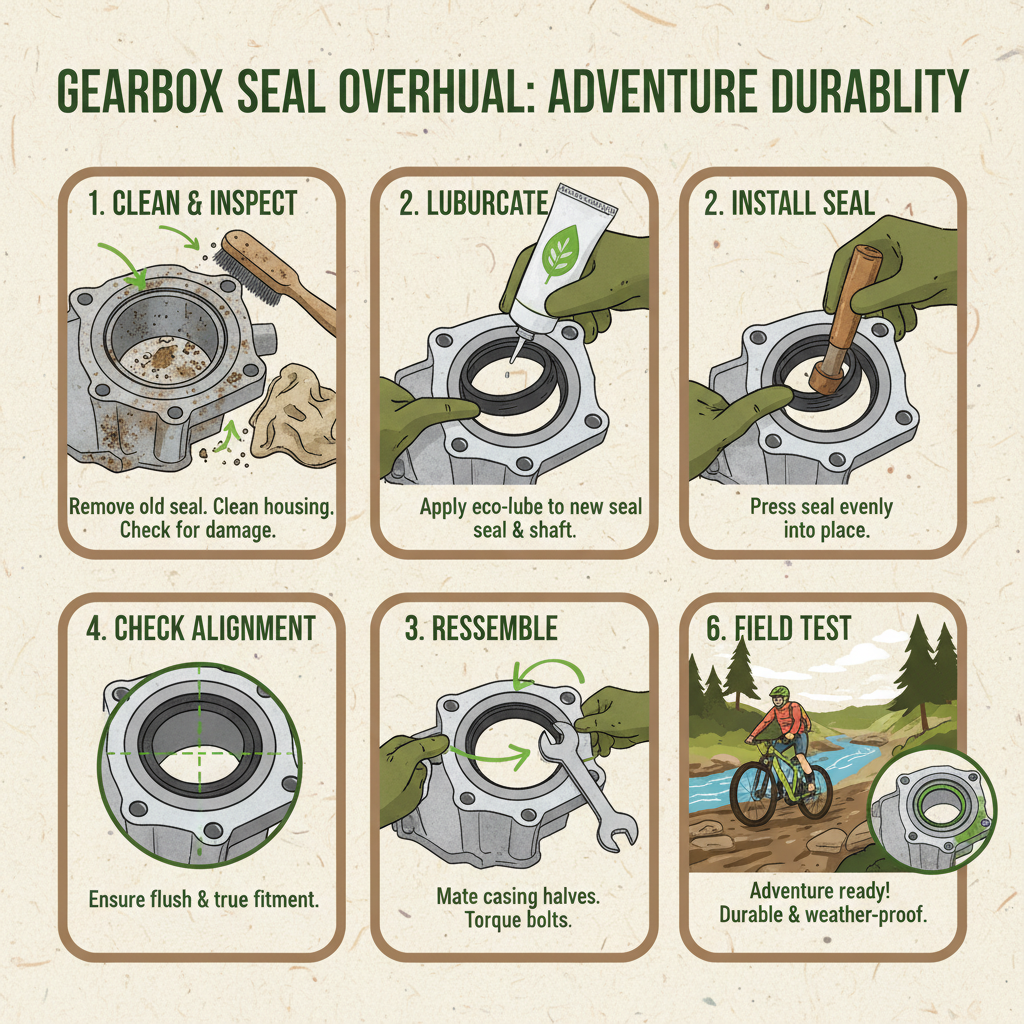
Proper installation is critical. Use specialized installation tools to avoid damaging the sealing lip. Ensure the shaft and housing surfaces are clean and free from burrs or sharp edges. Apply a thin film of lubricant to the sealing lip before installation. Double-check the seal is oriented correctly and fully seated in the housing.
Conclusion
Rotary oil seals, while often unseen, are indispensable components in a vast array of mechanical systems. Their ability to prevent leakage, protect critical components, and ensure reliable operation makes them vital to industries worldwide. Understanding their principles, applications, and future trends is crucial for engineers, maintenance personnel, and anyone involved in the operation of rotating machinery. Ultimately, investing in high-quality rotary oil seals and proper maintenance practices translates to cost savings, increased efficiency, and enhanced safety.
Looking ahead, advancements in materials science and smart technologies will continue to drive innovation in the rotary oil seal industry. Embracing these developments will be essential for meeting the evolving demands of modern machinery and achieving sustainable operational practices. For superior solutions and expert guidance, visit our website today: www.hkaiseal.com.