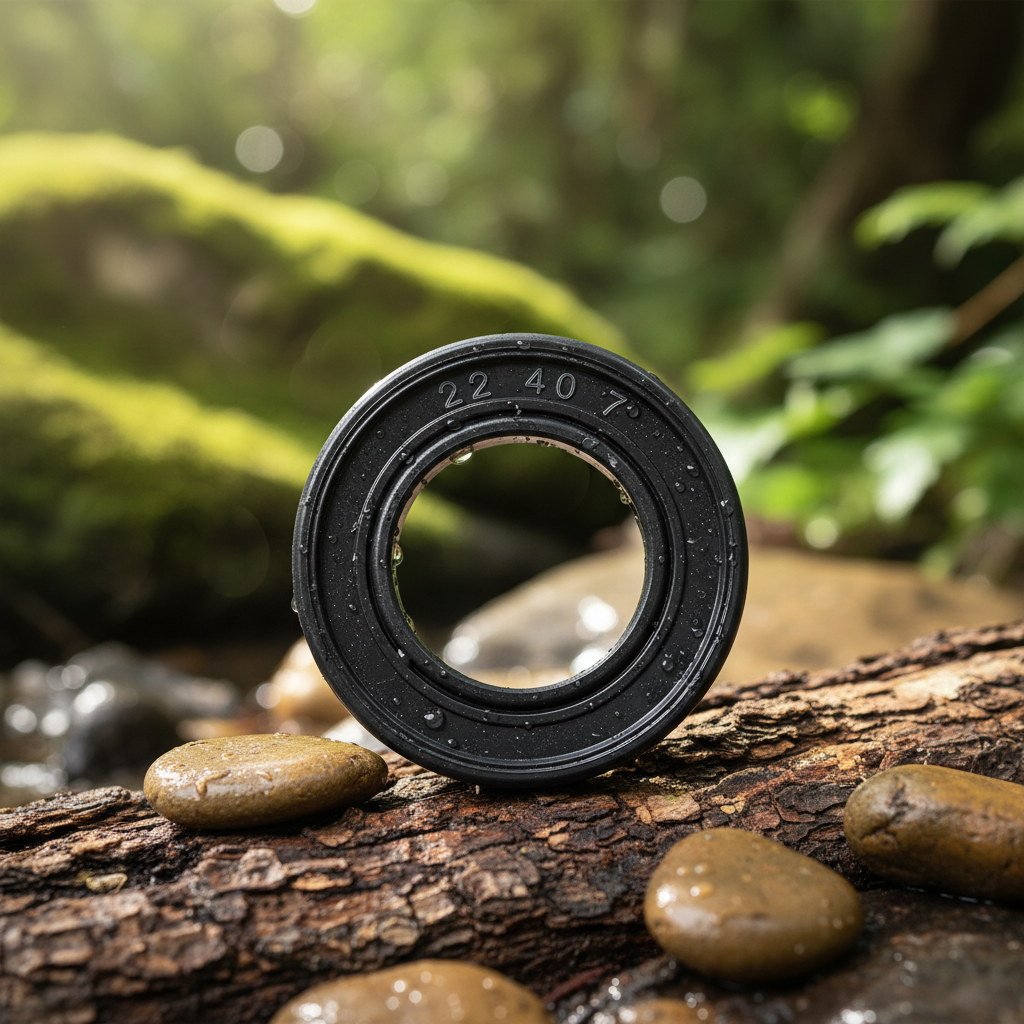
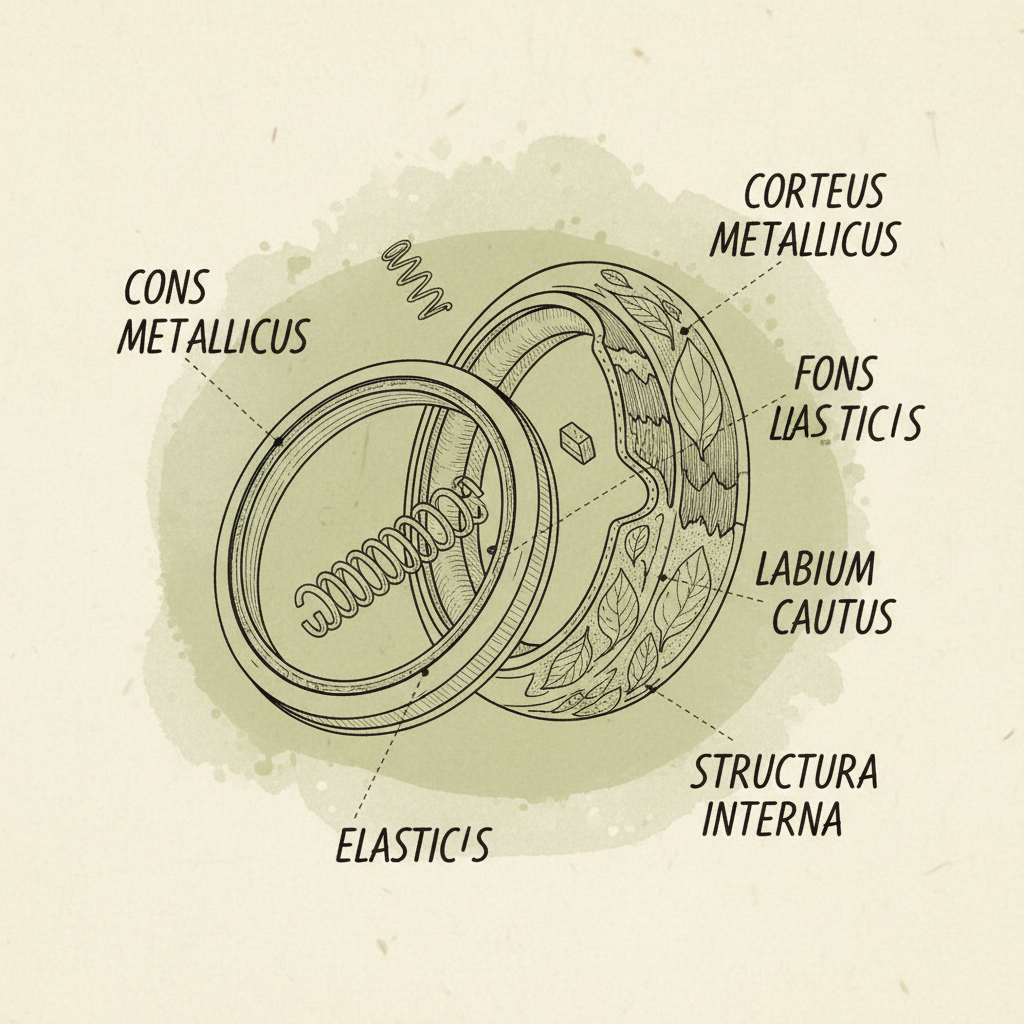
The 22 40 7 oil seal, a critical component in numerous industrial applications, often goes unnoticed despite its essential role in preventing leakage and maintaining system efficiency. This seemingly small rubber component is vital to the smooth operation of machinery across diverse sectors, from automotive and aerospace to manufacturing and hydraulic systems. Understanding the nuances of the 22 40 7 oil seal—its materials, construction, and application—is crucial for optimizing performance, minimizing downtime, and ensuring the longevity of complex equipment.
Globally, the demand for high-quality oil seals like the 22 40 7 is driven by the ongoing expansion of industrial sectors and the increasing complexity of machinery. Emerging economies are experiencing rapid industrial growth, leading to a greater need for reliable sealing solutions. Simultaneously, stricter environmental regulations necessitate seals that minimize fluid loss and prevent contamination, furthering the demand for advanced materials and precision manufacturing. The 22 40 7 oil seal, as a standard size, represents a significant portion of this global market.
The prevalence of the 22 40 7 oil seal stems from its versatility and compatibility with a wide range of fluids and operating conditions. Its standardized dimensions allow for easy integration into various applications, making it a cost-effective and readily available solution for sealing rotating shafts. Effectively, a properly installed 22 40 7 oil seal ensures the integrity of critical systems, preventing costly repairs and maintaining operational safety.
The Importance of the 22 40 7 Oil Seal
The 22 40 7 oil seal is a fundamental component in countless mechanical systems. Its primary function – to prevent the leakage of fluids (oil, grease, water, etc.) – directly impacts the efficiency, reliability, and lifespan of the equipment it serves. A compromised seal can lead to significant operational costs due to fluid loss, contamination, and potential equipment failure. The 22 40 7 oil seal’s standardized size allows for streamlined inventory management and ease of replacement, minimizing downtime.
Beyond simple fluid containment, the 22 40 7 oil seal also protects sensitive internal components from external contaminants such as dust, dirt, and debris. This protection is particularly critical in harsh operating environments, ensuring consistent performance and extending the service life of bearings, gears, and other vital machine parts. Therefore, choosing a high-quality 22 40 7 oil seal is an investment in long-term operational stability.
Defining the 22 40 7 Oil Seal
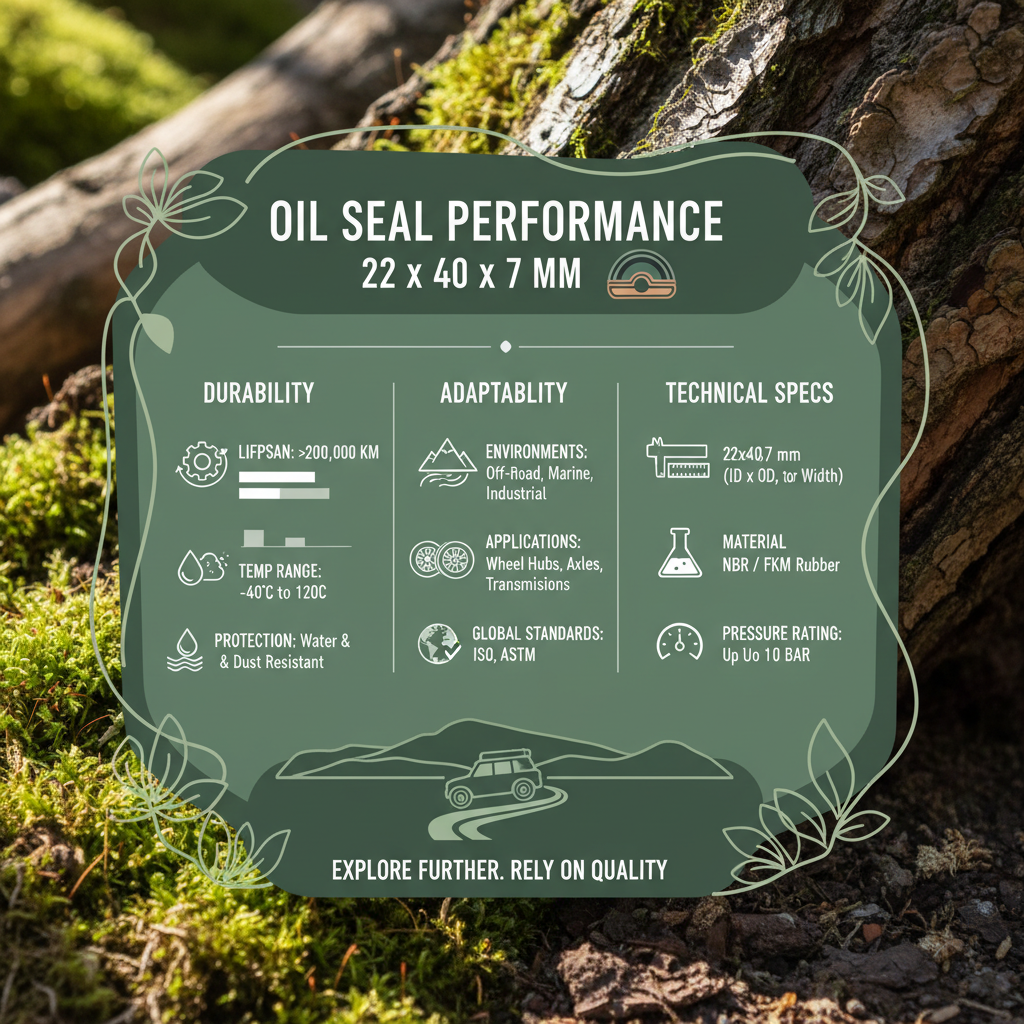
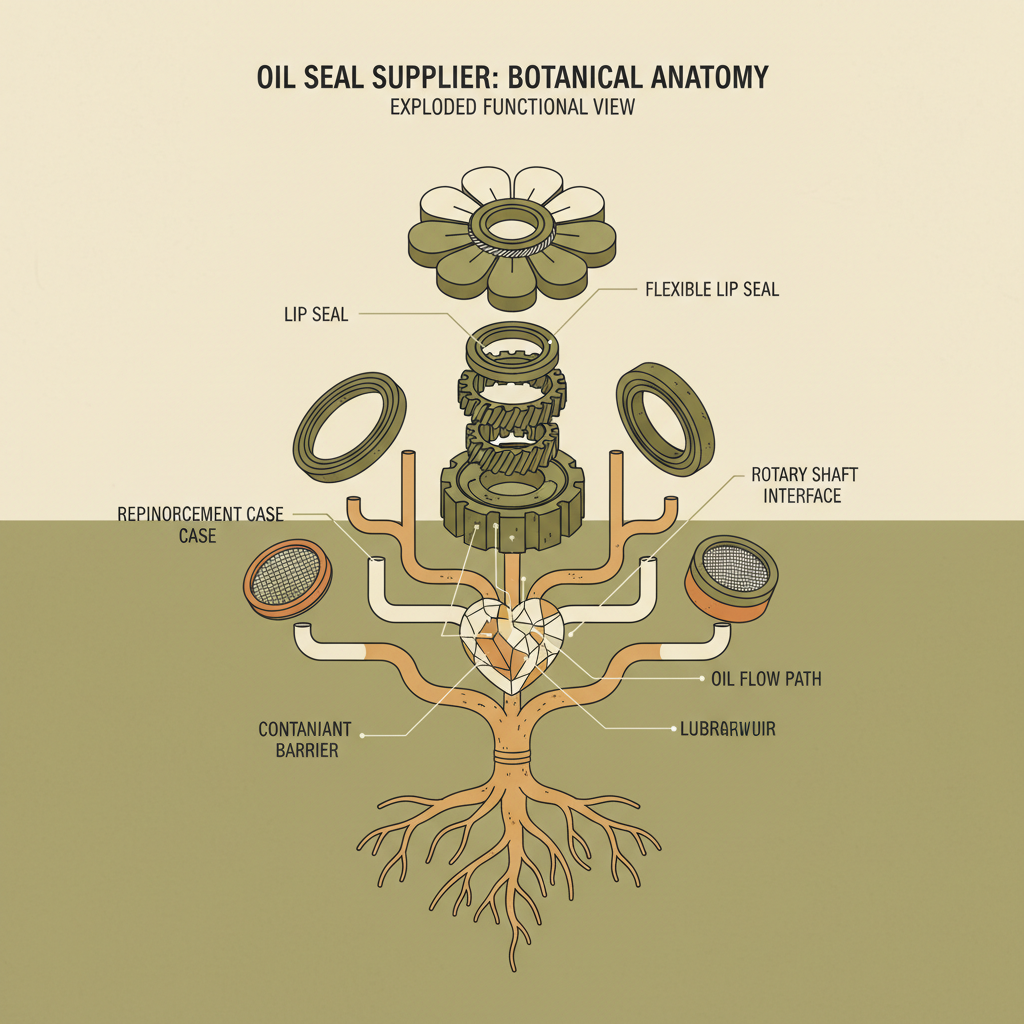
The 22 40 7 oil seal is a type of lip seal designed to create a barrier between a rotating shaft and its housing. The dimensions “22 40 7” refer to the seal’s internal diameter (22mm), outer diameter (40mm), and width (7mm). It typically consists of a rubber body (often Nitrile, Viton, or Silicone) with a spring-loaded lip that maintains constant contact with the shaft surface. This contact, coupled with the compressive force of the spring, creates a tight seal, preventing leakage.
Understanding these core dimensions is crucial for selecting the correct replacement seal. Using an incorrect size can lead to premature failure and system inefficiencies. The 22 40 7 oil seal’s simplicity belies its effectiveness; it’s a mechanically robust and reliable solution for a wide array of sealing applications.
The importance of the 22 40 7 oil seal extends beyond purely mechanical function. In many industries, maintaining a sealed system is vital for environmental protection, preventing the release of hazardous fluids into the surrounding ecosystem. Thus, the proper specification and installation of a 22 40 7 oil seal contribute to responsible industrial practices.
Core Characteristics of the 22 40 7 Oil Seal
Several key characteristics define the performance and suitability of the 22 40 7 oil seal. Material Compatibility is paramount, as the rubber material must be resistant to the specific fluid being sealed. Nitrile (NBR) is common for oil-based fluids, while Viton (FKM) offers superior resistance to chemicals and high temperatures. Spring Force determines the sealing pressure and ability to compensate for shaft eccentricity and wear.
Temperature Resistance is another critical factor, particularly in applications involving extreme heat or cold. The chosen material must maintain its elasticity and sealing properties across the operating temperature range. Shaft Surface Finish also plays a role, as a rough or damaged shaft can compromise the seal’s integrity. Finally, Installation Precision is crucial—improper installation can lead to premature wear or leakage.
The performance of the 22 40 7 oil seal is thus a combination of its inherent material properties and the care taken during its installation and integration within the broader system. Failing to address any of these characteristics can lead to suboptimal performance and reduced lifespan.
Applications Across Industries
The versatility of the 22 40 7 oil seal makes it indispensable across a broad spectrum of industries. In the Automotive sector, these seals are widely used in wheel hubs, transmissions, and engines to prevent oil leakage and maintain fluid levels. Heavy Equipment and Construction machinery rely heavily on the 22 40 7 oil seal in hydraulic cylinders, gearboxes, and pumps.
The Manufacturing industry utilizes these seals in a variety of rotating equipment, including motors, pumps, and conveyors. Hydraulic Systems, essential in countless applications from industrial presses to aircraft control surfaces, critically depend on the 22 40 7 oil seal for reliable performance.
Performance Metrics for Different 22 40 7 Oil Seal Materials
Long-Term Benefits and Value Proposition
Investing in high-quality 22 40 7 oil seals translates to significant long-term benefits. Reduced downtime due to fewer seal failures minimizes production losses and associated costs. The prevention of fluid leaks contributes to a safer working environment and reduces environmental impact.
Moreover, the reliability of the 22 40 7 oil seal contributes to enhanced equipment lifespan, delaying the need for costly replacements. This cumulative effect delivers a strong return on investment, making it a prudent choice for businesses prioritizing operational efficiency and sustainability.
Future Trends and Material Advancements
The future of oil seal technology, including the 22 40 7 oil seal, is focused on developing materials with enhanced performance characteristics. Research is underway to create seals with improved resistance to extreme temperatures, aggressive chemicals, and abrasive wear. The exploration of bio-based and sustainable rubber compounds is also gaining traction, driven by growing environmental concerns.
Smart seals, incorporating sensors to monitor seal performance and predict potential failures, represent another emerging trend. These sensors can provide valuable data for predictive maintenance programs, further optimizing uptime and reducing costs. Automation in seal manufacturing is also improving precision and consistency, leading to higher quality products.
The integration of nanotechnology into rubber compounds is being explored to enhance properties like abrasion resistance and thermal conductivity. These advancements promise to extend the lifespan and improve the reliability of the 22 40 7 oil seal and other sealing solutions.
Challenges and Mitigation Strategies
Despite their robustness, 22 40 7 oil seals are susceptible to certain challenges. Shaft Runout, or misalignment, can cause premature wear and leakage. Proper shaft alignment and bearing installation are crucial mitigation strategies. Contamination from abrasive particles can also damage the seal’s lip. Implementing effective filtration systems and maintaining a clean operating environment are essential.
Incorrect Seal Installation is a common cause of failure. Proper training and adherence to manufacturer’s instructions are vital. Material Degradation over time can reduce the seal’s effectiveness. Selecting the appropriate material for the specific application and operating conditions is paramount.
Regular inspection and preventive maintenance can identify potential issues before they escalate into major failures. Implementing a robust seal management program, including proper storage, handling, and installation procedures, is key to maximizing the lifespan and performance of the 22 40 7 oil seal.
Key Parameters for Evaluating 22 40 7 Oil Seal Performance
| Seal Material |
Temperature Range (°C) |
Fluid Compatibility |
Expected Lifespan (Months) |
| Nitrile Rubber (NBR) |
-40 to 120 |
Mineral Oils, Hydraulic Fluids |
12-24 |
| Viton (FKM) |
-20 to 200 |
Wide Range, Including Fuels & Chemicals |
24-36 |
| Silicone Rubber |
-60 to 180 |
Water, Silicone Fluids |
6-12 |
| Polyurethane |
-30 to 100 |
Oils, Grease, Solvents |
18-30 |
| PTFE (Teflon) |
-200 to 260 |
Virtually All Fluids |
36-60 |
| Hydrogenated Nitrile Butadiene Rubber (HNBR) |
-40 to 150 |
Oils, Fuels, Ozone |
24-48 |
FAQS
To guarantee a correct fit for the 22 40 7 oil seal, accurately measure the shaft diameter, housing bore, and seal groove dimensions. The internal diameter (22mm) should match the shaft diameter, and the outer diameter (40mm) should correspond to the housing bore. The width (7mm) should align with the groove depth. Use precise measuring tools like calipers for optimal accuracy and always refer to the manufacturer’s specifications.
The replacement frequency for a 22 40 7 oil seal in a hydraulic system depends on several factors including operating conditions, fluid type, and system pressure. As a general guideline, inspect seals annually or every 500 operating hours. Replace the seal if you notice any signs of wear, cracking, or leakage. Proactive replacement, based on predicted lifespan, can prevent unexpected downtime.
For applications involving high temperatures, Viton (FKM) is the preferred material for a 22 40 7 oil seal. Viton exhibits excellent heat resistance, maintaining its elasticity and sealing properties at temperatures up to 200°C (392°F). Silicone rubber is another option for moderate temperature applications, but Viton generally provides superior long-term performance in harsh thermal environments.
Generally, it's not recommended to use sealant in conjunction with a 22 40 7 oil seal, unless specifically advised by the manufacturer. Sealants can interfere with the seal’s proper seating and function, potentially causing leakage. A properly sized and installed seal, coupled with a clean and smooth sealing surface, should provide sufficient protection.
Premature failure of a 22 40 7 oil seal can stem from several factors, including improper installation, shaft misalignment, contamination, incompatible fluids, and exceeding the seal’s temperature or pressure limits. Regular inspection, correct installation procedures, and appropriate material selection are crucial for preventing early failures and maximizing seal lifespan.
Proper storage of 22 40 7 oil seals is essential for maintaining their quality. Store seals in a cool, dry place away from direct sunlight, ozone sources, and chemicals. Keep them in their original packaging or sealed containers to prevent contamination. Avoid compressing or bending the seals, as this can damage their sealing lips.
Conclusion
In conclusion, the 22 40 7 oil seal, while often overlooked, is a critical component in maintaining the efficiency, reliability, and safety of countless mechanical systems. Understanding its core characteristics, applications, and potential challenges is essential for making informed decisions regarding selection, installation, and maintenance. Properly specifying and caring for the 22 40 7 oil seal leads to reduced downtime, minimized costs, and enhanced operational performance.
As technology advances and industrial demands evolve, continued innovation in materials and sealing solutions will be crucial. Embracing these advancements, along with a proactive approach to seal management, will ensure the long-term success of your operations. For reliable and high-quality 22 40 7 oil seals, visit our website today.