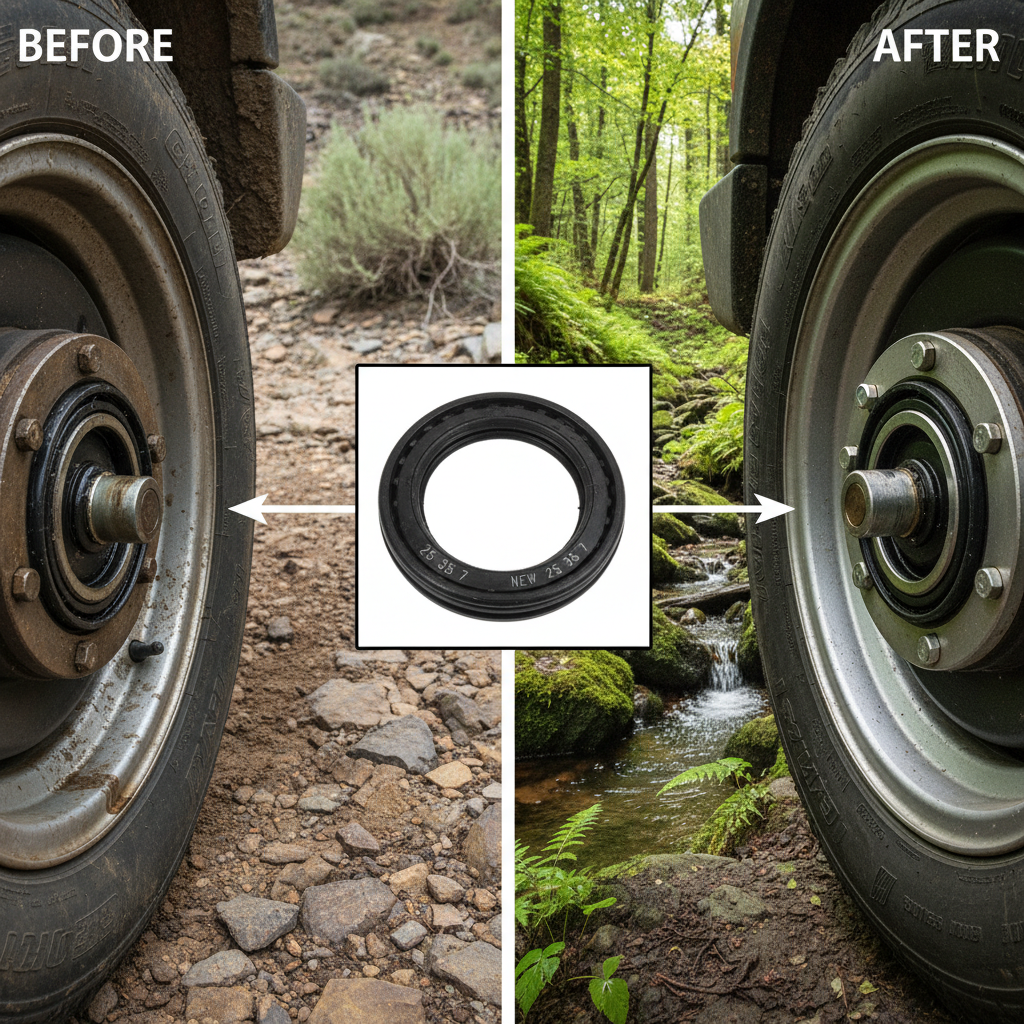
In the demanding world of industrial machinery, the integrity of a sealing system can be the difference between seamless operation and catastrophic failure. The 25 35 7 oil seal represents a precision-engineered solution designed to prevent lubricant leakage and shield internal components from external contaminants. By maintaining a tight seal under specific pressure and temperature conditions, this component ensures that rotating shafts operate with minimal friction and maximum longevity.
Globally, the reliance on high-quality rubber sealing technology has surged as industries push for higher efficiency and reduced downtime. Whether integrated into agricultural equipment, automotive transmissions, or heavy-duty hydraulic systems, the 25 35 7 oil seal plays a critical role in upholding ISO standards for mechanical reliability. Understanding the technical nuances of its dimensions—25mm inner diameter, 35mm outer diameter, and 7mm thickness—is essential for engineers aiming to optimize system performance.
The primary challenge facing modern plant managers is the balance between cost-effective maintenance and the prevention of unplanned outages. A failing seal can lead to oil loss, which not only damages expensive bearings but also creates environmental hazards. By investing in a high-grade 25 35 7 oil seal, businesses can significantly extend the mean time between failures (MTBF) and ensure that their machinery operates at peak productivity.
Technical Specifications of 25 35 7 Oil Seal
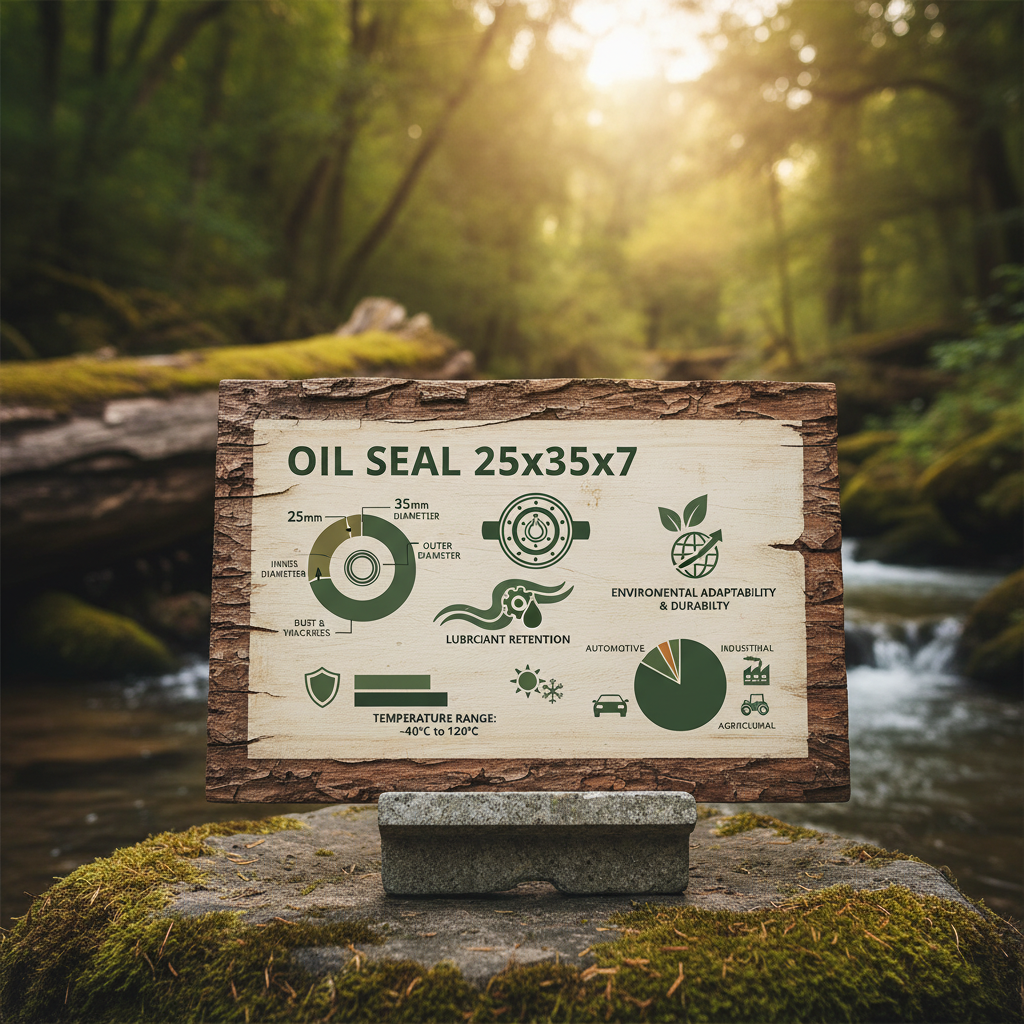
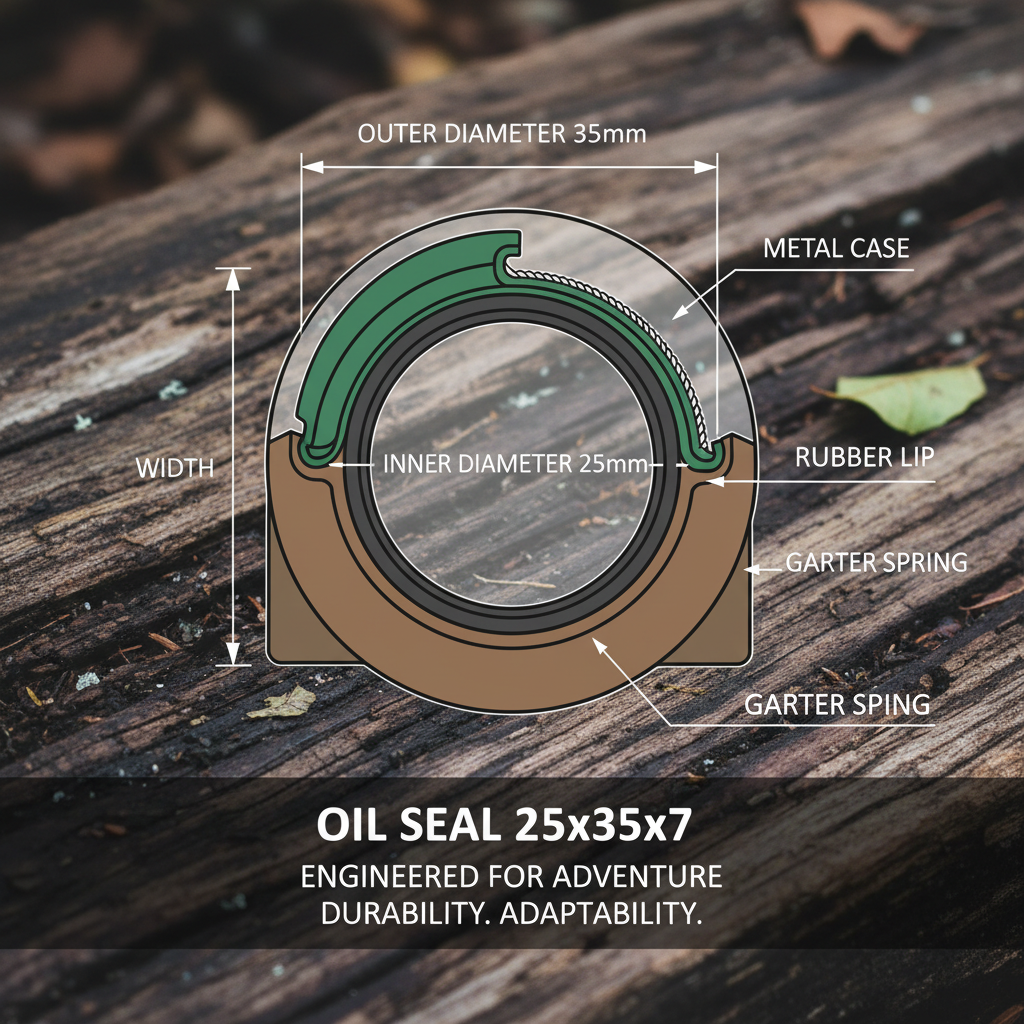
The 25 35 7 oil seal is defined by its precise geometric parameters: an inner diameter of 25mm, an outer diameter of 35mm, and a width of 7mm. These dimensions are not arbitrary; they are designed to fit specific shaft sizes and housing bores commonly found in small to mid-sized industrial gearboxes and hydraulic pumps. The tight tolerance of these measurements ensures a secure interference fit, which is the first line of defense against fluid migration.
Beyond simple dimensions, the structural design of the seal—often including a reinforced metal casing and a flexible elastomer lip—allows it to adapt to slight shaft misalignments. This versatility makes the 25 35 7 oil seal an essential component for maintaining internal pressure and preventing the ingress of dust, water, and other abrasive particles that could compromise the mechanical integrity of the system.
Material Science and Durability Factors
The longevity of a 25 35 7 oil seal depends heavily on the elastomer used in its construction. Nitrile Butadiene Rubber (NBR) is the most common choice due to its excellent resistance to petroleum-based oils and fats. However, for applications involving higher temperatures or aggressive chemicals, Viton (FKM) is often preferred. The choice of material directly impacts the seal's ability to resist hardening and cracking over time.
Durability is further enhanced by the inclusion of a garter spring, which applies a consistent radial force on the shaft. This ensures that the 25 35 7 oil seal maintains its sealing lip contact even as the rubber undergoes thermal expansion and contraction. Without this mechanical reinforcement, the seal would likely leak during the "run-in" period or after several thermal cycles.
Furthermore, the surface finish of the shaft interacting with the 25 35 7 oil seal is a critical factor. A shaft that is too rough will act like a file, wearing down the sealing lip prematurely, while a shaft that is too smooth may not allow a microscopic film of oil to remain, leading to dry friction and heat buildup.
Installation Best Practices for Maximum Lifespan
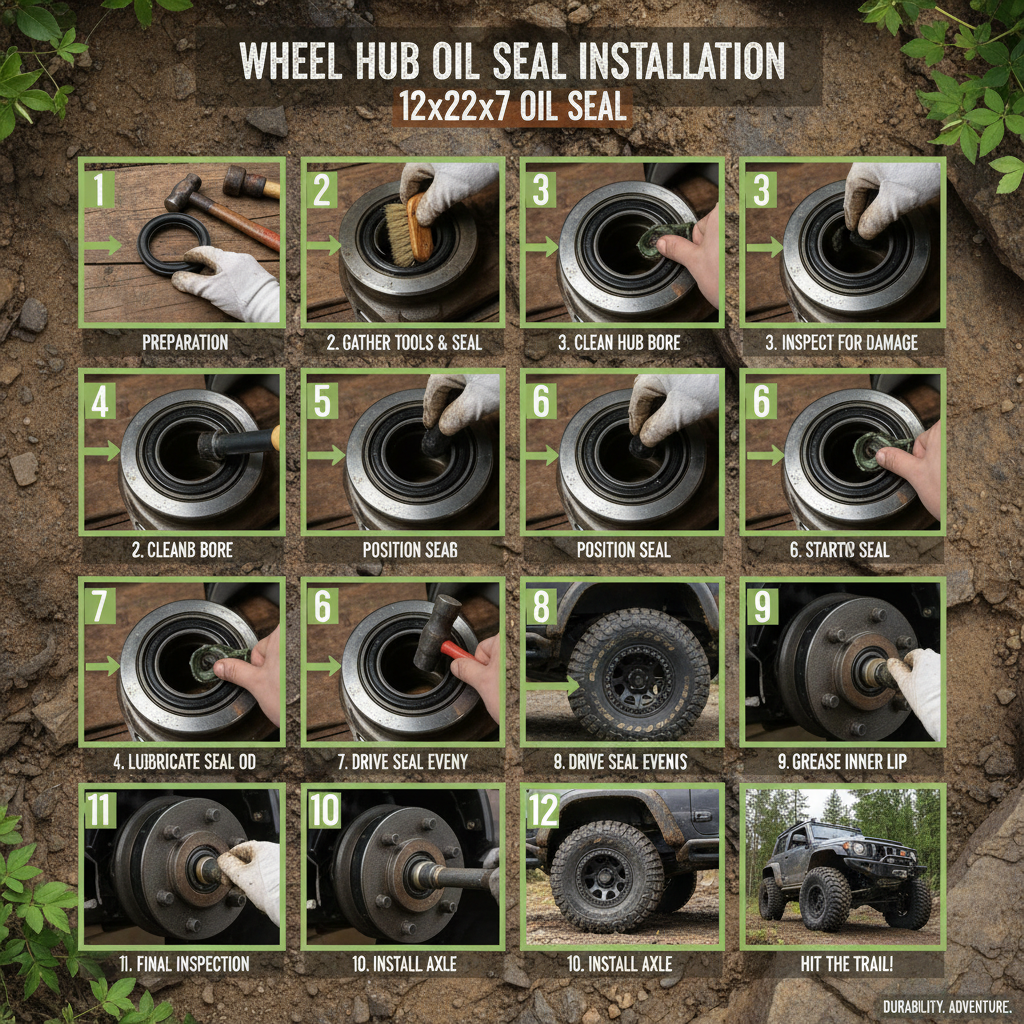
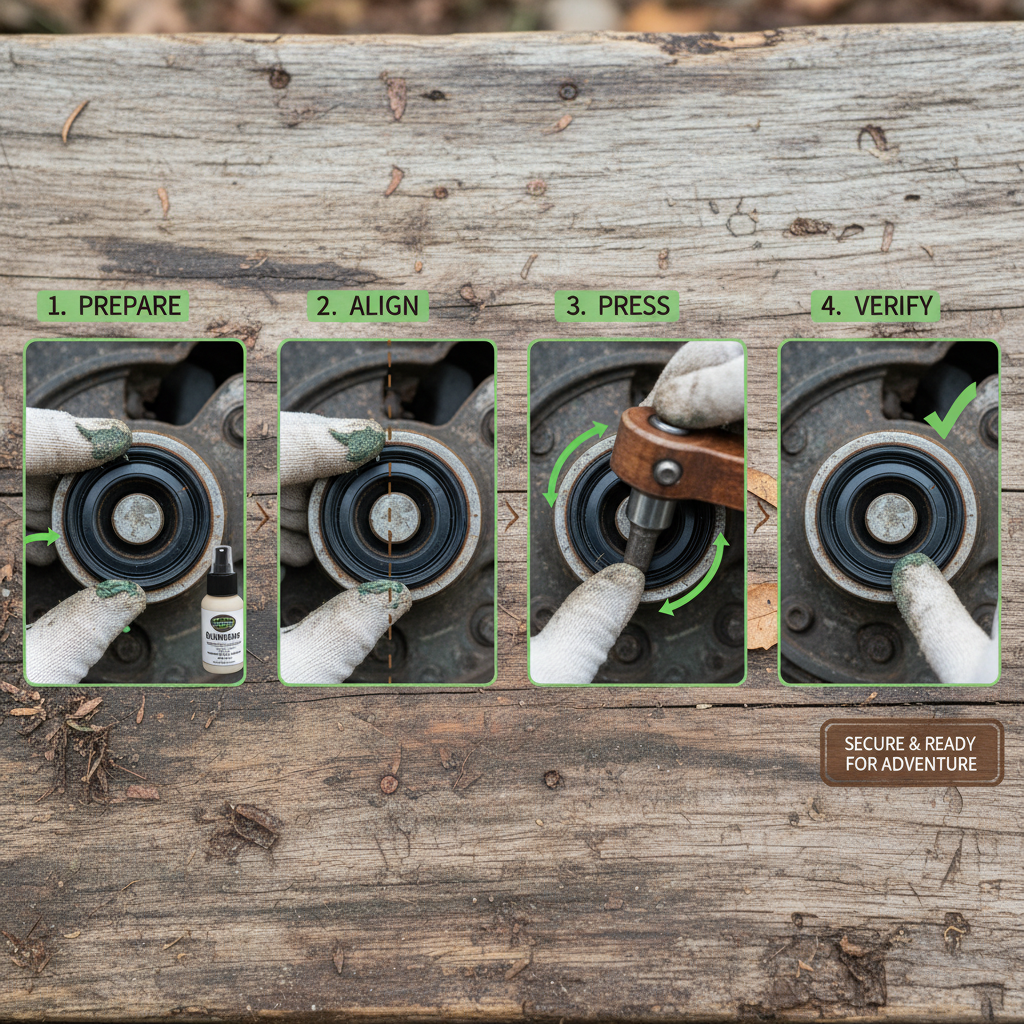
Proper installation of the 25 35 7 oil seal is just as important as the quality of the component itself. Many premature failures are the result of "cocking" the seal during insertion, which creates an uneven gap and immediate leakage. Using a proper seal driver tool ensures that the seal is pressed squarely into the housing.
To maximize the life of a 25 35 7 oil seal, it is imperative to lubricate the sealing lip before sliding it over the shaft. This prevents "dry start" friction, which can burn the elastomer lip in a matter of seconds, creating microscopic grooves that allow oil to bypass the seal.
Finally, verifying the cleanliness of the housing bore is a non-negotiable step. Any burrs or debris left in the seating area can prevent the 25 35 7 oil seal from sitting flush, leading to a loss of compression and eventual failure under operating pressure.
Comparative Performance Analysis
When evaluating the efficiency of different sealing methods, the 25 35 7 oil seal often outperforms basic O-rings in dynamic applications. While O-rings are excellent for static seals, the lip-seal design of the 25 35 7 variant is specifically engineered for rotating shafts, providing a superior balance of low friction and high retention.
Comparing materials within the same size profile also reveals significant performance gaps. A standard NBR 25 35 7 oil seal is cost-effective for general use, but in high-heat environments, an FKM version can extend the service interval by up to 300%, reducing the total cost of ownership despite the higher initial price.
Performance Rating of 25 35 7 Oil Seal Variants
Global Industrial Applications
The application of the 25 35 7 oil seal spans various sectors worldwide. In the automotive industry, it is frequently found in small transmission components and axle assemblies where precision and leak prevention are paramount for vehicle safety. In the agricultural sector, these seals are critical for protecting gearboxes in tractors and harvesters from the ingress of soil and moisture.
Beyond heavy machinery, these seals are utilized in remote industrial zones, such as mining operations in Australia or oil refineries in the Middle East. In these environments, where the cost of downtime is astronomical, the reliability of a 25 35 7 oil seal ensures that essential equipment remains operational despite extreme dust and temperature fluctuations.
Environmental Sustainability and Seal Efficiency
Sustainability in manufacturing is no longer optional. The use of a high-efficiency 25 35 7 oil seal directly contributes to environmental protection by eliminating lubricant leaks. Oil spills, even on a small scale, can contaminate groundwater and soil, leading to costly environmental remediation efforts.
Furthermore, the shift toward "green" lubricants, such as biodegradable synthetic oils, requires seals that are chemically compatible. Modern versions of the 25 35 7 oil seal are being developed with advanced polymers that do not degrade when exposed to eco-friendly fluids, allowing companies to reduce their carbon footprint without sacrificing performance.
Finally, increasing the lifespan of the seal reduces the volume of rubber waste entering landfills. By optimizing the wear resistance of the 25 35 7 oil seal, manufacturers can move toward a circular economy where components are replaced less frequently, lowering the total resource consumption of the industrial lifecycle.
Troubleshooting Common Sealing Failures
Despite their robustness, the 25 35 7 oil seal can fail if conditions are not managed. The most common failure mode is "lip wear," characterized by a visible groove worn into the rubber. This is usually caused by abrasive particles bypassing the dust lip and grinding into the main sealing edge, often solved by implementing better external shielding.
Another frequent issue is "thermal hardening," where the seal becomes brittle and loses its elasticity. This happens when the operating temperature exceeds the material's limit, causing the 25 35 7 oil seal to shrink and allow oil to seep through. Switching to a high-temperature fluoroelastomer is the standard professional solution.
Lastly, "chemical swelling" occurs when the seal material reacts with an incompatible lubricant, causing the rubber to soften and deform. To prevent this, engineers must cross-reference the chemical compatibility chart of the 25 35 7 oil seal with the specific oil grade used in the machine.
Failure Mode Analysis of 25 35 7 Oil Seals
|
Failure Mode
|
Primary Cause
|
Impact Level (1-10)
|
Recommended Solution
|
| Lip Abrasion |
Dust/Particle Ingress |
7 |
Add Dust Lip/Shield |
| Thermal Cracking |
Overheating |
9 |
Upgrade to FKM Material |
| Elastomer Swelling |
Chemical Incompatibility |
6 |
Change Lubricant Grade |
| Installation Leak |
Seal Cocking |
8 |
Use Professional Driver Tool |
| Hardening |
Aging/Oxidation |
5 |
Scheduled Replacement |
| Groove Wear |
Shaft Roughness |
7 |
Polish Shaft Surface |
FAQS
These numbers represent the critical dimensions of the seal in millimeters. The first number (25) is the inner diameter that fits onto the shaft, the second (35) is the outer diameter that fits into the housing, and the third (7) is the total width or thickness of the seal. These precision measurements are vital for ensuring a leak-proof fit.
Yes, and in many cases, it is an upgrade. Viton (FKM) offers significantly higher temperature resistance and better chemical stability than NBR. As long as the dimensions remain 25x35x7, the Viton seal will fit perfectly and likely last longer in harsh environments, although it comes at a higher cost.
Replacement intervals depend on the operating environment. In standard conditions, these seals can last several thousand hours. However, in high-dust or high-heat settings, we recommend inspecting the seal every 6 months and replacing it at the first sign of "weeping" (slight oil mist) to prevent total failure and shaft damage.
The most common cause is incorrect installation, specifically "cocking," where the seal is not pressed in perfectly square. Other causes include failing to lubricate the lip during installation or using a shaft with surface burrs that cut the elastomer lip upon the first rotation.
While the 25 35 7 is an excellent oil seal for preventing leakage in rotating shafts, very high-pressure systems may require a specialized "High Pressure Oil Seal" with reinforced metal casings and specific lip geometries. Always verify the maximum pressure rating of the seal against your system's peak pressure.
For industrial-grade sealing solutions that meet international quality standards, it is best to source from specialized manufacturers who provide material certifications and precision tolerances. You can find a comprehensive range of these products at www.hkaiseal.com.
Conclusion
The 25 35 7 oil seal may seem like a small component, but it is the cornerstone of mechanical reliability in countless industrial applications. From its precise dimensions and material composition to the critical nature of its installation, every detail contributes to the overall efficiency and safety of the machinery it protects. By understanding the relationship between material choice, shaft finish, and environmental conditions, operators can virtually eliminate unplanned downtime and reduce environmental impact.
Looking ahead, the evolution of sealing technology will likely focus on "smart materials" that can signal wear before failure occurs and the integration of fully biodegradable elastomers. For those seeking to optimize their current systems, upgrading to high-performance materials and adhering to strict installation protocols is the most effective strategy. To ensure your equipment is protected by the highest quality sealing components, visit our website: www.hkaiseal.com.