Double lip seals are critical components across a vast range of industries, from automotive and aerospace to oil and gas, and even specialized applications like medical devices. Their primary function – preventing leakage of fluids or gases – is fundamental to operational efficiency, safety, and environmental protection. Understanding the intricacies of double lip seal design, materials, and applications is therefore paramount for engineers, technicians, and procurement specialists globally. This understanding translates into reduced downtime, lower maintenance costs, and a significantly decreased risk of environmental contamination.
The global market for sealing solutions, including double lip seals, is experiencing substantial growth, driven by increasing industrialization, stringent environmental regulations, and advancements in material science. According to industry reports, the global sealing market is projected to reach billions of dollars in the coming years, with a significant portion attributed to high-performance seals like double lip seals. This growth isn't limited to developed nations; emerging economies are rapidly expanding their industrial sectors, creating a burgeoning demand for reliable sealing technologies.
The importance of effective sealing cannot be overstated. Failures can lead to catastrophic consequences, ranging from production disruptions and costly repairs to environmental disasters and safety hazards. The double lip seal, with its robust design and ability to handle diverse operating conditions, provides a critical layer of protection against these risks. Continued innovation in this field is vital to meet the evolving demands of modern industry and ensure sustainable operation.
Introduction: Global or Industry Context
The increasing complexity of modern machinery and processes necessitates sealing solutions that can reliably withstand harsh operating conditions. Double lip seals, characterized by their dual sealing lips and often a spring-loaded mechanism, are frequently chosen for their superior performance in demanding applications. They’re essential components where even minute leakage can compromise system integrity, such as in hydraulic cylinders, gearboxes, and rotating equipment. The demand for these seals is inextricably linked to global industrial output and technological advancements.
The automotive industry, a major consumer of double lip seals, is undergoing a period of rapid transformation with the rise of electric vehicles (EVs). While the specific sealing requirements are evolving (e.g., focusing on battery coolant systems), the need for robust and reliable seals remains critical. Furthermore, the aerospace industry, with its stringent safety standards, relies heavily on high-precision double lip seals in critical aircraft systems. This consistent demand reinforces the global importance of double lip seal technologies.
Definition & Meaning
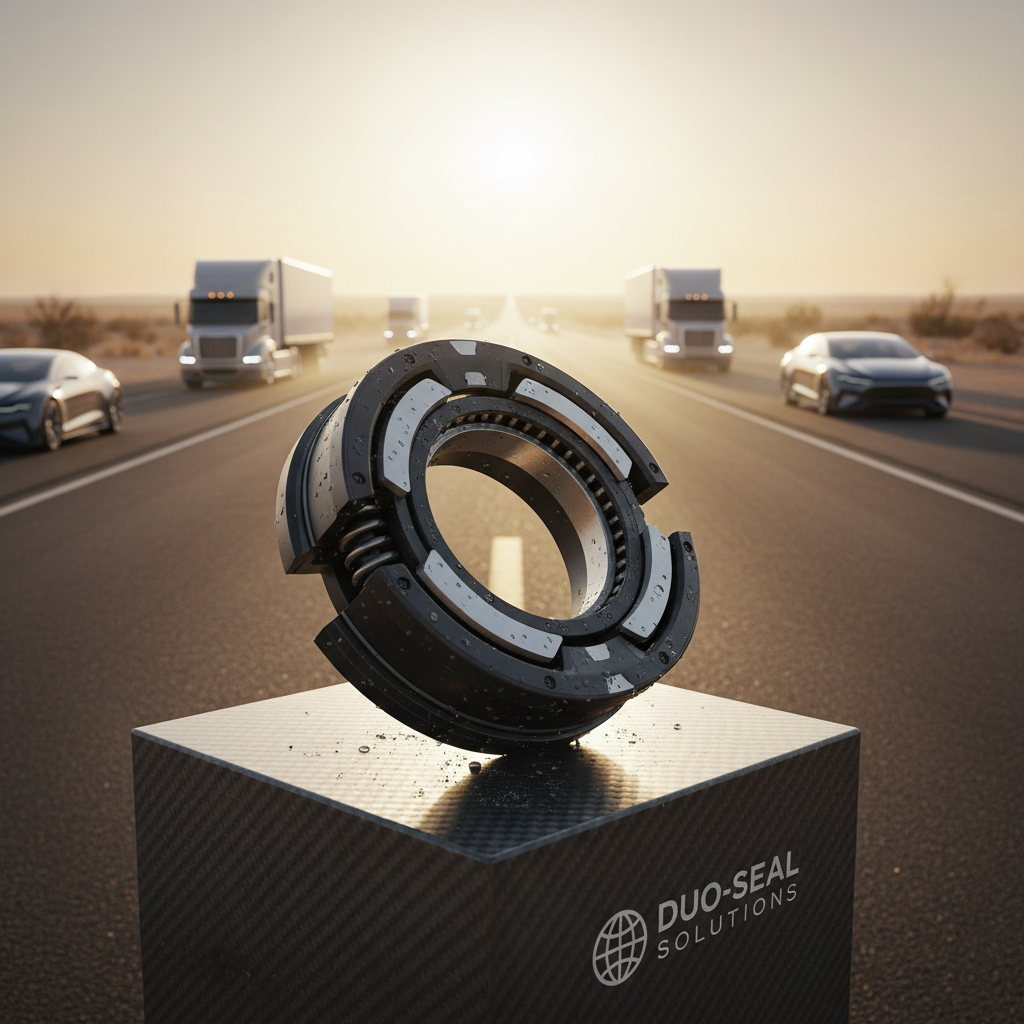
A double lip seal is a mechanical sealing device designed to prevent the passage of fluids or gases between stationary and moving components. It comprises two distinct sealing lips, usually made from elastomeric materials like nitrile rubber (NBR), Viton (FKM), or polyurethane (PU), that are pressed against a rotating shaft or cylinder wall. This dual-lip configuration provides a redundant sealing barrier, enhancing reliability and extending service life.
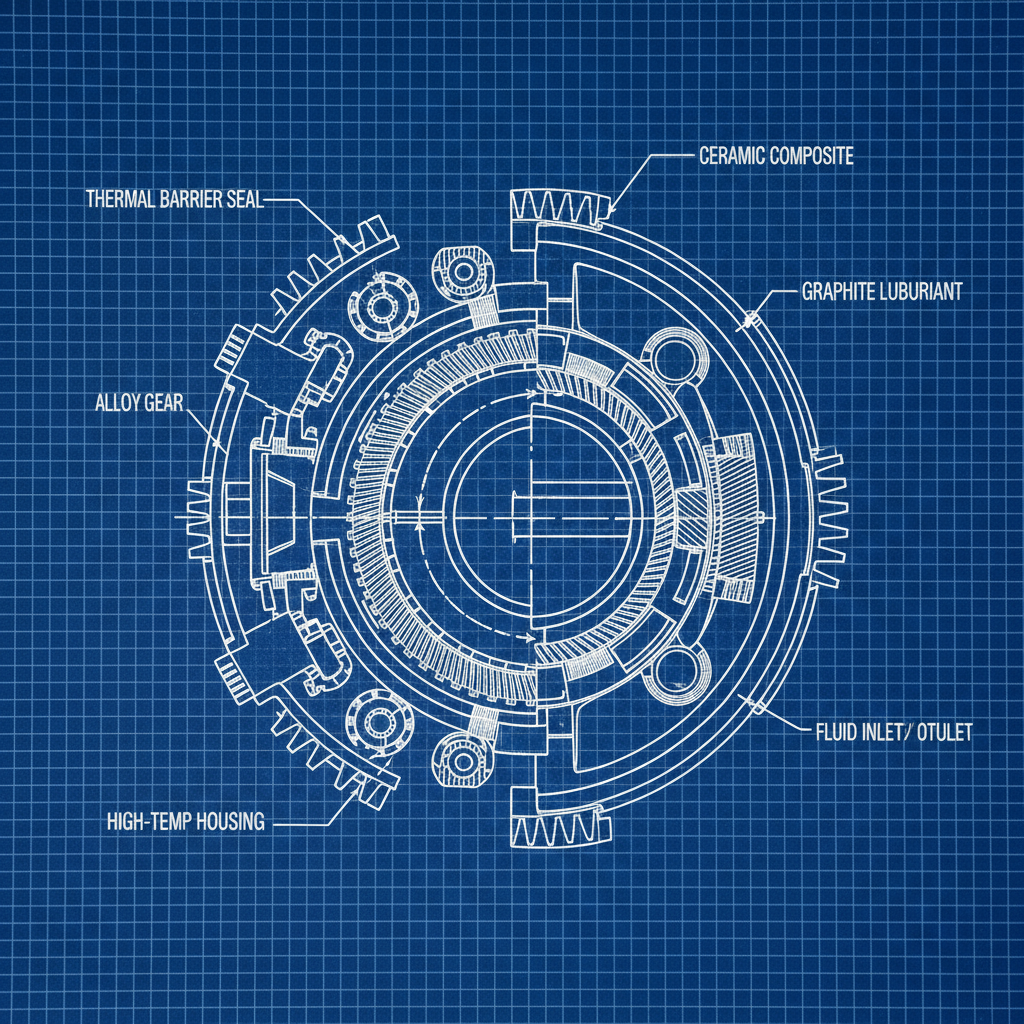
The core principle behind a double lip seal lies in creating a tight interface between the sealing lips and the rotating surface. The spring-loaded mechanism ensures consistent contact, compensating for wear and thermal expansion. This design effectively contains the fluid or gas within the system and prevents contaminants from entering, thereby protecting critical components.
In the context of modern industry, double lip seals are vital for maintaining the efficiency and longevity of machinery. They represent a crucial link in ensuring operational reliability and minimizing environmental impact, directly contributing to sustainable industrial practices and global manufacturing standards.
Key Factors or Core Components
Material Compatibility: Selecting the appropriate elastomer material is crucial for compatibility with the fluid being sealed and the operating temperature. Different materials offer varying levels of resistance to chemicals, abrasion, and extreme temperatures. Using an incompatible material can lead to rapid degradation and seal failure.
Spring Force: The spring, typically made of stainless steel, provides the necessary force to maintain contact between the sealing lips and the rotating surface. Optimizing spring force is essential; too little force can lead to leakage, while excessive force can cause premature wear and increased friction.
Lip Geometry: The shape and profile of the sealing lips significantly impact sealing performance. Different lip geometries are designed to handle varying shaft speeds, pressures, and fluid viscosities. Careful consideration of lip geometry is essential for optimal sealing efficiency.
Surface Finish: The finish of the shaft or cylinder wall directly influences the seal's ability to create a tight interface. A smooth, well-maintained surface minimizes friction and wear, extending the seal's service life.
Housing Design: The seal housing must provide adequate support and alignment for the double lip seal. Proper housing design ensures even pressure distribution and prevents distortion, contributing to long-term sealing reliability.
Global Applications & Use Cases
Double lip seals find widespread application in the automotive industry, particularly in wheel hubs, transmissions, and steering systems, where they prevent leakage of lubricating oils and ensure smooth operation. The oil and gas sector relies heavily on double lip seal technologies in pumps, compressors, and pipeline systems to contain corrosive fluids and gases.
In the aerospace industry, double lip seals are critical components in aircraft engines, landing gear, and hydraulic systems, where reliability and performance are paramount. The manufacturing sector utilizes these seals in a variety of rotating equipment, including motors, pumps, and gearboxes, to prevent contamination and maintain operational efficiency.
Even in specialized applications, such as medical devices and scientific instruments, double lip seals play a vital role in ensuring the integrity of sensitive components and preventing contamination. In post-disaster relief operations, ensuring the reliable operation of generators and water pumps—often equipped with double lip seals—is essential for providing emergency power and clean water.
Double Lip Seal Performance Metrics
Advantages & Long-Term Value
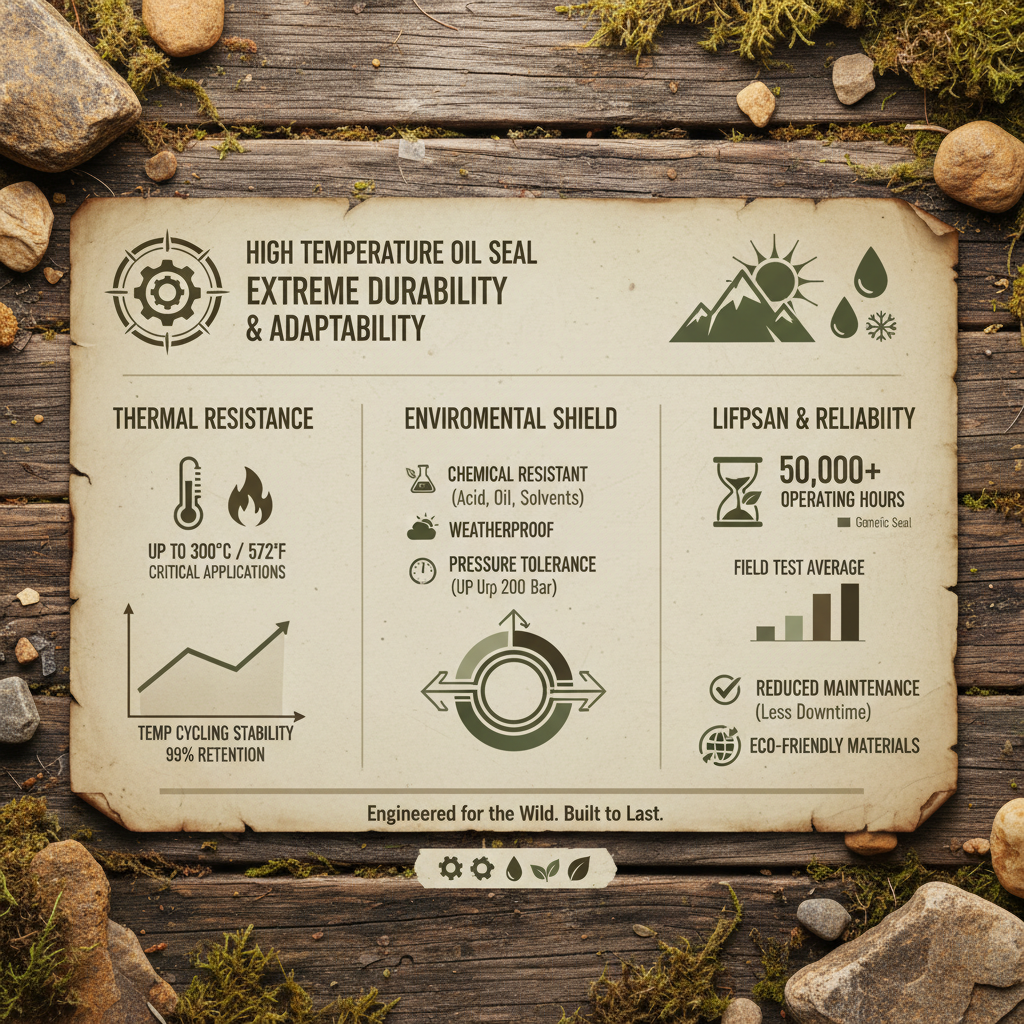
The primary advantage of utilizing double lip seals lies in their superior sealing performance and extended service life compared to single-lip seals. The redundant sealing configuration minimizes the risk of leakage, even under harsh operating conditions, resulting in reduced downtime and maintenance costs. This is especially critical in applications where failures can have significant safety or environmental consequences.
From a sustainability perspective, double lip seals contribute to resource conservation by reducing fluid loss and minimizing the environmental impact of leaks. Their durability translates to fewer replacements, decreasing waste and lowering the overall carbon footprint. Furthermore, the increased reliability of systems incorporating double lip seals enhances operational safety and fosters a culture of trust between manufacturers and end-users.
The long-term value proposition extends beyond cost savings. The enhanced reliability of equipment directly impacts productivity and profitability. Investing in high-quality double lip seals demonstrates a commitment to operational excellence and responsible environmental stewardship, building a positive brand reputation and fostering long-term customer loyalty.
Future Trends & Innovations
Ongoing research and development efforts are focused on enhancing the performance and sustainability of double lip seals. Advancements in material science are leading to the development of new elastomers with improved resistance to chemicals, temperature extremes, and abrasion. These materials will enable seals to operate reliably in increasingly challenging environments.
The integration of smart technologies, such as embedded sensors and data analytics, is poised to revolutionize seal monitoring and predictive maintenance. These sensors can provide real-time data on seal performance, allowing for proactive identification of potential failures and optimized maintenance schedules. This trend aligns with the broader movement towards Industry 4.0 and the digital transformation of manufacturing.
Challenges & Solutions
A common challenge with double lip seals is maintaining consistent sealing force over time, especially in applications with significant thermal cycling or vibration. Loss of spring force or material degradation can lead to leakage and premature failure. Mitigation strategies include utilizing high-quality spring materials, optimizing seal housing design to minimize stress, and implementing regular inspection and maintenance programs.
Another challenge lies in selecting the appropriate material for specific applications. Incompatibility between the seal material and the fluid being sealed can lead to swelling, cracking, or other forms of degradation. Careful consideration of fluid compatibility, temperature range, and pressure requirements is essential. Collaboration with experienced seal manufacturers can provide valuable insights and guidance.
Furthermore, installation errors can compromise seal performance. Proper training and adherence to manufacturer's recommendations are crucial for ensuring correct installation and maximizing seal life. Implementing standardized installation procedures and utilizing specialized tools can minimize the risk of errors.
Summary of Challenges and Solutions for Double Lip Seals
| Challenge |
Root Cause |
Impact on double lip seal Performance |
Potential Solution |
| Loss of Sealing Force |
Spring Fatigue/Material Degradation |
Leakage, Reduced Efficiency |
High-Quality Spring Materials, Improved Housing Design |
| Material Incompatibility |
Incorrect Elastomer Selection |
Swelling, Cracking, Degradation |
Thorough Fluid Compatibility Analysis |
| Wear and Abrasion |
Abrasive Contaminants, High Speeds |
Reduced Seal Life, Leakage |
Effective Filtration Systems, Optimized Surface Finish |
| Thermal Expansion/Contraction |
Temperature Fluctuations |
Loss of Contact, Leakage |
Seal Design Optimization, Thermal Management |
| Installation Errors |
Improper Handling, Incorrect Tools |
Damage, Premature Failure |
Training, Standardized Procedures |
| Contamination |
Dirt, Debris, Foreign Particles |
Seal Damage, Reduced Performance |
Effective Sealing and Filtration Systems |
FAQS
The lifespan of a double lip seal varies significantly depending on factors like operating conditions, fluid compatibility, shaft speed, and environmental factors. Generally, a well-maintained double lip seal can last anywhere from several months to several years. Regular inspection and adherence to recommended maintenance schedules are critical for maximizing seal life. Choosing a seal material specifically formulated for the application is also essential. Replacing the seal proactively during scheduled maintenance can prevent unexpected failures and costly downtime.
Determining the correct size requires precise measurements of the shaft diameter, seal housing bore, and seal width. Consulting the seal manufacturer's datasheet is crucial, as they provide detailed specifications and sizing guidelines. Incorrect sizing can lead to leakage, premature wear, or even complete seal failure. It’s important to account for any tolerances in the shaft and housing dimensions. If unsure, it is always best to consult with a sealing expert.
Common causes include material incompatibility, excessive heat, abrasive contamination, improper installation, and loss of spring force. Selecting the wrong elastomer material for the fluid being sealed is a frequent issue. Abrasive particles can damage the sealing lips, leading to leakage. Incorrect installation can cause premature wear or even immediate failure. Regular inspection and preventative maintenance can help identify and address these issues before they escalate.
While double lip seals can provide a degree of sealing in vacuum applications, they are not typically the preferred choice. Their performance can be limited by factors like outgassing of the elastomer material and the difficulty of maintaining consistent contact with the shaft in a vacuum environment. Specialized vacuum seals, such as O-rings with specific vacuum-rated compounds or metal seals, are generally recommended for more demanding vacuum applications.
Regular inspection is crucial to identify signs of wear or damage. Keep the sealing surfaces clean and free of debris. Lubricate the seal periodically with a compatible lubricant, as recommended by the manufacturer. Monitor fluid levels and check for any signs of leakage. Replacing the seal proactively during scheduled maintenance can prevent unexpected failures and downtime. Maintaining proper alignment of the shaft and housing is also important.
Compared to some other sealing solutions, double lip seals offer environmental benefits by minimizing leakage of potentially harmful fluids or gases. Their durability also reduces the frequency of replacements, minimizing waste. Many manufacturers are developing seals using more sustainable materials and manufacturing processes. Choosing a reputable manufacturer committed to environmental responsibility can further enhance the eco-friendliness of your sealing solution.
Conclusion
In conclusion, the double lip seal remains a vital component in countless industrial applications, offering a reliable and cost-effective solution for preventing leakage and ensuring operational efficiency. Its adaptability, coupled with ongoing innovation in materials and design, ensures its continued relevance in a rapidly evolving technological landscape. From automotive and aerospace to oil and gas, the double lip seal plays a crucial role in safeguarding critical machinery and protecting the environment.
Looking ahead, embracing advanced materials, smart technologies, and proactive maintenance strategies will be essential for maximizing the performance and longevity of double lip seals. Prioritizing sustainable practices and collaborating with experienced seal manufacturers will further enhance their value proposition. By understanding the intricacies of double lip seal technology, engineers and technicians can optimize system reliability, reduce downtime, and contribute to a more sustainable future. Visit our website at www.hkaiseal.com to learn more.