The double lip oil seal is a critical component in a vast array of mechanical systems, preventing leakage and ensuring optimal performance. From automotive engines to heavy industrial machinery, these seals are essential for maintaining efficiency, reducing downtime, and protecting sensitive equipment. Understanding their function, construction, and application is paramount for engineers, technicians, and anyone involved in the maintenance and operation of machinery.
Globally, the demand for high-quality double lip oil seals is driven by expanding industrialization, particularly in emerging economies. The automotive sector remains a significant consumer, but growth is also observed in sectors like aerospace, agriculture, and renewable energy. The increasing complexity of modern machinery necessitates seals that can withstand higher pressures, temperatures, and rotational speeds, pushing the boundaries of materials science and manufacturing techniques.
The benefits of utilizing properly specified and maintained double lip oil seals are considerable. They minimize fluid loss, protect bearings and other critical parts from contamination, and extend the lifespan of machinery. This translates to reduced maintenance costs, increased productivity, and a smaller environmental footprint, making them a cornerstone of sustainable industrial practices. Consider, for example, the use of double lip oil seal in hydraulic systems; failure can lead to catastrophic consequences.
Introduction to Double Lip Oil Seals
A double lip oil seal is a mechanical component designed to prevent the leakage of fluids (liquids or gases) between a stationary and a rotating part. Its effectiveness hinges on the precise contact between the sealing lips and the rotating shaft, creating a barrier that minimizes friction while maximizing containment.
These seals are prevalent across numerous industries, safeguarding equipment ranging from automotive engines and gearboxes to hydraulic pumps and compressors. Their primary function is to maintain system pressure, protect internal components from contamination, and ensure operational reliability. The design of the double lip oil seal, especially the lip material and geometry, directly impacts its ability to handle diverse operating conditions.
The Global Relevance of Double Lip Oil Seals
The global market for oil seals, including double lip variants, is substantial and growing. According to a 2023 report by Market Research Future, the oil seal market is projected to reach USD 6.8 billion by 2030, exhibiting a CAGR of 4.5% during the forecast period. This growth is fueled by the expansion of the automotive and industrial sectors, particularly in Asia-Pacific countries like China and India.
The increasing demand for efficient and reliable machinery, coupled with stringent environmental regulations regarding fluid leakage, is driving the adoption of advanced sealing solutions. Furthermore, the rise of electric vehicles (EVs) is creating new opportunities for specialized oil seals designed to withstand the unique demands of EV powertrains. This demonstrates the global relevance of the double lip oil seal and its continued importance in various industries.
A significant challenge remains in addressing the need for seals that can operate effectively in increasingly harsh environments. From extreme temperatures to corrosive chemicals, the demands on sealing technology are constantly evolving. Manufacturers are responding by developing innovative materials and designs that can withstand these conditions, ensuring the long-term reliability of critical equipment.
Defining Double Lip Oil Seals
A double lip oil seal, at its core, is a mechanical seal featuring two independent sealing lips that create a robust barrier against fluid leakage. Unlike single lip seals, the dual-lip design provides a redundant sealing mechanism, enhancing reliability and performance, particularly in demanding applications. This redundancy is crucial where even minor leakage can lead to significant operational problems.
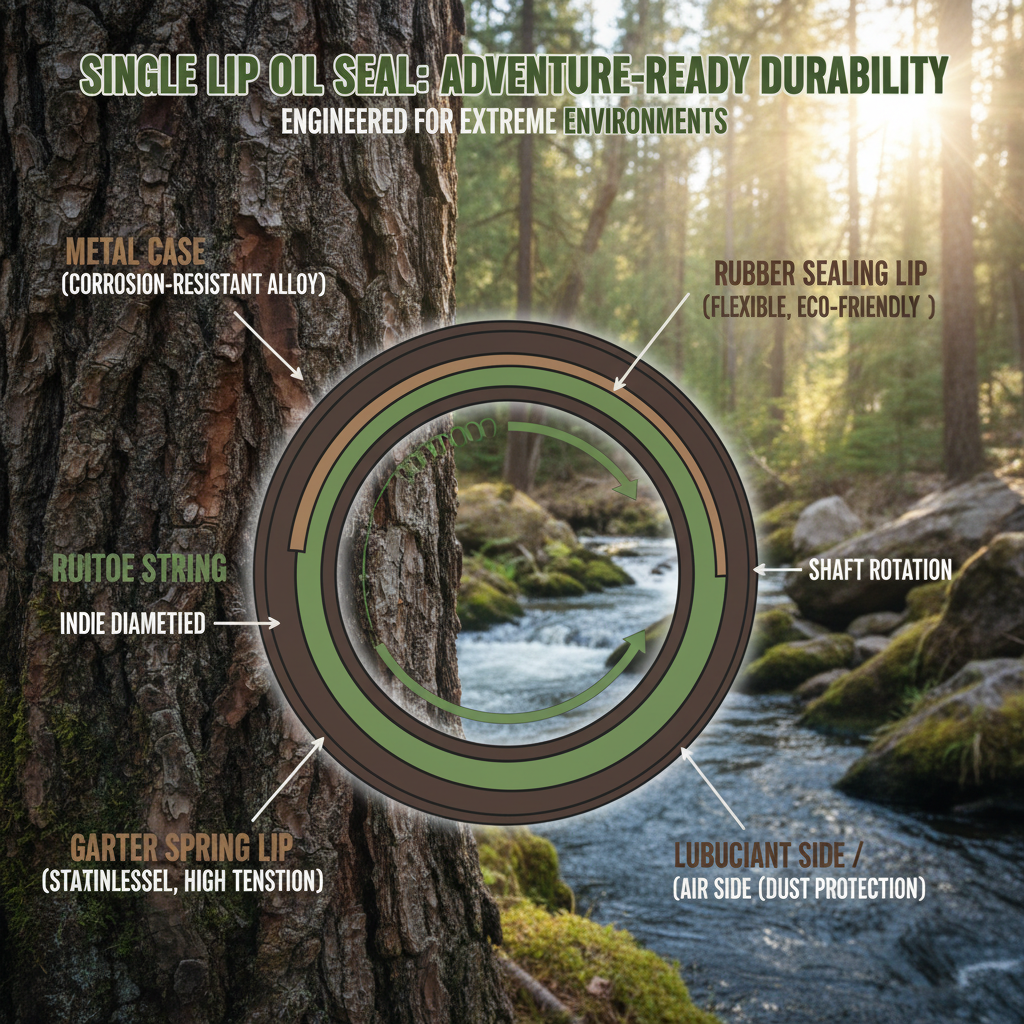
The construction typically involves a metal outer case, a rubber or elastomer sealing lip (or lips), and often a reinforcing ring. The sealing lips are precisely molded to ensure intimate contact with the rotating shaft, minimizing fluid passage. The selection of materials – such as Nitrile Rubber (NBR), Viton (FKM), or Silicone Rubber – is critical and depends on the fluid being sealed, the operating temperature, and the shaft speed. The interplay of these elements ensures the double lip oil seal's efficacy.
This technology directly addresses modern industrial and humanitarian needs by enabling the efficient and safe operation of critical infrastructure. From power generation and water treatment plants to medical equipment and agricultural machinery, reliable sealing is essential for maintaining operational integrity and preventing costly downtime or environmental contamination.
Key Factors Influencing Double Lip Oil Seal Performance
Durability is a key aspect of double lip oil seal performance. The ability to withstand abrasion, wear, and tear over extended periods is vital for minimizing maintenance and maximizing equipment uptime. Material selection, manufacturing precision, and surface finish all contribute to seal durability.
Temperature resistance is another critical factor. Double lip oil seals must maintain their sealing properties across a wide temperature range, from sub-zero conditions to high-heat environments. The elastomer material’s thermal stability is paramount. Compatibility with the fluid being sealed is also crucial; incompatible fluids can cause swelling, cracking, or degradation of the seal.
Double Lip Oil Seal Performance Metrics
Global Applications and Use Cases
Double lip oil seals find extensive use in the automotive industry, sealing wheel hubs, transmissions, and engines. Their robust design and ability to withstand high speeds and temperatures make them ideal for these applications. In the aerospace sector, they are employed in aircraft engines, landing gear, and hydraulic systems, where reliability is paramount.
The manufacturing industry utilizes these seals in a wide range of machinery, including pumps, compressors, gearboxes, and electric motors. In post-disaster relief operations, portable generators and water purification systems rely on double lip oil seals to ensure continuous operation. Additionally, in remote industrial zones, where maintenance access is limited, the reliability of these seals is crucial for minimizing downtime.
Agricultural machinery, such as tractors and harvesters, benefit from double lip oil seals' ability to protect components from dust, dirt, and moisture. This ensures efficient operation and reduces the need for frequent repairs, particularly in challenging environmental conditions.
Advantages and Long-Term Value
The primary advantage of using a double lip oil seal is enhanced reliability. The dual-lip design provides a redundant sealing barrier, significantly reducing the risk of leakage compared to single-lip seals. This translates into lower maintenance costs, extended equipment lifespan, and reduced downtime.
From a sustainability perspective, minimizing fluid leakage reduces environmental contamination and conserves valuable resources. The durability of double lip oil seals also contributes to a smaller environmental footprint by reducing the frequency of replacements. The emotional benefit stems from knowing that critical equipment is protected, enhancing operational safety and reducing the potential for costly and disruptive failures.
Future Trends and Innovations in Double Lip Oil Seals
Ongoing research and development efforts are focused on creating double lip oil seals with improved performance characteristics. This includes the development of new elastomer materials with enhanced temperature resistance, chemical compatibility, and wear resistance. Nanomaterials are also being explored to improve seal surface properties and reduce friction.
The integration of smart sensors into oil seals is a promising trend, allowing for real-time monitoring of seal condition and performance. This predictive maintenance capability can help identify potential failures before they occur, minimizing downtime and reducing maintenance costs. Furthermore, advancements in digital modeling and simulation are enabling engineers to optimize seal designs for specific applications, maximizing efficiency and reliability.
Challenges and Solutions
A common challenge with double lip oil seals is the potential for premature failure due to improper installation or misalignment. Incorrect installation can damage the sealing lips, leading to leakage. Another limitation is the susceptibility to damage from abrasive particles or contaminants in the fluid being sealed.
To address these challenges, manufacturers are developing self-aligning seal designs that can tolerate minor shaft misalignment. Improved filtration systems can help remove contaminants from the fluid, protecting the seal from damage. Furthermore, enhanced training programs for installers can ensure proper installation techniques, maximizing seal performance and lifespan. Selecting the right double lip oil seal for the specific application is also essential.
Finally, the development of advanced surface coatings can further enhance seal durability and reduce friction, extending the seal’s operational life and minimizing energy losses.
Summary of Double Lip Oil Seal Challenge and Solutions
| Challenge |
Root Cause |
Potential Impact |
Proposed Solution |
| Improper Installation |
Lack of training, incorrect tools |
Premature failure, leakage |
Enhanced installer training programs |
| Shaft Misalignment |
Manufacturing tolerances, bearing wear |
Increased friction, reduced seal life |
Self-aligning seal designs |
| Abrasive Contamination |
Dirty fluids, inadequate filtration |
Seal damage, leakage |
Improved filtration systems |
| Material Incompatibility |
Incorrect elastomer selection |
Swelling, cracking, degradation |
Detailed fluid compatibility analysis |
| High Operating Temperatures |
Exceeding material limits |
Loss of sealing properties |
High-temperature elastomer materials |
| Shaft Surface Finish |
Rough or damaged shaft surface |
Premature wear, leakage |
Proper shaft preparation and surface finishing |
FAQS
The lifespan of a double lip oil seal varies significantly depending on operating conditions, fluid compatibility, and installation quality. However, a properly installed and maintained seal in a typical application can last anywhere from 1,000 to 5,000 hours. Factors like temperature, pressure, and the presence of contaminants can drastically reduce this lifespan, making regular inspection and preventative maintenance crucial. Selecting the appropriate material based on the application and environment is key for maximizing longevity.
Determining the correct size involves several key measurements. You’ll need the shaft diameter, shaft tolerance, housing bore, and seal width. It's vital to accurately measure these dimensions and consult the manufacturer’s specifications for compatibility. Pay close attention to tolerances, as an incorrect fit can compromise the seal’s effectiveness. Often, using a caliper and referencing a seal sizing chart provided by a supplier like double lip oil seal will ensure proper selection.
Common materials include Nitrile Rubber (NBR) – excellent for petroleum-based fluids, Viton (FKM) – offering high temperature and chemical resistance, Silicone Rubber – suitable for extreme temperatures and food-grade applications, and Polyurethane (PU) – known for its abrasion resistance. The metal case is often made from steel or stainless steel. The choice depends on the specific fluid being sealed, operating temperature, and pressure requirements.
Generally, it is not recommended to reuse a double lip oil seal after disassembly. The sealing lips can become deformed or damaged during removal, compromising their ability to create a proper seal. Even if the seal appears undamaged, micro-scratches or wear may be present, leading to leakage. Replacing the seal with a new one ensures optimal performance and prevents potential failures.
Proper installation is critical for ensuring seal longevity and performance. Clean the housing bore and shaft thoroughly before installation. Use a seal installation tool appropriate for the seal size and type to avoid damaging the sealing lips. Ensure the seal is oriented correctly and seated fully within the housing. Avoid using excessive force. Lubricating the sealing lips with a compatible lubricant before installation can also help extend their lifespan.
Common signs of a failing seal include visible fluid leakage around the seal area, reduced equipment performance, increased fluid consumption, and unusual noises or vibrations. A discolored or cracked seal is another obvious indicator of failure. Promptly addressing a failing seal is crucial to prevent further damage to the equipment and avoid costly repairs.
Conclusion
In conclusion, the double lip oil seal remains a foundational component in countless mechanical systems across diverse industries. Its ability to prevent fluid leakage, protect critical components, and extend equipment lifespan makes it indispensable for maintaining operational efficiency, minimizing downtime, and ensuring safety. Understanding its principles, applications, and the factors influencing its performance is paramount for engineers, technicians, and anyone involved in the operation and maintenance of machinery.
Looking ahead, ongoing innovation in materials science and seal design will continue to enhance the performance and reliability of double lip oil seals. The integration of smart technologies and predictive maintenance capabilities will further optimize their utilization and contribute to more sustainable and efficient industrial practices. To learn more about our range of double lip oil seal products and find the optimal solution for your application, visit our website today.