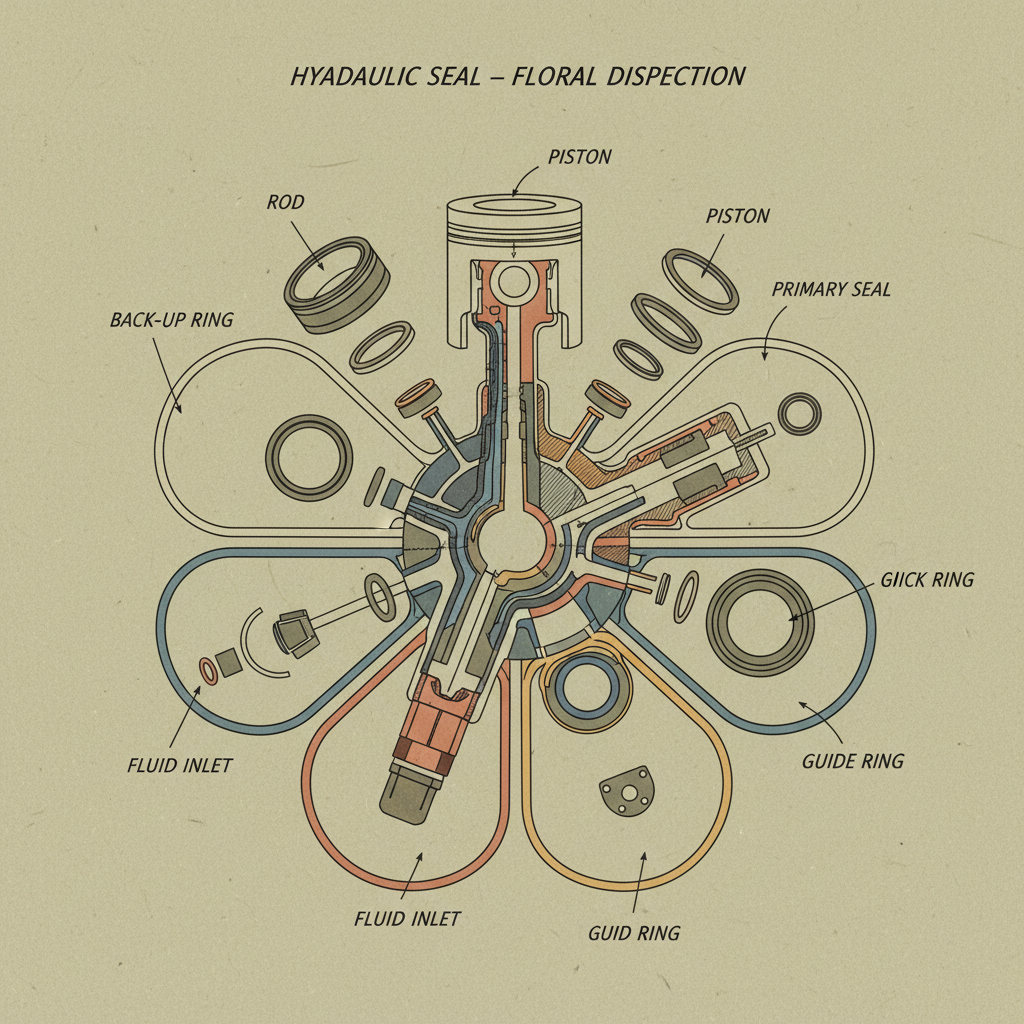
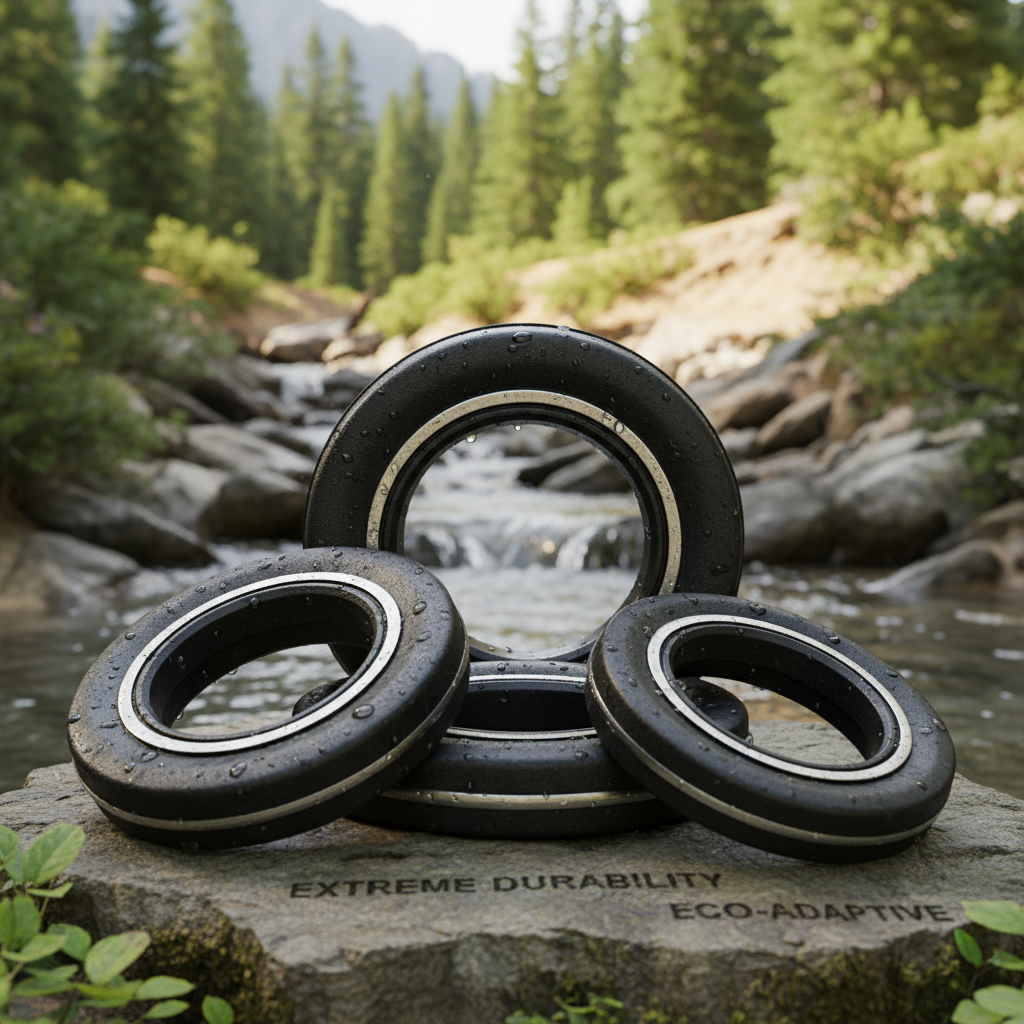
The single lip oil seal is a crucial component in a vast array of mechanical systems, acting as a barrier against leakage of fluids and contaminants. Its widespread application across industries, from automotive and aerospace to manufacturing and hydraulics, underscores its global relevance. Understanding the principles, materials, and applications of the single lip oil seal is vital for maintaining equipment efficiency, reducing downtime, and ensuring operational safety. Proper seal selection and installation directly impact the longevity and performance of countless machines globally.
The demand for high-performance seals is increasing due to the growing complexity of machinery and the need for more environmentally friendly solutions. According to recent industry reports, the global oil seal market is projected to reach significant growth in the coming years, driven by factors such as increased automotive production and expanding industrial automation. Addressing challenges such as compatibility with new fluids and extreme operating conditions is paramount. The single lip oil seal, through continuous innovation in materials and design, remains a cornerstone of fluid sealing technology.
The effective deployment of a single lip oil seal prevents costly failures and environmental hazards. Its relatively simple yet robust design offers a cost-effective solution compared to more complex sealing systems, making it a preferred choice for a wide range of applications. Ultimately, the single lip oil seal contributes to improved reliability, reduced maintenance costs, and increased sustainability across diverse sectors.
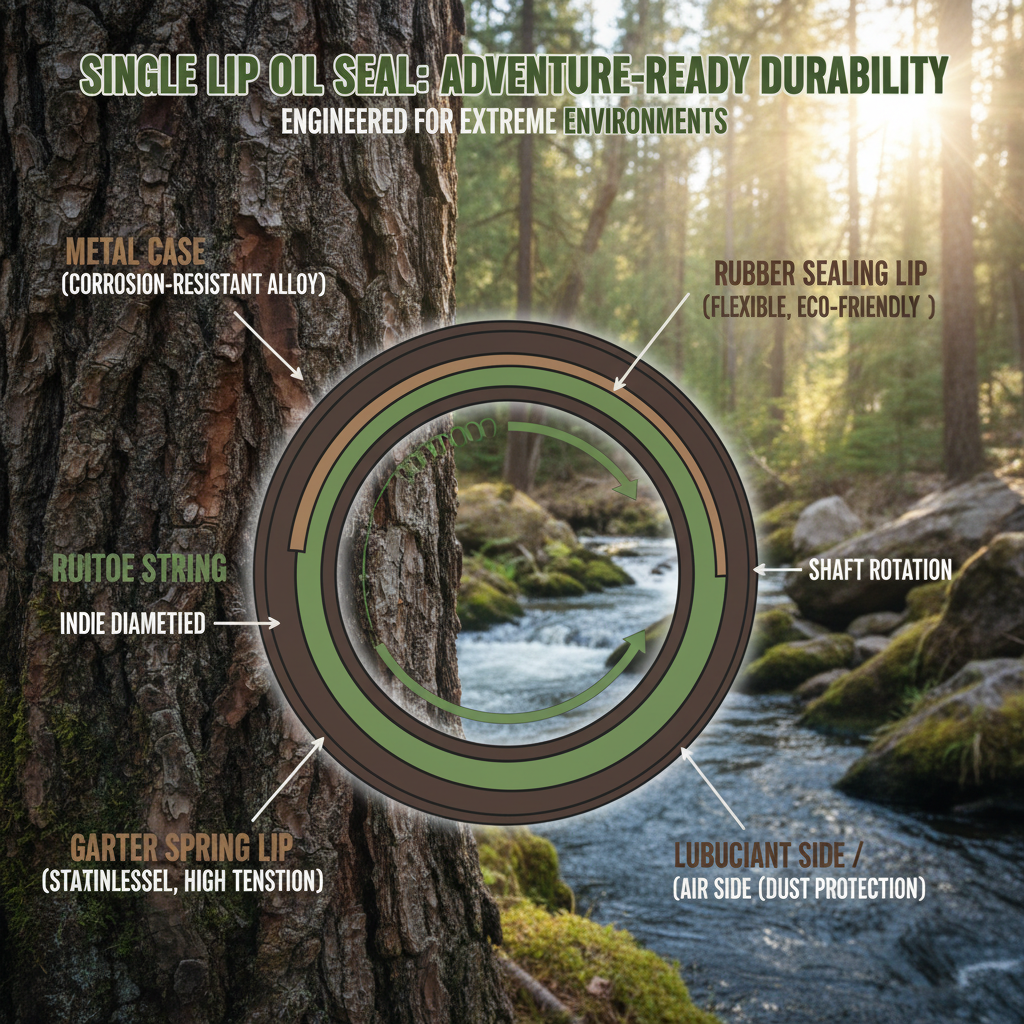

A single lip oil seal is a fundamental component used to prevent the leakage of fluids or gases from rotating or reciprocating machinery. This seemingly simple device plays a critical role in the reliability and efficiency of a wide spectrum of industrial equipment. The basic functionality relies on the tight contact between the flexible lip of the seal and the rotating shaft or reciprocating piston.
The selection of the right single lip oil seal is paramount for optimal performance. Factors such as material compatibility, operating temperature, pressure, and shaft speed all influence the seal’s effectiveness. Choosing a seal designed for the specific application and maintaining proper installation procedures are essential for preventing premature failure and maximizing equipment lifespan.
The lifespan of a single lip oil seal varies widely depending on the application, operating conditions, and seal material. Generally, properly installed seals in optimal conditions can last for several years, but factors like high temperatures, abrasive contaminants, and excessive pressure can significantly reduce their lifespan. Regular inspections and preventative maintenance are crucial for maximizing seal longevity.
Material selection depends on the fluid being sealed and the operating environment. Nitrile rubber (NBR) is common for petroleum-based oils, while Viton (FKM) is preferred for high temperatures and aggressive chemicals. Silicone (VMQ) offers excellent temperature resistance, and PTFE provides broad chemical compatibility. Consult material compatibility charts and consider the specific requirements of your application.
Common causes include improper installation, contamination, excessive heat, and incompatibility with the sealed fluid. Shaft surface finish also plays a critical role; a rough or damaged shaft can quickly wear the seal lip. Additionally, misalignment or excessive vibration can lead to premature failure. Regularly inspect the shaft and housing for damage before installing a new seal.
While single lip oil seals can handle moderate pressure, they are generally not recommended for extremely high-pressure applications. High pressures can cause the seal lip to deform or extrude, leading to leakage. In such cases, more robust sealing solutions, such as double lip seals or mechanical seals, are typically required. Always consult the seal manufacturer's specifications for pressure limits.
Proper installation is absolutely critical for the performance and longevity of a single lip oil seal. Ensure the shaft and housing are clean, free of burrs, and properly lubricated. Use the correct installation tools to avoid damaging the seal lip. Incorrect installation can lead to premature wear, leakage, and complete seal failure.
A spring-loaded single lip oil seal provides consistent contact between the seal lip and the shaft, even with variations in shaft diameter, temperature fluctuations, or wear. The spring maintains the necessary radial force to ensure a tight seal, enhancing performance and extending the seal’s lifespan, particularly in dynamic applications.
The single lip oil seal remains an essential component in countless mechanical systems globally, offering a cost-effective and reliable solution for preventing fluid leakage. Understanding its principles, materials, and applications is crucial for maintaining equipment efficiency and reducing downtime. From automotive to aerospace and manufacturing, this deceptively simple device plays a critical role in ensuring smooth and reliable operation.
Looking ahead, ongoing innovations in materials and design, coupled with advancements in predictive maintenance technologies, will further enhance the performance and longevity of single lip oil seals. By prioritizing proper selection, installation, and maintenance, engineers and technicians can maximize the value of these essential components and contribute to a more sustainable and efficient industrial landscape.