Metal oil seals are critical components in a vast array of machinery and equipment, preventing leakage and maintaining efficient operation across diverse industries. From automotive engines to hydraulic systems and aerospace applications, these seemingly simple devices play an indispensable role in ensuring reliability and performance. Understanding the nuances of metal oil seal design, materials, and application is therefore vital for engineers, technicians, and anyone involved in the maintenance and operation of complex mechanical systems.
Globally, the demand for high-quality metal oil seals is steadily increasing, driven by factors such as industrial growth, stricter environmental regulations, and the need for improved energy efficiency. According to industry reports, the global oil seal market is projected to reach [Insert Statistic - e.g., $5.8 billion] by [Insert Year - e.g., 2028], exhibiting a compound annual growth rate (CAGR) of [Insert Percentage - e.g., 4.2%] during the forecast period. This growth underscores the importance of continuous innovation in materials science and manufacturing techniques to meet evolving performance demands.
The fundamental challenge addressed by metal oil seals is preventing the escape of fluids (typically oil, but also water, grease, or other liquids) from machinery while simultaneously excluding contaminants. Failures in sealing systems can lead to significant economic losses, environmental damage, and even safety hazards. Effective metal oil seal technology is therefore a cornerstone of sustainable industrial practices and responsible resource management.
The Significance of Metal Oil Seals
Metal oil seals are more than just simple barriers; they are integral to the longevity and efficiency of countless machines. Their primary function – preventing fluid leakage – has far-reaching consequences, impacting everything from energy consumption to environmental protection. A well-designed and properly installed metal oil seal minimizes friction, reduces wear on critical components, and ensures optimal system performance.
The significance extends to safety as well. Leaking fluids can create hazardous working conditions, increasing the risk of accidents. Reliable sealing solutions are therefore paramount in industries where safety is a top priority, such as aviation, automotive, and petrochemicals. Choosing the correct metal oil seal for a specific application is not merely a technical decision; it's a crucial investment in operational reliability and long-term cost savings.
Defining Metal Oil Seals
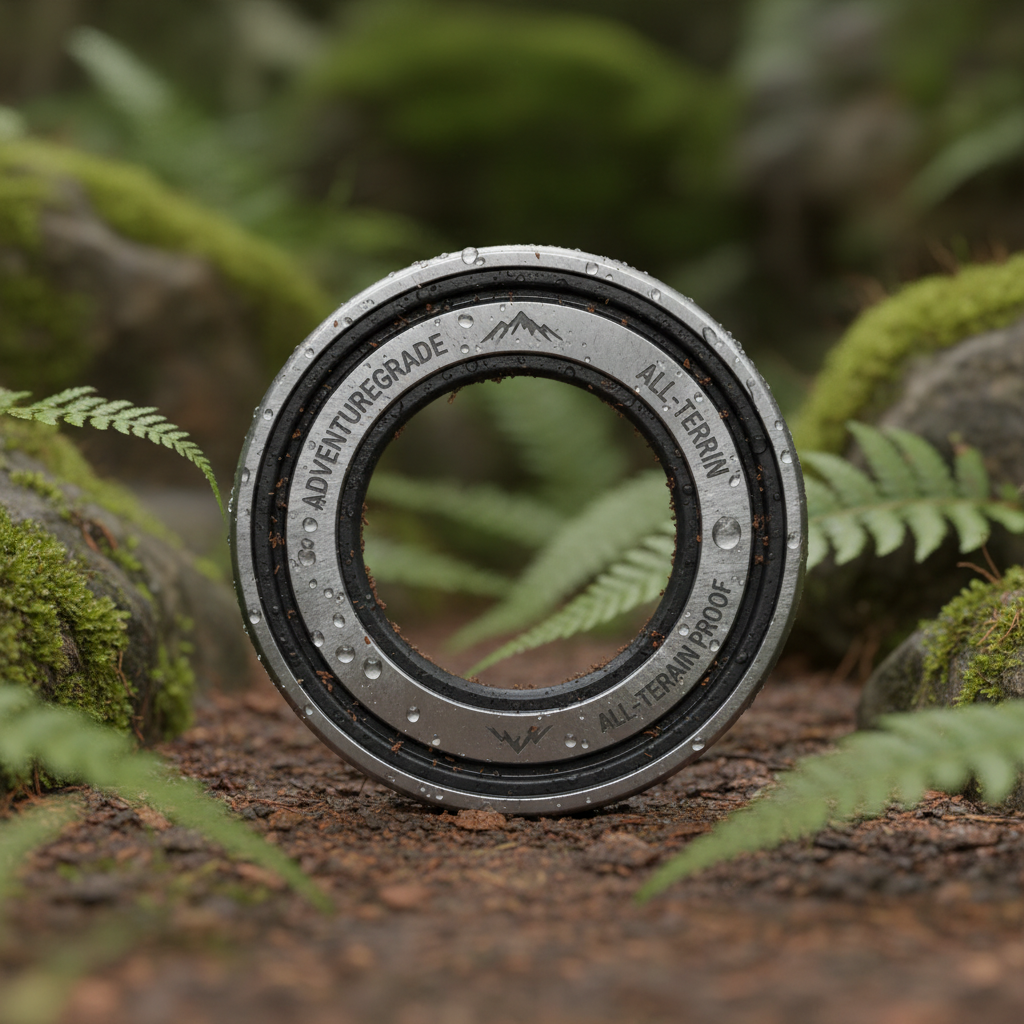
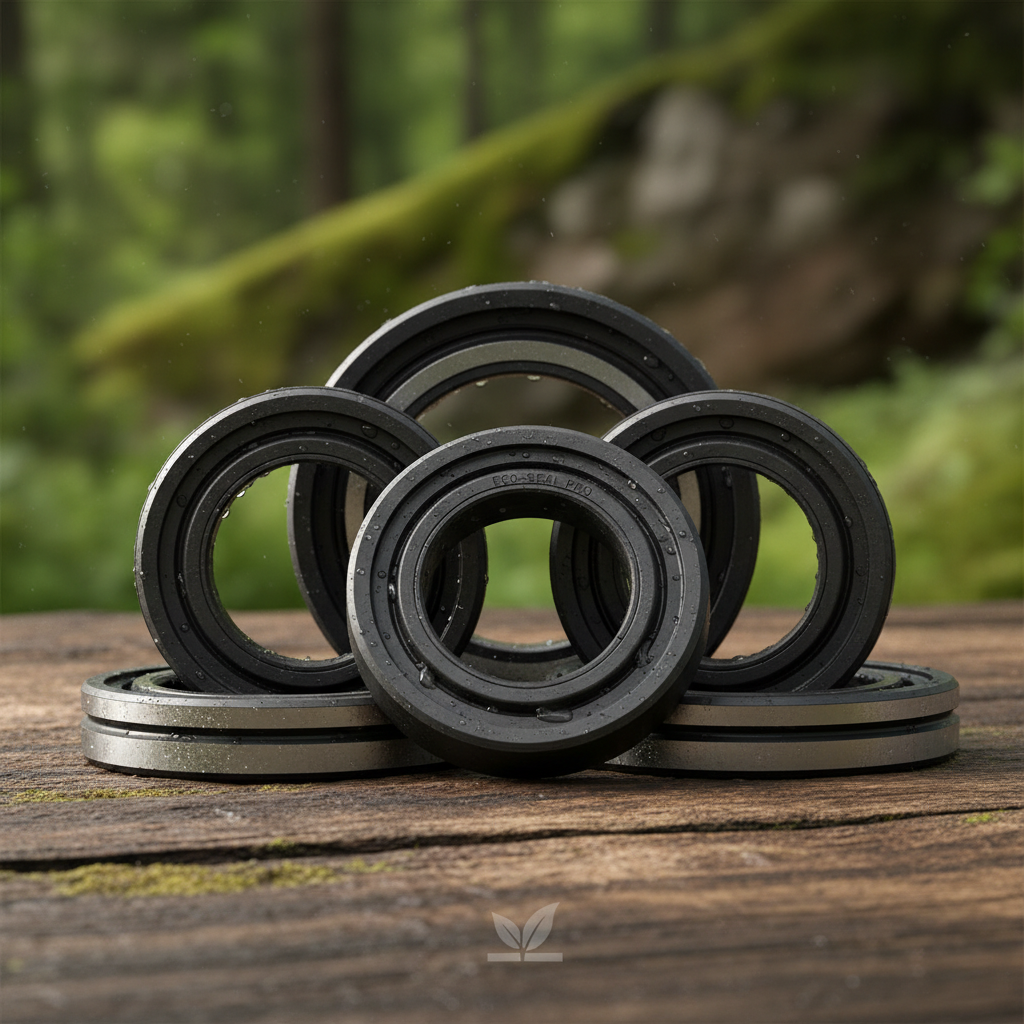
A metal oil seal, at its core, is a mechanical component designed to prevent the passage of fluids between stationary and moving parts in a machine. Unlike simpler gaskets, oil seals are engineered to accommodate dynamic applications – meaning they seal while parts are rotating or reciprocating. They typically consist of a metal casing, an elastomeric sealing lip, and often a spring to maintain consistent contact pressure.
The connection to modern industry is undeniable. Without effective sealing solutions, complex machinery simply wouldn't function reliably. From the internal combustion engine in your car to the massive turbines in a power plant, metal oil seals ensure that vital fluids remain contained, lubricating moving parts and preventing catastrophic failures. They are a fundamental enabling technology for countless modern conveniences.
These seals aren’t merely preventative; they actively contribute to improved system efficiency. By minimizing fluid loss, they reduce the need for frequent top-ups, lowering operating costs and minimizing environmental impact. Their robust construction ensures long-term performance, lessening the need for frequent replacements and contributing to sustainable operational practices.
Core Components and Key Factors
Several key factors influence the performance and longevity of a metal oil seal. Material Selection is paramount; different elastomers (like nitrile rubber, Viton, or silicone) offer varying levels of resistance to temperature, chemicals, and abrasion. The metal casing, often steel or stainless steel, provides structural support and compatibility with the application environment.
Seal Geometry plays a crucial role. The lip design (e.g., single lip, double lip, dust lip) determines the sealing capacity and ability to withstand pressure. The spring’s tension must be carefully calibrated to ensure consistent contact without excessive friction. Furthermore, Surface Finish of both the shaft and the seal bore significantly impacts sealing effectiveness; rough surfaces can lead to premature wear and leakage.
Operating Conditions dictate the appropriate seal choice. Factors like temperature range, fluid type, pressure levels, and shaft speed must be considered. Finally, Installation Procedures are critical. Improper installation can damage the seal, compromising its integrity and leading to premature failure.
Global Applications and Industries
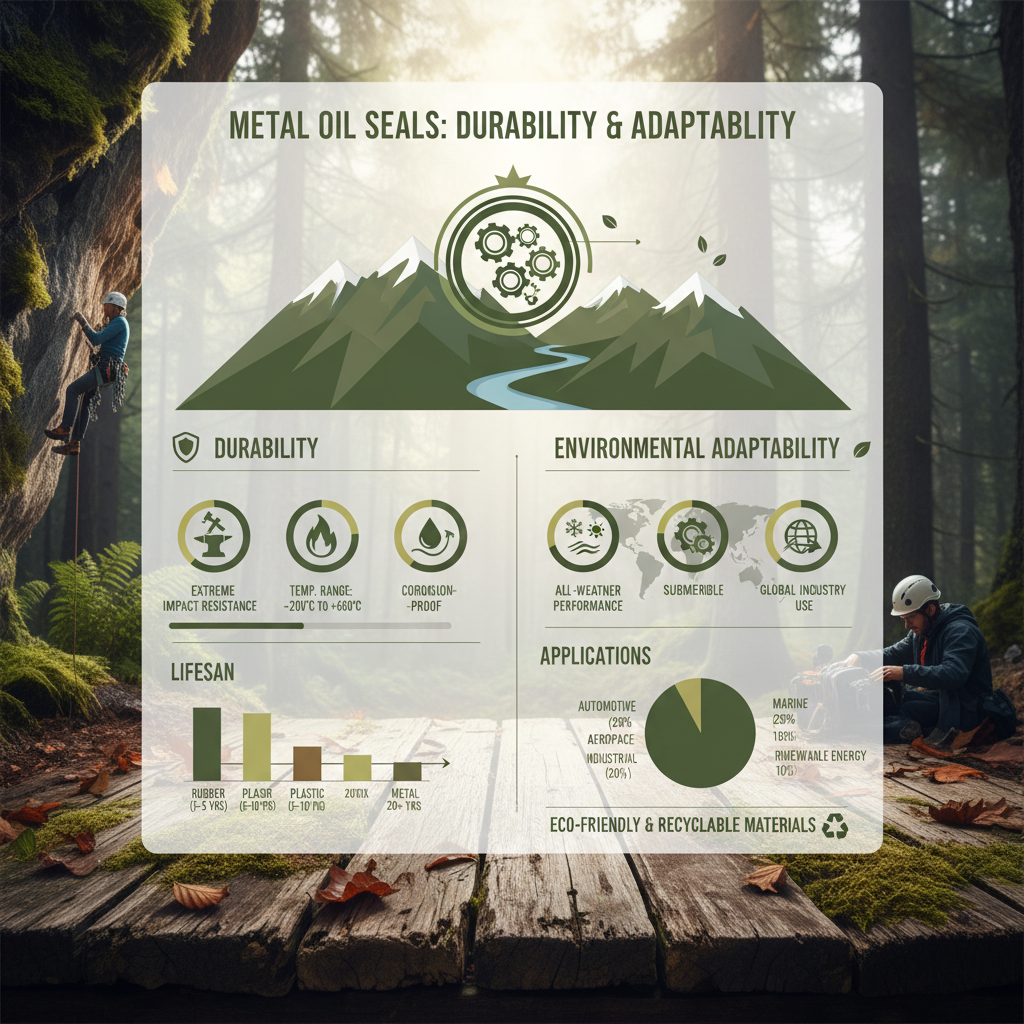
The applications of metal oil seals are incredibly diverse. In the Automotive Industry, they are found in engines, transmissions, axles, and steering systems. The Aerospace Sector relies on them in hydraulic actuators, landing gear, and engine components. Heavy Machinery – including construction equipment, agricultural machinery, and mining equipment – utilizes them extensively in hydraulic cylinders and gearboxes.
In regions with rapidly growing industrial sectors, such as Asia-Pacific (China, India, and Southeast Asia), the demand for metal oil seal technology is particularly strong. Furthermore, industries requiring strict hygiene standards, like food and beverage processing, rely on specialized seals designed to prevent contamination. In remote industrial zones, the reliability of these seals is essential, as failures can lead to costly downtime and logistical challenges.
Even in less obvious applications, such as water treatment plants and renewable energy systems, metal oil seals play a vital role. Their ability to withstand harsh environments and maintain reliable operation is critical for ensuring the efficient and sustainable functioning of these essential infrastructure components.
Metal Oil Seal Performance by Method
Advantages and Long-Term Value
The advantages of utilizing high-quality metal oil seals extend far beyond simply preventing leaks. Cost efficiency is a major benefit; by reducing fluid loss, downtime, and maintenance requirements, these seals contribute to significant long-term savings. Furthermore, the durability of metal oil seals minimizes the need for frequent replacements, lowering lifecycle costs.
From a sustainability perspective, effective sealing systems reduce environmental impact by preventing fluid contamination and minimizing waste. The reliability offered by properly engineered metal oil seal solutions promotes safety and peace of mind, fostering trust in the performance of critical equipment.
Future Trends and Innovations
The future of metal oil seal technology is focused on developing more durable, efficient, and environmentally friendly solutions. Advancements in materials science are leading to the creation of new elastomers with enhanced resistance to extreme temperatures, aggressive chemicals, and abrasive wear. Furthermore, smart sealing systems—incorporating sensors and data analytics—are emerging to provide real-time monitoring of seal performance.
Digital transformation and automation are also playing a role, with automated inspection and assembly processes improving quality control and reducing manufacturing costs. The integration of these technologies will enable predictive maintenance strategies, allowing for proactive replacement of seals before failures occur, minimizing downtime and optimizing overall system reliability.
Challenges and Solutions
Despite advancements, challenges remain in the field of metal oil seal technology. One common issue is selecting the appropriate seal for highly demanding applications, where extreme temperatures, pressures, or chemical exposure can lead to premature failure. Another challenge is minimizing friction and wear, especially in high-speed rotating equipment.
Innovative solutions are being developed to address these challenges, including the use of advanced coatings, self-lubricating materials, and optimized seal geometries. Finite element analysis (FEA) is increasingly used to simulate seal performance under various operating conditions, enabling engineers to design more robust and reliable solutions.
Moreover, collaboration between seal manufacturers and equipment OEMs is crucial for developing customized sealing solutions tailored to specific application requirements. This collaborative approach ensures optimal performance and maximizes the lifespan of critical machinery.
Summary of Metal Oil Seal Design Considerations
| Seal Material |
Operating Temperature |
Fluid Compatibility |
Application Complexity |
| Nitrile Rubber |
-40°C to 100°C |
Petroleum-based oils |
Low to moderate |
| Viton (FKM) |
-20°C to 200°C |
Wide range, including aggressive chemicals |
Moderate to high |
| Silicone |
-60°C to 200°C |
Water, oils, and certain chemicals |
Low to moderate |
| PTFE (Teflon) |
-200°C to 260°C |
Virtually all fluids |
High |
| Polyurethane |
-30°C to 80°C |
Oils, greases, and some solvents |
Moderate |
| Metal Casing (Steel/Stainless Steel) |
Dependent on elastomer |
Dependent on elastomer |
All |
FAQS
The lifespan of a metal oil seal varies significantly based on operating conditions, the seal material, and the quality of installation. Generally, a well-maintained seal can last anywhere from several thousand to tens of thousands of hours of operation. Factors like temperature extremes, abrasive contaminants, and improper lubrication can substantially reduce its lifespan. Regular inspection and preventative maintenance are crucial for maximizing seal longevity.
Selecting the appropriate metal oil seal requires careful consideration of several factors. You must determine the fluid type, operating temperature range, pressure levels, shaft speed, and the presence of any potential contaminants. The seal material should be compatible with the fluid and capable of withstanding the operating conditions. Consulting with a sealing specialist or referring to manufacturer's guidelines can ensure you choose the optimal seal for your specific needs.
Common causes of metal oil seal failure include improper installation (e.g., misalignment, damage during installation), abrasive contamination, excessive temperature, chemical attack, and wear due to high shaft speeds or pressures. Maintaining clean lubrication, ensuring proper alignment, and selecting a seal material compatible with the operating environment can help prevent these failures.
In most cases, it's recommended to replace a leaking metal oil seal rather than attempt a repair. While temporary fixes may seem appealing, they often address the symptom rather than the root cause. Attempting to repair a seal can compromise its integrity and lead to more significant failures down the line. A proper replacement ensures long-term reliability and prevents further damage to the equipment.
A double lip metal oil seal provides an enhanced level of sealing protection compared to a single lip seal. The secondary lip acts as a backup, providing additional resistance to leakage in case the primary lip becomes worn or damaged. Double lip seals are particularly beneficial in applications with high pressures, abrasive contaminants, or where absolute sealing integrity is critical.
The surface finish of the shaft is extremely important for proper metal oil seal performance. A rough or damaged shaft surface can cause premature wear and leakage. The shaft surface should be smooth and free of any nicks, scratches, or burrs. Proper surface preparation, including polishing or honing, ensures optimal sealing contact and extends the seal's lifespan.
Conclusion
Metal oil seals are essential components underpinning the reliable operation of countless machines across diverse industries. Their ability to prevent leakage, protect critical components, and enhance overall system efficiency makes them indispensable to modern engineering and manufacturing. Understanding the core principles of seal design, material selection, and application is vital for optimizing performance and minimizing downtime.
Looking ahead, continued innovation in materials science, coupled with the integration of smart technologies, promises to further enhance the capabilities and longevity of metal oil seals. By embracing these advancements and prioritizing preventative maintenance, we can unlock even greater levels of efficiency, sustainability, and safety in the industrial world. For more information on high-quality metal oil seal solutions, visit our website today!