The 25x47x7 oil seal is a critical component in a vast array of mechanical systems, serving as a barrier against leakage of fluids and contaminants. Its standardized dimensions make it incredibly versatile across numerous industries, from automotive and aerospace to industrial machinery and hydraulic systems. Understanding the properties, applications, and advancements in 25x47x7 oil seal technology is essential for maintaining equipment reliability and efficiency, minimizing downtime, and ensuring optimal performance.
Globally, the demand for reliable sealing solutions like the 25x47x7 oil seal is consistently high due to the widespread use of machinery and equipment in manufacturing, transportation, and resource extraction. The efficiency and longevity of these systems heavily rely on the effectiveness of components such as oil seals, directly impacting operational costs and productivity. Supply chain resilience and availability of quality 25x47x7 oil seals are therefore key concerns for industries worldwide.
The 25x47x7 oil seal refers to a specific type of lip seal with dimensions denoting its inner diameter (25mm), outer diameter (47mm), and width (7mm). It is designed to prevent the escape of fluids – typically oils and lubricants – while simultaneously preventing the ingress of dirt, dust, and other external contaminants. These seals are pivotal in protecting sensitive machinery, extending its lifespan, and maintaining optimal operational functionality, representing a fundamental element of preventative maintenance.
The Importance of 25x47x7 Oil Seal
The 25x47x7 oil seal, while seemingly a small component, plays a monumental role in the reliability and efficiency of countless machines. Its ability to maintain fluid levels and prevent contamination is vital across multiple sectors, contributing to reduced maintenance costs and increased operational uptime. Neglecting the quality or proper installation of a 25x47x7 oil seal can quickly lead to significant problems, including equipment failure and costly repairs. 25x47x7 oil seal selection is therefore crucial.
Furthermore, the widespread standardization of this particular oil seal size – 25x47x7 – contributes significantly to its accessibility and cost-effectiveness. This standardization simplifies inventory management for maintenance professionals and ensures compatibility across a wide range of equipment, reducing the risk of delays due to unavailable parts. It's a small part with a big impact.
Global Industry Context of 25x47x7 Oil Seal
The global market for oil seals, including the 25x47x7 variant, is substantial and continuously growing. Driven by expanding manufacturing sectors in Asia-Pacific, particularly in China and India, demand for reliable sealing solutions is consistently high. According to industry reports, the global oil seal market was valued at approximately USD 5.8 billion in 2023 and is projected to reach USD 7.2 billion by 2028, showcasing a Compound Annual Growth Rate (CAGR) of 4.5%. This growth is fueled by increasing automation, stricter environmental regulations, and the need for improved equipment longevity.
The automotive industry remains a major consumer of 25x47x7 oil seals, utilizing them extensively in engines, transmissions, and axles. However, the demand is diversifying, with significant growth also observed in industrial machinery, agricultural equipment, and even renewable energy sectors, such as wind turbines. Countries with robust manufacturing bases and rapidly expanding industrial sectors – like Germany, Japan, and the United States – represent key regional markets.
A critical challenge within the industry is ensuring the consistent quality and availability of 25x47x7 oil seals, especially amidst global supply chain disruptions. Manufacturers and distributors are increasingly focusing on establishing resilient supply chains and adopting advanced quality control measures to mitigate risks and meet the evolving needs of their customers.
Defining the 25x47x7 Oil Seal
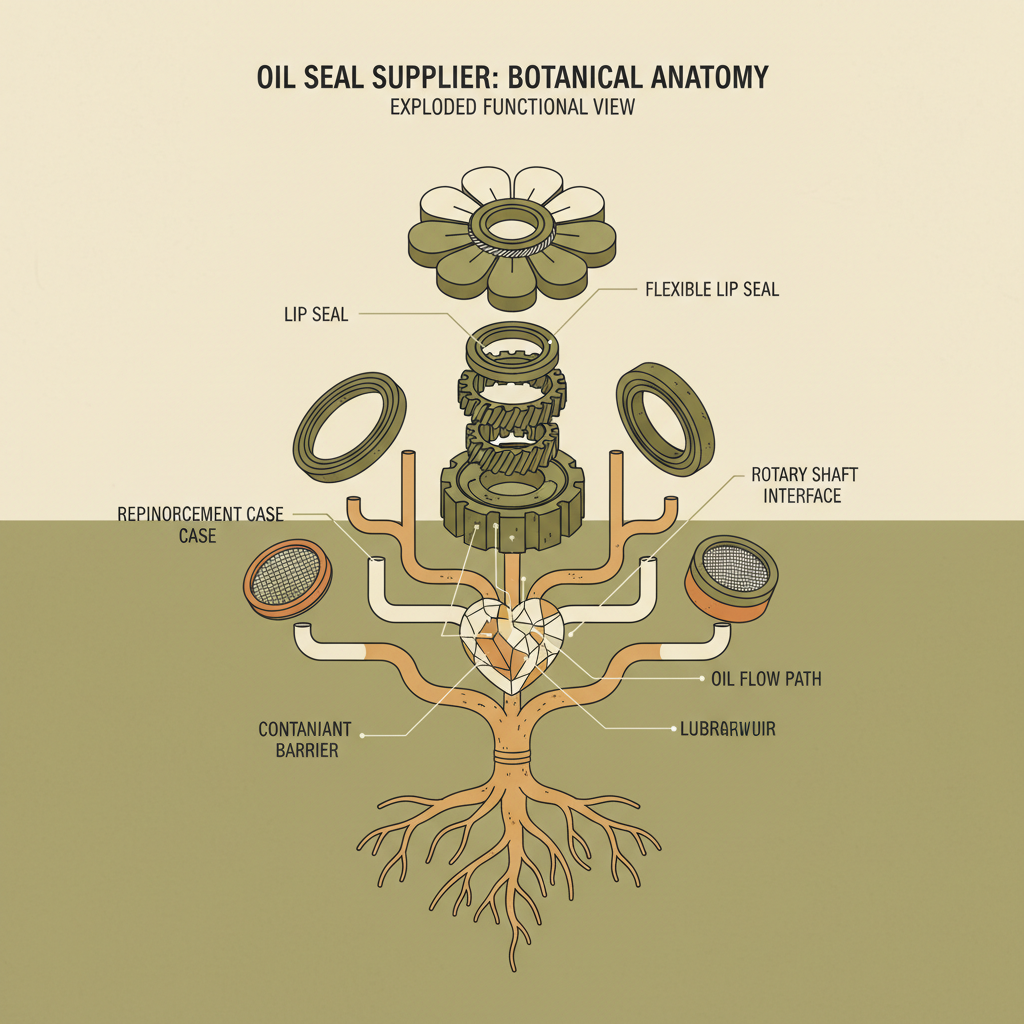
At its core, a 25x47x7 oil seal is a mechanical component designed to prevent leakage of fluids from rotating shafts or reciprocating components. It typically consists of a flexible sealing lip made from materials like nitrile rubber (NBR), Viton (FKM), or silicone, a reinforcing case (often steel), and sometimes a spring to maintain constant sealing pressure. The dimensions – 25mm ID, 47mm OD, and 7mm width – are critical for ensuring a proper fit and effective seal within the designated housing.
The connection to modern industry is undeniable. Virtually any machine that relies on lubrication to reduce friction and wear will incorporate oil seals, including the 25x47x7 size. Without these seals, oil would quickly escape, leading to increased friction, overheating, and ultimately, catastrophic failure. The seal protects not only the equipment but also the environment, preventing oil contamination.
In terms of humanitarian needs, indirectly, the reliable functioning of machinery dependent on components like the 25x47x7 oil seal is crucial for industries supporting essential services like food production, water treatment, and medical equipment manufacturing. Maintaining these services is vital for public health and well-being, particularly in regions facing economic hardship or natural disasters.
Key Performance Factors of 25x47x7 Oil Seal
Several key factors determine the performance and longevity of a 25x47x7 oil seal. First, Material Compatibility is crucial. The seal material must be compatible with the fluid being sealed, as well as the operating temperature and pressure. Choosing the wrong material can lead to swelling, hardening, or degradation, resulting in leakage. Second, Shaft Finish plays a critical role; a smooth, polished shaft surface minimizes friction and wear on the sealing lip, extending its lifespan.
Third, Installation Accuracy is paramount. Incorrect installation – such as misalignment or damage during installation – can compromise the seal's integrity from the outset. Proper tools and techniques are essential. Fourth, Operating Conditions must be considered. Excessive temperature, pressure, or exposure to abrasive particles can significantly reduce the seal's service life. Finally, Dynamic vs. Static Application impacts design, dynamic seals need to accommodate shaft rotation, while static seals remain stationary.
25x47x7 Oil Seal Performance Comparison
Real-World Applications of 25x47x7 Oil Seal
The 25x47x7 oil seal finds extensive application in the automotive sector, specifically in gearboxes, differentials, and engine crankshafts, preventing oil leakage and ensuring proper lubrication. In industrial machinery, it's a vital component in pumps, compressors, and hydraulic systems, protecting bearings and extending the life of critical equipment. 25x47x7 oil seal is also used frequently in agricultural equipment.
Beyond these core industries, the 25x47x7 oil seal is utilized in a surprising range of applications, including power tools, printers, and even medical devices. In remote industrial zones, where access to specialized parts may be limited, the standardization of the 25x47x7 size offers a significant logistical advantage.
Benefits and Long-Term Value of 25x47x7 Oil Seal
The advantages of using a high-quality 25x47x7 oil seal extend beyond simply preventing leaks. Cost savings are significant, stemming from reduced downtime, minimized oil consumption, and decreased repair frequency. Furthermore, reliable sealing contributes to enhanced sustainability by preventing environmental contamination from oil spills. Investing in quality 25x47x7 oil seals demonstrates a commitment to operational efficiency and environmental responsibility.
From a safety perspective, a properly functioning oil seal helps to maintain the integrity of machinery, reducing the risk of accidents caused by equipment failure. The peace of mind that comes with knowing your equipment is reliably sealed also builds trust with customers and stakeholders. The 25x47x7 oil seal provides not just functionality but fosters confidence and long-term reliability.
Future Trends and Innovations in 25x47x7 Oil Seal Technology
The future of 25x47x7 oil seal technology is focused on developing materials with enhanced durability, improved temperature resistance, and increased compatibility with newer, more environmentally friendly fluids. Research is underway exploring the use of advanced polymers and composite materials to create seals that can withstand extreme operating conditions and reduce friction. Nanomaterials are also being investigated for their potential to enhance sealing properties.
Furthermore, the integration of digital technologies, such as embedded sensors within the seal itself, is gaining traction. These sensors can monitor seal performance in real-time, providing valuable data for predictive maintenance and early detection of potential failures. Automation in the manufacturing process is also leading to greater precision and consistency in seal production.
The move toward electric vehicles (EVs) is also influencing seal design. While EVs have fewer lubrication points than internal combustion engines, the seals used in EV transmissions and battery cooling systems still require high performance and reliability, presenting new challenges and opportunities for innovation.
FAQS
The lifespan of a 25x47x7 oil seal varies significantly depending on operating conditions, material, and application. Generally, a well-maintained seal can last between 2,000 to 5,000 hours of operation. However, factors such as excessive temperature, pressure, contamination, and improper installation can significantly shorten its lifespan. Regular inspections and preventative maintenance are key to maximizing its service life.
The most common materials include Nitrile Rubber (NBR), known for its general oil resistance and cost-effectiveness. Viton (FKM) is preferred for high-temperature applications and its resistance to aggressive fluids. Silicone is used for extreme temperature ranges and food-grade applications. Acrylic is a good all-rounder, while PTFE offers superior chemical resistance. The optimal material depends on the specific application requirements.
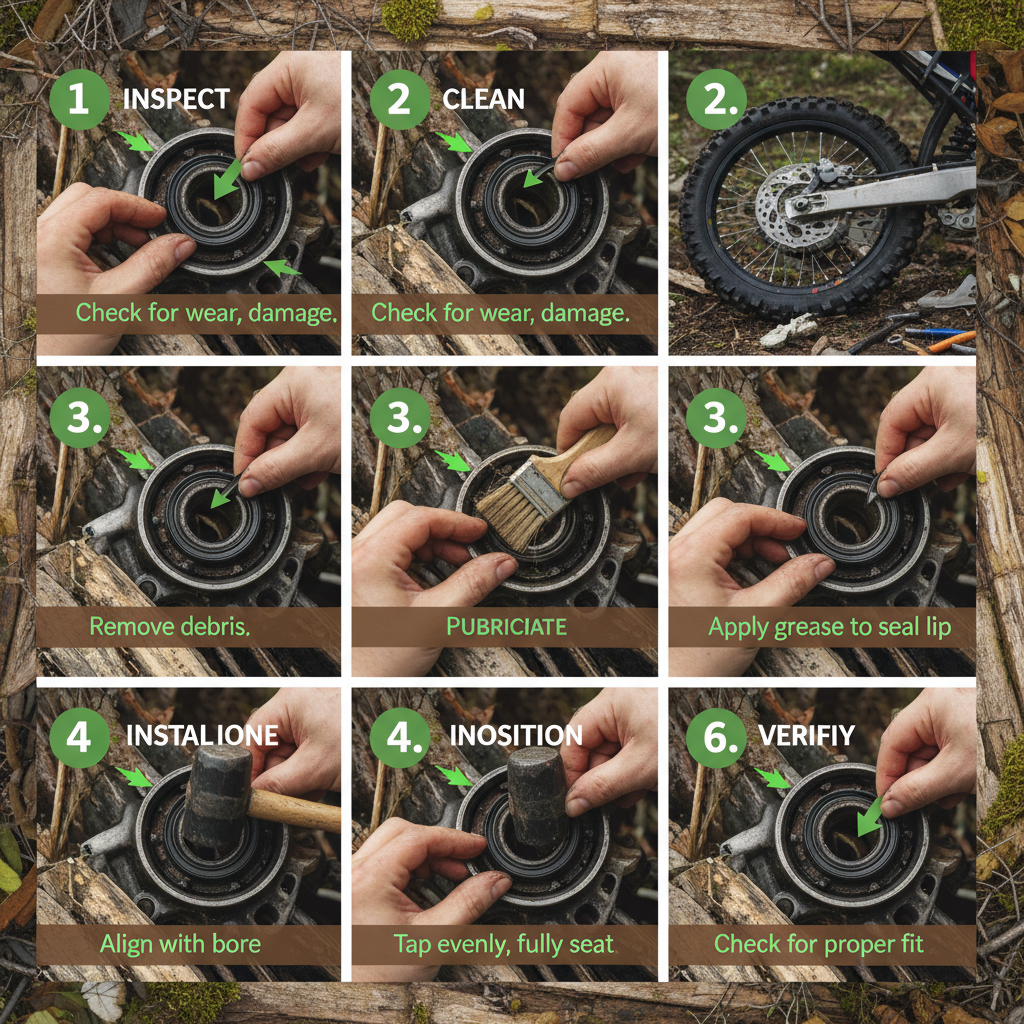
Correct installation is critical. Clean both the housing bore and the shaft thoroughly. Use a seal installation tool to avoid damage to the sealing lip. Apply a light coating of lubricant to the lip before installation. Ensure the seal is seated squarely and evenly in the housing. Avoid using excessive force, which can deform the seal. A proper installation ensures a reliable seal and prevents premature failure.
Common signs include visible oil leakage around the shaft or housing. Reduced performance of the equipment, such as slower operating speed or increased noise. Contamination of the lubricant with dirt or other particles. A gritty or abrasive feel when rotating the shaft. These signs indicate that the seal is no longer effectively containing the fluid and should be replaced promptly.
Using an incorrect size oil seal is strongly discouraged. A slightly oversized seal can be damaged during installation, while an undersized seal will not provide an adequate seal. Always use the specified size (25x47x7 in this case) to ensure proper fit and performance. If the exact size is unavailable, consult with a sealing specialist to explore alternative solutions that meet the specific application requirements.
You can purchase a 25x47x7 oil seal from reputable industrial suppliers, bearing manufacturers, and online distributors. Look for seals that meet industry standards (ISO, etc.) and are made from high-quality materials. Hkaiseal specializes in oil seals and offers a wide selection of sizes and materials to meet your needs.
Conclusion
In conclusion, the 25x47x7 oil seal is a deceptively simple component that plays a critical role in maintaining the reliability and efficiency of a vast array of machinery across numerous industries. Its standardized dimensions, coupled with advancements in material science and manufacturing techniques, ensure its continued relevance in a rapidly evolving technological landscape. Proper selection, installation, and maintenance of this seal are paramount for minimizing downtime, reducing costs, and preventing environmental contamination.
Looking ahead, innovation in seal technology will focus on developing materials that can withstand increasingly demanding operating conditions, incorporating smart sensor technology for predictive maintenance, and adopting sustainable manufacturing practices. By prioritizing quality, reliability, and innovation, we can ensure that the 25x47x7 oil seal continues to serve as a cornerstone of industrial performance for years to come. Visit our website at www.hkaiseal.com to learn more about our range of oil seal solutions.