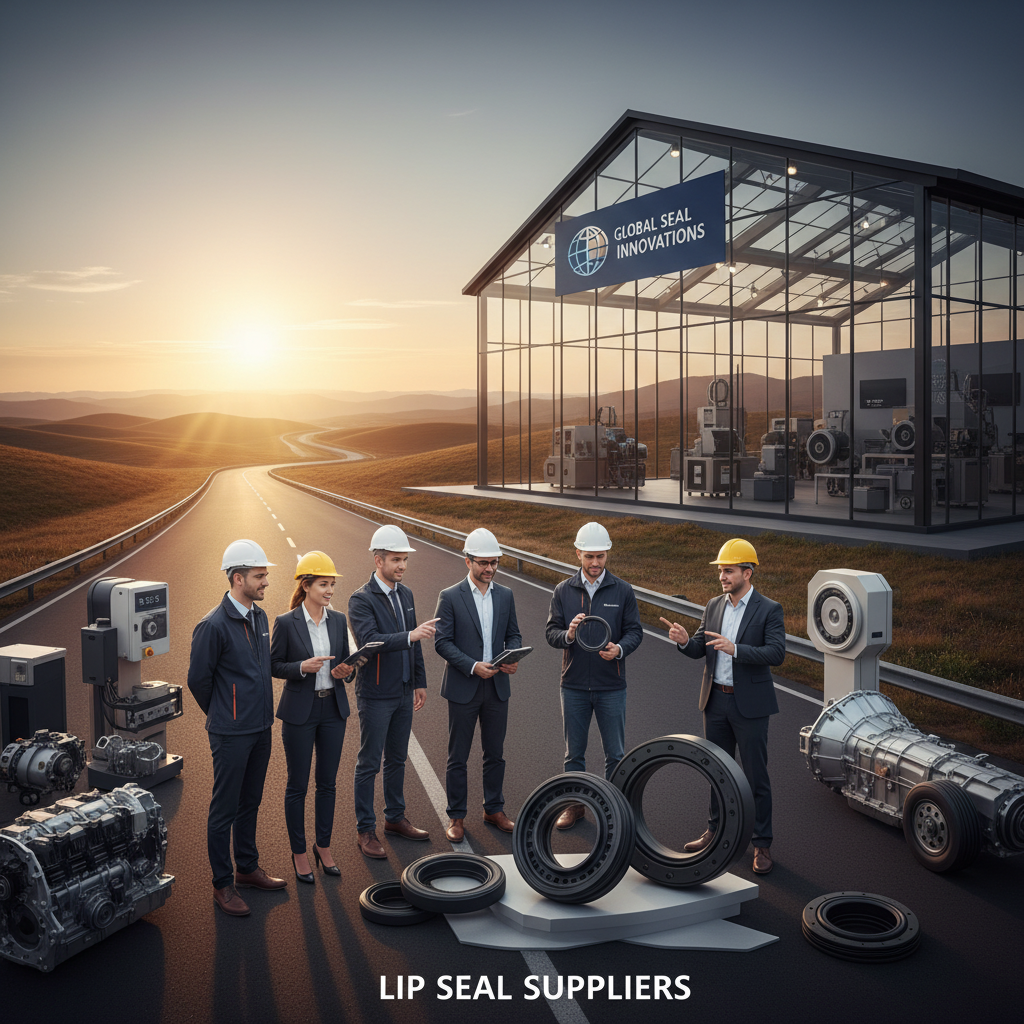
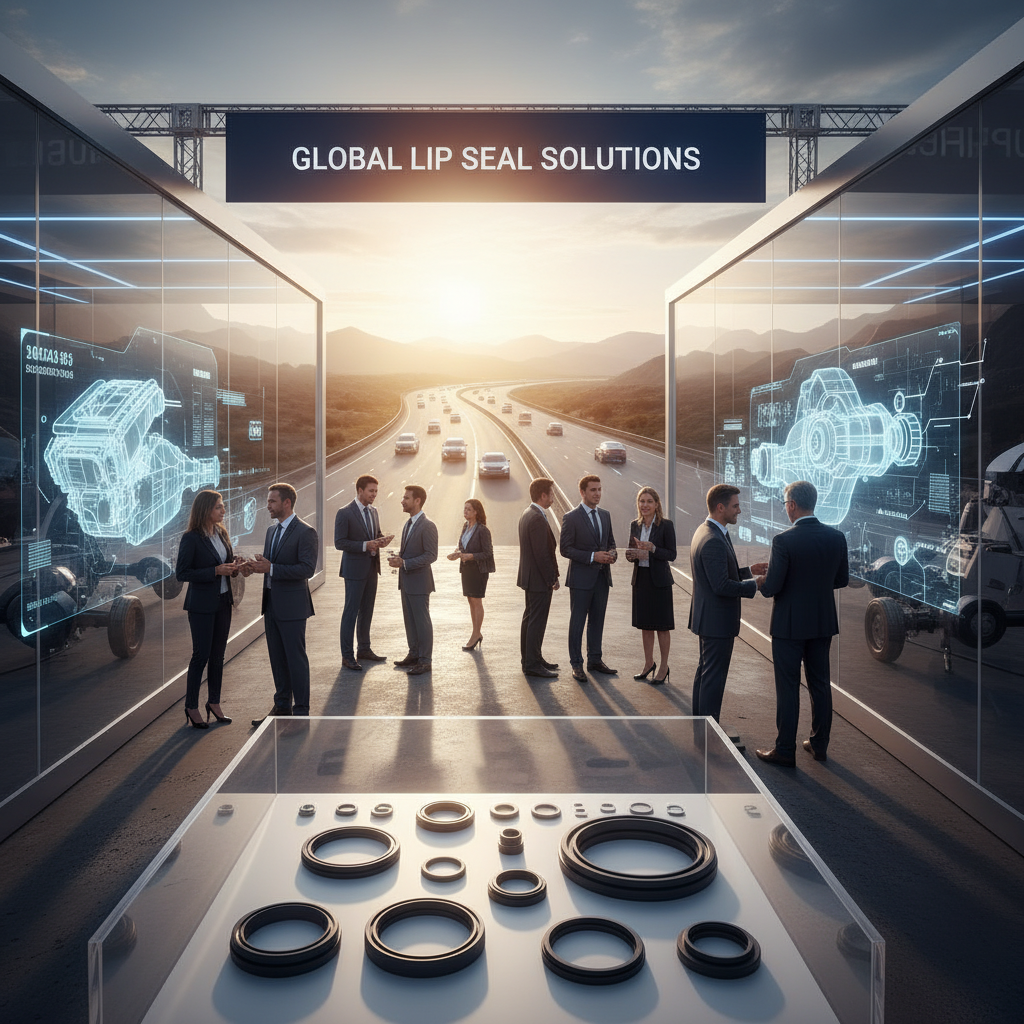
Lip seal suppliers are critical components in a vast array of industries, ensuring the reliable operation of machinery and equipment across the globe. From automotive and aerospace to manufacturing and oil & gas, the demand for high-quality lip seals is constantly increasing. Understanding the intricacies of sourcing from reputable lip seal suppliers is paramount for maintaining operational efficiency, preventing costly downtime, and ensuring product longevity. The global market for sealing solutions is projected to continue its growth trajectory, driven by technological advancements and the increasing complexity of industrial applications.
The importance of reliable lip seal suppliers extends beyond mere mechanical functionality. Effective sealing solutions contribute directly to environmental sustainability by preventing leaks of hazardous materials and reducing energy consumption. Furthermore, selecting the right lip seal supplier can significantly impact a company’s bottom line through reduced maintenance costs, extended equipment lifespan, and minimized risk of catastrophic failures. The competitive landscape demands optimized performance, and the quality of lip seals is a cornerstone of achieving this.
Navigating the complex world of lip seal sourcing requires a nuanced understanding of materials, designs, and application-specific requirements. Choosing the wrong supplier can lead to premature seal failure, equipment damage, and potentially dangerous operating conditions. Therefore, a strategic partnership with a dependable lip seal suppliers is an investment in long-term success and operational safety.
Introduction: The Global Landscape of lip seal suppliers
The global market for lip seal suppliers is a multi-billion dollar industry, reflecting the ubiquitous need for reliable sealing solutions across countless applications. According to recent industry reports, the Asia-Pacific region currently dominates the market, driven by robust manufacturing activity and increasing industrialization in countries like China and India. North America and Europe remain significant consumers, particularly in the automotive, aerospace, and industrial machinery sectors. The overall demand is continuously spurred by stricter environmental regulations and a growing emphasis on operational efficiency.
A significant challenge facing industries relying on lip seals is the increasing complexity of equipment and the demand for seals that can withstand extreme temperatures, pressures, and chemical exposures. Finding lip seal suppliers capable of meeting these stringent requirements is crucial. Furthermore, supply chain disruptions and fluctuating raw material costs pose ongoing hurdles, necessitating strategic sourcing and long-term partnerships.
Defining lip seal suppliers and Their Role
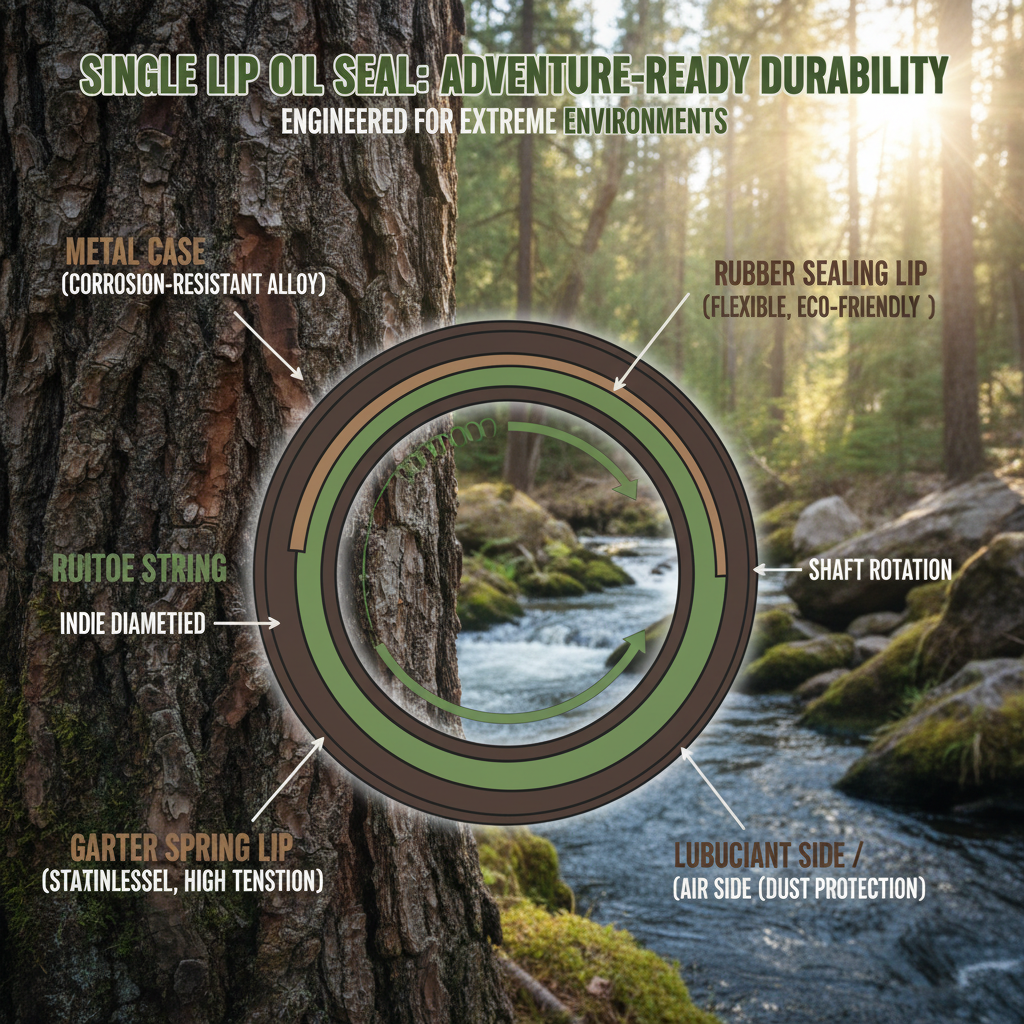
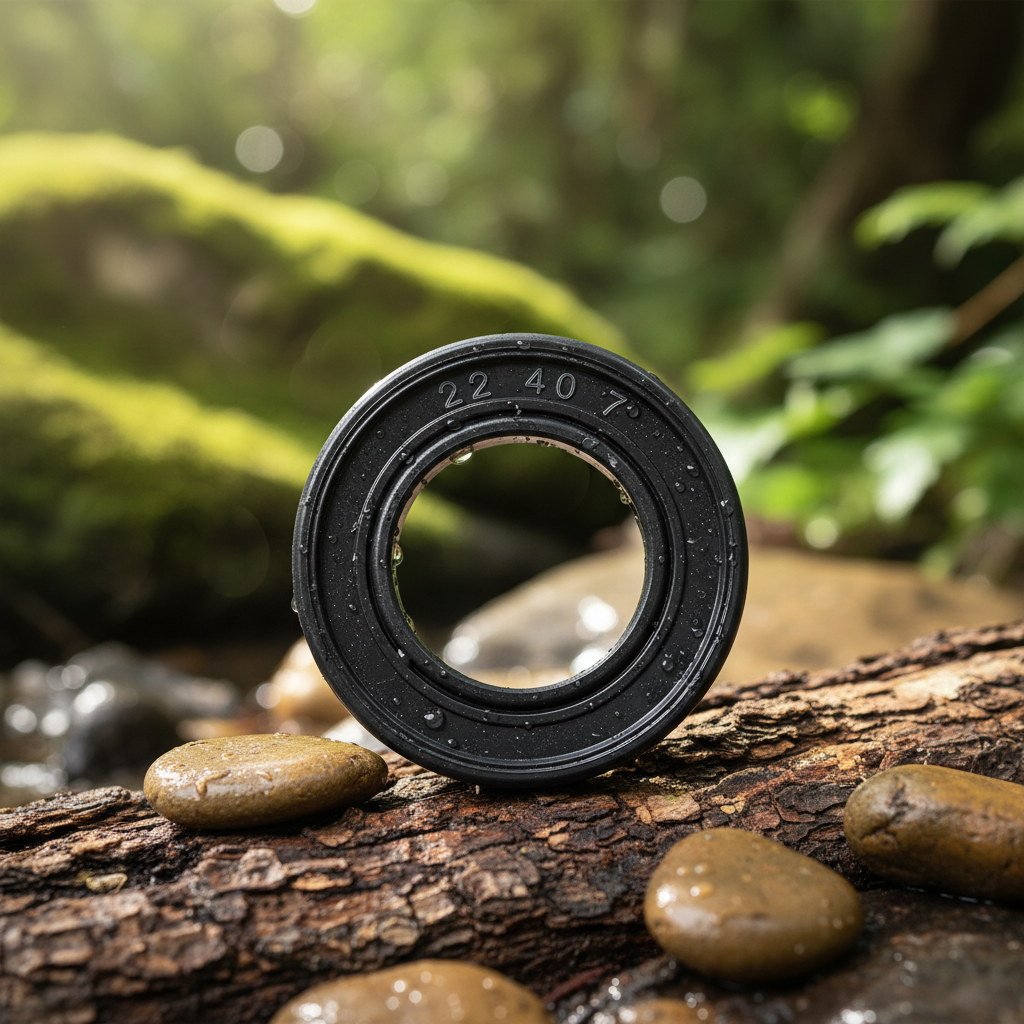
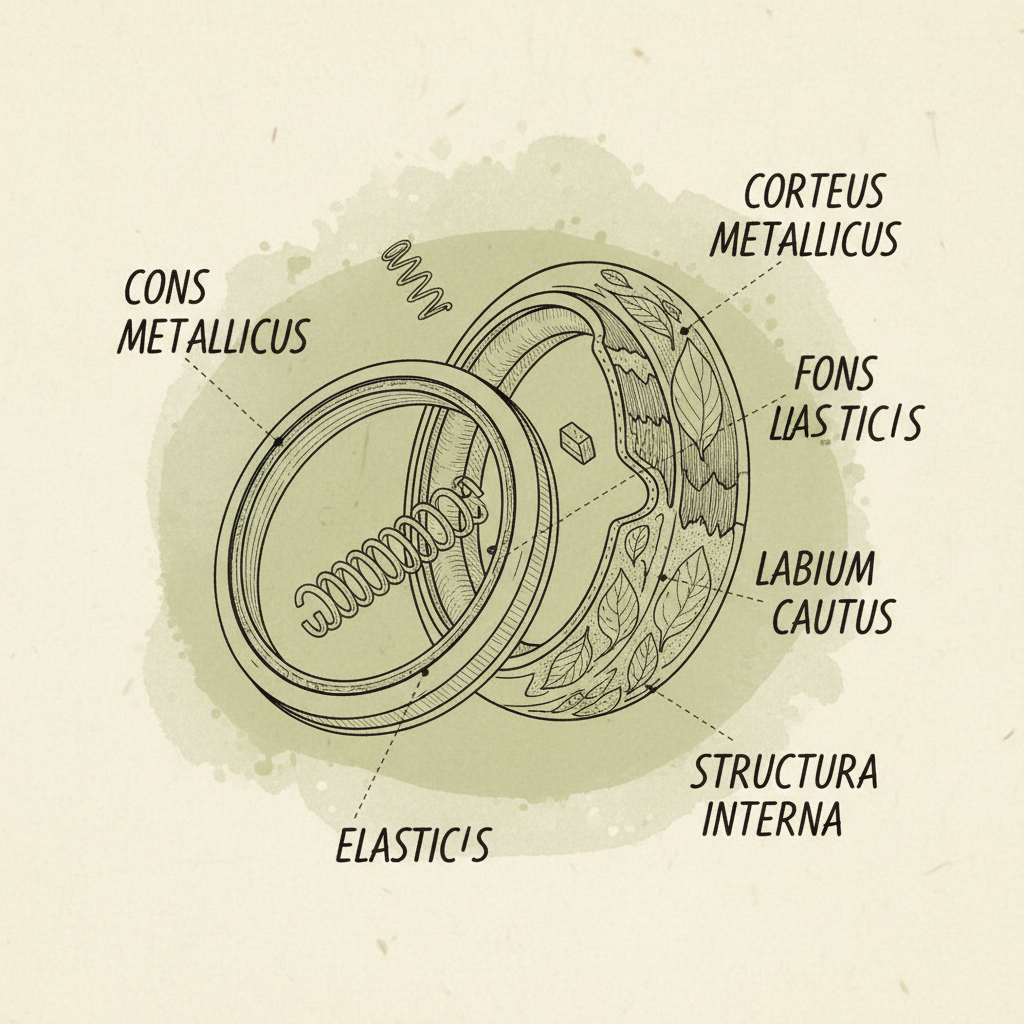
Lip seal suppliers are companies specializing in the design, manufacturing, and distribution of lip seals – mechanical components used to prevent the leakage of fluids or gases between stationary and moving parts. These seals typically consist of a flexible elastomer lip that presses against a rotating shaft or housing, creating a dynamic barrier. They are vital in a wide range of applications, from preventing oil leaks in engines to maintaining vacuum integrity in pumps.
The role of a lip seal supplier extends beyond simply providing a product. Reputable suppliers offer technical expertise, material selection guidance, custom design capabilities, and comprehensive after-sales support. They work closely with engineers and manufacturers to develop tailored sealing solutions that meet specific performance criteria and application demands. A strong lip seal suppliers understands the crucial link between seal performance and overall system reliability.
In modern industry, efficient and reliable lip seals are increasingly recognized as essential for sustainability and cost reduction. Leakage not only results in material loss but also poses environmental risks and can lead to equipment failure and costly downtime. Therefore, selecting a trusted lip seal supplier is a critical step in ensuring operational excellence and responsible environmental stewardship.
Core Attributes of Quality lip seal suppliers
A high-quality lip seal supplier demonstrates several key attributes. First and foremost is a commitment to using premium materials – often a variety of elastomers like Nitrile, Viton, Silicone, and PTFE – that are appropriate for the specific operating conditions. Beyond material quality, a strong supplier possesses advanced manufacturing capabilities, including precision molding, tight tolerances, and rigorous quality control processes.
Furthermore, a reliable lip seal suppliers provides comprehensive technical support, assisting customers with seal selection, application engineering, and troubleshooting. This includes offering customized solutions to address unique challenges and providing detailed documentation, such as material certifications and performance data. Responsiveness to customer needs and a dedication to continuous improvement are also crucial indicators of quality.
Finally, a reputable supplier maintains robust inventory management systems to ensure timely delivery and minimize lead times. They should also adhere to industry standards, such as ISO 9001, demonstrating their commitment to quality management and consistent product performance. A transparent and ethical business approach builds trust and fosters long-term relationships.
Key Factors Influencing Lip Seal Performance
Several factors significantly influence the performance and longevity of lip seals. Material compatibility is paramount; the elastomer must be resistant to the specific fluid being sealed, as well as the operating temperature and pressure. Surface finish of the shaft or housing is also critical – a smooth, properly prepared surface ensures optimal seal contact and minimizes wear.
Installation techniques play a vital role. Incorrect installation can lead to seal damage, premature failure, and leakage. Proper lubrication is equally important, reducing friction and extending seal life. Finally, environmental factors such as exposure to harsh chemicals, abrasive particles, and extreme temperatures can degrade seal performance over time.
Lip Seal Performance Metrics
Global Applications of Reliable Lip Seals
The applications of lip seals are incredibly diverse. In the automotive industry, they prevent oil leaks in engines, transmissions, and differentials, ensuring reliable vehicle operation. Aerospace applications demand high-performance seals that can withstand extreme temperatures and pressures, maintaining the integrity of hydraulic systems and aircraft engines.
Industries such as oil & gas, chemical processing, and pharmaceuticals rely on lip seals to contain hazardous fluids and prevent environmental contamination. Manufacturing facilities utilize lip seals in pumps, compressors, and rotating equipment, minimizing downtime and maximizing productivity. Even in consumer products, such as appliances and power tools, lip seals play a critical role in ensuring long-term reliability.
The Advantages of Partnering with Established lip seal suppliers
Choosing an established lip seal suppliers provides numerous advantages. These suppliers typically have a proven track record of quality and reliability, backed by years of experience and a deep understanding of sealing technology. They often offer a wider range of products and materials, catering to diverse application requirements.
Established suppliers also invest heavily in research and development, constantly innovating to improve seal performance and address emerging challenges. They can provide expert technical support, assisting customers with seal selection, application engineering, and troubleshooting. Furthermore, they often have robust supply chain networks, ensuring timely delivery and minimizing disruptions.
A long-term partnership with a reputable lip seal supplier can result in reduced costs, improved operational efficiency, and enhanced product reliability. It’s an investment in peace of mind and a commitment to sustained success.
Future Trends and Innovations in Lip Seal Technology
The future of lip seal technology is focused on several key areas. The development of advanced materials, such as self-lubricating elastomers and composite materials, will enhance seal performance and longevity. Smart seals, incorporating sensors and data analytics, are emerging, providing real-time monitoring of seal health and predicting potential failures.
Additive manufacturing (3D printing) is also poised to revolutionize lip seal production, enabling the creation of customized seals with complex geometries and tailored properties. Sustainability is another driving force, with a growing emphasis on using environmentally friendly materials and reducing waste. The move toward automation and Industry 4.0 will require seals that can withstand higher speeds, pressures, and temperatures, as well as integrate seamlessly with automated systems.
These innovations will lead to more reliable, efficient, and sustainable sealing solutions, benefiting a wide range of industries and contributing to a more environmentally responsible future. lip seal suppliers are actively investing in these technologies to stay ahead of the curve and meet the evolving needs of their customers.
Summary of Future Trends in Lip Seal Technology
| Trend Category |
Key Innovation |
Impact on Lip Seal Performance |
Expected Timeline |
| Materials Science |
Self-Lubricating Elastomers |
Reduced Friction, Extended Life |
2-5 Years |
| Sensor Technology |
Integrated Seal Health Monitoring |
Predictive Maintenance, Reduced Downtime |
3-7 Years |
| Manufacturing Processes |
Additive Manufacturing (3D Printing) |
Custom Designs, Rapid Prototyping |
5-10 Years |
| Sustainability |
Bio-Based Elastomers |
Reduced Environmental Impact |
Ongoing |
| Automation Integration |
High-Speed, High-Pressure Seals |
Compatibility with Automated Systems |
2-5 Years |
| Data Analytics |
Real-time Seal Performance Data |
Optimized Seal Selection & Usage |
3-5 Years |
FAQS
Common materials include Nitrile (NBR) for general oil resistance, Viton (FKM) for high temperatures and harsh chemicals, Silicone for food-grade applications, and PTFE for exceptional chemical resistance. The best material depends on the specific application and fluid compatibility requirements. Reputable lip seal suppliers can guide you in material selection.
Determining the correct size requires precise measurements of the shaft diameter, housing bore, and seal cross-section. Consider factors like shaft speed, pressure, and operating temperature. Consult with the lip seal suppliers technical team, as they can provide guidance and recommend the appropriate seal dimensions based on your specific needs.
Lip seal lifespan varies greatly depending on operating conditions, material quality, and proper installation. Under ideal conditions, a lip seal can last for several years. However, factors like abrasive contaminants, extreme temperatures, and chemical exposure can significantly reduce its lifespan. Regular inspection and maintenance are crucial.
Proper installation is paramount for ensuring seal performance and longevity. Incorrect installation can cause seal damage, premature wear, and leakage. Follow the manufacturer's instructions carefully, use appropriate installation tools, and ensure the sealing surfaces are clean and lubricated. A qualified technician should ideally perform the installation.
Yes, lip seals can be designed for vacuum applications, but it requires specific materials and designs optimized for low-pressure environments. These seals typically feature tighter tolerances and specialized lip profiles to prevent gas leakage. lip seal suppliers specializing in vacuum sealing solutions can offer tailored products for these applications.
Look for suppliers with ISO 9001 certification, demonstrating their commitment to quality management systems. Additional certifications like IATF 16949 (for automotive) or AS9100 (for aerospace) indicate adherence to industry-specific standards. Material certifications and compliance with relevant regulations (e.g., RoHS, REACH) are also important considerations.
Conclusion
In conclusion, understanding the role of lip seal suppliers is vital for industries relying on reliable sealing solutions. From automotive and aerospace to manufacturing and beyond, high-quality lip seals contribute to operational efficiency, environmental sustainability, and product longevity. Key factors such as material selection, proper installation, and supplier expertise are crucial for maximizing seal performance and minimizing downtime.
Looking ahead, continued innovation in materials, manufacturing processes, and sensor technology will further enhance lip seal capabilities. Partnering with a forward-thinking lip seal supplier will allow organizations to stay ahead of the curve and address emerging challenges. We encourage you to explore the possibilities and discover how the right sealing solutions can optimize your operations and drive long-term success. Visit our website at www.hkaiseal.com to learn more.