Rotary lip seals are critical components in a vast array of machinery, functioning as a barrier against contaminants and ensuring the efficient operation of rotating equipment. These seals, often underestimated, play a pivotal role in industries ranging from automotive and aerospace to oil and gas, and even consumer appliances. Understanding the principles behind rotary lip seal design, materials, and applications is paramount for engineers, technicians, and anyone involved in maintaining the reliability and longevity of mechanical systems.
The global market for seals, including rotary lip seals, is substantial and continuously growing, driven by increased industrialization and the demand for higher performance and more durable equipment. According to industry reports, the global seal market size was valued at USD 41.5 billion in 2022 and is projected to reach USD 53.1 billion by 2028, registering a CAGR of 4.6% from 2023 to 2028. This growth underscores the increasing importance of effective sealing solutions.
A critical challenge lies in preventing premature failure of rotating equipment, often attributed to seal degradation. Poor sealing can lead to leaks, contamination, reduced efficiency, and ultimately, costly downtime. The development and implementation of advanced rotary lip seal technologies are therefore essential for minimizing these risks and maximizing operational productivity.
Introduction to rotary lip seal
Rotary lip seals are fundamental elements in preventing leakage and contamination in rotating shafts and housings. They are commonly found in engines, pumps, gearboxes, and other mechanical devices where a rotating component is present. Their function is critical for maintaining the efficiency and longevity of these systems.
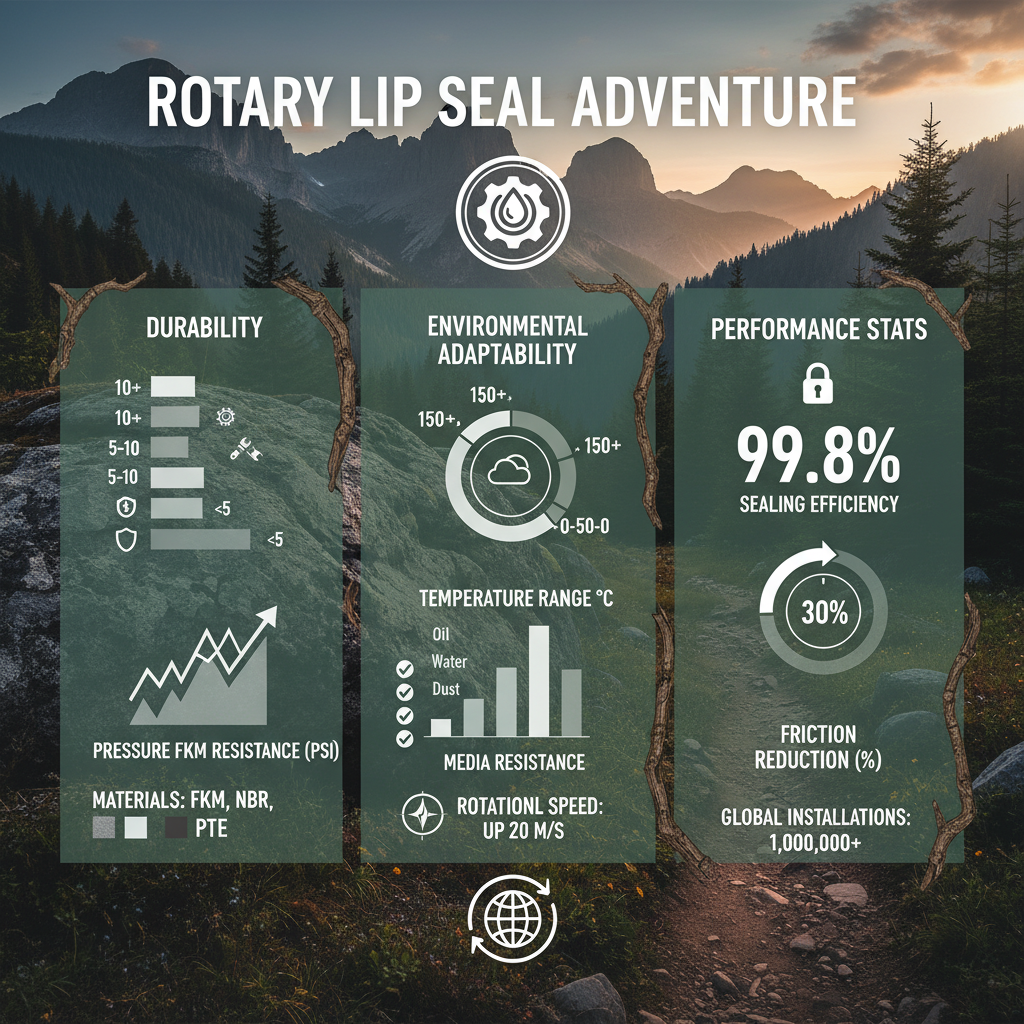
The versatility of rotary lip seals lies in their adaptability to a wide range of operating conditions, including varying speeds, temperatures, and pressures. Modern designs incorporate a variety of materials and configurations to meet the specific demands of diverse applications. This adaptability underscores why rotary lip seal remain a vital component in modern engineering.
Defining Rotary Lip Seals
At its core, a rotary lip seal is a mechanical device designed to prevent the passage of fluids or contaminants between a rotating shaft and a stationary housing. It consists of a flexible lip, usually made of rubber or plastic, that is held in contact with the shaft by spring tension. This lip creates a dynamic sealing interface that accommodates the rotation while maintaining a barrier against leakage.
The connection of a rotary lip seal to modern industry is undeniable. Without these seals, equipment would be prone to failure, leading to costly repairs, downtime, and potential safety hazards. From ensuring the efficient operation of automotive engines to safeguarding critical components in aerospace applications, rotary lip seals are integral to a functioning industrial world.
Beyond industrial applications, rotary lip seals also contribute to humanitarian needs by enabling the reliability of essential equipment in challenging environments, such as water pumps in remote communities or generators providing power during disaster relief efforts.
Key Components and Characteristics
Durability is a key characteristic of effective rotary lip seals. Seals are often subjected to harsh operating conditions, including exposure to abrasive particles, corrosive fluids, and extreme temperatures. High-quality materials and robust designs are crucial for ensuring long-term performance and minimizing the risk of premature failure.
Compatibility with the fluid being sealed is another critical factor. The seal material must be resistant to degradation from the fluid, preventing swelling, cracking, or loss of elasticity. Selecting the appropriate material, such as nitrile rubber, Viton, or PTFE, is essential for ensuring reliable sealing.
Spring tension plays a vital role in maintaining the seal's contact with the shaft. The spring provides the necessary force to compensate for wear, thermal expansion, and shaft eccentricity. Proper spring design is essential for optimizing sealing performance and extending seal life. The correct lip geometry is also key to creating an effective barrier.
Global Applications of rotary lip seal
Rotary lip seals are ubiquitous across numerous industries globally. In the automotive sector, they are employed in engines, transmissions, and wheel hubs to prevent oil leaks and maintain efficient operation. The aerospace industry relies on these seals in critical applications such as aircraft engines and landing gear systems.
The oil and gas industry utilizes rotary lip seal in pumps, compressors, and other equipment operating in harsh environments. The manufacturing sector incorporates them into a wide range of machinery, including gearboxes, electric motors, and hydraulic systems. The food and beverage industry utilizes seals made from food-grade materials.
In remote industrial zones, where access to maintenance and replacement parts can be limited, the reliability of rotary lip seals is particularly crucial. Similarly, in post-disaster relief operations, the durability of these seals contributes to the continuous operation of essential equipment such as generators and water pumps.
Application of rotary lip seal Types
Advantages and Long-Term Value
The primary advantage of using rotary lip seals lies in their ability to prevent leaks and contamination, which translates to increased equipment uptime and reduced maintenance costs. By protecting critical components from debris and fluids, these seals contribute to extended equipment lifespan and improved overall performance.
From a sustainability perspective, reducing leaks minimizes environmental impact by preventing the release of harmful fluids into the environment. Economically, reliable sealing translates into lower operational costs through reduced fluid consumption and downtime. The use of rotary lip seal represents a worthwhile investment for any operation reliant on rotating equipment.
Future Trends in rotary lip seal Technology
Future trends in rotary lip seal technology are focused on developing more advanced materials with enhanced durability and resistance to harsh conditions. Research is being conducted on self-lubricating seals that reduce friction and wear, extending seal life and improving energy efficiency.
Digital integration and smart seals are also emerging trends. Sensors embedded within the seal can monitor performance parameters such as temperature, pressure, and wear, providing real-time data for predictive maintenance and improved reliability. These advancements align with the broader trend of Industry 4.0 and the increasing adoption of smart manufacturing technologies.
Challenges and Innovative Solutions
A common challenge in rotary lip seal applications is dealing with shaft misalignment or runout. These conditions can lead to uneven wear and premature seal failure. Innovative solutions include self-aligning seals and advanced lip designs that can accommodate a certain degree of misalignment.
Another challenge is selecting the appropriate seal material for specific operating conditions. Advancements in polymer technology are leading to the development of materials with improved chemical resistance, temperature stability, and wear characteristics.
Furthermore, the trend towards miniaturization requires the development of smaller, more precise seals for use in micro-electromechanical systems (MEMS) and other compact devices. This is driving innovation in seal manufacturing techniques and materials science.
Summary of Challenges and Innovative Solutions for rotary lip seal
| Challenge |
Impact on rotary lip seal Performance |
Innovative Solution |
Effectiveness Rating (1-10) |
| Shaft Misalignment |
Uneven wear, premature failure |
Self-aligning seal design |
8 |
| Chemical Incompatibility |
Seal degradation, swelling, cracking |
Advanced polymer materials (Viton, PTFE) |
9 |
| High Temperature Operation |
Loss of elasticity, thermal degradation |
Heat-resistant materials and cooling systems |
7 |
| Abrasive Contamination |
Seal wear, leakage |
Advanced filtration systems and seal coatings |
6 |
| Miniaturization Requirements |
Precision manufacturing challenges |
Micro-manufacturing techniques and novel materials |
5 |
| Shaft Surface Finish |
Reduced sealing effectiveness, increased wear |
Improved shaft finishing processes, seal design adjustments |
7 |
FAQS
The lifespan of a rotary lip seal varies greatly depending on the application, operating conditions, and the seal material. Generally, a well-maintained seal can last anywhere from several months to several years. Factors like shaft speed, temperature, pressure, and the presence of contaminants significantly impact its longevity. Regular inspection and proactive replacement are key to preventing failures.
Selecting the correct material is crucial for optimal performance. Nitrile rubber is a common choice for general-purpose applications, while Viton offers excellent resistance to high temperatures and harsh chemicals. PTFE is ideal for applications requiring low friction and broad chemical compatibility. Consider the fluid being sealed, operating temperature, and pressure when making your selection.
Common causes of rotary lip seal failure include wear due to abrasive particles, chemical attack from incompatible fluids, excessive heat, shaft misalignment, and improper installation. Regular maintenance, proper lubrication, and careful selection of the seal material can help prevent these failures.
Using a rotary lip seal with a significantly worn shaft is generally not recommended. The seal relies on a smooth, consistent surface to maintain a proper seal. A worn shaft will create an uneven sealing surface, leading to premature wear and leakage. Replacing the shaft or using a more robust sealing solution is often necessary.
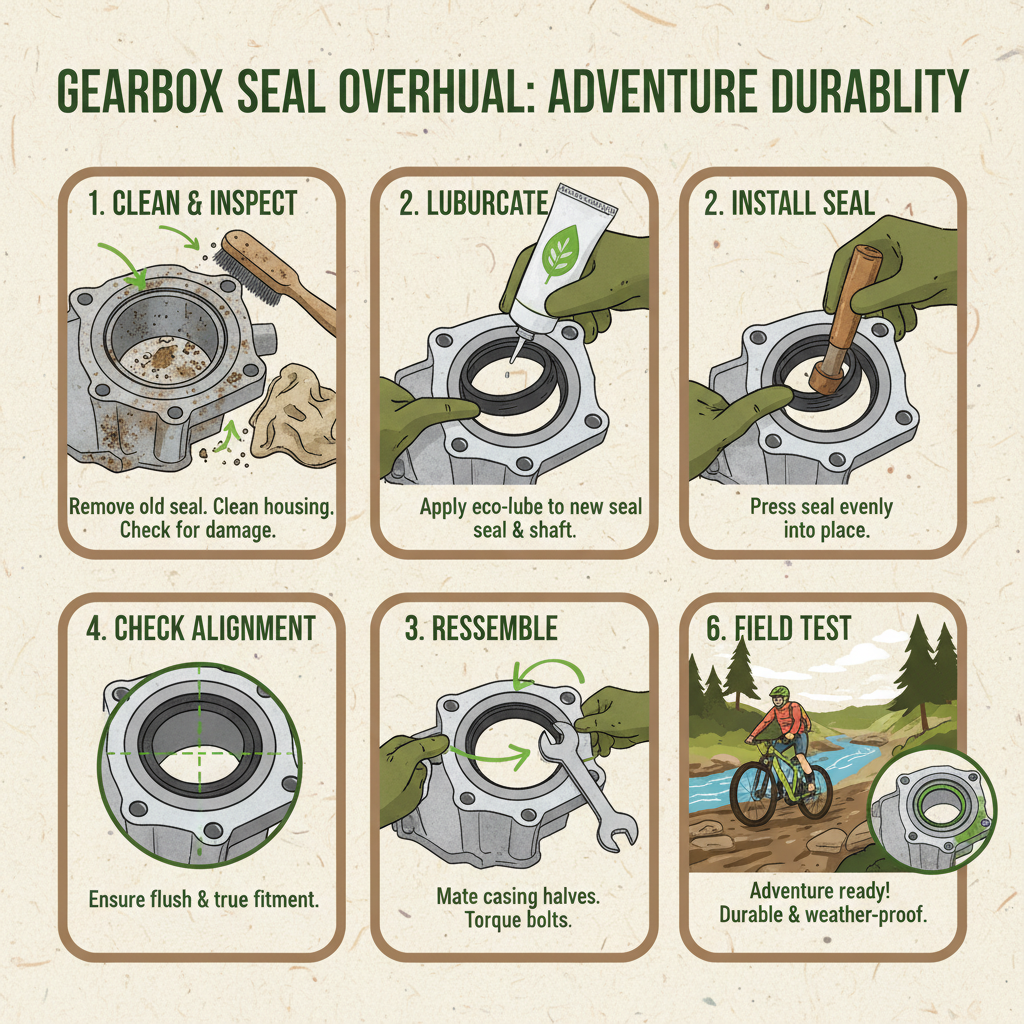
Proper installation is paramount. Incorrect installation can damage the seal, leading to immediate failure. Ensure the shaft is clean and free of burrs, and use the correct installation tools to avoid nicking or distorting the seal lip. Follow the manufacturer's instructions carefully.
Self-lubricating rotary lip seals incorporate a lubricant within the seal material itself, typically a PTFE compound. This eliminates the need for external lubrication, reducing maintenance requirements and improving reliability, especially in applications where access for lubrication is difficult. They are particularly useful in high-speed or high-temperature environments.
Conclusion
In summary, rotary lip seals are essential components for ensuring the reliable operation of rotating equipment across a vast spectrum of industries. Their ability to prevent leakage and contamination translates to increased efficiency, reduced maintenance costs, and improved safety. Understanding the key characteristics, proper material selection, and installation procedures is paramount for maximizing their performance and lifespan.
As technology advances, we can expect to see continued innovation in rotary lip seal design, with a focus on developing more durable, versatile, and intelligent sealing solutions. By embracing these advancements and prioritizing proactive maintenance, we can unlock the full potential of this critical component and contribute to a more sustainable and efficient industrial future. For high-quality rotary lip seal solutions and expert advice, visit our website today.