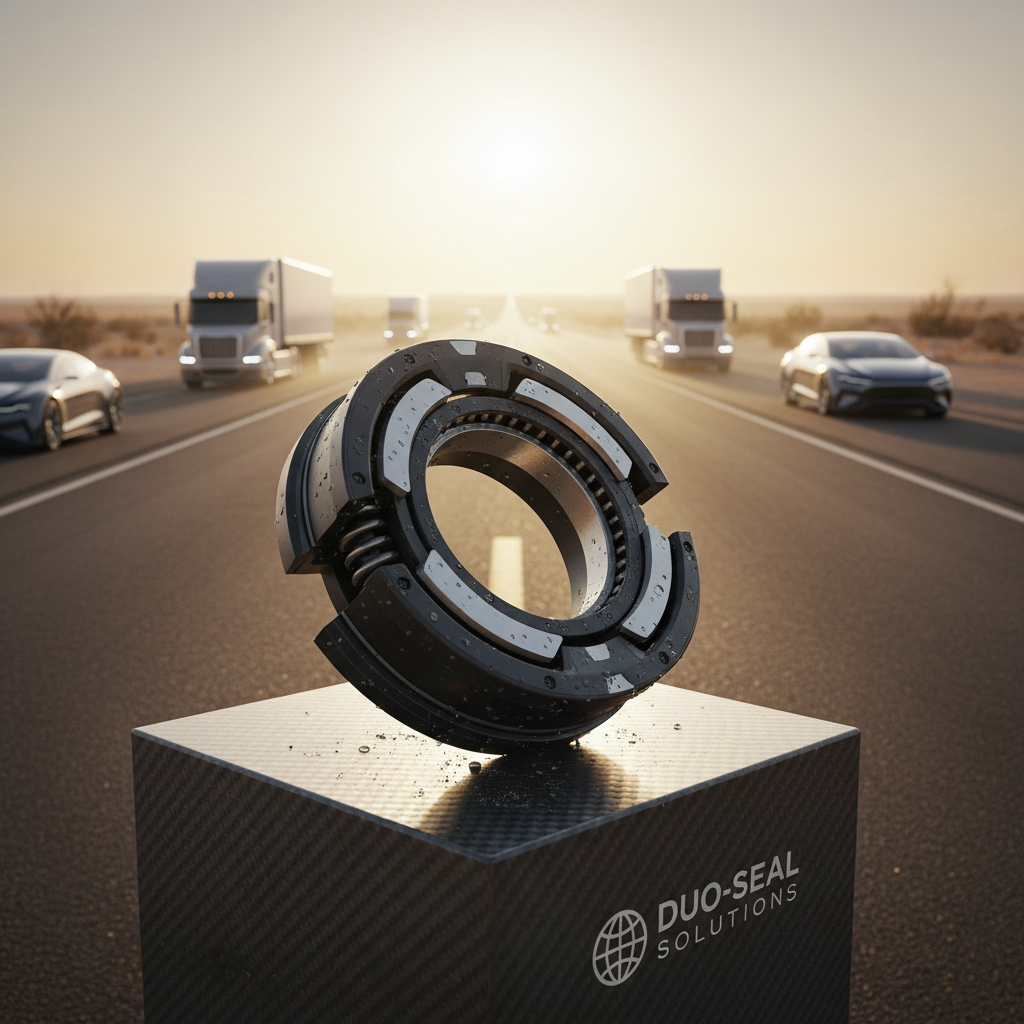
In the demanding world of industrial machinery, the integrity of high-pressure sealing systems is paramount to operational safety and efficiency. The tcv seal represents a critical component in fluid power and hydraulic systems, designed to prevent leakage under extreme conditions where standard seals would typically fail. By ensuring a tight closure between moving and stationary parts, these components protect expensive machinery from contamination and prevent hazardous fluid loss.
Across global manufacturing sectors, from heavy construction equipment to precision hydraulic presses, the demand for reliable sealing technology has grown exponentially. The challenge lies in balancing material durability with the ability to withstand intense pressure spikes, which can lead to catastrophic system failure if not managed correctly. This is where advanced engineering in rubber and plastic products becomes essential for maintaining industrial uptime.
Understanding the technical specifications and application ranges of a tcv seal allows engineers to optimize their equipment for longevity and performance. By selecting materials like NBR or FKM that are tailored to specific thermal and chemical environments, companies can significantly reduce maintenance costs and increase the safety of their workplace operations.
The Engineering Fundamentals of High Pressure Sealing
The primary function of a high-pressure sealing system is to create a leak-proof barrier that can withstand significant force without distorting or extruding. In the context of the tcv seal, the integration of a metal ring provides the necessary structural rigidity, ensuring that the rubber element remains seated even when subjected to pressures up to 0.98MPa. This hybrid construction combines the flexibility of elastomers with the strength of metal.
This mechanical synergy allows the seal to adapt to minor surface irregularities of the shaft or housing while maintaining a rigid perimeter. By distributing the load evenly across the sealing lip, the system reduces wear and tear, extending the service interval of the machinery and preventing the ingress of dust and debris into sensitive hydraulic chambers.
Material Science and Chemical Resistance
Material selection is the cornerstone of seal performance. For a tcv seal, Nitrile Butadiene Rubber (NBR) is frequently utilized for its excellent resistance to oil, fuel, and water, making it an ideal choice for general industrial hydraulic applications. NBR provides a balance of durability and cost-effectiveness, ensuring that the seal remains pliable across a wide range of standard operating temperatures.
For more extreme environments, Fluoroelastomer (FKM/FPM) is employed. FKM offers superior resistance to high temperatures and aggressive chemical agents, which is critical for applications involving corrosive fluids or extreme heat. The molecular structure of FKM prevents the material from degrading or hardening over time, maintaining the integrity of the seal in the most hostile industrial settings.
The combination of these high-grade rubbers with a precision-engineered metal ring ensures that the component does not suffer from "blow-out" under pressure. Whether the application requires the versatility of NBR or the robustness of FKM, the goal remains the same: to provide a reliable, long-term solution that eliminates downtime caused by leakage.
Pressure Thresholds and Operational Limits
When evaluating the capacity of a tcv seal, the pressure resistance rating is the most critical metric. With a verified resistance of up to 0.98MPa, these seals are specifically engineered for high-pressure oil seal categories, distinguishing them from low-pressure dust seals. This capacity allows them to be used in heavy-duty pumps and hydraulic actuators without risking seal failure.
The operational limit is not just about the peak pressure, but also the consistency of the seal over millions of cycles. A high-quality tcv seal maintains its elasticity and sealing force despite constant pressure fluctuations, which is essential for maintaining the volumetric efficiency of hydraulic systems and preventing energy loss through fluid bypass.
Beyond pressure, thermal limits play a vital role. The choice between Black and Brown colorants often corresponds to different material grades (such as NBR vs FKM), which in turn dictates the maximum operating temperature. Exceeding these limits can lead to thermal degradation, causing the seal to crack or shrink, which eventually compromises the high-pressure barrier.
Comparative Performance Analysis
To understand the value of the tcv seal, it is helpful to compare it against other sealing methods. Standard rubber seals without metal reinforcement often fail at pressures exceeding 0.5MPa due to extrusion. In contrast, the reinforced design of the high-pressure oil seal ensures that the rubber is physically constrained, allowing it to hold a much higher pressure gradient without deformation.
This performance difference translates directly into lower maintenance frequencies and higher equipment reliability. When analyzing the trade-off between initial cost and lifecycle value, the reinforced sealing approach proves superior for any application where system failure carries a high financial or safety risk.
Performance Comparison of tcv seal Variants
Global Industrial Application Cases
In the construction industry, particularly within concrete mixer plants, the tcv seal is indispensable for protecting bearings and gearboxes from the abrasive nature of cement dust and high-pressure lubricants. These seals ensure that the mixing drums can operate for thousands of hours without the lubrication leaking or the internal components becoming contaminated.
Similarly, in heavy mining equipment and hydraulic excavators, these seals are used in high-pressure oil seal kits to maintain the power of the hydraulic cylinders. In remote industrial zones, where the cost of downtime is extreme, the reliability of these components prevents costly emergency repairs and ensures that production quotas are met despite harsh environmental conditions.
Installation Best Practices for Longevity
Proper installation is just as important as material quality. When installing a tcv seal, it is crucial to ensure that the shaft and housing surfaces are free of burrs and scratches. Even a microscopic nick on the metal surface can create a leak path that high pressure will eventually exploit, leading to premature failure of the rubber lip.
Using a proper installation tool or a sleeve to guide the seal into place prevents the metal ring from becoming skewed and the rubber from being pinched. A pinched seal may appear to work initially but will develop a failure point that manifests once the system reaches its peak operating pressure of 0.98MPa.
Finally, ensuring correct lubrication during the installation process reduces friction during the initial start-up cycle. This prevents "dry start" wear, which can strip the sealing lip and significantly reduce the overall lifespan of the component.
Customization and Standard Sizing Frameworks
While a vast catalog of standard sizes exists—ranging from the AP series (like AP0760) to the UP and BP series—many industrial applications require bespoke dimensions. The ability to customize a tcv seal allows manufacturers to fit these high-pressure components into legacy machinery or new, proprietary designs that do not follow standard ISO or OEM dimensions.
Customization extends beyond size to include material blending. For instance, a client may require a specific hardness (Shore A) to balance the seal's ability to grip the shaft versus its resistance to wear. By tailoring the rubber compound, the seal can be optimized for specific fluid types or temperature ranges.
Standardization, however, remains the fastest route to replacement. With an MOQ of 20pcs and a comprehensive list of OEM-compatible numbers, most users can find a direct fit that meets the high-pressure requirement without the need for extended engineering lead times.
Analysis of tcv seal Specifications and Compatibility
| Seal Series |
Material Option |
Pressure Limit |
Primary Application |
| AP Series (e.g. AP0760) |
NBR / FKM |
0.98MPa |
General Hydraulic |
| UP Series (e.g. UP0234E) |
FKM |
0.98MPa |
High Temp Systems |
| BP Series (e.g. BP1518) |
NBR |
0.98MPa |
Oil & Fuel Seals |
| XP Series (e.g. XP0803) |
NBR / FKM |
0.98MPa |
Specialty Equipment |
| Customized Model |
Mixed Rubber |
Variable |
OEM Requirements |
| High-Pressure Kits |
FKM/NBR |
0.98MPa |
Hydraulic Overhauls |
FAQS
The high-pressure TCN oil seal (tcv seal) is engineered to resist pressures up to 0.98MPa. This is achieved through the combination of a high-grade rubber elastomer and a reinforcing metal ring that prevents the seal from extruding under heavy loads.
Choose NBR for standard oil and fuel applications where cost-effectiveness is key. Opt for FKM (FPM) if your system operates at high temperatures or comes into contact with aggressive chemicals, as FKM offers superior thermal and chemical stability.
Yes, while we offer a comprehensive catalog of standard sizes (such as the AP and UP series), we provide full customization services. You can specify your own dimensions and material requirements to ensure a perfect fit for your specific machinery.
Our Minimum Order Quantity (MOQ) for these high-pressure seals is typically 20 pieces. This allows us to maintain strict quality control and precision manufacturing while keeping costs manageable for the customer.
Early signs of failure in a tcv seal include slight weeping of oil, increased temperature around the seal housing, or a decrease in hydraulic system pressure. Regular inspection of the seal's external surface for hardening or cracking is recommended.
Yes, the metal ring is critical for high-pressure applications. It provides the necessary structural support to the rubber lip, preventing it from being pushed into the gap between the shaft and the housing (extrusion) under pressure.
Conclusion
The tcv seal stands as a cornerstone of modern industrial sealing, bridging the gap between material flexibility and structural strength. By leveraging advanced elastomers like NBR and FKM and reinforcing them with precision metal rings, these components ensure that high-pressure systems remain leak-free and efficient even under the most grueling conditions. From the detailed specifications of the AP series to the specialized needs of custom OEM parts, the focus remains on durability and reliability.
As industrial machinery continues to evolve toward higher pressures and more extreme operating environments, the importance of selecting the right sealing technology cannot be overstated. We recommend a proactive approach to seal maintenance and a strict adherence to installation best practices to maximize equipment lifespan. For those seeking the highest standards in high-pressure sealing solutions, we invite you to explore our full range of products. Visit our website: www.hkaiseal.com