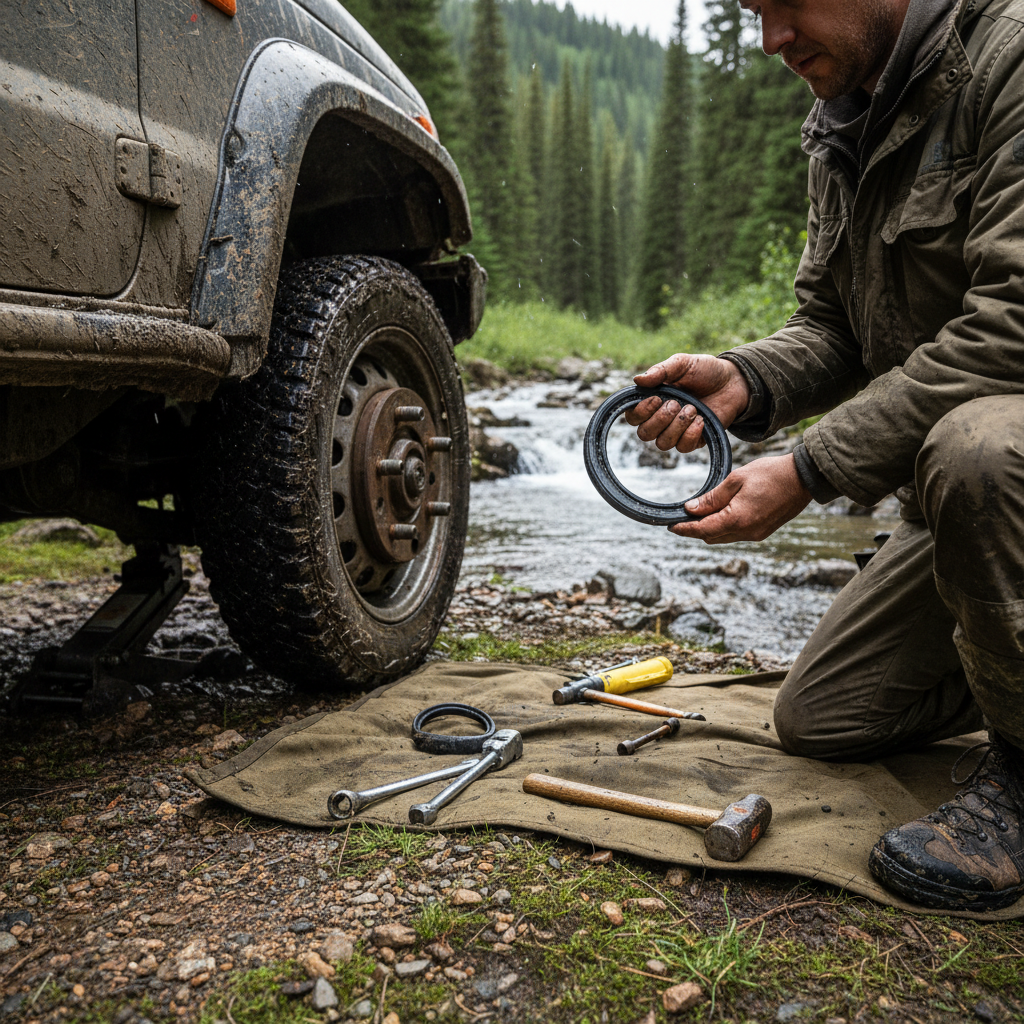
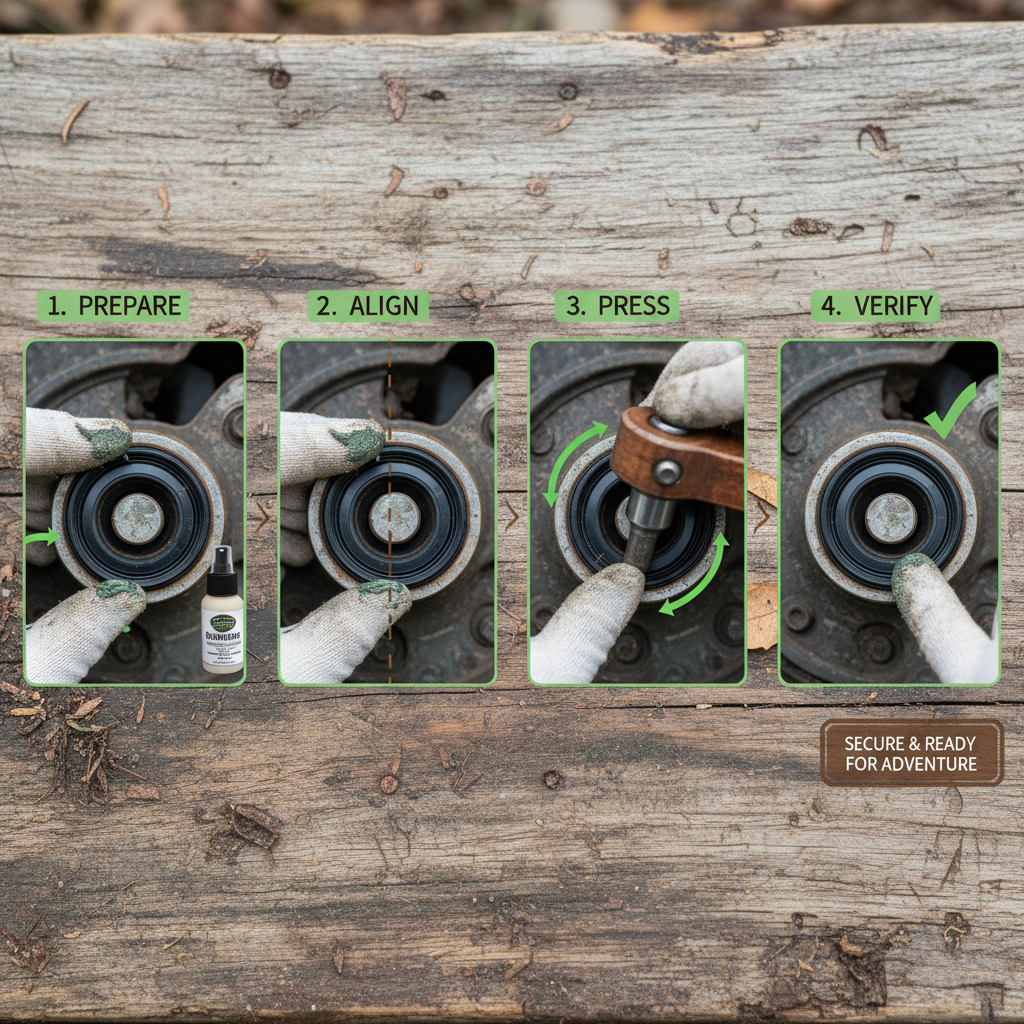
In the demanding world of agricultural and industrial machinery, the integrity of rotating components depends heavily on the quality of their sealing systems. The hub oil seal serves as a critical barrier, preventing the leakage of essential lubricants while simultaneously blocking the ingress of contaminants like dust, mud, and water. Without a high-performance seal, wheel hubs are susceptible to rapid wear and premature failure, which can lead to costly downtime and safety risks.
Global machinery standards, such as those defined by ISO, emphasize the importance of precision-engineered seals to maintain operational efficiency. In sectors like tractor manufacturing and heavy equipment operation, the failure of a single seal can compromise the entire drivetrain. This makes the selection of materials—specifically high-grade rubber reinforced with metal rings—a decisive factor in the longevity of the machinery.
Whether you are managing a fleet of farm tractors or sourcing components for industrial axles, understanding the specifications of a hub oil seal is essential for maximizing equipment uptime. By balancing attrition resistance with precise dimensional fit, these components ensure that the mechanical heart of the vehicle remains protected under the harshest environmental conditions.
Engineering Materials and Structural Integrity
The effectiveness of a hub oil seal is fundamentally rooted in its material composition. Utilizing high-grade rubber combined with an integrated metal ring, these seals provide the necessary rigidity to maintain a tight fit against the shaft while offering the flexibility required to seal against dynamic movements. This hybrid structure is specifically designed to withstand the centrifugal forces encountered during high-speed rotations in tractor wheels.
Attrition resistance is a primary feature of these components, ensuring that the sealing lip does not wear down prematurely when exposed to friction. By employing specialized rubber compounds, the seal can resist the abrasive nature of particulate matter, which is common in agricultural environments. This structural integrity prevents the lubricant from leaking, thereby maintaining the viscosity and cooling properties of the oil within the hub.
Core Functional Requirements for Wheel Hubs
A primary requirement for any hub oil seal is its ability to maintain a hermetic seal under fluctuating temperatures. As wheel hubs generate heat during operation, the rubber must expand and contract without losing its grip on the mating surfaces. This thermal stability prevents the "breathing" effect, where air and moisture are sucked into the hub as it cools, potentially contaminating the lubricant.
Beyond temperature management, the seal must provide a robust defense against external contaminants. In tractor applications, wheels are frequently exposed to mud, water, and chemical fertilizers. The seal's geometry is engineered to deflect these materials away from the bearing surfaces, ensuring that only clean oil remains in contact with the rotating metal parts.
Lastly, the balance between friction and sealing pressure is critical. If a seal is too tight, it increases drag and generates excessive heat; if it is too loose, it fails to prevent leakage. Precision engineering allows the seal to provide a "just right" contact pressure that optimizes fuel efficiency while guaranteeing absolute containment of the lubrication system.
Dimensional Precision and OEM Compatibility
When selecting a hub oil seal, dimensional accuracy is the most critical factor for a successful installation. Even a fraction of a millimeter in deviation can lead to an improper fit, resulting in either an immediate leak or a seal that is too tight and causes overheating of the axle.
Our extensive size catalog ensures that every hub oil seal meets strict OEM standards. From compact sizes like 304411mm to larger industrial dimensions such as 21024014.5/18mm, the precision of the inner diameter, outer diameter, and width ensures a seamless replacement process for various tractor brands.
Compatibility extends beyond dimensions to include the type of seal, such as COMBI, RWDR-KOMBI, or RWDR KASSETTE. These different designs are tailored to specific hub architectures, ensuring that the seal integrates perfectly with the existing housing and shaft of the machinery.
Performance Analysis of Sealing Methods
Different sealing technologies offer varying levels of protection depending on the operational environment. For instance, the COMBI design is highly effective for standard agricultural use, providing a balance of cost and durability. In contrast, the RWDR KASSETTE systems are often utilized in more extreme conditions where a multi-stage barrier is required to prevent any possible ingress of fine particulates.
Evaluating the performance of these seals involves measuring their attrition resistance and leak rates over extended cycles. By analyzing the wear patterns on the sealing lip, engineers can determine the optimal material hardness for specific applications, ensuring that the seal lasts for the intended service interval without requiring premature replacement.
Performance Ratings by Hub Oil Seal Design
Global Applications in Agricultural Machinery
The application of the hub oil seal is most prominent in the global agricultural sector, where tractors must operate in diverse terrains from the muddy fields of Southeast Asia to the dusty plains of North America. In these regions, the seal is the first line of defense for the axle assembly, ensuring that the drivetrain remains lubricated despite constant exposure to debris.
Beyond tractors, these seals are integral to construction equipment and specialized utility vehicles. In remote industrial zones where maintenance facilities are scarce, the reliability of a high-quality seal is not just a matter of efficiency, but a necessity for operational survival. This global demand drives the need for standardized yet customizable sealing solutions.
Long-Term Reliability and Sustainability
Long-term reliability in sealing systems is achieved through the synergy of material science and precision manufacturing. By utilizing rubber compounds that resist oxidation and chemical degradation, a hub oil seal can extend the life of the bearings it protects by several thousand hours. This reduction in replacement frequency significantly lowers the total cost of ownership for fleet operators.
From a sustainability perspective, preventing oil leaks is a critical environmental objective. Leaking lubricants can contaminate soil and water sources, particularly in farming environments. High-performance seals ensure that lubricants remain within the closed system, reducing waste and minimizing the ecological footprint of heavy machinery.
Furthermore, the ability to customize seals to exact specifications prevents the premature failure often associated with "universal fit" components. By providing a perfect match for the hub's geometry, we reduce the frequency of waste generated by failed parts and improperly installed seals, promoting a more sustainable industrial lifecycle.
Comparative Analysis of Seal Types
Selecting the right seal requires an analysis of the specific stresses the wheel hub will encounter. For standard duty cycles, a COMBI seal offers an excellent balance of sealing pressure and friction. However, for heavy-duty industrial axles, the RWDR KASSETTE design is superior due to its reinforced structure and enhanced ability to repel larger contaminants.
The introduction of NBR+PTFE materials has further revolutionized the industry, offering seals that can handle higher temperatures and more aggressive lubricants than standard rubber. These advanced materials are particularly useful in high-pressure environments where traditional seals might deform or leak.
Ultimately, the choice between a standard or customized seal depends on the OEM requirements and the operating environment. Whether utilizing a John Deere compatible seal or a specialized custom dimension, the goal remains the same: maintaining a perfect barrier between the lubricant and the outside world.
Analysis of Hub Oil Seal Specifications and Applications
| Seal Type |
Primary Material |
Attrition Resistance |
Recommended Use |
| COMBI |
Rubber + Metal Ring |
High |
Standard Tractor Wheels |
| RWDR KASSETTE |
Reinforced Rubber |
Very High |
Heavy-Duty Axles |
| RWDR-KOMBI |
Rubber Composite |
High |
Agricultural Hubs |
| NBR+PTFE |
NBR & PTFE Blend |
Excellent |
High-Temp Operations |
| TCS |
Synthetic Rubber |
Medium-High |
Industrial Wheel Hubs |
| System 500 |
Polymer Composite |
High |
Specialized Machinery |
FAQS
The most obvious sign is visible oil leakage around the wheel hub. You should also look for signs of contamination, such as grime or mud entering the hub area, or an increase in noise and vibration from the wheel bearings, which suggests the seal has failed and the lubricant is either gone or contaminated.
While generic seals may fit dimensionally, they often lack the specific attrition resistance and material properties required for your machine's specific load and temperature. Using a non-specified seal can lead to premature wear or failure, potentially damaging the axle. We recommend using OEM-compatible seals for maximum reliability.
COMBI seals are general-purpose high-efficiency seals suitable for most tractor wheels. RWDR KASSETTE seals feature a more complex, reinforced structure designed for extreme environments where the risk of heavy contamination is higher, providing a more robust multi-layered defense against debris.
Yes, the rubber compound must be compatible with the oil being used. For example, seals made of NBR are excellent for petroleum-based oils, while PTFE-enhanced seals can handle a wider range of synthetic lubricants and higher temperatures without degrading.
Lifespan varies by application, but a high-quality seal can last several thousand operating hours if the hub is properly lubricated and maintained. Regular inspections and ensuring the axle is not overloaded will help maximize the seal's life.
Absolutely. We offer customized sealing solutions where dimensions can be tailored to your specific requirements. By providing the inner diameter, outer diameter, and width, we can manufacture a seal that fits your unique machinery perfectly.
Conclusion
The hub oil seal is a small but indispensable component that ensures the mechanical stability and longevity of wheel hub assemblies. By integrating high-attrition-resistant rubber with precise metal reinforcement, these seals prevent the catastrophic failure of bearings and drivetrains in the most challenging agricultural and industrial environments. From the critical importance of dimensional accuracy to the selection of advanced materials like PTFE, every detail contributes to the overall reliability of the machine.
As machinery continues to evolve toward higher efficiency and lower environmental impact, the role of high-performance sealing will only grow. Investing in precision-engineered, OEM-compatible seals is the most effective way to reduce maintenance costs and ensure operational safety. For those seeking durable, high-precision sealing solutions tailored to their specific needs, we invite you to explore our comprehensive catalog. Visit our website: www.hkaiseal.com