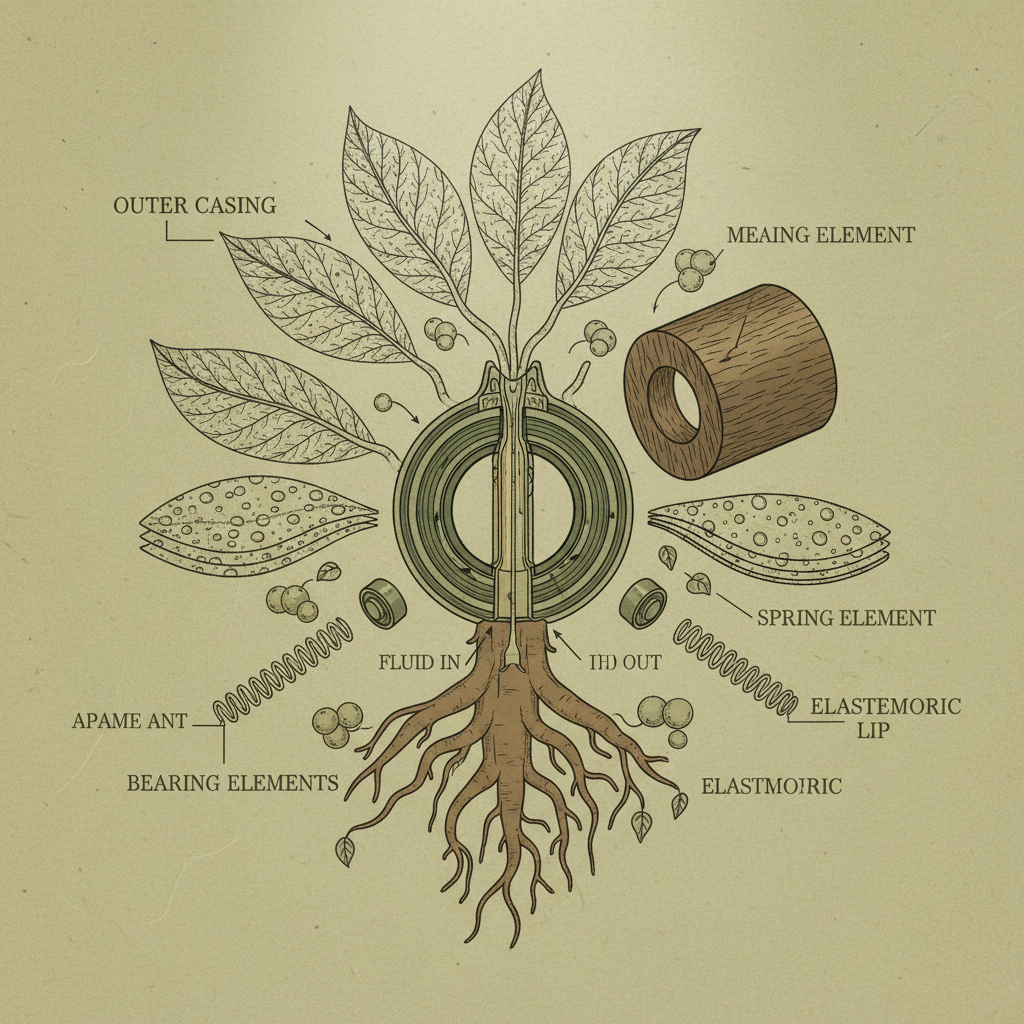
In the demanding world of industrial machinery, maintaining system integrity depends heavily on the quality of sealing components. The oil seal tcv represents a critical engineering solution designed to prevent lubricant leakage and protect internal mechanisms from external contaminants. By ensuring a precise fit and robust barrier, these seals maintain the operational efficiency of high-pressure systems across various manufacturing sectors.
Global industrial standards, such as those set by ISO, emphasize the necessity of high-performance sealing to reduce downtime and environmental hazards. The challenge often lies in finding a balance between material durability and pressure resistance, especially in environments where thermal expansion and mechanical wear are constant. The oil seal tcv addresses these challenges by combining advanced polymer science with reinforced structural designs.
Whether integrated into hydraulic systems or heavy-duty rotating equipment, the oil seal tcv provides the reliability required for continuous 24/7 operations. Understanding the technical nuances of these components allows engineers to optimize machinery life cycles and significantly lower maintenance costs in high-pressure applications.
Material Composition and Structural Integrity
The structural integrity of the oil seal tcv is primarily derived from its high-grade material composition. Utilizing NBR (Nitrile Butadiene Rubber) and FKM/FPM (Fluoroelastomer), these seals are engineered to withstand aggressive chemical environments and temperature fluctuations. The choice between NBR and FKM depends on the specific operating environment, with FKM offering superior heat and chemical resistance for more extreme conditions.
Beyond the polymer base, the inclusion of a metal ring provides the necessary rigidity to prevent the seal from extruding under pressure. This hybrid construction ensures that the sealing lip maintains constant contact with the shaft, effectively locking out dust and moisture while keeping lubricants contained. This synergy of elasticity and strength is what defines the reliability of the TCV series.
Technical Specifications for High Pressure Resistance
One of the most defining characteristics of the oil seal tcv is its ability to operate under significant pressure. Specifically designed for high-pressure resistance, these seals can handle loads up to 0.98MPa. This capability makes them indispensable for hydraulic systems where pressure spikes are common and traditional seals would fail or deform.
The precision engineering involved in the TCV design ensures that the pressure is distributed evenly across the sealing surface. By optimizing the lip geometry and material hardness, the seal can maintain a leak-proof barrier even when the internal pressure fluctuates rapidly, which is a common occurrence in industrial pumping and lifting equipment.
Furthermore, the variety of available colors, such as Blue and Brown, often helps technicians quickly identify the material type (NBR vs FKM) during maintenance cycles. This attention to detail ensures that the correct oil seal tcv is installed for the specific pressure and temperature requirements of the machinery.
The Role of Metal Rings in Seal Performance
The integration of a metal ring within the oil seal tcv is not merely for structural support but is a critical functional component. In high-pressure environments, rubber alone lacks the modulus to resist the force pushing the seal into the clearance gap of the housing. The metal casing acts as a reinforcement skeleton.
By utilizing a reinforced metal ring, the oil seal tcv can be seated more securely in the gland, reducing the risk of "seal blow-out." This is particularly vital in rotating equipment where centrifugal forces and pressure combine to create an aggressive environment for the sealing element.
Ultimately, this reinforced design extends the service life of the component. When an oil seal tcv is correctly installed, the metal ring ensures a perfectly perpendicular orientation to the shaft, which minimizes uneven wear on the sealing lip and prevents premature leakage.
Comparative Analysis of Sealing Efficiency
When comparing different sealing methods, the oil seal tcv stands out due to its balanced approach to friction and sealing force. While standard seals may offer lower initial friction, they often fail prematurely under high-pressure loads, leading to costly system failures and lubricant loss.
The efficiency of the TCV design is measured by its "leakage-to-friction" ratio. By employing optimized materials like FKM, the seal reduces heat generation during high-speed rotation while maintaining a tight seal against 0.98MPa of pressure, ensuring that the system remains airtight and lubricant-rich.
Sealing Performance Metrics by Design
Global Applications in Heavy Industry
The versatility of the oil seal tcv allows it to be deployed in a wide array of global industrial sectors. In the construction industry, these seals are vital for Concrete Mixer Seals and Hydraulic Seal Kits, where they protect the gearboxes and hydraulic rams from the abrasive nature of cement dust and grit.
Beyond construction, the automotive and aerospace sectors utilize the oil seal tcv in wheel hub assemblies and high-pressure transmission systems. In remote industrial zones, such as mining operations in Australia or oil rigs in the North Sea, the reliability of these seals prevents catastrophic failures in environments where replacement parts are difficult to source quickly.
Long-term Maintenance and Reliability Value
Investing in high-quality sealing solutions like the oil seal tcv provides significant long-term economic value. The primary benefit is the reduction of unplanned downtime. When a seal fails in a high-pressure system, the resulting leak can lead to component overheating, lubrication starvation, and eventual machine seizure.
From a sustainability perspective, using a durable oil seal tcv reduces the frequency of part replacements and minimizes the leakage of hazardous lubricants into the environment. This aligns with modern "Green Industry" initiatives and ISO 14001 environmental management standards, making the facility more eco-friendly.
Moreover, the trust associated with a precision-engineered seal allows operators to run machinery closer to their maximum design limits. This increased throughput, combined with lower maintenance intervals, ensures a higher return on investment for the overall capital equipment.
Size Catalog and Customization Standards
To accommodate the diverse needs of global machinery, the oil seal tcv is available in an extensive range of standard sizes. From small diameters like 13x26x7 to large industrial sizes such as 185x205x10, the catalog covers almost every common industrial application. This standardization ensures that replacements can be sourced without needing to redesign the housing.
However, we recognize that some specialized equipment requires non-standard dimensions. That is why customization is a core part of our service. By providing specific parameters, clients can obtain a tailored oil seal tcv that meets exact tolerances and pressure requirements, ensuring a perfect fit for legacy machinery or prototype designs.
The following table summarizes the core specifications and customization options available for these high-pressure sealing components, illustrating the breadth of the TCV range.
Technical Specification and Size Range of Oil Seal TCV
| Material Type |
Pressure Limit |
Size Range (ID x OD x W) |
Typical Application |
| NBR (Nitrile) |
0.98 MPa |
13x26x7 to 50x70x10 |
General Hydraulic Systems |
| FKM (Viton) |
0.98 MPa |
25x35x6 to 100x120x12 |
High-Temp Industrial Gearboxes |
| Rubber w/ Metal Ring |
0.98 MPa |
45x80x7 to 150x164x8 |
Heavy-Duty Wheel Hubs |
| Customized Compound |
Variable |
Bespoke Dimensions |
Aerospace/Specialty Mining |
| NBR (High Hardness) |
0.98 MPa |
60x80x7 to 120x140x12 |
Concrete Mixer Seal Kits |
| FKM (Premium) |
0.98 MPa |
140x160x12 to 185x205x10 |
High-Pressure Oil Pumps |
FAQS
The oil seal tcv is specifically engineered for high-pressure environments, supporting up to 0.98MPa. Unlike standard seals, it features a reinforced metal ring and high-grade materials like FKM or NBR to prevent extrusion and leakage under extreme loads, making it far more durable for hydraulic and heavy-duty machinery.
NBR is ideal for general-purpose applications with moderate temperatures and oil resistance. However, if your machinery operates in high-temperature environments or comes into contact with aggressive chemicals, FKM (FPM) is the superior choice due to its higher thermal stability and chemical inertness.
Yes, while we offer a comprehensive catalog of standard sizes (from 13mm to 205mm OD), we specialize in customized solutions. Clients can provide specific dimensions and pressure requirements, and we will manufacture a bespoke seal to ensure a perfect fit for unique industrial applications.
The metal ring provides critical structural reinforcement. In high-pressure scenarios, rubber can deform or "blow out." The metal ring ensures the seal remains perfectly seated in the housing and maintains a consistent radial force on the shaft, which significantly extends the seal's operational lifespan.
The standard oil seal tcv is rated for a high-pressure resistance of 0.98MPa. This makes it suitable for a wide range of high-pressure hydraulic systems, oil pumps, and heavy-duty rotating equipment where maintaining a leak-proof seal is critical for system safety.
Replacement intervals depend on the operating environment and load. However, we recommend regular inspections for signs of weepage or wear. Because TCV seals are designed for longevity, they typically last longer than standard seals, but high-friction or high-dust environments may require more frequent changes.
Conclusion
In summary, the oil seal tcv is an essential component for any high-pressure industrial system, offering a perfect blend of material science and structural engineering. By combining the flexibility of NBR or FKM with the rigidity of a metal reinforcement ring, these seals provide unmatched pressure resistance (up to 0.98MPa) and reliability. From concrete mixers to hydraulic pumps, the TCV series ensures that machinery operates at peak efficiency while minimizing lubricant loss and environmental impact.
As industrial demands move toward higher pressures and more extreme temperatures, the role of precision sealing becomes even more critical. We encourage engineers and procurement specialists to prioritize high-specification components to avoid the hidden costs of unplanned downtime. For those seeking reliable, high-performance sealing solutions tailored to their specific needs, we invite you to explore our full range of products. Visit our website: www.hkaiseal.com