In the demanding world of hydraulic machinery, the integrity of a system often depends on the smallest components. A high-quality cylinder oil seal serves as the primary defense against fluid leakage and external contamination, ensuring that pressurized systems maintain their efficiency and power. Without precision-engineered sealing solutions, even the most robust hydraulic cylinders would suffer from pressure drops and premature wear.
From a global industrial perspective, the reliability of these components is non-negotiable. Whether it is in heavy-duty construction equipment, aerospace actuators, or factory automation, the cylinder oil seal prevents costly downtime and environmental hazards caused by oil spills. As industries push toward higher operating pressures and more extreme environments, the materials and designs of these seals have evolved to meet rigorous international standards.
Understanding the nuances of seal selection—ranging from material compatibility to geometric precision—is essential for any maintenance engineer or procurement specialist. By optimizing the choice of a cylinder oil seal, companies can significantly extend the service life of their machinery, reduce maintenance overheads, and ensure the safety of operators working with high-pressure equipment.
Global Relevance of Cylinder Oil Seal Technology
The global reliance on hydraulic power systems has made the cylinder oil seal a critical component in the international supply chain. According to ISO standards for fluid power, leakage is one of the leading causes of system inefficiency. In an era where industrial productivity is measured by "uptime," the ability of a seal to withstand thousands of cycles without failure is what separates high-performance machinery from mediocre equipment.
Across continents, from the mining sectors of Australia to the automotive plants of Germany, the demand for durable sealing solutions continues to grow. The challenge lies in the diversity of operating conditions; a seal must perform equally well in the freezing temperatures of the Arctic and the scorching heat of a smelting plant. This global demand drives the continuous refinement of rubber compounding and precision machining.
Defining the Cylinder Oil Seal in Modern Industry
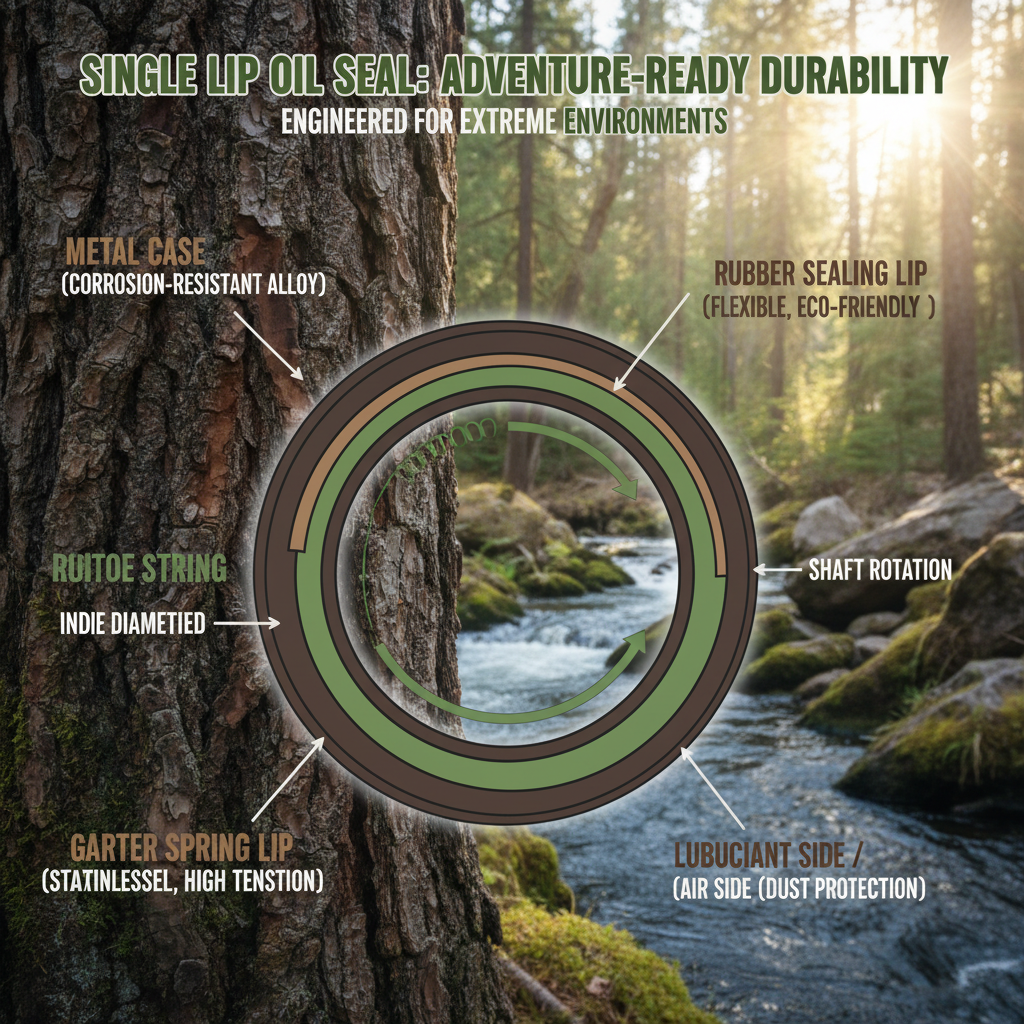
In simple technical terms, a cylinder oil seal is a precision-engineered component designed to retain lubricating oil within a cylinder while simultaneously preventing the ingress of dust, moisture, and other contaminants. It acts as the "gatekeeper" of the hydraulic system, ensuring that the pressure generated by the pump is efficiently converted into linear motion without loss.
Modern industry views these seals not merely as rubber rings, but as critical safety devices. In sectors like heavy lifting or aviation, a seal failure isn't just a maintenance issue—it's a potential safety hazard. Therefore, the integration of metal reinforcements (such as the metal rings found in DKBI wiper seals) provides the structural rigidity needed to maintain a tight seal under extreme pressure loads.
Beyond the technical specifications, the cylinder oil seal is fundamentally linked to humanitarian and developmental needs. From the hydraulic arms of excavators used in post-disaster debris removal to the pumps in clean water irrigation systems for remote agricultural zones, these small components enable the large-scale machinery that builds and sustains modern civilization.
Core Components and Performance Factors
Material durability is the cornerstone of any effective cylinder oil seal. Depending on the application, materials like Nitrile (NBR), Polyurethane (PU), or Fluorocarbon (FKM) are chosen based on their resistance to chemical degradation, temperature fluctuations, and abrasion. The ability of the rubber to maintain its elasticity over millions of cycles determines the overall lifespan of the hydraulic cylinder.
Precision geometry and fit are equally vital. A cylinder oil seal must be manufactured to exacting tolerances—often within microns—to ensure a perfect interface between the seal lip and the cylinder rod. If the fit is too loose, leakage occurs; if it is too tight, friction increases, leading to overheating and rapid wear.
Finally, cost efficiency is balanced with performance. While high-end materials increase initial costs, the reduction in frequency of replacement and the prevention of expensive hydraulic fluid loss make the investment in a premium cylinder oil seal logical. Scalability in manufacturing also allows these components to be customized for everything from miniature medical devices to massive industrial presses.
Global Applications and Practical Use Cases
The application of the cylinder oil seal spans nearly every industrial sector. In the construction industry, concrete mixer seals and high-pressure oil seals are indispensable for maintaining the rotation and movement of heavy drums and pistons in harsh, dusty environments. In the automotive sector, wheel hub oil seals ensure that lubricants remain in the bearing assembly despite constant exposure to road salt and water.
In more specialized contexts, such as remote industrial zones or offshore oil rigs, these seals must withstand corrosive saltwater and extreme pressure differentials. For instance, in deep-sea drilling equipment, the failure of a single sealing element could lead to catastrophic environmental leaks, making the selection of a high-grade cylinder oil seal a matter of environmental protection.
Performance Comparison of Cylinder Oil Seal Materials
Long-term Value and Reliability Advantages
Investing in a high-quality cylinder oil seal provides tangible long-term value by dramatically reducing the "Total Cost of Ownership" (TCO) of hydraulic machinery. Beyond the obvious benefit of preventing oil leaks, a reliable seal reduces the friction and heat buildup within the cylinder, which in turn protects the polished rod from scoring and the internal valves from contamination.
From a psychological and organizational perspective, the reliability of these components fosters trust and confidence. When a fleet manager knows that their equipment is fitted with industry-leading seals, they can schedule maintenance based on data rather than reacting to emergency failures. This shift from reactive to proactive maintenance ensures operational dignity and enhances the overall safety and predictability of the industrial workflow.
Future Trends in Sealing Innovation
The future of the cylinder oil seal is being shaped by the drive toward sustainability and "Green Industry." We are seeing a move toward biodegradable elastomers and seals that require less lubrication, reducing the environmental footprint of hydraulic systems. Innovations in nano-coatings are also being applied to seal lips to reduce friction to near-zero levels, further increasing energy efficiency.
Digital transformation is also entering the sealing world through "Smart Seals." By embedding tiny sensors within the seal housing, companies can now monitor wear and tear in real-time, receiving alerts before a leak actually occurs. This integration of IoT (Internet of Things) with traditional rubber manufacturing represents a paradigm shift in how we approach preventative maintenance.
Furthermore, the adoption of additive manufacturing (3D printing) allows for the creation of complex, custom-shaped cylinder oil seal geometries that were previously impossible to mold. This enables the development of highly specialized seals for extreme aerospace or medical applications, where every millimeter of space and every gram of weight is critical.
Challenges and Expert Solutions in Sealing
One of the most common challenges in the industry is "seal extrusion," where high pressure forces the rubber into the clearance gap between the piston and the cylinder wall. This leads to rapid seal failure and fluid loss. To overcome this, experts recommend the use of back-up rings and the implementation of a higher-durometer cylinder oil seal, which provides the necessary rigidity to resist extrusion.
Another significant issue is chemical incompatibility, where the hydraulic fluid reacts with the seal material, causing it to swell or harden. The solution lies in a rigorous material audit. By matching the chemical profile of the fluid (e.g., mineral oil vs. synthetic esters) with the specific polymer of the seal, engineers can prevent premature degradation.
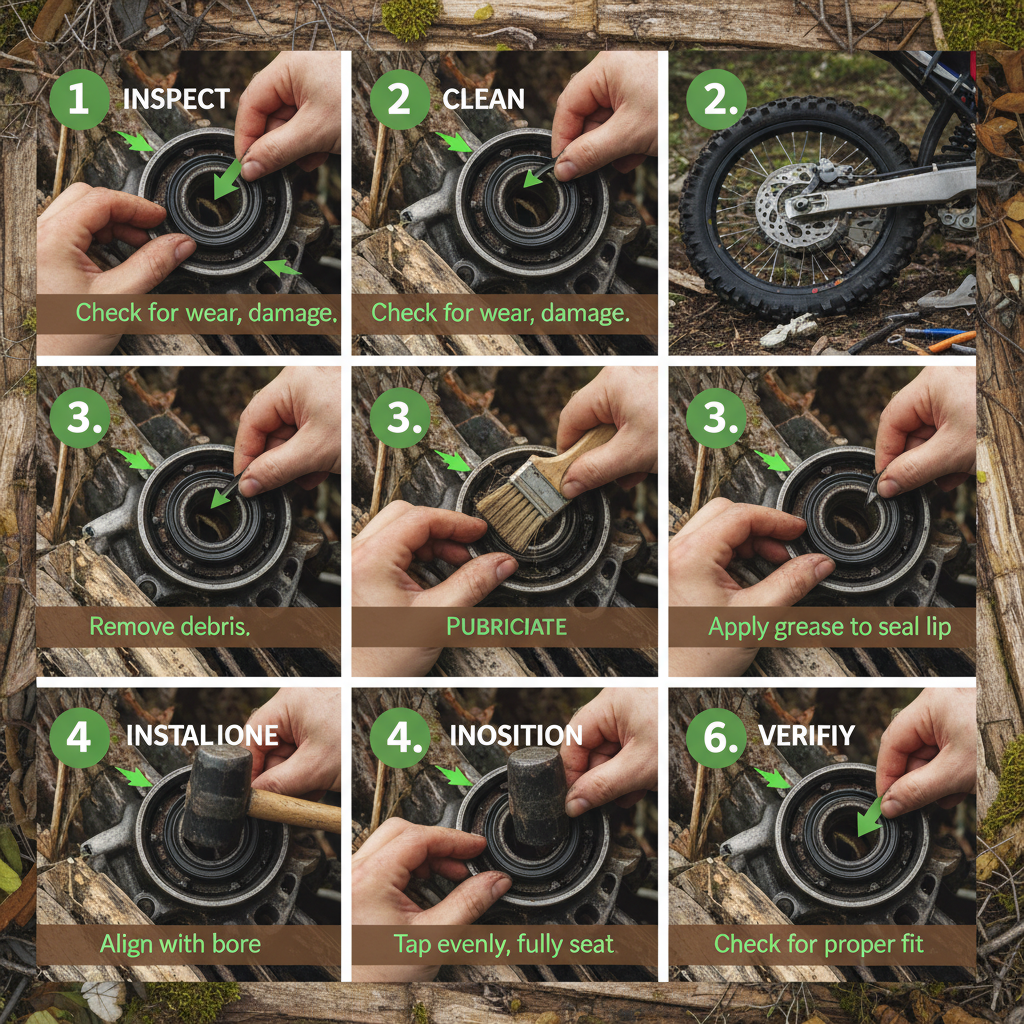
Finally, improper installation remains a leading cause of failure. Even the best cylinder oil seal will fail if it is nicked during assembly. Implementing specialized installation tools and standardized training protocols ensures that the seal is seated correctly without damage, maximizing the operational life of the component.
Comparative Analysis of Cylinder Oil Seal Solutions
|
Seal Type
|
Pressure Resistance
|
Temperature Range
|
Typical Lifespan
|
| Standard NBR Seal |
Medium (Up to 150 bar) |
-30°C to 100°C |
Moderate |
| PU High-Pressure Seal |
High (Up to 400 bar) |
-20°C to 80°C |
Long |
| FKM Chemical Seal |
Medium (Up to 200 bar) |
-20°C to 200°C |
Very Long |
| PTFE Low-Friction Seal |
Very High (Up to 600 bar) |
-100°C to 250°C |
Exceptional |
| DKBI Wiper Seal |
Low (Dust Protection) |
-40°C to 110°C |
Moderate |
| Custom Hybrid Seal |
Customizable |
Wide Range |
Optimized |
FAQS
The choice depends on three main factors: operating temperature, the type of fluid used, and the pressure level. For standard hydraulic oils at room temperature, NBR is cost-effective. For high-pressure applications, Polyurethane (PU) is superior. If your system handles aggressive chemicals or extreme heat (above 100°C), Fluorocarbon (FKM) or PTFE is the professional choice to avoid seal degradation.
The most obvious sign is external oil leakage around the cylinder rod. However, internal leakage (bypass) can also occur, which manifests as a loss of lifting power or "drifting" where the cylinder fails to hold its position. Additionally, the presence of contaminants on the rod surface often indicates that the wiper seal (the outer part of the oil seal assembly) has worn out.
Generally, no. Standard oil seals are designed for low to medium pressure. In high-pressure systems, a standard seal will likely suffer from "extrusion," where the rubber is pushed into the gap between the seal and the housing, leading to rapid failure. You should specifically use a high-pressure cylinder oil seal, often reinforced with a back-up ring to maintain structural integrity.
While a standard oil seal focuses on keeping fluid inside, a wiper seal (like the DKBI type) is designed to scrape dust, mud, and moisture off the rod as it retracts. This prevents external debris from entering the cylinder and damaging the internal high-pressure seals. In most professional assemblies, both are used together to ensure complete protection of the hydraulic system.
There is no universal timeframe, as it depends on the duty cycle and environment. However, a best practice is to replace seals during any major cylinder overhaul or whenever a rod is replaced. In high-dust environments (like construction), wiper seals should be inspected monthly and replaced at the first sign of hardening or cracking to prevent the more expensive internal seals from failing.
Yes, most professional manufacturers offer customized cylinder oil seal solutions. By providing the inner diameter, outer diameter, and height, as well as the operating conditions, you can obtain a seal tailored to your specific machinery. Customization is often necessary for vintage equipment or highly specialized aerospace and medical components.
Conclusion
In summary, the cylinder oil seal is a small but pivotal component that ensures the operational efficiency, safety, and longevity of hydraulic systems globally. From the careful selection of polymers like PU and FKM to the implementation of precision-engineered geometries and smart monitoring technologies, the right sealing solution minimizes downtime and maximizes productivity across countless industrial sectors.
As we move toward a future defined by automation and green energy, the evolution of sealing technology will continue to play a key role in reducing environmental impact and enhancing machine reliability. For those looking to optimize their equipment, investing in high-quality, precision-matched seals is the most effective way to ensure long-term performance. Visit our website for professional solutions: www.hkaiseal.com