In the demanding world of industrial machinery, the integrity of a sealing system can be the difference between seamless operation and catastrophic failure. A high pressure lip seal is a critical engineered component designed to prevent lubricant leakage and exclude contaminants in environments where internal pressures are significantly elevated. By maintaining a precise physical barrier, these seals ensure that hydraulic and mechanical systems operate at peak efficiency without the risk of pressure drops.
The global shift toward higher-performance machinery in sectors like construction, mining, and automotive manufacturing has increased the reliance on advanced sealing technologies. Standard seals often fail under extreme stress, leading to costly downtime and environmental hazards. Consequently, the adoption of specialized high-pressure solutions has become a priority for engineers seeking to extend the mean time between failures (MTBF) and reduce overall maintenance costs.
Understanding the material science and design specifications behind a high pressure lip seal is essential for optimizing system longevity. Whether utilizing Nitrile (NBR) for general oil resistance or Fluorocarbon (FKM/FPM) for high-temperature environments, the choice of material directly impacts the seal's ability to withstand pressures up to 0.98MPa. By integrating these high-performance components, industries can ensure safer and more reliable operations across various heavy-duty applications.
Material Composition and Durability of High Pressure Lip Seals
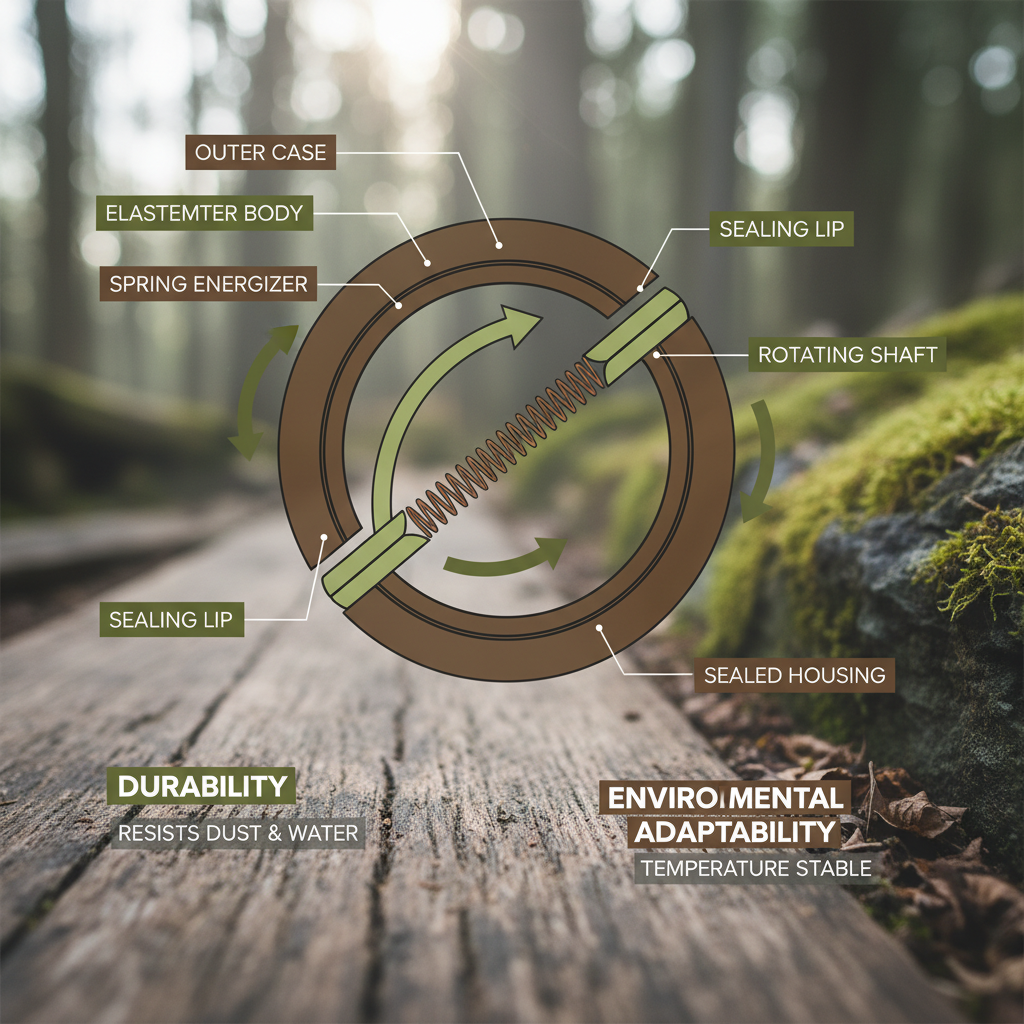
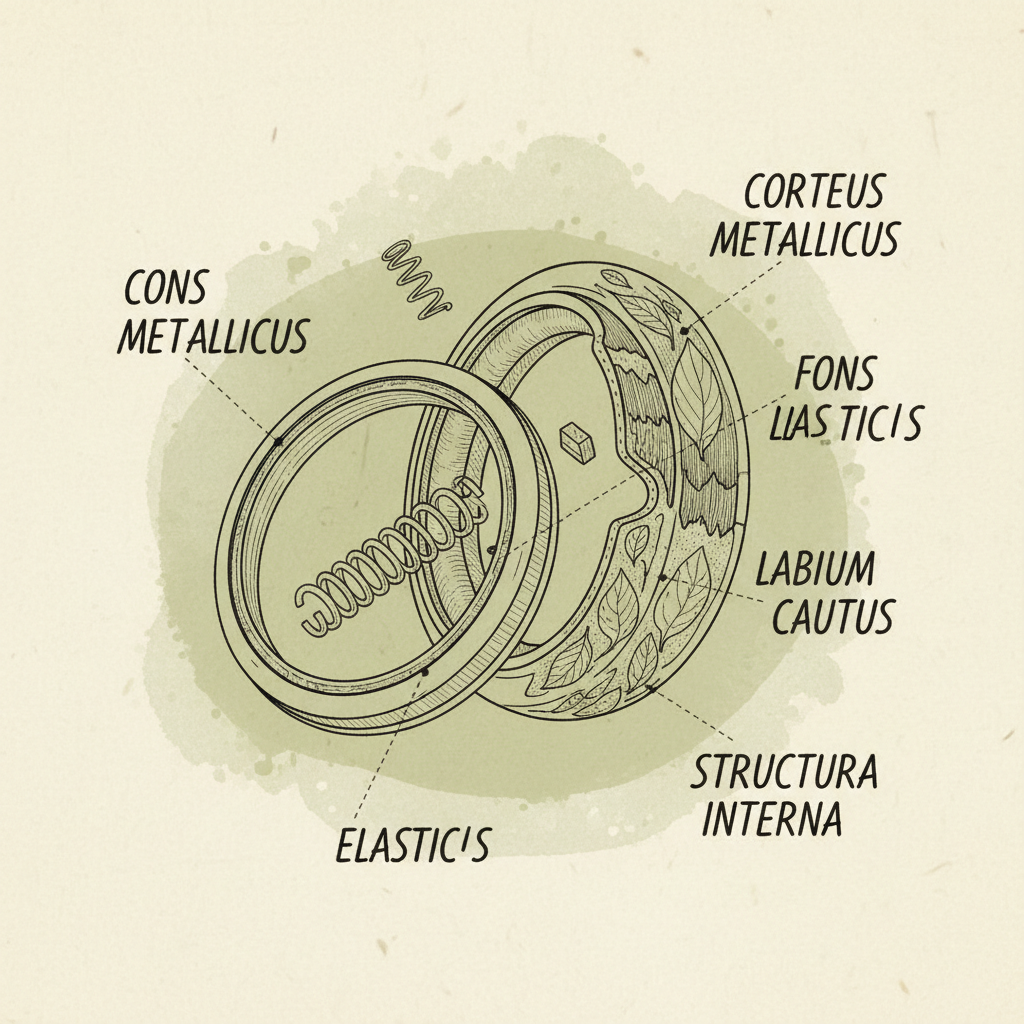
The durability of a high pressure lip seal is fundamentally tied to its material composition. Most high-performance seals utilize Nitrile Butadiene Rubber (NBR) for its excellent oil resistance and mechanical strength, or Fluorocarbon (FKM/FPM) when the application demands superior heat resistance and chemical stability. The inclusion of a metal ring provides the necessary structural reinforcement, preventing the rubber from extruding under extreme pressure loads.
These materials are selected to balance elasticity with hardness, ensuring that the lip maintains a tight seal against the shaft while resisting abrasive wear. The synergy between the elastomeric body and the metal casing allows the seal to withstand the rigorous cycles of compression and expansion typical in high-pressure hydraulic systems.
Pressure Resistance and Engineering Standards
Engineering a high pressure lip seal requires strict adherence to pressure tolerance standards to prevent blowout. A key benchmark for high-performance TCV oil seals is the ability to withstand pressures up to 0.98MPa. This capacity is achieved through a specialized lip geometry that utilizes the internal pressure to actually push the seal tighter against the shaft, creating a self-energizing effect that enhances the sealing integrity.
Beyond simple pressure ratings, these seals are manufactured to meet either standard or customized specifications, allowing them to be integrated into a wide array of machinery. Standardized sizes ensure compatibility across different brands of equipment, while customized options allow engineers to tweak dimensions for unique housing tolerances or specific environmental challenges.
The consistency in manufacturing is governed by strict quality control processes, ensuring that every unit produced in Hebei and beyond meets the rigorous demands of industrial applications. By maintaining these standards, manufacturers can guarantee that the seal will not deform or leak, even when subjected to the peak pressure spikes common in hydraulic transients.
Design Features of TCV High Pressure Oil Seals
The TCV design is a hallmark of efficiency in the world of the high pressure lip seal. Unlike conventional seals, the TCV variant is specifically engineered to handle higher internal pressures by utilizing a reinforced lip structure. This design focuses on minimizing friction while maximizing the contact area, which significantly reduces the rate of wear on the rotating shaft.
One of the most distinctive features of this high pressure lip seal is its adaptability to different colors, typically appearing in Blue or Brown, which often helps technicians identify material types (such as NBR vs FKM) at a glance. The integration of the metal ring ensures that the seal remains seated firmly within the gland, preventing axial movement that could lead to leakage.
Furthermore, the precision-machined edges of the lip ensure an airtight and oil-tight fit. This attention to detail is what allows a high pressure lip seal to operate effectively in environments where oil contamination would be disastrous, such as in high-precision hydraulic kits or wheel hub assemblies.
Performance Metrics Across Different Seal Variants
Evaluating the effectiveness of a high pressure lip seal involves analyzing its performance across several dimensions, including wear resistance, thermal stability, and pressure holding capacity. Different material combinations yield varying results; for instance, FKM variants typically outperform NBR in high-heat scenarios but may have different friction coefficients.
By comparing these metrics, plant managers can determine the optimal seal for their specific equipment, whether it be a concrete mixer seal or a complex hydraulic kit. The goal is to maximize the lifespan of the component while minimizing the risk of unplanned outages.
Performance Comparison of High Pressure Lip Seal Materials
Global Industrial Applications and Use Cases
The application of a high pressure lip seal spans across multiple heavy industries worldwide. In the construction sector, for example, concrete mixer seals must endure extreme pressure and abrasive dust, making the TCV high-pressure design ideal for maintaining the lubrication of the rotating drum bearings. Without these seals, the abrasive nature of concrete would quickly destroy the internal machinery.
Similarly, in the automotive and transport industries, wheel hub oil seals are subjected to intense centrifugal forces and varying pressures. The use of a high pressure lip seal ensures that lubricants remain contained within the hub, preventing leaks that could compromise vehicle safety or lead to premature bearing failure in remote industrial zones or long-haul transport routes.
Advantages of Specialized Sealing Solutions
The primary advantage of utilizing a high pressure lip seal over a general-purpose seal is the dramatic increase in reliability. By specifically designing the seal to handle pressures up to 0.98MPa, companies can reduce the frequency of seal replacements. This not only lowers the direct cost of parts but also reduces the labor costs associated with downtime, which can often be the most expensive part of industrial maintenance.
From a sustainability perspective, these specialized seals prevent oil leaks that would otherwise contaminate the environment. In sensitive industrial zones, the prevention of hydraulic fluid leaks is not just a matter of efficiency but a regulatory requirement. The use of high-grade FKM or NBR ensures that the seals do not degrade prematurely, reducing the volume of rubber waste generated.
Furthermore, the psychological peace of mind provided to operators cannot be overstated. Knowing that a critical system is protected by a high pressure lip seal allows for the pushing of machinery to its designed limits without the constant fear of a seal blowout. This trust in the component drives innovation, allowing for the development of more powerful and efficient hydraulic systems.
Technical Specification and Sizing Analysis
Selecting the correct size for a high pressure lip seal is paramount to ensuring a leak-free installation. The size catalog is extensive, ranging from small diameters like 13x26x7 to large-scale industrial sizes such as 185x205x10/8.5. Precision in measurement—inner diameter, outer diameter, and width—is required to ensure the seal fits snugly within the housing without causing excessive friction or leaving gaps.
The versatility of the TCV range allows it to be used in various capacities, from small hydraulic pumps to massive industrial gearboxes. Because these seals can be customized, they are frequently adapted for non-standard equipment where off-the-shelf parts would not suffice. This flexibility makes them a staple in the maintenance kits of global industrial enterprises.
To help engineers select the right part, it is useful to categorize the sizes based on their typical application pressure and wear environment. The following table provides a summary of how different dimensions and materials relate to their operational strengths.
Technical Analysis of High Pressure Lip Seal Specifications
| Size Category |
Typical Material |
Pressure Rating |
Application Example |
| Small (e.g., 13x26x7) |
NBR |
Up to 0.98MPa |
Small Hydraulic Pumps |
| Medium (e.g., 45x65x8) |
FKM/FPM |
Up to 0.98MPa |
Transmission Gearboxes |
| Large (e.g., 80x95x6) |
NBR + Metal |
Up to 0.98MPa |
Concrete Mixer Hubs |
| X-Large (e.g., 140x160x12) |
FKM/FPM |
Up to 0.98MPa |
Heavy Mining Equipment |
| Customized Dimensions |
Mixed Rubber |
Customized |
Specialized CNC Machinery |
| Ultra-Large (e.g., 185x205x10) |
NBR + Metal |
Up to 0.98MPa |
Industrial Marine Shafts |
FAQS
The TCV series of high pressure lip seals is specifically engineered to handle pressures up to 0.98MPa. This is achieved through a reinforced design and the use of high-density materials like NBR and FKM, combined with a metal support ring to prevent extrusion under high loads.
Choose NBR for general-purpose oil resistance and cost-effectiveness in moderate temperature environments. Opt for FKM (FPM) if your application involves high temperatures, aggressive chemicals, or extreme environments where standard rubber would degrade quickly.
Yes, while there is a comprehensive catalog of standard sizes, custom dimensions are available. You can provide your specific inner diameter, outer diameter, and width requirements to ensure a perfect fit for your specialized equipment.
The metal ring provides structural rigidity. Without it, the elastomeric rubber would deform or "blow out" under high pressure. The ring keeps the seal firmly seated in the gland and ensures the lip maintains constant contact with the shaft.
Absolutely. High pressure lip seals are ideal for concrete mixers because they can withstand the internal pressure of lubricants while keeping out the abrasive dust and cement particles that typically cause premature bearing failure.
The minimum order quantity for the High Pressure TCV Oil Seal is 20 pieces. This allows for a balanced approach between accessibility for smaller maintenance teams and efficiency for large-scale industrial production.
Conclusion
In summary, the high pressure lip seal is an indispensable component for any industrial system operating under significant stress. By combining advanced materials like NBR and FKM with a reinforced TCV design and a sturdy metal ring, these seals provide an unbeatable barrier against leaks and contaminants up to 0.98MPa. From the construction sites using concrete mixers to the precision of hydraulic kits, the right seal ensures operational continuity and equipment longevity.
Looking forward, the trend toward more powerful and compact machinery will only increase the demand for high-performance sealing solutions. Investing in high-quality, precision-engineered seals is not merely a maintenance choice but a strategic decision to enhance safety, sustainability, and productivity. For those seeking the highest standards in industrial sealing, we invite you to explore our full range of solutions. Visit our website: www.hkaiseal.com