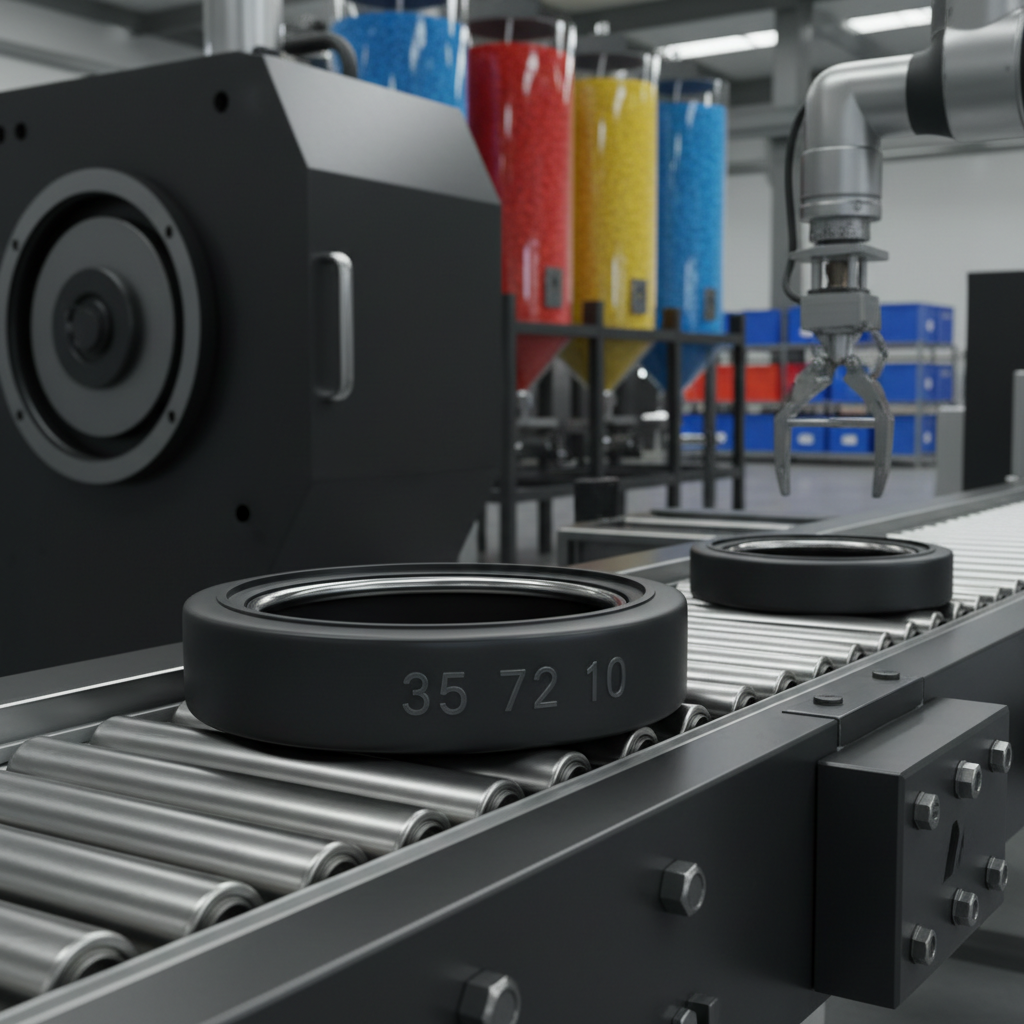
In the demanding world of industrial machinery, the precision of a sealing component can determine the difference between seamless operation and catastrophic equipment failure. The 35 72 10 oil seal represents a critical standard in fluid power and mechanical engineering, designed to prevent lubricant leakage while shielding internal components from abrasive contaminants. By maintaining a tight seal under varying pressures, this specific dimension ensures that rotating shafts remain lubricated and protected, which is essential for the longevity of heavy-duty machinery.
Globally, the reliance on high-performance rubber seals has grown as industries push for higher efficiency and reduced downtime. Whether integrated into a Concrete Mixer Seal assembly or utilized as part of a complex Hydraulic Seal Kit, the 35 72 10 oil seal serves as a primary defense mechanism against friction-induced wear. The global shift toward sustainable manufacturing means that seals must now last longer and perform better under extreme temperatures to reduce waste and maintenance costs.
Understanding the technical nuances of the 35 72 10 oil seal is not just about matching numbers; it is about optimizing the operational reliability of the entire system. From Dust Oil Seals to High Pressure Oil Seals, the materials used—such as NBR, Viton, or Silicone—dictate how the seal interacts with the environment. This guide explores the global context, technical specifications, and future innovations surrounding this indispensable industrial component.
Global Relevance of 35 72 10 Oil Seal
The global industrial landscape, governed by ISO standards and strict safety regulations, views the 35 72 10 oil seal as more than a simple rubber ring. In sectors like construction and automotive manufacturing, where equipment operates in harsh, dusty environments, the failure of a single seal can lead to massive oil spills and unplanned downtime, costing companies millions in lost productivity.
Across Europe, Asia, and North America, the demand for precision-engineered seals is rising. The 35 72 10 oil seal is frequently specified in machinery that requires a balance between shaft diameter and housing depth, ensuring that lubricant is retained even under high-vibration conditions typical of heavy industrial zones.
Defining the 35 72 10 Oil Seal Standard
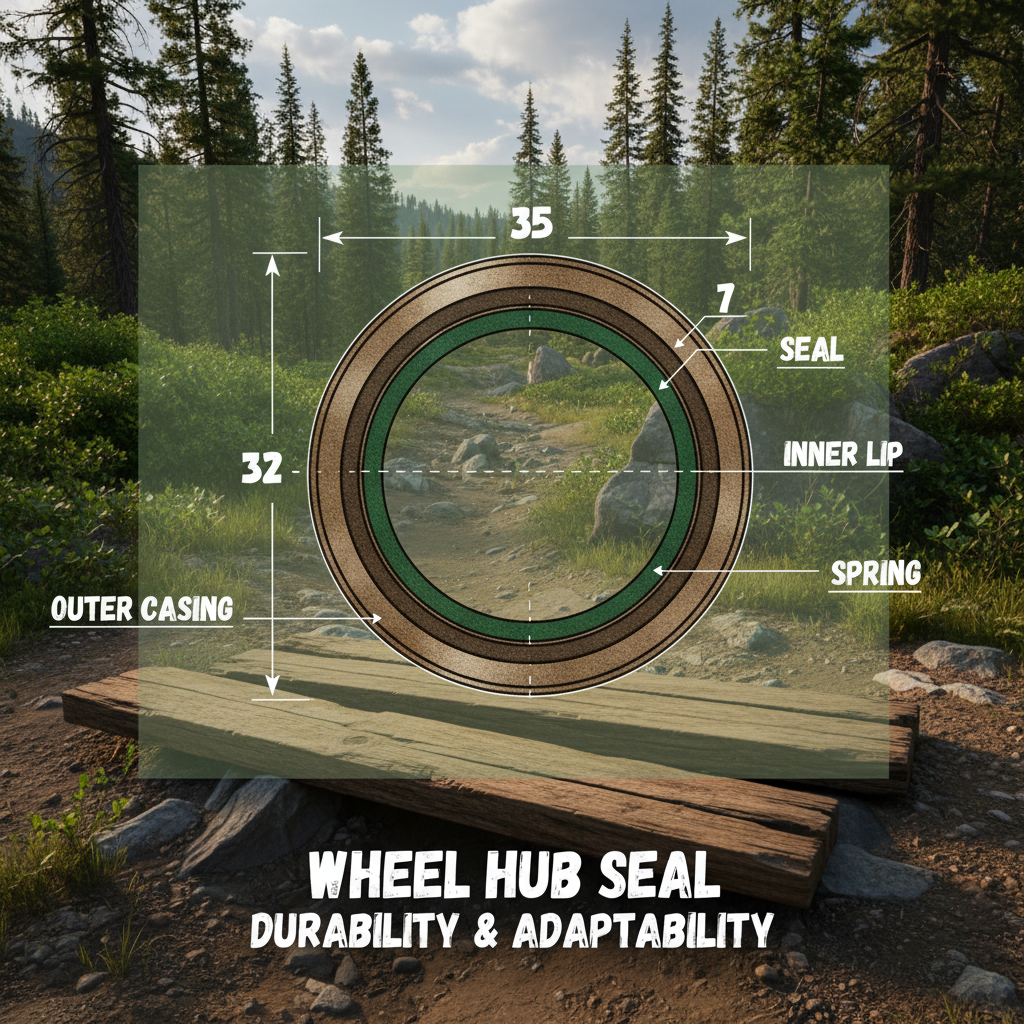
At its most basic level, the 35 72 10 oil seal is defined by its precise dimensions: an inner diameter of 35mm, an outer diameter of 72mm, and a thickness of 10mm. These measurements are critical because even a micron-level deviation can lead to "blow-by" or premature wear, compromising the integrity of the rotating assembly it protects.
Beyond the numbers, this seal is a sophisticated marriage of chemistry and physics. By utilizing an elastomeric body—often reinforced with a metal case—it creates a radial seal against a rotating shaft. This design is essential for modern humanitarian and industrial needs, such as ensuring that water pumps in remote areas or generators in disaster relief zones continue to function without leaking vital fluids.
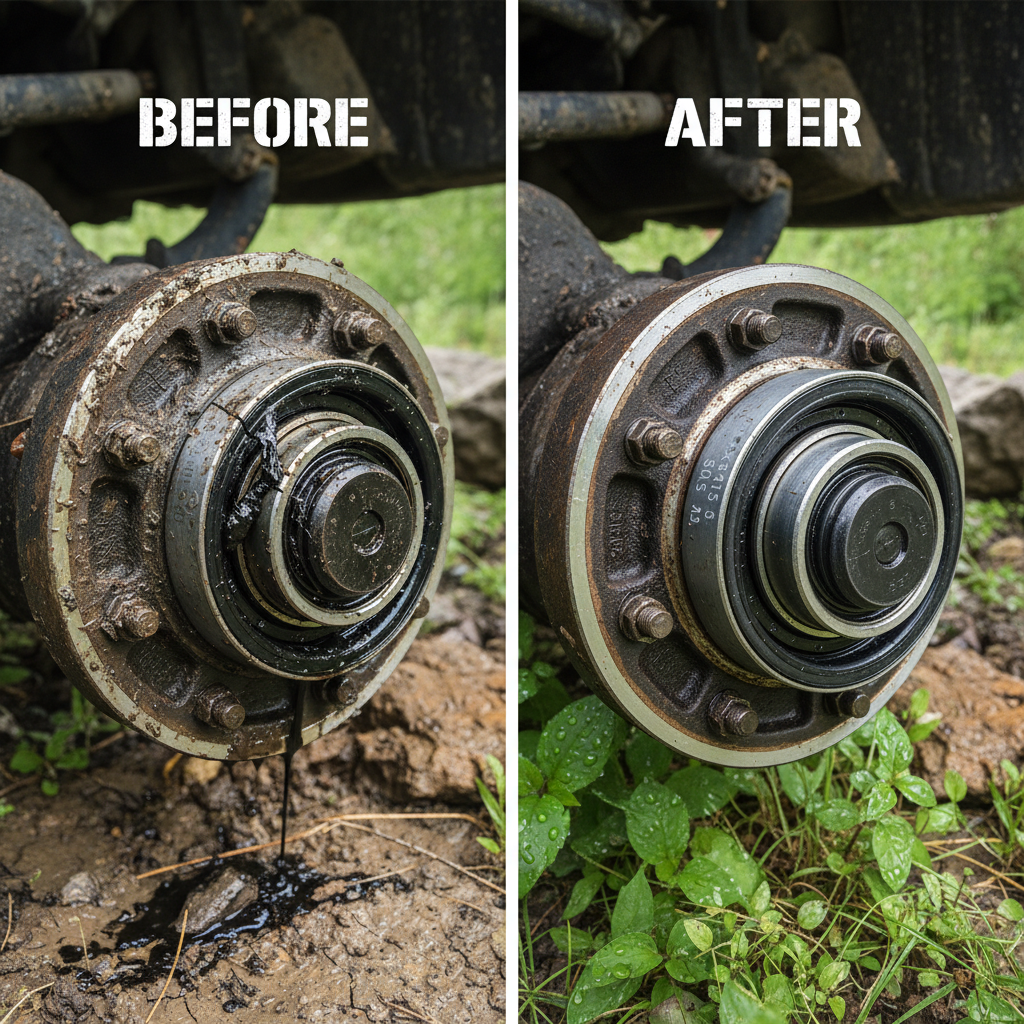
In the context of a Wheel Hub Oil Seal or a High Pressure Oil Seal, the 35 72 10 oil seal serves as the primary barrier. It utilizes a lip-seal mechanism that applies consistent pressure to the shaft, effectively locking in grease and locking out dust, water, and other corrosive agents that would otherwise destroy the bearing.
Core Performance Factors of Rubber Seals
The first critical factor for any 35 72 10 oil seal is material durability. Depending on the application, materials like Nitrile (NBR) are used for general oil resistance, while Fluorocarbon (FKM/Viton) is employed for extreme heat environments. The choice of material determines whether the seal will harden and crack or remain flexible over thousands of operating hours.
Scalability and compatibility are equally important. The 35 72 10 oil seal must integrate seamlessly with existing housing bores. Proper fitment ensures that the seal does not deform during installation, which is the leading cause of early-stage leakage in industrial gearboxes and hydraulic systems.
Finally, cost efficiency is balanced against reliability. While a premium 35 72 10 oil seal may have a higher upfront cost, the long-term value is found in the extended service intervals. Reducing the frequency of seal replacements significantly lowers the total cost of ownership for the machinery, particularly in high-output environments like concrete batching plants.
Industrial Applications and Use Cases
The versatility of the 35 72 10 oil seal allows it to be used across a vast spectrum of industries. In the construction sector, it is a staple in Concrete Mixer Seals, where it prevents cement slurry from infiltrating the bearing housing, a failure that would otherwise lead to rapid seizure of the rotating drum.
In remote industrial zones, such as mining sites in Australia or oil rigs in the North Sea, these seals are deployed in heavy-duty hydraulic pumps. The 35 72 10 oil seal ensures that high-pressure fluids remain contained, maintaining the mechanical advantage necessary for excavating and drilling operations in extreme weather.
Efficiency Ratings of 35 72 10 Oil Seal Variants
Long-Term Value and Reliability
Investing in a high-grade 35 72 10 oil seal offers tangible benefits that extend beyond simple leak prevention. By ensuring a perfect seal, operators reduce the amount of lubricant wasted, which contributes to environmental sustainability and lowers operational overhead. The logical angle is simple: better seals lead to fewer breakdowns, and fewer breakdowns lead to higher profit margins.
Emotionally, the use of reliable sealing components builds trust between the manufacturer and the end-user. When a technician installs a 35 72 10 oil seal and knows it will hold under pressure, it provides peace of mind and a sense of safety, especially in critical infrastructure where a leak could lead to dangerous workplace conditions or environmental contamination.
Future Trends in Sealing Technology
The future of the 35 72 10 oil seal is being shaped by the digital transformation of the industry. We are seeing the emergence of "smart seals" embedded with micro-sensors that can monitor wear and tear in real-time. These sensors alert operators to a failing 35 72 10 oil seal before it actually leaks, moving maintenance from a reactive to a predictive model.
Material science is also evolving, with the introduction of nano-composite rubbers that offer unprecedented resistance to chemicals and friction. These next-generation materials allow the 35 72 10 oil seal to operate in temperatures that would melt standard NBR, expanding its use into aerospace and advanced geothermal energy projects.
Furthermore, sustainability is driving the development of biodegradable elastomers. The goal is to create a 35 72 10 oil seal that provides industrial-grade protection during its lifespan but does not contribute to microplastic pollution once it is decommissioned and disposed of, aligning with global green energy initiatives.
Overcoming Common Sealing Challenges
One of the most frequent challenges encountered with the 35 72 10 oil seal is improper installation. Using a hammer or sharp tools to seat the seal can nick the lip, creating an invisible path for oil to escape. To overcome this, the use of professional installation sleeves and precision presses is highly recommended to ensure the seal is seated perfectly square.
Another common issue is chemical incompatibility. Using a standard NBR 35 72 10 oil seal with synthetic lubricants can cause the rubber to swell and distort. The solution lies in a rigorous material audit; experts suggest switching to Viton or PTFE-coated seals when dealing with aggressive chemical additives or high-temperature synthetic oils.
Finally, shaft wear can render even the best 35 72 10 oil seal useless. When the shaft becomes grooved, the seal can no longer maintain a tight contact. Innovative solutions include the use of "speed-rings" or shaft sleeves that provide a fresh, smooth surface for the seal to grip, effectively extending the life of the existing hardware without requiring a full shaft replacement.
Comparative Analysis of 35 72 10 Oil Seal Application Specs
| Material Type |
Temp Resistance |
Wear Rate |
Optimal Use Case |
| NBR (Nitrile) |
-40 to 120°C |
Moderate |
Standard Gearboxes |
| FKM (Viton) |
-20 to 200°C |
Very Low |
High-Heat Engines |
| VMQ (Silicone) |
-60 to 230°C |
High |
Food Grade Equip. |
| AU (Polyurethane) |
-30 to 110°C |
Extremely Low |
Hydraulic Cylinders |
| EPDM |
-50 to 150°C |
Moderate |
Water/Steam Apps |
| PTFE Coated |
-100 to 260°C |
Minimal |
Chemical Processing |
FAQS
The numbers refer to the physical dimensions of the seal in millimeters. "35" is the inner diameter (ID) that fits the shaft, "72" is the outer diameter (OD) that fits the housing, and "10" is the width or thickness of the seal. Correct measurement is vital for a leak-proof installation.
For concrete mixers, Polyurethane (AU) or high-grade NBR is usually preferred. Polyurethane offers superior abrasion resistance against the grit and cement dust found in construction environments, preventing the seal lip from wearing down prematurely.
Replacement intervals depend on the environment. In clean, temperature-controlled settings, they may last several years. However, in high-friction or chemically aggressive environments, we recommend inspecting them every 2,000-5,000 operating hours or during scheduled machinery overhauls.
Yes, provided the seal is designed as a "High Pressure Oil Seal." A standard dust seal will fail under hydraulic pressure. Ensure you select a reinforced version with a metal casing and a specialized lip design capable of withstanding the specific PSI of your system.
The most common causes are improper seating (the seal is cocked in the bore), shaft damage (grooves or burrs on the metal), or using the wrong material for the lubricant. Always deburr the shaft and use a press tool for installation to avoid these issues.
You can source precision-engineered seals from specialized manufacturers who adhere to ISO standards. We recommend visiting www.hkaiseal.com for a wide range of rubber sealing solutions, including customized dimensions and high-performance materials for global delivery.
Conclusion
The 35 72 10 oil seal is a fundamental component that ensures industrial stability, from the heavy-duty drums of concrete mixers to the intricate valves of hydraulic systems. By combining precise dimensions with advanced material science, these seals prevent costly leaks, protect expensive bearings, and uphold safety standards across global industries. Whether prioritizing durability, heat resistance, or cost-efficiency, selecting the right variant of this seal is a strategic decision that directly impacts operational uptime.
As we move toward an era of predictive maintenance and sustainable materials, the evolution of sealing technology will continue to reduce the environmental footprint of manufacturing. We encourage engineers and procurement managers to look beyond the basic dimensions and consider the long-term chemical and thermal demands of their application. For those seeking the highest standards in reliability and precision, we invite you to explore our full catalog. Visit our website: www.hkaiseal.com