When it comes to maintaining the operational integrity of industrial machinery, the selection of precise sealing components is non-negotiable. The 55 80 10 oil seal represents a critical standard in fluid power and mechanical engineering, designed to prevent lubricant leakage while keeping contaminants out of sensitive internal housings. In a world where downtime can cost thousands of dollars per hour, understanding the technical nuances of this specific seal size is essential for maintenance engineers and procurement specialists alike.
Globally, the demand for high-performance rubber sealing solutions has surged as industrial automation and heavy-duty machinery become more complex. The 55 80 10 oil seal is not merely a piece of rubber and metal; it is a precision-engineered barrier that ensures the longevity of bearings and shafts across various sectors, from construction to automotive manufacturing. By optimizing the interface between moving parts, these seals reduce friction and prevent catastrophic equipment failure.
Understanding the specifications of the 55 80 10 oil seal allows companies to implement better predictive maintenance schedules. Whether integrated into a concrete mixer seal assembly or a complex hydraulic system, the correct fit and material composition determine the mean time between failures (MTBF). This guide explores the technical depths, applications, and future innovations surrounding this essential industrial component.
Global Industry Context of 55 80 10 Oil Seal
In the current global manufacturing landscape, the adherence to ISO standards for sealing systems has become a benchmark for quality. The 55 80 10 oil seal operates within this rigorous framework, serving industries that require high precision and zero-leakage tolerance. From the sprawling industrial zones of East Asia to the automotive hubs of Germany, the reliance on standardized oil seals ensures that replacement parts are interchangeable and reliable.
The challenge facing modern industry is the increasing volatility of operating environments—extreme temperatures, corrosive chemicals, and high-pressure cycles. This is where the 55 80 10 oil seal becomes vital; its design is engineered to withstand these stresses, preventing the costly leakage of lubricants that can lead to environmental hazards and expensive machinery overhauls.
Technical Definition and Meaning
To the uninitiated, the 55 80 10 oil seal may look like a simple rubber ring, but its nomenclature reveals its engineering specifications. The numbers "55 80 10" typically refer to the inner diameter, outer diameter, and width (thickness) in millimeters. This precise geometry allows the seal to fit snugly into a housing while maintaining a constant lip pressure against a rotating shaft, effectively creating a hermetic barrier.
Beyond the dimensions, the "meaning" of this seal lies in its material science. Usually constructed from Nitrile Rubber (NBR), Viton (FKM), or Polyurethane, the seal is designed to balance elasticity with hardness. This ensures that the seal can adapt to slight shaft misalignments without losing its sealing capability, which is a cornerstone of modern mechanical reliability.
In a broader humanitarian and industrial context, the availability of standardized seals like the 55 80 10 oil seal supports the maintenance of critical infrastructure. Whether it is a water pump in a remote village or a conveyor belt in a food processing plant, these components prevent the contamination of fluids and the degradation of machinery, ensuring that essential services remain operational.
Core Components and Design Factors
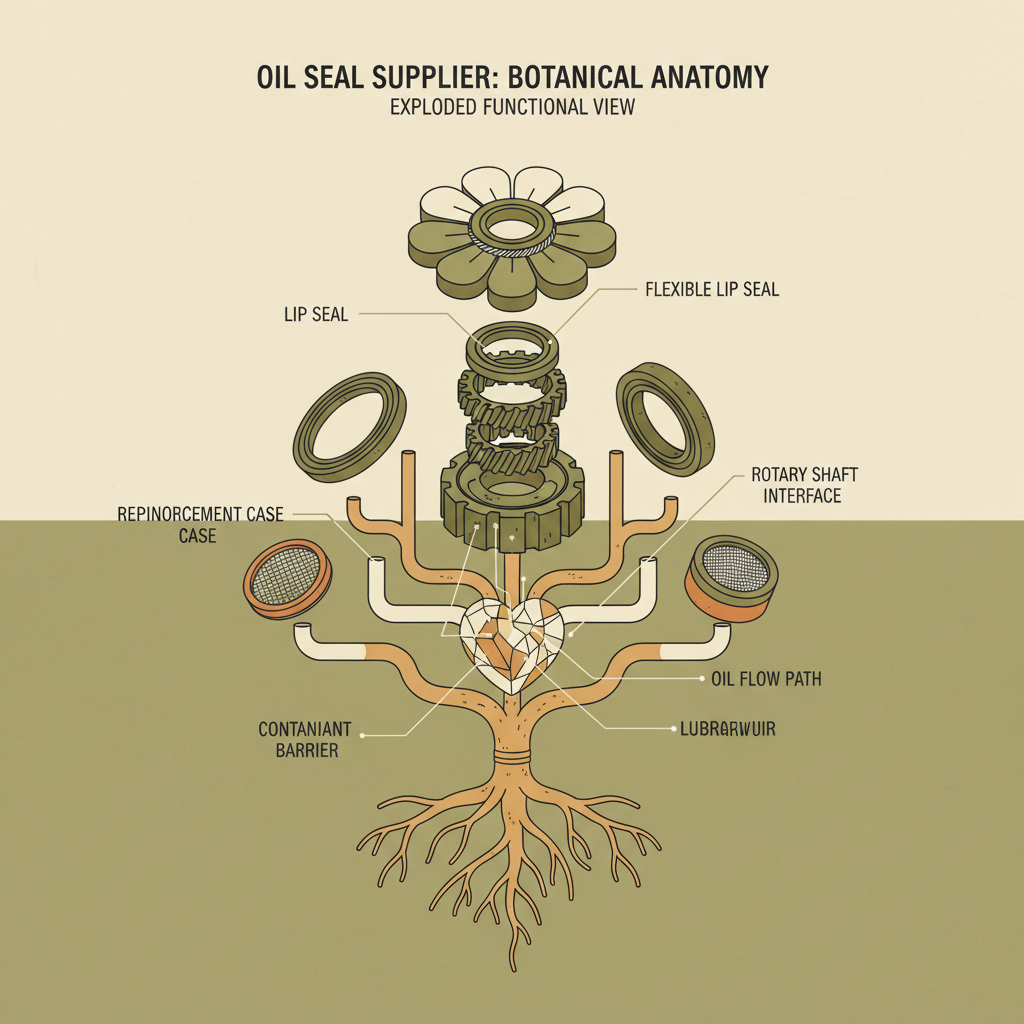
The efficacy of the 55 80 10 oil seal depends on several core components. The primary sealing lip is the most critical element, often reinforced with a garter spring to maintain radial tension. This spring ensures that even as the rubber wears down over time, the lip continues to exert pressure on the shaft to prevent oil from escaping.
Material durability is another pillar of the 55 80 10 oil seal's design. For applications involving high heat or aggressive chemicals, FKM (Fluorocarbon) is preferred over standard NBR. The choice of material directly impacts the seal's resistance to ozone, UV radiation, and chemical swelling, which are common causes of premature failure in industrial environments.
Lastly, the outer shell—often made of steel—provides the structural rigidity needed for a press-fit installation. This shell prevents the rubber from distorting during installation and ensures that the 55 80 10 oil seal remains concentric with the shaft, thereby minimizing friction and reducing the heat generated during high-speed rotations.
Global Applications and Use Cases
The versatility of the 55 80 10 oil seal allows it to be deployed across a staggering array of industries. In the construction sector, it is frequently found in Concrete Mixer Seals, where it must repel abrasive cement dust and keep lubricants inside the gearbox. In these harsh environments, a failure in the seal can lead to the rapid wear of gears, causing complete machine failure on a job site.
Furthermore, this specific size is often utilized in Wheel Hub Oil Seals for medium-duty transport vehicles and agricultural machinery. In remote industrial zones or rural farming areas, where maintenance facilities are scarce, the reliability of a high-quality 55 80 10 oil seal is the difference between a productive harvest and a costly logistical nightmare.
Performance Comparison of 55 80 10 Oil Seal Materials
Long-Term Value and Reliability
Investing in a premium 55 80 10 oil seal offers tangible long-term economic benefits. While cheaper alternatives may seem attractive, they often suffer from rapid compression set—where the rubber loses its "springiness"—leading to leaks within months. A high-grade seal extends the service life of the entire assembly, reducing the frequency of teardowns and the associated labor costs.
Beyond the financial metrics, there is an emotional and professional value in reliability. For an operator, knowing that the 55 80 10 oil seal is securely holding back high-pressure lubricants provides peace of mind and ensures workplace safety. Trust in the component prevents anxiety over sudden equipment failure, allowing engineers to focus on innovation rather than constant firefighting.
Future Trends in Sealing Technology
The future of the 55 80 10 oil seal is being shaped by the drive toward sustainability and "Green Industry." We are seeing a shift toward bio-based elastomers that offer the same chemical resistance as petroleum-based NBR but with a significantly lower carbon footprint. These eco-friendly materials are designed to be more biodegradable without compromising the critical sealing integrity of the machinery.
Digital transformation is also making its mark through the integration of "Smart Seals." While a standard 55 80 10 oil seal is passive, new research into embedded sensors allows seals to communicate their wear level to a central monitoring system. This transition from scheduled maintenance to condition-based maintenance means a seal is only replaced when it actually begins to fail, drastically reducing waste.
Additionally, automation in the manufacturing of these seals—using advanced injection molding and laser-cutting—is ensuring tighter tolerances than ever before. The 55 80 10 oil seal of tomorrow will be more precise, more sustainable, and capable of operating under even more extreme pressures, supporting the next generation of high-efficiency hydraulic and mechanical systems.
Overcoming Implementation Challenges
One of the most common challenges when installing a 55 80 10 oil seal is improper seating, which can lead to immediate leakage. This often happens when the seal is driven in at an angle or when the shaft is scratched during installation. To overcome this, professionals recommend using a dedicated seal driver tool and applying a thin layer of lubricant to the lip to prevent friction-induced burning during the initial start-up.
Another recurring issue is "chemical incompatibility," where the lubricant used in the machine reacts with the seal material, causing it to soften or crack. The solution is a rigorous audit of the lubricant's MSDS (Material Safety Data Sheet) to ensure it aligns with the material properties of the 55 80 10 oil seal, whether it be NBR or FKM.
Finally, environmental contamination remains a hurdle. Even the best 55 80 10 oil seal can fail if abrasive particles get trapped between the lip and the shaft. Implementing a secondary dust seal or a "slinger" can provide an extra layer of protection, effectively extending the life of the primary oil seal in dusty or muddy environments.
Comparison Analysis of 55 80 10 Oil Seal Implementation Scenarios
| Application Environment |
Recommended Material |
Critical Risk Factor |
Expected Lifespan |
| Concrete Mixer Gearbox |
Polyurethane (PU) |
Abrasive Dust |
Medium-High |
| High-Temp Engine Hub |
Viton (FKM) |
Thermal Degradation |
Very High |
| Standard Hydraulic Pump |
Nitrile (NBR) |
Pressure Spikes |
Medium |
| Agricultural Wheel Hub |
NBR / PU Blend |
Mud & Moisture |
Medium |
| Chemical Processing Unit |
FKM / PTFE |
Acid Corrosion |
High |
| Light Industrial Fan |
Standard NBR |
Dry Friction |
High |
FAQS
The numbers refer to the metric dimensions of the seal: 55mm is the inner diameter (fitting the shaft), 80mm is the outer diameter (fitting the housing), and 10mm is the width or thickness of the seal. These precise measurements are crucial to ensure a leak-proof fit without damaging the surrounding machinery during installation.
It depends on the operating temperature. NBR is cost-effective for general use but cannot withstand the high temperatures or aggressive chemicals that Viton (FKM) can. If your machinery operates above 100°C or handles caustic fluids, replacing Viton with NBR will lead to rapid seal degradation and premature failure.
The most obvious sign is visible oil leakage around the shaft. However, you should also look for "hardening" of the rubber (loss of elasticity) or an increase in noise/vibration from the bearing, which suggests that contaminants have bypassed the seal. Regular inspections during scheduled maintenance are highly recommended.
This is usually caused by "cocking" the seal—installing it at a slight angle rather than perfectly perpendicular to the shaft. It can also occur if the shaft has a burr or scratch that cuts the sealing lip during insertion. Always use a seal driver and inspect the shaft surface before installing a new seal.
While it is excellent for keeping oil in and dust out, for extreme high-pressure applications, you should ensure the seal has a reinforced metal case and a high-performance elastomer like Polyurethane. Always check the pressure rating of the specific seal grade you are purchasing to ensure it matches your system's peak PSI.
It is best to source seals from manufacturers who specialize in rubber and plastic products and adhere to ISO quality standards. Visiting professional suppliers like www.hkaiseal.com ensures that you receive a product with verified material compositions and precise tolerances, reducing the risk of downtime.
Conclusion
In summary, the 55 80 10 oil seal is a small but mighty component that serves as the first line of defense for industrial machinery. From its precise dimensions and material diversity to its critical role in sectors like construction and automotive hub maintenance, the quality of this seal directly correlates to the efficiency and safety of the equipment. By focusing on correct material selection and professional installation, companies can significantly extend the lifespan of their assets and reduce operational overhead.
Looking ahead, the integration of sustainable materials and smart monitoring will redefine how we perceive sealing solutions. As the industry moves toward zero-maintenance goals, the evolution of the 55 80 10 oil seal will be pivotal in supporting high-efficiency, eco-friendly machinery. We encourage maintenance managers to prioritize quality over initial cost to ensure long-term reliability and safety. For more information on high-performance sealing solutions, visit our website: www.hkaiseal.com.