In the demanding world of industrial machinery, the integrity of fluid containment is paramount to operational safety and efficiency. High pressure oil seals serve as the critical frontline defense, preventing lubricant leakage and protecting internal components from external contaminants under extreme stress. Without these precision-engineered components, hydraulic systems and rotating shafts would face rapid degradation, leading to costly downtime and systemic failures.
The global shift toward higher power densities in machinery has increased the reliance on specialized sealing solutions capable of withstanding significant atmospheric and operational loads. As industries push the limits of pressure and temperature, the engineering behind these seals has evolved from simple rubber rings to complex composite structures. This evolution ensures that critical infrastructure, from heavy construction equipment to precision manufacturing tools, can operate reliably in the most hostile environments.
Choosing the right high pressure oil seals is not merely a maintenance decision but a strategic investment in equipment longevity. By understanding the synergy between material science and mechanical design, operators can significantly reduce friction, eliminate leaks, and enhance the overall sustainability of their industrial processes.
Engineering Specifications of High Pressure Oil Seals
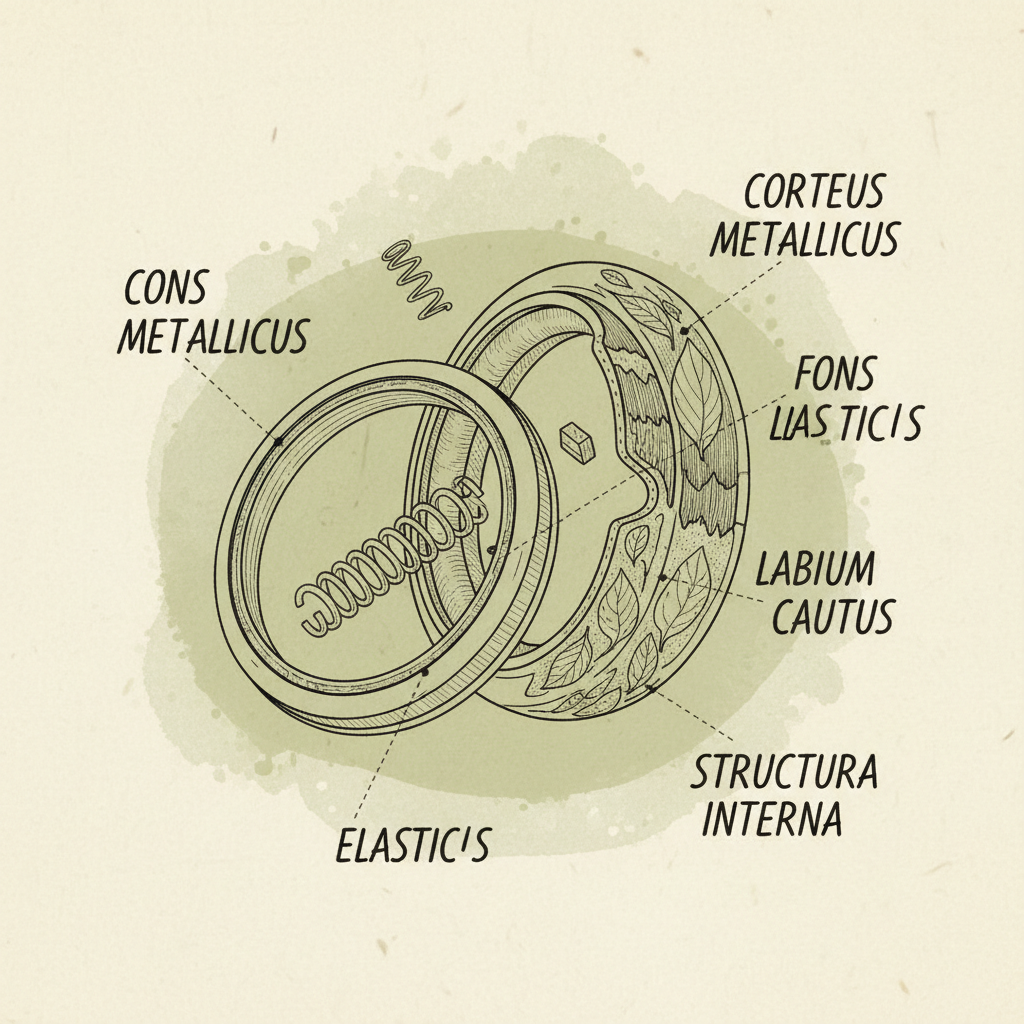
The TCV series of high pressure oil seals is engineered to address the rigorous demands of modern hydraulic and rotating systems. These seals are specifically designed with a metal ring reinforcement, which provides the necessary structural rigidity to prevent the elastomer from extruding under high-load conditions. This combination of a flexible rubber core and a rigid metal casing allows the seal to maintain a tight interface between the shaft and the housing, even when subjected to fluctuating pressures.
With a certified pressure resistance of up to 0.98MPa, these seals are categorized as high-performance components. They are available in a wide array of standardized and customized sizes, ranging from small 13x26x7 dimensions to large-scale 185x205x10/8.5 configurations. This versatility ensures that whether the application is a compact hydraulic actuator or a massive industrial gearbox, the sealing solution remains precise and effective.
Material Science in High-Pressure Sealing
The effectiveness of any sealing system depends heavily on the chemical composition of the materials used. For high-pressure environments, NBR (Nitrile Butadiene Rubber) is frequently utilized due to its excellent resistance to petroleum-based oils and fuels. NBR provides the necessary elasticity and wear resistance required for standard industrial applications where temperature ranges are moderate but mechanical stress is high.
For more extreme conditions, FKM/FPM (Fluoroelastomer) is the material of choice. FKM offers superior thermal stability and chemical resistance, making it indispensable for applications involving aggressive chemicals or high-temperature fluids. This material ensures that the seal does not harden or crack over time, maintaining a consistent seal regardless of the harshness of the operating medium.
The integration of a metal ring within the rubber structure is the defining characteristic of these high-pressure variants. By combining the chemical resilience of polymers with the mechanical strength of metal, the seal can withstand 0.98MPa of pressure without deformation. This hybrid approach prevents the "blow-out" effect common in purely elastomeric seals when internal pressures spike.
Understanding Pressure Resistance and TCV Design
The TCV design philosophy focuses on the optimization of the sealing lip and the reinforcement of the outer diameter. By utilizing high-quality high pressure oil seals, engineers can ensure that the contact pressure between the seal and the shaft is always higher than the fluid pressure being contained. This fundamental principle of sealing prevents the fluid from bypassing the lip.
A critical aspect of these high pressure oil seals is their ability to handle a rated pressure of 0.98MPa. This specific threshold allows them to be used in a variety of hydraulic systems where standard seals would fail. The Blue and Brown color coding often helps technicians quickly identify the material composition (NBR vs FKM) during maintenance cycles, reducing errors in part replacement.
Furthermore, the customization options for these seals allow for non-standard dimensions to meet specific OEM requirements. Whether it is a modification in the thickness or a specific inner diameter, the adaptability of the TCV series ensures that high pressure oil seals can be integrated into legacy machinery or cutting-edge new designs without compromising performance.
Performance Metrics Across Different Sizes
The performance of a seal is not solely dependent on its material but also on its geometry. Smaller seals, such as the 13x26x7, focus on high-precision sealing in compact spaces, whereas larger seals like the 140x160x12 are designed to manage larger volumes of fluid and higher rotational forces. The metal ring ensures that the seal maintains its circularity across all these size variations.
Analyzing the efficiency of different sealing configurations reveals that the ratio of the lip thickness to the shaft diameter plays a key role in longevity. In our high-pressure series, the balance between elasticity and rigidity is carefully calibrated to ensure a low coefficient of friction while maintaining a high pressure barrier.
Efficiency Ratings of TCV Sealing Configurations
Industrial Applications and Use Cases
High pressure oil seals are extensively utilized in the construction and mining sectors. For instance, in concrete mixer trucks, the rotating drums and hydraulic lifts are subjected to constant vibration and pressure spikes. The use of TCV seals prevents oil from leaking into the mixing chamber and keeps abrasive dust from entering the bearings, which is critical for maintaining the equipment's operational lifecycle in dusty environments.
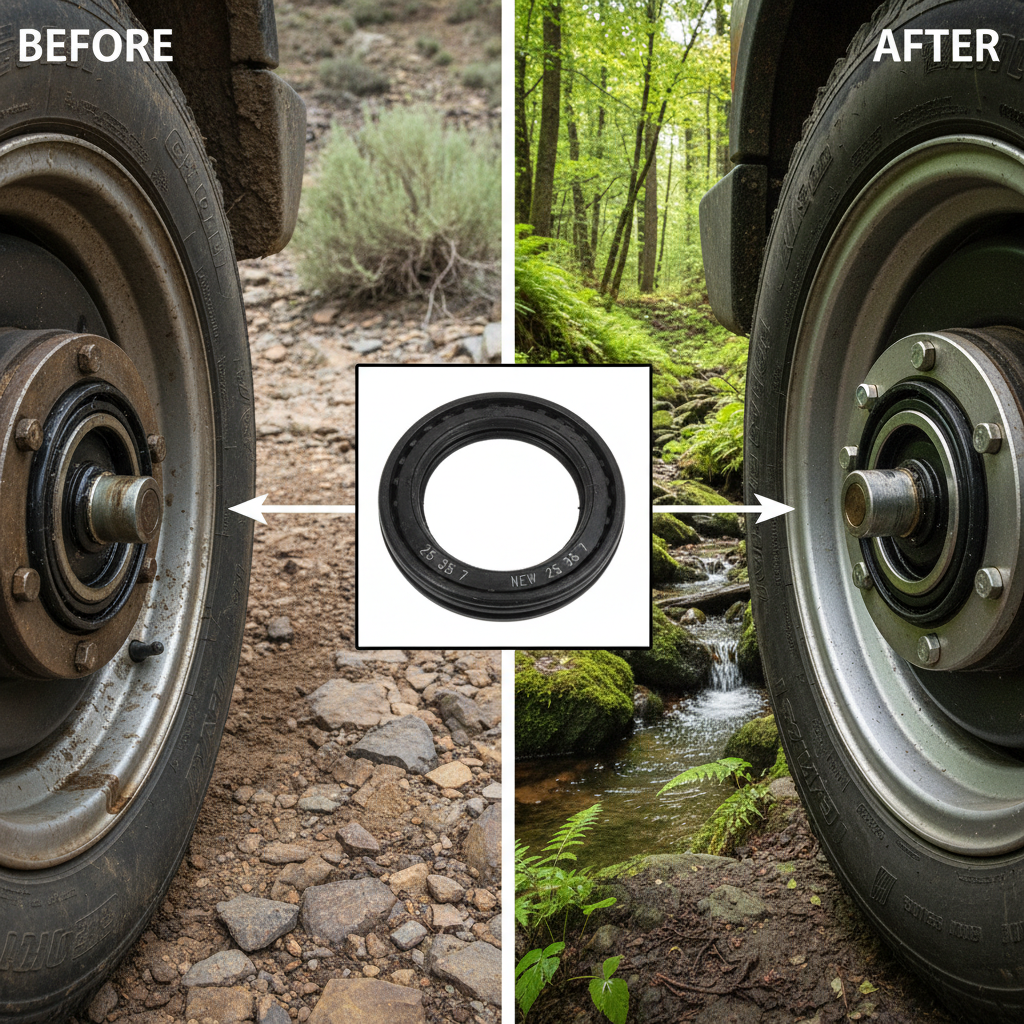
Beyond construction, these seals are vital in the automotive and heavy-duty transport industries. In wheel hub assemblies and transmission systems, the ability to withstand 0.98MPa ensures that lubrication remains contained even during high-speed rotation and heavy load bearing. This prevents catastrophic axle failure and ensures the safety of operators and the public on the road.
Long-Term Value and Operational Reliability
The long-term value of investing in premium high pressure oil seals is seen in the dramatic reduction of Total Cost of Ownership (TCO). While cheaper, low-pressure alternatives may seem cost-effective initially, their higher failure rate leads to frequent replacements and unplanned downtime. High-pressure TCV seals, by contrast, offer a longer service life and reduce the frequency of lubricant top-ups.
Reliability in sealing translates directly to safety. In high-pressure hydraulic systems, a seal failure can lead to high-velocity fluid injection injuries or environmental contamination. By utilizing materials like FKM and NBR reinforced with metal rings, companies ensure a level of safety and dignity for their workers, knowing that the equipment they operate is sealed to the highest industrial standards.
Moreover, the environmental impact of oil leaks is a growing concern for global regulatory bodies. Efficient sealing minimizes the risk of soil and water contamination. By implementing a rigorous sealing strategy with TCV components, industrial plants can move toward a "zero-leak" goal, aligning their operations with global sustainability trends and ISO environmental standards.
Future Innovations in Sealing Technology
The future of high pressure oil seals lies in the integration of "smart materials" and nano-coatings. Researchers are currently exploring the use of graphene-infused elastomers to further reduce friction and increase thermal conductivity. This would allow seals to dissipate heat more efficiently, further extending the life of the seal and the lubricant it protects.
Automation and digital transformation are also influencing the sealing industry. The shift toward predictive maintenance means that seals may eventually be paired with sensors that monitor wear and pressure in real-time. This would allow operators to replace a seal exactly when it reaches its wear limit, rather than relying on a fixed schedule, thereby optimizing maintenance costs.
Sustainability is another driving force, with a push toward bio-based elastomers that offer the same performance as NBR and FKM but with a lower carbon footprint. The goal is to maintain the 0.98MPa pressure resistance while utilizing renewable raw materials, ensuring that the heavy industry of tomorrow is both powerful and ecologically responsible.
Comparative Analysis of TCV Seal Materials and Performance
| Material Type |
Pressure Rating |
Temp Resistance |
Durability Score |
| NBR (Standard) |
0.98MPa |
-40°C to 120°C |
7/10 |
| FKM (High Temp) |
0.98MPa |
-20°C to 200°C |
9/10 |
| Custom Rubber Mix |
Variable |
Tailored |
8/10 |
| Metal Ring Reinforced |
0.98MPa |
Stable |
10/10 |
| NBR (Cold Weather) |
0.98MPa |
-50°C to 100°C |
7/10 |
| FKM (Chemical Grade) |
0.98MPa |
-20°C to 230°C |
9/10 |
FAQS
Our TCV series high pressure oil seals are specifically engineered to withstand a maximum pressure of 0.98MPa. This is achieved through the combination of high-grade elastomers (NBR or FKM) and a rigid metal ring that prevents the seal from extruding under load, ensuring a secure seal in high-pressure hydraulic applications.
The choice depends on your operating environment. NBR is ideal for standard petroleum-based oils and moderate temperatures. FKM (FPM) is recommended for high-temperature environments or when the seal is exposed to aggressive chemicals and fuels, as it offers superior thermal and chemical stability.
Yes, while we offer an extensive catalog of standard sizes (from 13x26x7 up to 185x205x10/8.5), we provide full customization services. You can specify the inner diameter, outer diameter, and thickness to meet your specific machinery requirements, provided the design maintains the necessary structural integrity for high-pressure use.
In high-pressure scenarios, rubber alone can deform or "squeeze" into the gaps between the shaft and housing (extrusion). The metal ring acts as a skeleton, providing the radial strength needed to keep the seal in place and maintaining a constant contact force on the shaft, which is essential for preventing leaks at 0.98MPa.
The Minimum Order Quantity (MOQ) for our high pressure oil seals is 20 pieces. This allows us to maintain strict quality control over the tooling and material curing process, ensuring that every seal delivered meets the exact specifications and pressure ratings required for your industrial application.
In our product line, the seals are typically colored Blue or Brown. These colors serve as a visual shorthand for technicians to distinguish between material types (such as NBR and FKM) without needing to refer to the packaging, though we always recommend checking the specific product data sheet for confirmation.
Conclusion
High pressure oil seals are indispensable components that bridge the gap between mechanical power and operational reliability. By integrating high-performance materials like NBR and FKM with structural metal reinforcements, the TCV series provides a robust solution for containing fluids up to 0.98MPa. From reducing maintenance costs and downtime to enhancing workplace safety and environmental protection, the strategic selection of the correct seal size and material is fundamental to the success of any heavy industrial operation.
As we look toward the future, the evolution of sealing technology will continue to emphasize sustainability and intelligence. For companies seeking to optimize their machinery's lifespan and efficiency, transitioning to precision-engineered, high-pressure sealing solutions is the most effective path forward. We invite you to explore our full range of sealing products to find the perfect fit for your technical requirements. Visit our website: www.hkaiseal.com