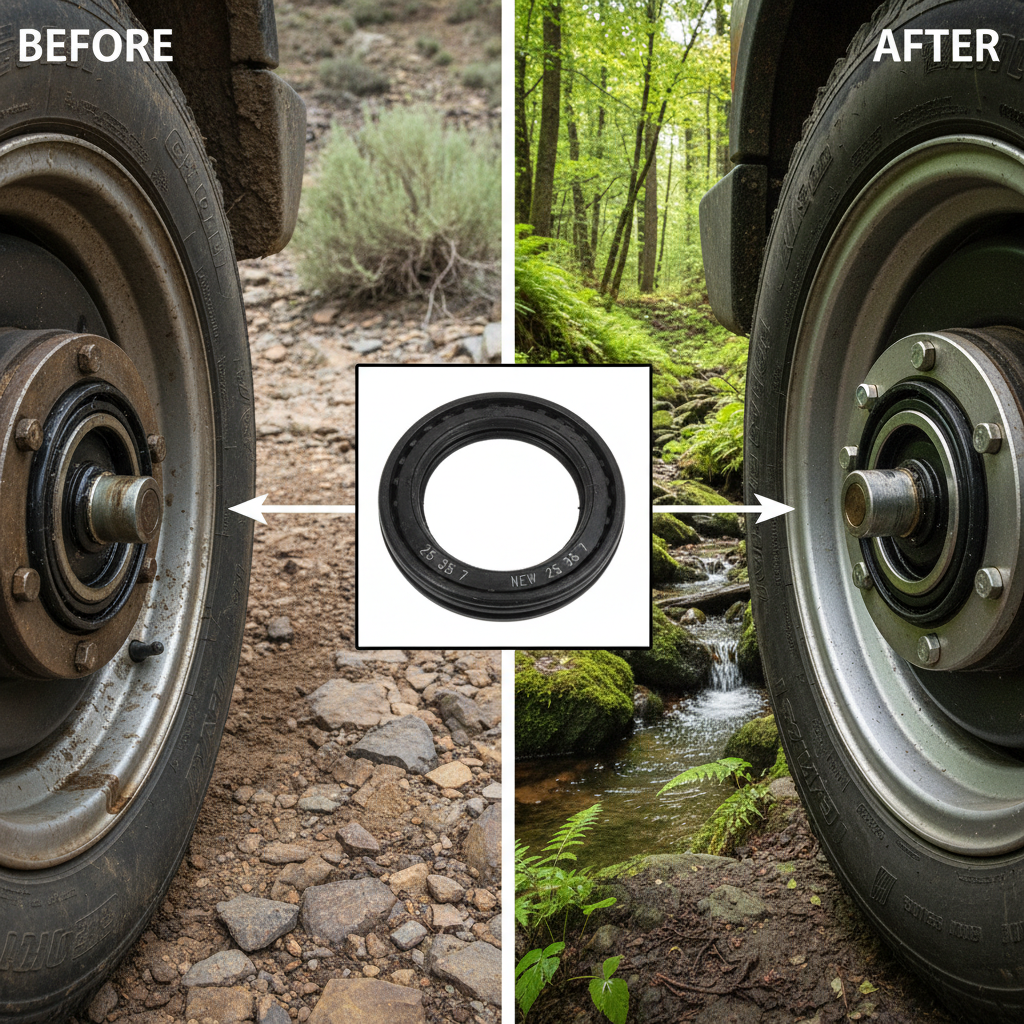
In the demanding world of industrial machinery, the integrity of lubrication systems is paramount to operational longevity. A high-quality wheel seal oil solution—specifically designed as a high-pressure TCV oil seal—serves as the critical barrier that prevents lubricant leakage while excluding contaminants from sensitive mechanical interfaces. Ensuring that oil stays where it belongs is not just a matter of maintenance, but a fundamental requirement for safety and efficiency in heavy-duty applications.
Globally, the move toward higher operational pressures and more extreme environments has placed unprecedented stress on sealing components. Whether in construction equipment or automotive axles, the failure of a seal can lead to catastrophic component wear, costly downtime, and environmental hazards due to oil spills. This is why selecting a seal with a proven pressure resistance of 0.98MPa is essential for maintaining the structural integrity of the hub assembly.
Understanding the synergy between material science, such as the use of NBR and FKM/FPM, and precise geometric specifications allows engineers to optimize the performance of their wheel seal oil systems. By focusing on high-pressure resistance and customized sizing, industries can significantly reduce the Total Cost of Ownership (TCO) and enhance the reliability of their mobile machinery in the most challenging terrains.
Material Composition and Durability of Wheel Seal Oil Systems
The durability of a wheel seal oil component is primarily dictated by its chemical composition. High-performance TCV oil seals utilize NBR (Nitrile Butadiene Rubber) for general oil resistance and FKM/FPM (Fluoroelastomer) for applications involving extreme temperatures and aggressive chemicals. The addition of a metal ring provides the necessary structural rigidity to prevent seal deformation under heavy loads, ensuring a consistent tight fit against the rotating shaft.
By combining these advanced elastomers with reinforced metal casings, the seals can withstand abrasive environments without premature degradation. This material synergy is critical for maintaining the lubrication boundary, as it prevents the ingress of dust and water while ensuring the internal oil remains contained, thereby extending the life of the bearings and gears within the wheel hub.
Pressure Resistance and Engineering Standards
One of the most critical parameters for any wheel seal oil solution is its ability to handle high-pressure environments. The High Pressure TCV Oil Seal is specifically engineered to resist pressures up to 0.98MPa. This level of resistance is vital for hydraulic-assisted systems and heavy-duty axles where pressure spikes can occur during sudden load shifts or extreme braking maneuvers.
Adhering to strict engineering standards ensures that the seal does not "blow out" or extrude under pressure. The precision manufacturing process used in Hebei ensures that each seal meets standard or customized specifications, allowing for a seamless fit into existing machinery. This consistency reduces the risk of installation errors, which are a leading cause of premature seal failure in industrial settings.
Furthermore, the integration of high-pressure resistance into the seal's design allows for more compact machinery layouts. Because the seal can reliably contain oil at higher pressures, engineers can design more efficient lubrication delivery systems without fearing the catastrophic failure of the sealing interface, thus optimizing the overall power-to-weight ratio of the vehicle.
The Role of TCV Design in Leakage Prevention
The TCV (Torsion Control Valve-style) design in wheel seal oil components is engineered to provide a dynamic seal that adapts to shaft oscillations. Unlike standard seals, the TCV profile optimizes the contact lip's pressure distribution, reducing friction and heat buildup while maintaining a vacuum-tight seal against the lubricant.
Integrating this specific geometry into the wheel seal oil system ensures that even under high-velocity rotation, the oil is effectively contained. The combination of the metal ring and the elastomer lip creates a multi-stage barrier that is far more effective than single-material seals, particularly when dealing with the 0.98MPa pressure threshold.
Ultimately, the TCV architecture minimizes the "breathing" effect of the seal, where oil is intermittently forced out during pressure cycles. This stability leads to longer intervals between maintenance checks and significantly reduces the consumption of lubricants, making the entire operation more cost-effective and environmentally friendly.
Comparative Performance of Sealing Materials
When evaluating the effectiveness of wheel seal oil components, it is essential to compare how different materials perform under specific stress indicators. NBR is the industry standard for oil resistance, whereas FKM is chosen for its superior thermal stability. The choice of material directly impacts the seal's lifespan and its ability to maintain a pressure of 0.98MPa without leaking.
The following analysis demonstrates how different material configurations for TCV seals score across key performance metrics, highlighting why a balanced approach to material selection is necessary for high-pressure wheel hubs.
Wheel Seal Oil Material Performance Analysis
Global Industrial Applications and Use Cases
The application of high-pressure TCV wheel seal oil components spans a wide array of global industries. In the construction sector, concrete mixer trucks rely on these seals to ensure that the heavy-duty wheel hubs can withstand the immense weight of the drum and the jarring movements of off-road sites. The 0.98MPa pressure resistance is crucial here to prevent lubricant loss during high-torque climbs.
Beyond construction, these seals are indispensable in mining and remote industrial zones. In environments where dust is pervasive and maintenance facilities are hundreds of miles away, the reliability of a metal-ring reinforced seal ensures that machinery keeps moving. By preventing contaminants from entering the hub, these seals protect the internal gears from abrasive wear, which is the primary cause of wheel failure in remote operations.
Long-term Value and Sustainability Benefits
Investing in premium wheel seal oil components offers significant long-term economic and environmental value. By reducing the frequency of oil leaks, companies can lower their overall lubricant consumption, which directly reduces the environmental footprint of their fleet. A seal that lasts twice as long as a standard rubber ring translates to half the waste and fewer disposal challenges for contaminated materials.
From an operational standpoint, the reliability of TCV seals enhances safety and trust. When operators know that their high-pressure seals are rated for 0.98MPa, they can operate machinery with confidence, reducing the risk of sudden mechanical failure that could lead to accidents. This reliability fosters a culture of safety and innovation, allowing firms to push the limits of their equipment's capacity.
Furthermore, the ability to order customized sizes means that older machinery can be retrofitted with modern sealing technology. This extends the lifecycle of existing assets, delaying the need for expensive capital expenditure on new vehicles and promoting a more sustainable "repair-over-replace" industrial philosophy.
Technical Specifications and Sizing Catalog
The effectiveness of a wheel seal oil system depends entirely on the precision of the fit. Even a millimeter of deviation in the inner diameter, outer diameter, or thickness can lead to immediate leakage or excessive friction. That is why the TCV oil seal catalog provides a comprehensive range of standard sizes, from small 13x26x7 components to large-scale 185x205x10/8.5 seals.
Customization remains a core strength of the manufacturing process in Hebei. For specialized machinery that does not follow standard ISO metrics, customized dimensions can be produced to ensure the 0.98MPa pressure resistance is maintained regardless of the seal's size. This flexibility is essential for maintaining the operational integrity of bespoke industrial equipment.
To better understand how these specifications translate to real-world performance, the table below summarizes the core technical attributes across different size ranges and material choices.
Technical Analysis of TCV Wheel Seal Oil Specifications
|
Size Range
|
Material Choice
|
Pressure Rating
|
Primary Application
|
| Small (13-30mm ID) |
NBR / Metal Ring |
0.98MPa |
Light Machinery |
| Medium (30-60mm ID) |
FKM / Metal Ring |
0.98MPa |
Industrial Gearboxes |
| Large (60-100mm ID) |
NBR / Metal Ring |
0.98MPa |
Wheel Hubs / Axles |
| X-Large (100mm+ ID) |
FKM / Metal Ring |
0.98MPa |
Heavy Concrete Mixers |
| Customized |
Special Compound |
Variable |
Bespoke Equipment |
| Standard Kit |
NBR / FKM Mix |
0.98MPa |
General Maintenance |
FAQS
Our High Pressure TCV Oil Seals are specifically engineered to handle a pressure resistance of up to 0.98MPa. This makes them ideal for high-stress industrial applications where standard seals would typically fail or leak under pressure spikes.
NBR is excellent for general oil resistance and is highly cost-effective for standard operations. FKM (FPM) is recommended for extreme temperatures and environments with aggressive chemical exposure. Both are available with metal rings to ensure structural stability under high pressure.
Yes, we offer both standard and customized sizes. While our catalog lists over 120 standard dimensions, we can manufacture seals to your exact specifications to ensure a perfect fit and maintain the required 0.98MPa pressure resistance.
The metal ring provides critical reinforcement, preventing the elastomer from distorting or extruding when subjected to high pressures (up to 0.98MPa). It ensures the seal remains seated correctly in the housing, which is vital for long-term leak prevention.
The TCV design optimizes the contact lip's pressure distribution, which reduces friction and heat generation. This minimizes wear on both the seal and the shaft, significantly extending the service interval compared to traditional oil seals.
Common signs include visible oil weeping around the wheel hub, a drop in lubricant levels, and an increase in noise or heat coming from the bearings. If these occur, it is advisable to replace the seal to prevent catastrophic hub failure.
Conclusion
Maintaining the integrity of a wheel seal oil system is a cornerstone of industrial reliability. By leveraging High Pressure TCV Oil Seals with a 0.98MPa rating and advanced materials like NBR and FKM, operators can ensure that their machinery performs at peak efficiency while minimizing lubricant loss and environmental impact. The synergy of precision sizing and metal-ring reinforcement provides a robust defense against the harshest operating conditions.
As industrial demands evolve toward higher loads and more sustainable practices, the transition to high-performance, customized sealing solutions becomes a strategic advantage. We recommend regular audits of sealing components to prevent unplanned downtime and the adoption of TCV technology to extend equipment life. For high-quality, pressure-resistant sealing solutions, visit our website: www.hkaiseal.com.