In the demanding landscape of industrial machinery, the integrity of fluid containment is paramount to operational efficiency. High pressure rotary shaft seals serve as the critical line of defense, preventing lubricant leakage and protecting internal components from external contaminants in high-stress environments. Whether in heavy-duty hydraulic systems or precision manufacturing equipment, these components ensure that machinery operates at peak performance without costly downtime.
The global demand for robust sealing solutions has surged as industries push the boundaries of pressure and temperature thresholds. From the construction sector to automotive engineering, the reliance on high-performance elastomers and reinforced structures is evident. Selecting the right seal is no longer just about fit; it is about ensuring the longevity of the entire mechanical assembly under rigorous cyclic loading.
For professionals seeking reliable containment, utilizing high pressure rotary shaft seals provides the necessary security to handle pressures up to 0.98MPa. By integrating advanced materials like NBR and FKM, these seals bridge the gap between standard oil seals and the extreme requirements of modern high-pressure hydraulics.
Material Science in High Pressure Sealing
The efficacy of high pressure rotary shaft seals depends heavily on the elastomer used. Nitrile Butadiene Rubber (NBR) is frequently utilized for its excellent oil resistance and mechanical strength in standard temperature ranges. For more aggressive environments involving high heat or chemical exposure, Fluorocarbon (FKM/FPM) is the preferred choice, offering superior thermal stability and chemical inertness.
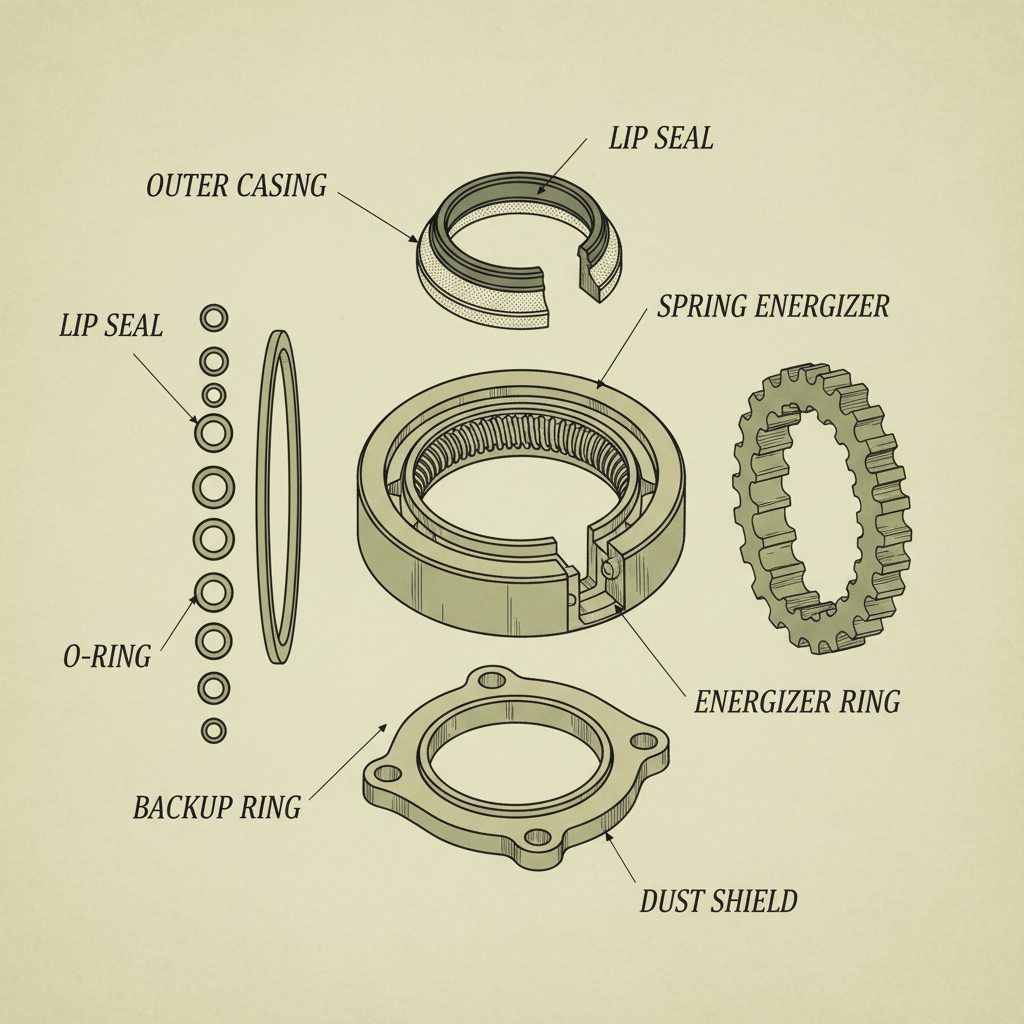
To further enhance structural integrity, these seals incorporate a metal ring. This reinforcement prevents the elastomer from extruding under high-pressure loads, ensuring the seal maintains its geometry and contact pressure against the rotating shaft. This synergy of rubber and metal allows the seal to withstand the rigorous demands of industrial hydraulic systems.
Engineering Specifications and Pressure Resistance
Precision engineering is the cornerstone of high pressure rotary shaft seals. The primary objective is to create a seal that can maintain a leak-proof barrier while minimizing friction. A critical specification for these units is the pressure resistance, with high-quality TCV seals capable of handling up to 0.98MPa. This threshold allows them to be used in systems where standard seals would fail due to deformation.
Beyond pressure, the interaction between the seal lip and the shaft surface is vital. The material hardness must be perfectly balanced; too hard, and the seal will wear down the shaft; too soft, and it will leak under pressure. This is why standard and customized sizes are available, ensuring the seal fits the specific tolerances of the machinery.
Color coding, such as blue or brown, often helps technicians identify the material composition (NBR vs. FKM) at a glance. This prevents installation errors and ensures that the chemical compatibility of the seal matches the fluid being contained, which is essential for preventing premature failure in the field.
Understanding the TCV Oil Seal Design
The TCV design is specifically engineered to address the shortcomings of traditional seals in high-load scenarios. By utilizing a reinforced structure, high pressure rotary shaft seals of this type can effectively distribute the radial load across the sealing lip.
One of the distinguishing features of the TCV series is its ability to maintain a consistent seal even during shaft deflection. Because high pressure rotary shaft seals incorporate a rigid metal support, they resist the "ballooning" effect that typically occurs when internal pressure forces the rubber outward.
Furthermore, the integration of a dust-shielding capability in many TCV configurations prevents abrasive particles from entering the seal interface. This dual-action approach ensures that high pressure rotary shaft seals provide long-term reliability in dusty industrial environments.
Comparative Performance Analysis
When comparing different sealing technologies, the TCV high pressure rotary shaft seals stand out for their balance of cost and performance. While mechanical seals may offer higher pressure limits, they are often prohibitively expensive and complex to install. TCV seals provide a streamlined, cost-effective alternative for pressures up to 0.98MPa.
The performance variance is most notable when comparing NBR and FKM versions. NBR is highly efficient for general oil applications, whereas FKM excels in extreme temperature fluctuations. This versatility allows operators to select the specific grade of high pressure rotary shaft seals that matches their operational environment.
Material Performance Ratings for High Pressure Sealing
Global Industrial Applications
Across the globe, high pressure rotary shaft seals are indispensable in the construction machinery sector. Concrete mixers and hydraulic excavators rely on these seals to prevent hydraulic fluid from leaking under the immense pressure required to move heavy loads. In these applications, the durability of the seal directly impacts the machine's uptime.
Beyond construction, the automotive and aerospace industries utilize similar high-pressure sealing logic for transmission systems and actuators. In remote industrial zones, where maintenance access is limited, the use of high-grade FKM seals ensures that machinery can operate for extended periods without the need for frequent replacements.
Maintenance and Longevity Strategies
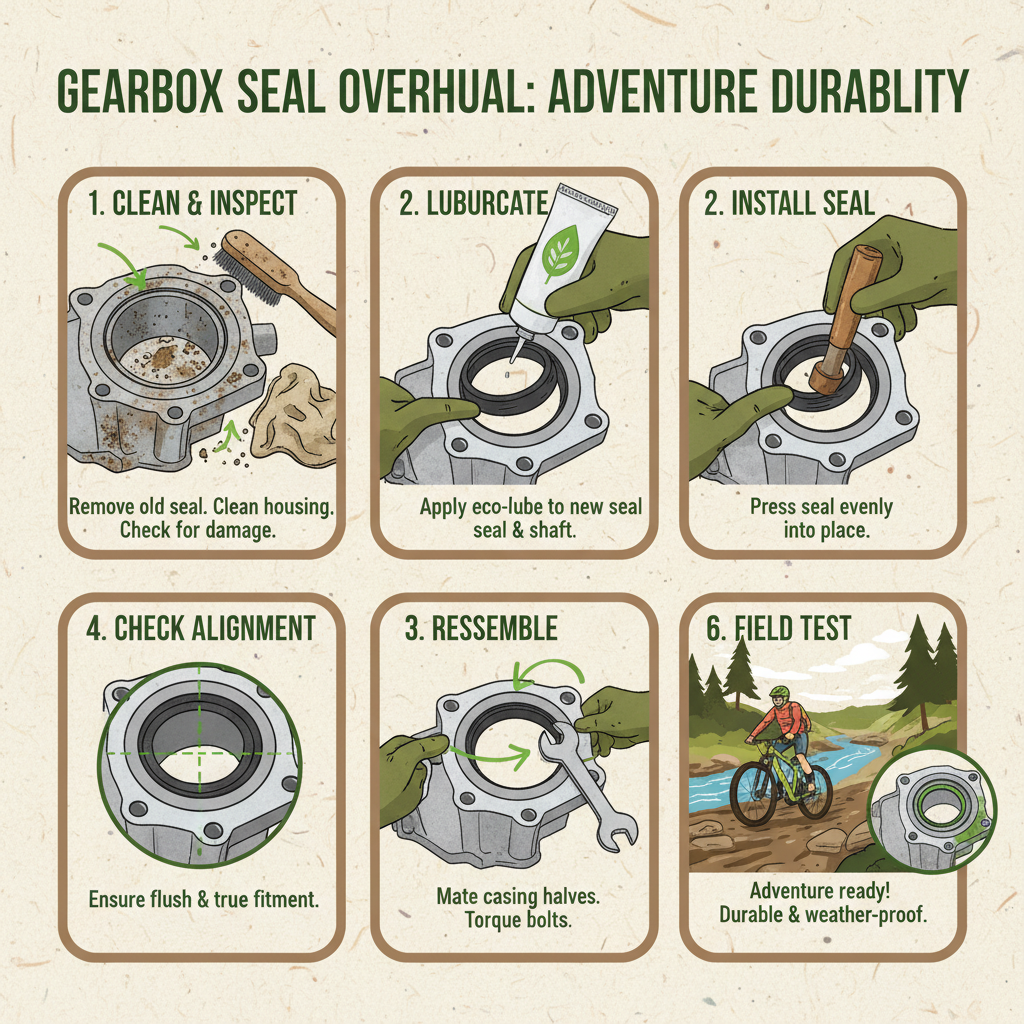
To maximize the lifespan of high pressure rotary shaft seals, proper installation is critical. Using a press-fit method with a dedicated installation tool prevents the seal lip from being nicked or folded during assembly. A damaged lip, even if microscopic, can lead to immediate failure once the system reaches its 0.98MPa operating pressure.
Regular lubrication is another key factor. While these seals are designed to contain oil, ensuring that the shaft surface remains lubricated reduces frictional heat. Excess heat can cause the elastomer to harden and crack, a process known as thermal degradation, which eventually compromises the seal's elasticity.
Finally, implementing a predictive maintenance schedule based on operating hours is more effective than waiting for a visible leak. By replacing high pressure rotary shaft seals at scheduled intervals, companies can avoid the catastrophic failure of expensive hydraulic pumps and gearboxes.
Technical Sizing and Customization
The variety of available sizes for high pressure rotary shaft seals is extensive, catering to virtually any shaft diameter. From small 13x26x7mm seals for precision instruments to massive 185x205x10mm seals for heavy industrial rollers, the catalog covers a wide spectrum of needs. This ensures that engineers can find a standard fit for most common machinery.
However, standard sizes are not always sufficient for specialized equipment. Customization allows for the adjustment of the seal's width or the selection of specific rubber compounds to match unique chemical environments. Whether it is a non-standard outer diameter or a specific metal ring reinforcement, customized seals provide a tailored solution.
The importance of precise measurements cannot be overstated. Even a deviation of 0.1mm in the shaft or housing bore can lead to an improper fit, resulting in either an over-tightened seal that creates excessive friction or a loose seal that fails to hold pressure.
Core Technical Specifications for TCV High Pressure Seals
| Material Type |
Pressure Limit |
Primary Application |
Durability Score |
| NBR (Nitrile) |
0.98 MPa |
General Hydraulic Oil |
7/10 |
| FKM/FPM (Viton) |
0.98 MPa |
High Temp/Chemical |
9/10 |
| Rubber + Metal Ring |
0.98 MPa |
Rotary Shafts |
10/10 |
| Custom Blend |
Variable |
Specialty Machinery |
8/10 |
| Standard TCV |
0.98 MPa |
Concrete Mixer Seals |
8/10 |
| Reinforced TCV |
0.98 MPa |
Heavy Duty Pumps |
9/10 |
FAQS
The TCV high pressure oil seals are specifically designed to handle pressure resistance up to 0.98MPa. This makes them significantly more robust than standard oil seals, allowing them to be used in high-pressure hydraulic systems without risk of extrusion or failure.
The choice depends on your environment. NBR is excellent for general oil resistance and is cost-effective for standard temperatures. FKM (FPM) is recommended for high-temperature applications or where the seal will be exposed to aggressive chemicals, as it offers superior thermal and chemical stability.
Yes, while we provide a comprehensive catalog of standard sizes (from 13mm to 185mm inner diameters), customized sizes are available. We can manufacture seals to your exact specifications to ensure a perfect fit for unique machinery requirements.
The metal ring provides structural reinforcement. Under high pressure, rubber tends to deform or "flow" into the gaps of the assembly. The metal ring acts as a rigid backbone, maintaining the seal's shape and ensuring the lip stays firmly against the shaft.
Replacement intervals vary by application, but a predictive maintenance schedule is advised. Factors such as shaft wear, fluid contamination, and temperature cycles affect lifespan. We recommend inspecting seals every 2,000 to 5,000 operating hours depending on the severity of the environment.
Absolutely. High pressure rotary shaft seals are frequently used in concrete mixers and similar heavy equipment where they must prevent oil leaks while resisting the ingress of abrasive dust and cement particles.
Conclusion
High pressure rotary shaft seals are indispensable components that ensure the operational reliability of modern industrial machinery. By combining high-grade elastomers like NBR and FKM with rigid metal reinforcement, these seals successfully manage pressures up to 0.98MPa, effectively preventing leaks and protecting critical internal components. From the selection of the correct material to the precision of the fit, every detail contributes to the overall efficiency and safety of the hydraulic or mechanical system.
As industrial demands evolve toward higher speeds and more extreme pressures, the importance of choosing a specialized sealing solution becomes even more critical. Investing in high-quality, precisely engineered seals not only reduces maintenance costs but also enhances the lifespan of the entire equipment fleet. For those looking to optimize their machinery, visiting our website at www.hkaiseal.com is the first step toward finding the perfect sealing solution.