
Feb . 28, 2026 02:05 Back to list
Comprehensive Guide to Hydraulic Dust Seals for Optimal System Performance
Understanding Hydraulic Dust Seals: A Comprehensive Guide
Hydraulic systems are vital across countless industries, powering everything from heavy machinery to precision instruments. A critical component ensuring their efficient and reliable operation is the hydraulic dust seal. These seals prevent contaminants like dust, dirt, and debris from entering the hydraulic cylinder, protecting the internal components and maintaining pressure. This article will delve into the function, types, materials, and proper selection of hydraulic dust seals, providing a thorough overview for engineers, maintenance professionals, and anyone working with hydraulic systems. A well-chosen seal is paramount to extending the lifespan and optimizing the performance of your equipment.

The Function of a Hydraulic Dust Seal
The primary function of a hydraulic dust seal is to exclude contaminants from the hydraulic cylinder's exterior. Unlike rod seals or piston seals, which focus on containing hydraulic fluid, dust seals are specifically designed to prevent ingress of abrasive particles that can cause wear and damage to the internal components. These contaminants can score the cylinder walls, damage the piston, and compromise the overall sealing performance of the system. A properly functioning dust seal contributes significantly to reduced downtime, lower maintenance costs, and extended equipment life. Dust seals typically work in conjunction with other seals within the hydraulic system for comprehensive protection.
Key Benefit: Preventing contaminant entry protects the system from damage, increasing lifespan and reducing maintenance costs.
Types of Hydraulic Dust Seals
Several types of hydraulic dust seals are available, each suited for different applications and operating conditions. Common types include:
- Lip Seals: These are the most common type, featuring a flexible lip that presses against the cylinder wall to create a barrier.
- Wiper Seals: Designed to effectively remove contaminants from the rod surface as it extends and retracts.
- U-Cup Seals: Often used in tandem with other seals, providing a secondary layer of protection.
- Square Ring Seals: Simple and cost-effective, suitable for less demanding applications.
The selection of the appropriate dust seal type depends on factors such as the operating speed, pressure, temperature, and the level of contamination expected.
Seal Type Considerations:
• Lip Seals: Versatile, suitable for general-purpose applications.
• Wiper Seals: Ideal for applications with high rod speeds and significant contamination.
• U-Cup Seals: Offer enhanced sealing performance in challenging environments.
Hydraulic Dust Seal Materials: Choosing the Right Compound
The material of a hydraulic dust seal is critical to its performance and longevity. Common materials include:
- Nitrile Rubber (NBR): Excellent resistance to oil and hydraulic fluids, a cost-effective general-purpose material.
- Viton (FKM): Superior resistance to high temperatures, aggressive chemicals, and harsh environments.
- Polyurethane (PU): High abrasion resistance and excellent load-bearing capacity, ideal for high-pressure applications.
- Silicone Rubber (VMQ): Good temperature resistance and flexibility, suitable for low-temperature applications.
Selecting the right material requires careful consideration of the operating temperature, fluid compatibility, and expected wear conditions. HKAISEAL offers a wide range of dust seals crafted from various materials to meet diverse requirements.
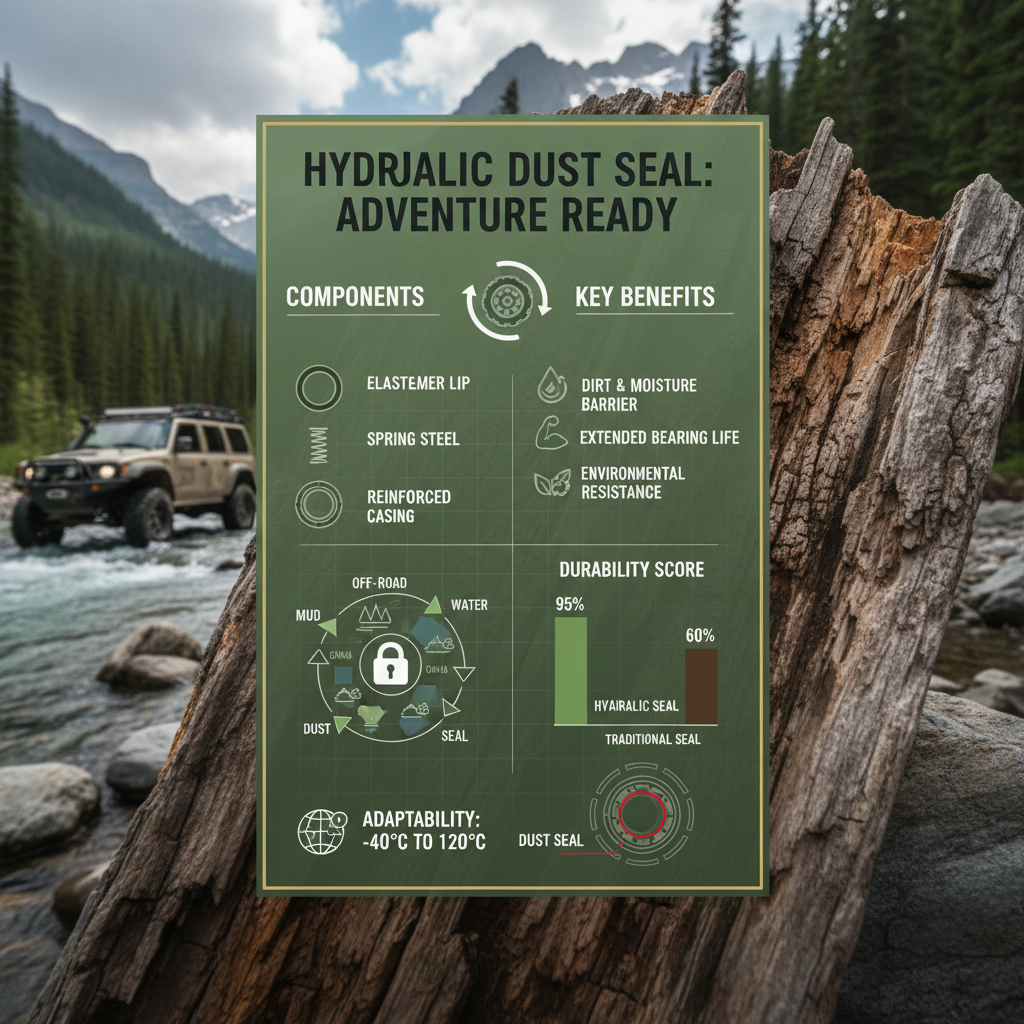
Comparing Dust Seal Materials for Hydraulic Applications
Choosing the correct material for your hydraulic dust seal is vital for optimal performance and longevity. Here’s a comparison of common materials:
Proper Installation and Maintenance of Dust Seals
Correct installation is crucial for ensuring optimal dust seal performance. Cleanliness is paramount – ensure all surfaces are free of dirt and debris before installation. Use appropriate tools to avoid damaging the seal. Regular inspection and replacement of dust seals are also vital. Look for signs of wear, cracks, or deformation. Following a preventive maintenance schedule will help maximize the lifespan of your hydraulic system and minimize costly repairs. For specific installation instructions, refer to the manufacturer’s guidelines and consider seeking professional assistance.
Conclusion: Protecting Your Hydraulic Investment
Investing in high-quality hydraulic dust seals and adhering to proper installation and maintenance procedures are essential for ensuring the reliability and longevity of your hydraulic systems. By understanding the different types, materials, and best practices outlined in this article, you can effectively protect your equipment and minimize costly downtime. Contact HKAISEAL today for all your hydraulic sealing needs.
Frequently Asked Questions (FAQs)
What is the lifespan of a typical hydraulic dust seal?
The lifespan of a hydraulic dust seal varies depending on several factors, including the operating environment, the type of contamination present, the material of the seal, and the frequency of use. Generally, a dust seal should be inspected annually and replaced every 2-5 years. However, in harsh environments or with frequent exposure to abrasive particles, more frequent replacement may be necessary. Signs of wear, such as cracks, cuts, or loss of elasticity, indicate the need for replacement.
How do I identify the correct size dust seal for my hydraulic cylinder?
Identifying the correct size dust seal requires accurate measurements of the cylinder bore, rod diameter, and seal groove dimensions. Consult the cylinder manufacturer's documentation or use a precision measuring tool to obtain these measurements. It's crucial to specify the correct dimensions when ordering a replacement seal to ensure a proper fit and effective sealing performance. If you are unsure, consider consulting with a sealing specialist.
Can a failing dust seal affect other components in the hydraulic system?
Yes, a failing dust seal can have a cascading effect on other components in the hydraulic system. If contaminants enter the cylinder, they can damage the piston, rod, and other seals, leading to leaks, reduced performance, and premature failure. This can also contaminate the hydraulic fluid, causing damage to pumps, valves, and other critical components. Addressing a failing dust seal promptly is essential to prevent further damage and costly repairs.
What are the benefits of using a wiper seal in conjunction with a dust seal?
Using a wiper seal in conjunction with a dust seal provides enhanced protection against contamination. The wiper seal effectively removes dirt, debris, and moisture from the rod surface as it retracts into the cylinder, preventing these contaminants from bypassing the dust seal. This combination offers a more robust sealing solution, particularly in harsh environments with high levels of contamination.
-
Premium Hydraulic Cylinder Packing Kits for Peak Performance
NewsApr.09,2026
-
Comprehensive Guide to Hydraulic Cylinder Oil Seal Kits for Optimal Performance
NewsApr.07,2026
-
Comprehensive Guide to Choosing the Right Cylinder Seal Kits for Peak Performance
NewsApr.04,2026
-
Comprehensive Guide to Seal Kits for Cylinders Ensuring Optimal Performance
NewsMar.31,2026
-
Comprehensive Guide to Hyd Cylinder Seals for Optimal Hydraulic System Performance
NewsMar.28,2026
-
Comprehensive Guide to Hyd Cylinder Seal Kit Selection and Installation
NewsMar.26,2026
-
Comprehensive Guide to Hydraulic Cylinder Seal Kits for Optimal Performance
NewsMar.24,2026
Products categories
-
Standard oil seal BP0494 High pressure TCN oil seal
-
Hydraulic pump seal AP4624G high pressure TCN oil seal
-
0734307418 0750112169 120*165*10/14.8 concrete mixer reducer oil seal
-
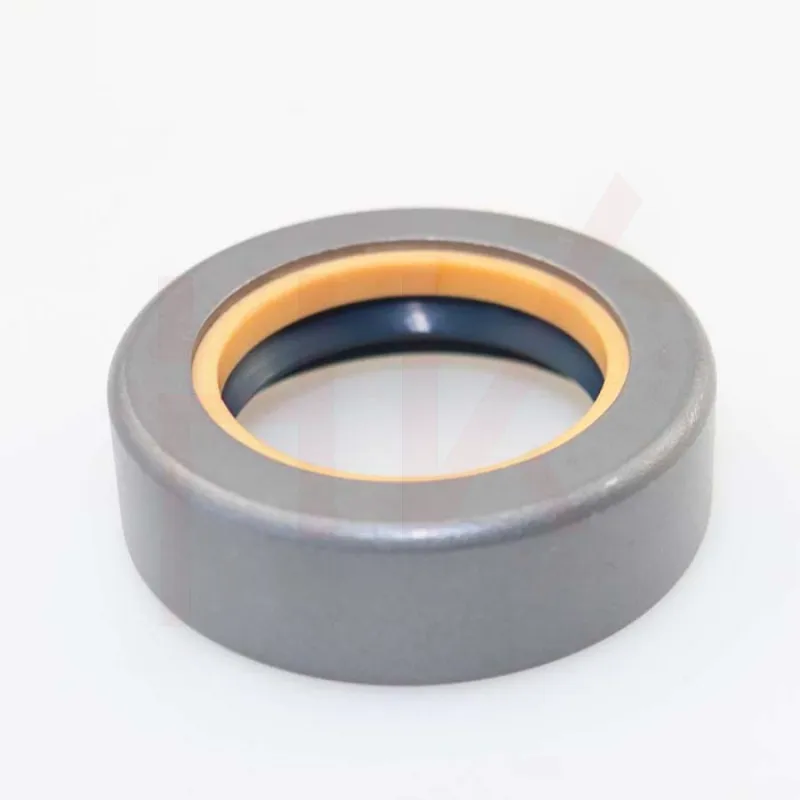
35*52*16 Standard Wheel Hub Oil Seal For Agricultural Machinery
-
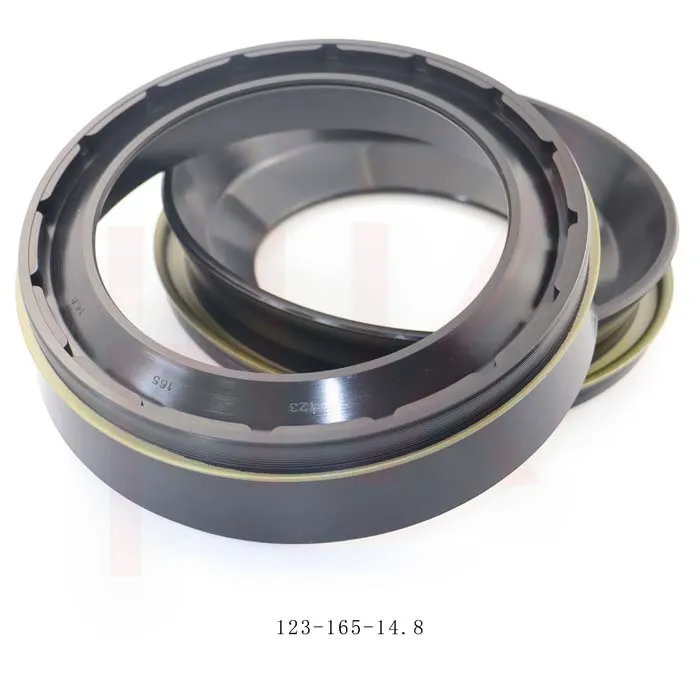
123*165*14.8 concrete mixer truck reducer oil seal
-
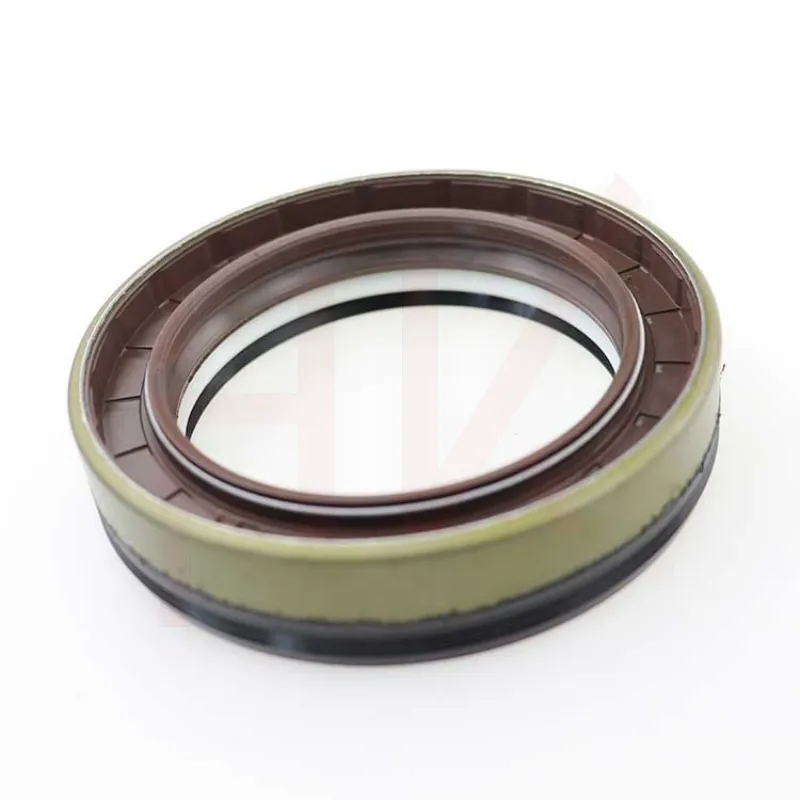
Tractor shaft oil seal 65-90-20 COMBI SF19 hub oil seal
-
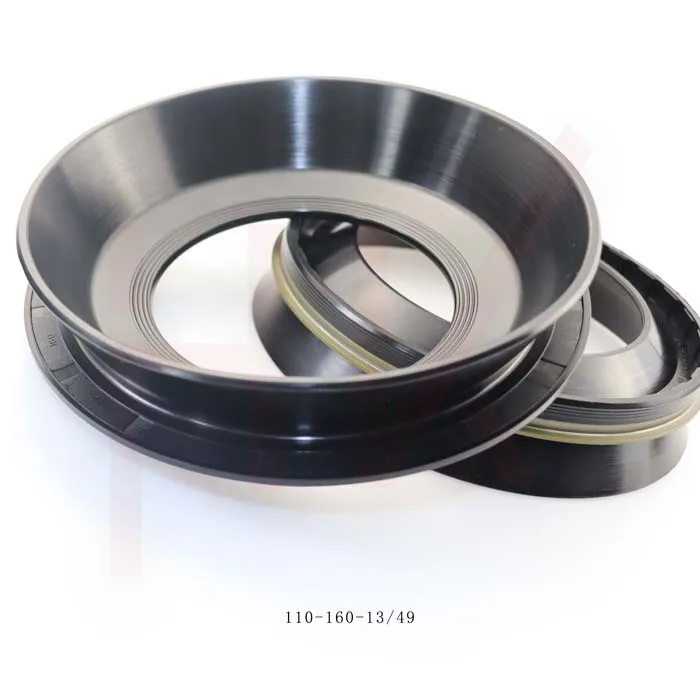
110*160*13/49 NBR reducerConcrete mixer truck oil seal
-
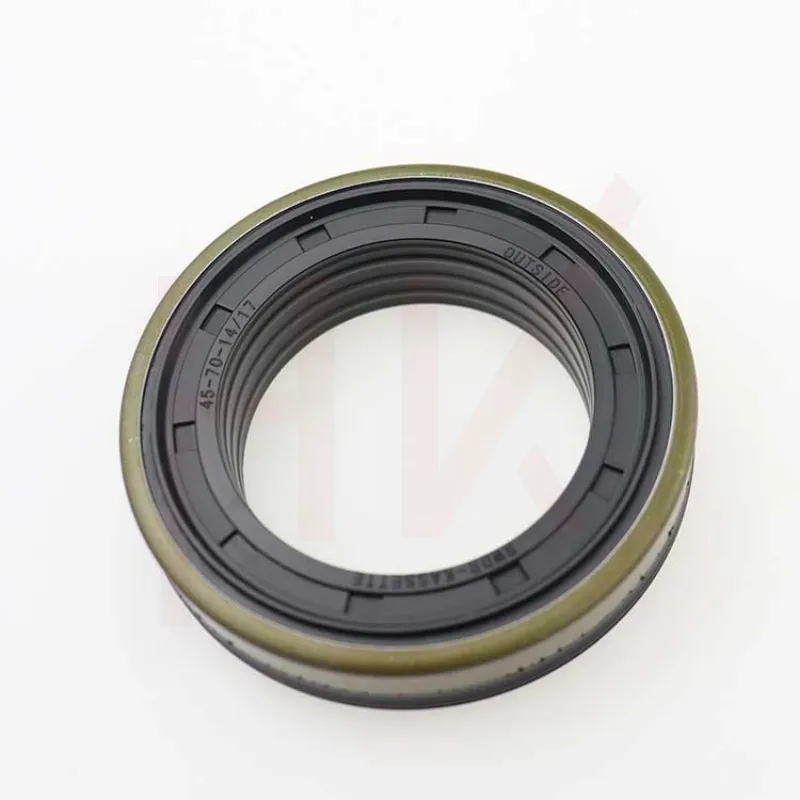
Hub oil seal 40*65*13/14.5 suitable for tractor Cat 12018035b
-
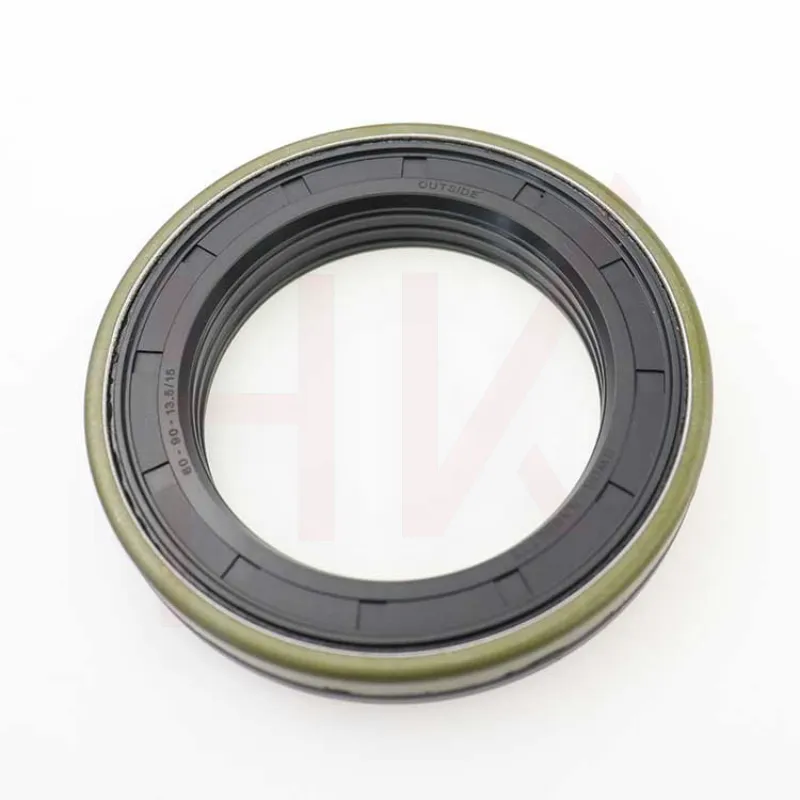
Tractor accessories cassette oil seal hub oil seal 60-90-13.5/15
-
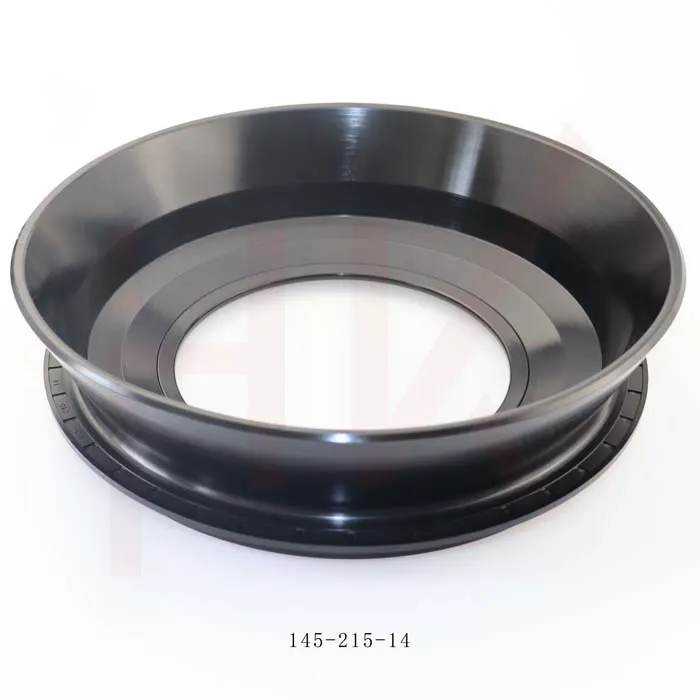
Factory concrete mixer truck oil seal 145*215*14 reducer gearbox oil seal
-
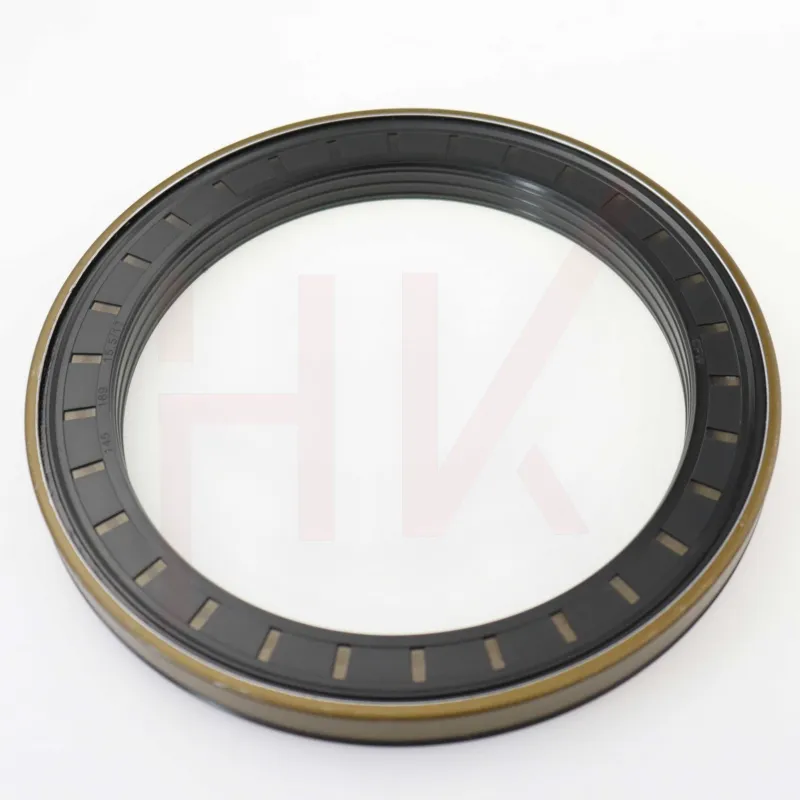
145*189*15.5/17 Cassette Seal NBR Hub Oil Seal 1508044
-
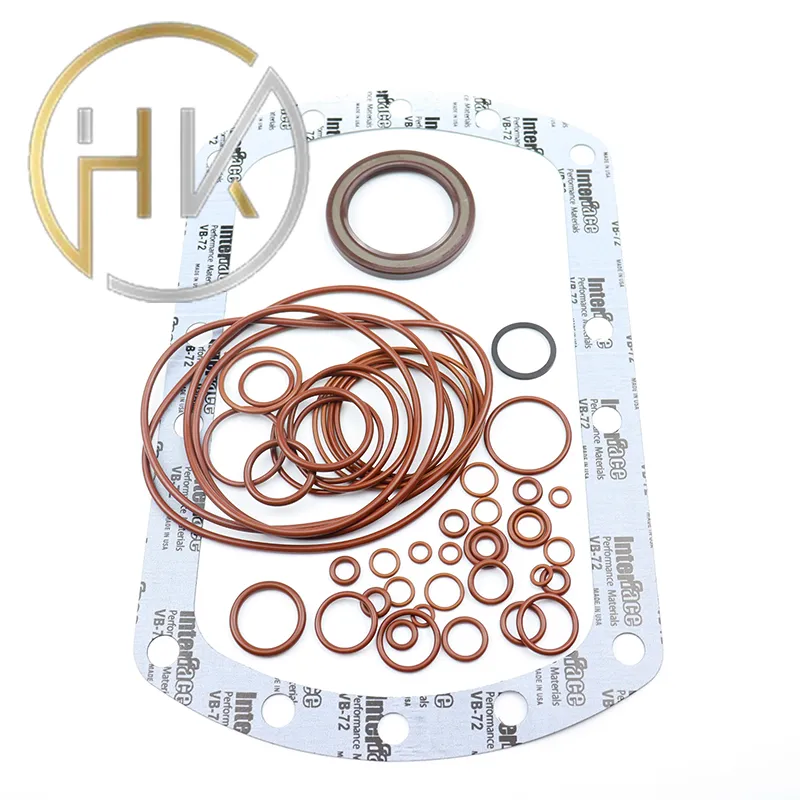
Factory direct sales hydraulic pump motor seal kit A8VO140
-
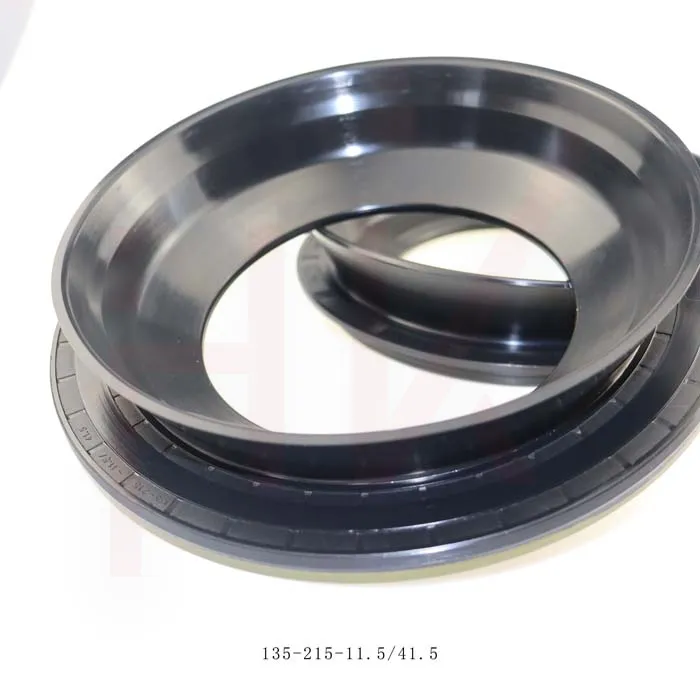
Brand new cement tanker oil seal 135*215*11.5/41.5 concrete mixer oil seal
-
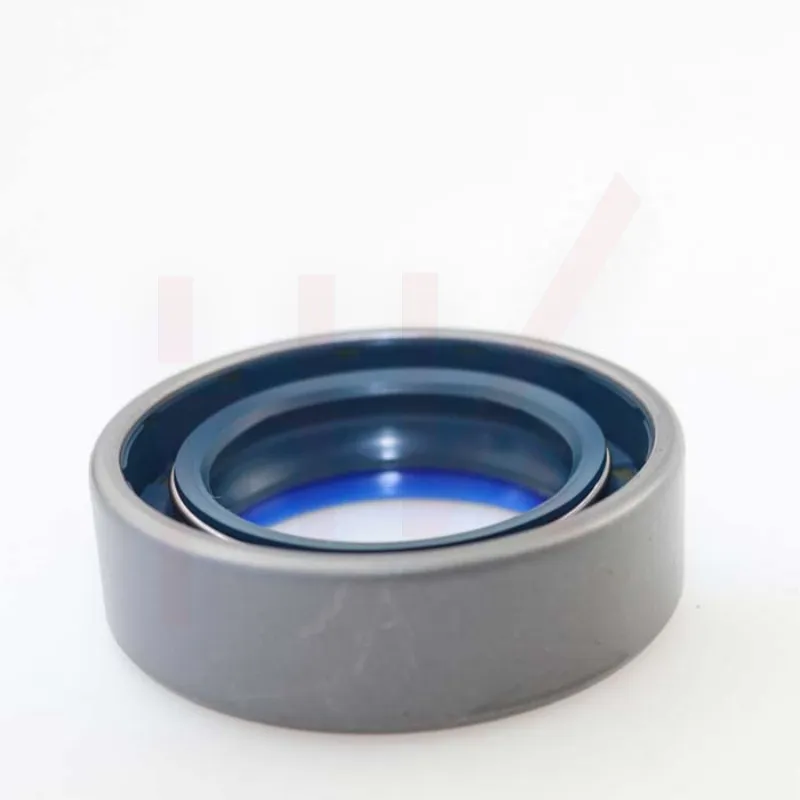
45*65*15 Combi oil seal JCB 90450009 COMBI SF1 SEAL
-
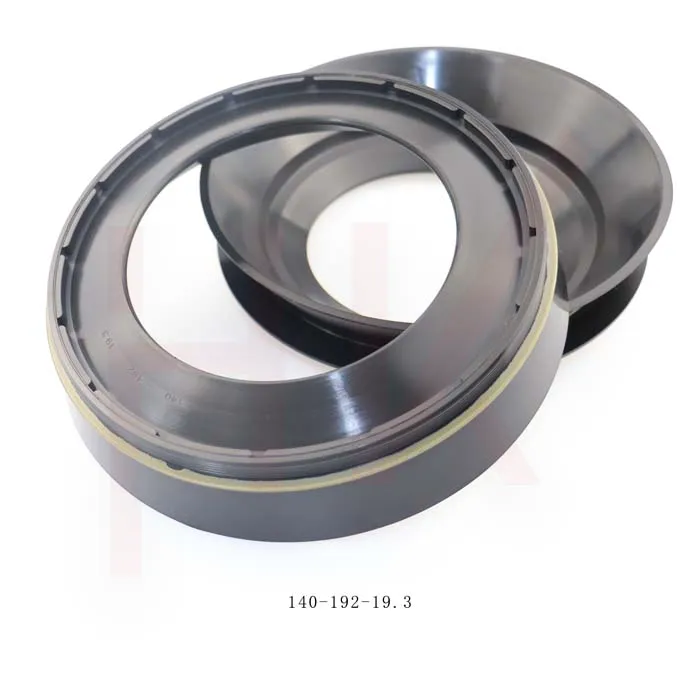
Gear box concrete mixer oil seal 140*192*19.3 nbr reducer oil seal
-
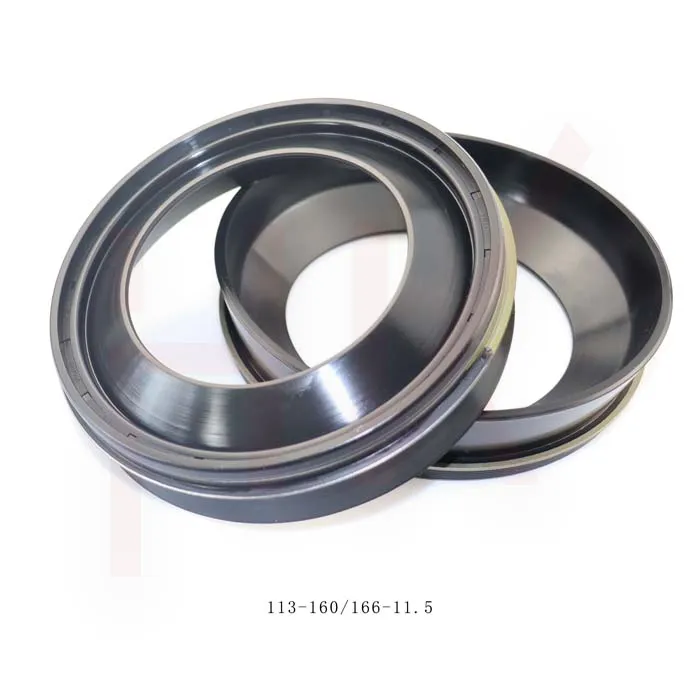
Seals factory direct sales 113*160/166*11.5/38 excavator truck reducer oil seal