
Apr . 07, 2026 01:55 Back to list
Comprehensive Guide to Hydraulic Cylinder Oil Seal Kits for Optimal Performance
Hydraulic Cylinder Oil Seal Kit: A Comprehensive Guide
Maintaining the efficiency and longevity of hydraulic cylinders requires reliable sealing solutions. A hydraulic cylinder oil seal kit provides all the necessary components to prevent leaks, maintain pressure, and protect the internal components from contamination. This article will explore the importance of these kits, their components, choosing the right kit, installation tips, and where to find high-quality kits. Investing in a quality seal kit is crucial for minimizing downtime and maximizing the performance of your hydraulic equipment.

Understanding the Importance of Hydraulic Cylinder Oil Seal Kits
Hydraulic cylinders rely on a tight seal to contain the pressurized hydraulic fluid that powers their operation. Over time, seals can degrade due to wear, heat, chemical exposure, and age. A leaking seal reduces system efficiency, leads to fluid loss, and can cause significant damage to the cylinder and connected components. Replacing worn seals promptly with a complete hydraulic cylinder oil seal kit prevents these issues and ensures optimal performance. Neglecting seal replacement can result in costly repairs or complete cylinder failure.
Key Benefit: Proactive seal replacement prevents system failure, minimizing downtime and reducing repair costs.
Key Components of a Hydraulic Cylinder Oil Seal Kit
A comprehensive hydraulic cylinder oil seal kit typically includes several essential components: rod seals (prevent leakage around the piston rod), piston seals (seal between the piston and cylinder wall), buffer seals (absorb shock and reduce noise), wiper seals (remove contaminants from the rod), and O-rings (used in various connections). Some kits may also include dust seals, wear bands, and backup rings. Ensuring your kit contains all the necessary parts for your specific cylinder is vital for a successful repair.
Essential Seal Components:
• Rod Seals
• Piston Seals
• Buffer Seals
• Wiper Seals
• O-Rings
Choosing the Right Hydraulic Cylinder Oil Seal Kit
Selecting the correct kit is crucial for compatibility and performance. Consider the cylinder's make and model, the type of hydraulic fluid used, operating temperature, and pressure. Seal materials vary (e.g., Nitrile, Viton, Polyurethane) and are chosen based on fluid compatibility and temperature resistance. HKAISEAL offers a wide range of kits designed for various applications and fluids. Always verify the kit's specifications against your cylinder's requirements before purchasing.
Installation Best Practices for Hydraulic Cylinder Oil Seal Kits
Proper installation is critical for ensuring a leak-free seal. Clean all cylinder components thoroughly before installing new seals. Lubricate the seals with hydraulic fluid during installation to aid in proper seating and prevent damage. Use appropriate tools to avoid scratching or distorting the seals. Follow the manufacturer's instructions carefully. HKAISEAL provides detailed installation guides and support to ensure a successful repair.
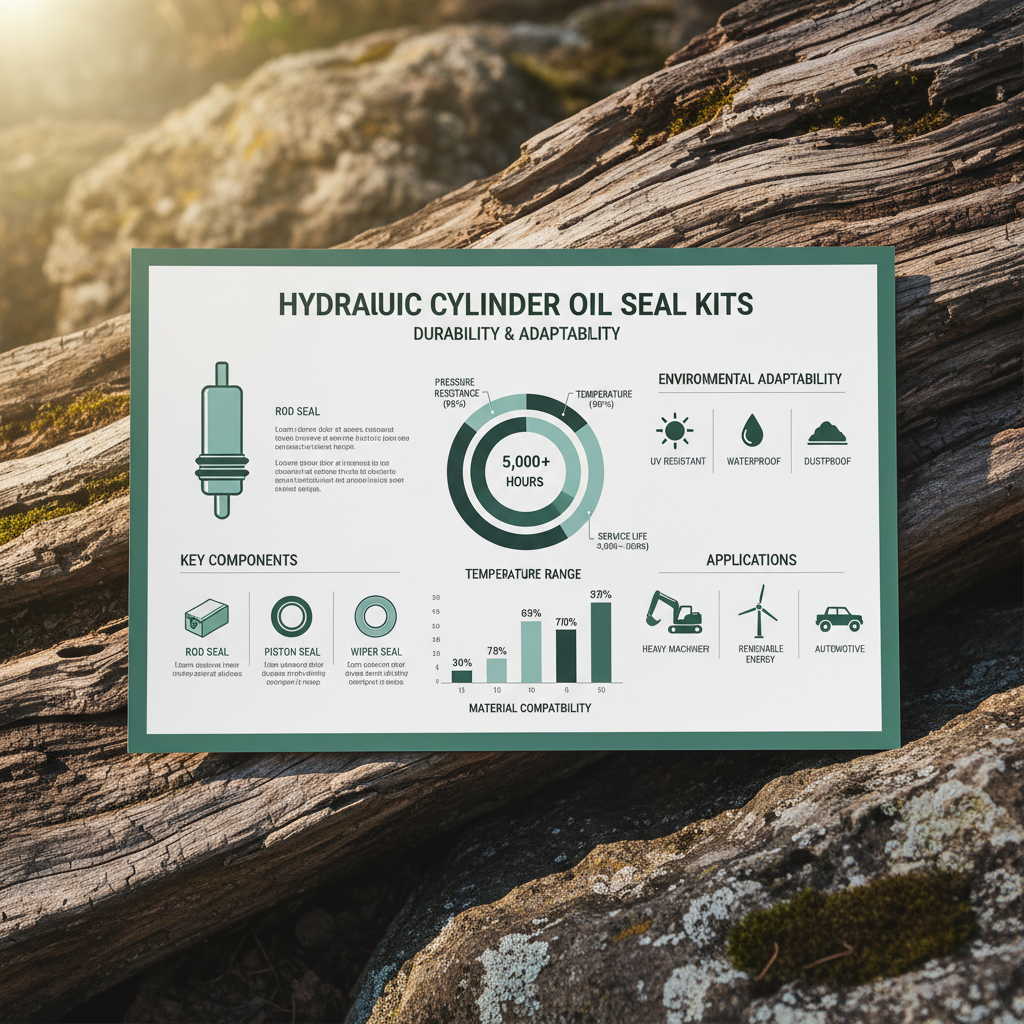
Why Choose HKAISEAL for Your Hydraulic Cylinder Oil Seal Kit Needs?
At HKAISEAL, we specialize in providing high-quality hydraulic seals and kits. We offer a comprehensive range of kits for various cylinder types and applications, with materials chosen for durability and performance. We are committed to providing excellent customer service and technical support. Our kits are competitively priced and backed by a satisfaction guarantee. Trust HKAISEAL for all your hydraulic sealing needs.
Conclusion: Ensuring Peak Performance with Quality Seal Kits
Investing in a quality hydraulic cylinder oil seal kit from a reputable supplier like HKAISEAL is essential for maintaining the reliability and efficiency of your hydraulic equipment. Don't wait for a leak to occur – proactive seal replacement prevents costly downtime and ensures optimal performance. Browse our extensive selection today and experience the HKAISEAL difference.
Frequently Asked Questions (FAQs)
How often should I replace my hydraulic cylinder seals?
The frequency of seal replacement depends on several factors, including the operating conditions, fluid type, and cylinder usage. As a general guideline, it’s recommended to inspect seals annually and replace them every 2-3 years, or sooner if leakage is detected. Harsh environments, abrasive fluids, and high operating temperatures can accelerate seal degradation, requiring more frequent replacement. Monitoring system performance and addressing leaks promptly will help prevent further damage and extend cylinder life.
What causes hydraulic cylinder seals to fail?
Several factors contribute to hydraulic cylinder seal failure. These include: wear and tear from normal operation, abrasion from contaminants in the hydraulic fluid, chemical degradation due to incompatible fluids, excessive heat, and improper installation. Over-pressurization or side loading on the cylinder can also damage seals. Regular fluid maintenance, filtration, and proper operating procedures are crucial for preventing premature seal failure.
Can I mix different seal materials in a kit?
It's generally not recommended to mix different seal materials within a single hydraulic cylinder. Each material has unique properties and compatibility characteristics. Mixing materials can lead to accelerated degradation, leakage, and system failure. Always use a complete kit with seals made from compatible materials, or consult with a hydraulic specialist if you have specific concerns.
-
Guide to Choosing the Right High Quality hydraulic ram kit
NewsApr.16,2026
-
Premium Hydraulic Cylinder Packing Kits for Peak Performance
NewsApr.09,2026
-
Comprehensive Guide to Choosing the Right Cylinder Seal Kits for Peak Performance
NewsApr.04,2026
-
Comprehensive Guide to Seal Kits for Cylinders Ensuring Optimal Performance
NewsMar.31,2026
-
Comprehensive Guide to Hyd Cylinder Seals for Optimal Hydraulic System Performance
NewsMar.28,2026
-
Comprehensive Guide to Hyd Cylinder Seal Kit Selection and Installation
NewsMar.26,2026
-
Comprehensive Guide to Hydraulic Cylinder Seal Kits for Optimal Performance
NewsMar.24,2026
Products categories
-
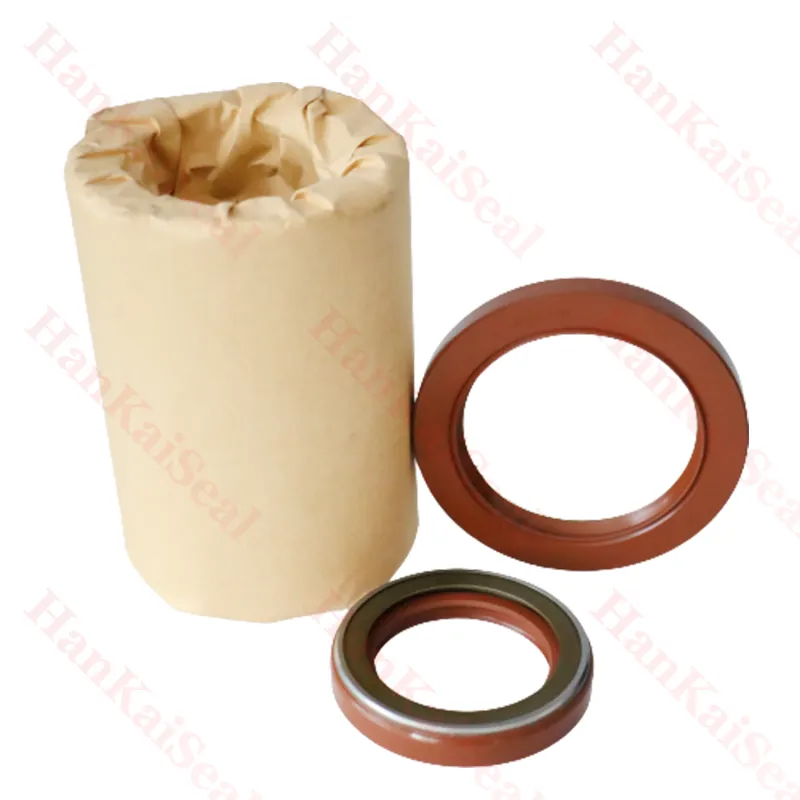
Standard oil seal BP0494 High pressure TCN oil seal
-
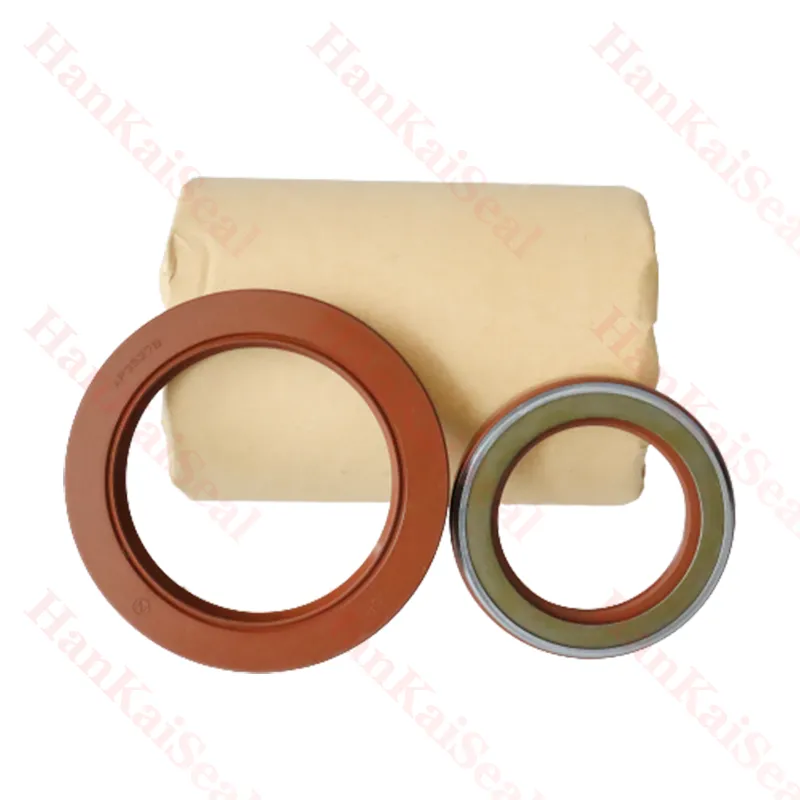
Hydraulic pump seal AP4624G high pressure TCN oil seal
-
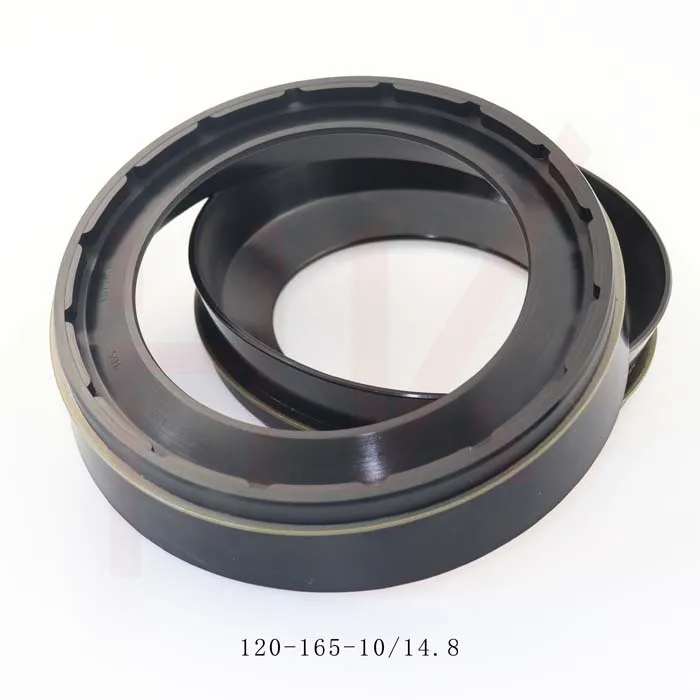
0734307418 0750112169 120*165*10/14.8 concrete mixer reducer oil seal
-
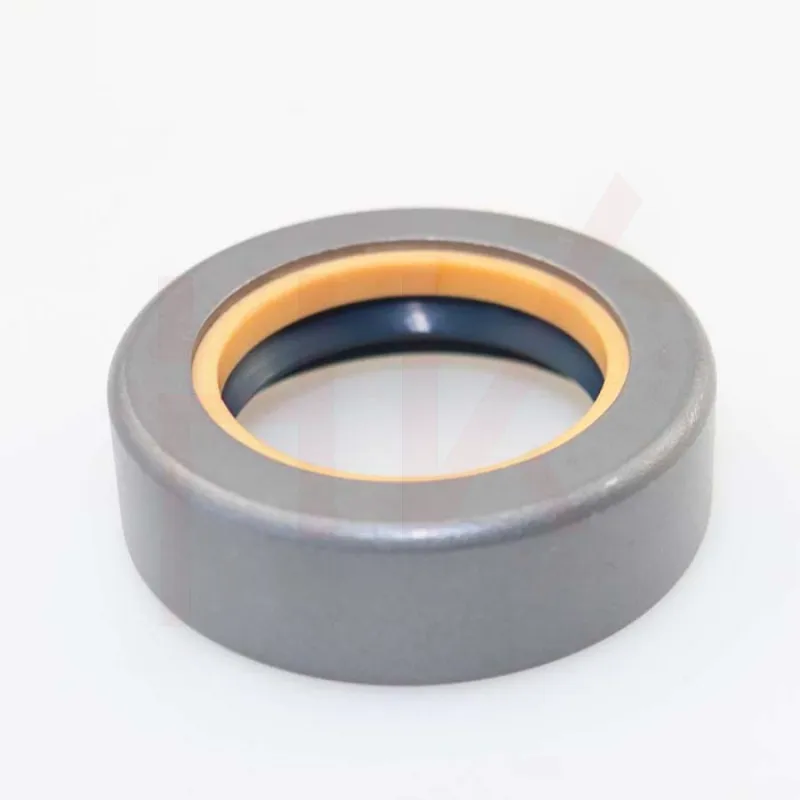
35*52*16 Standard Wheel Hub Oil Seal For Agricultural Machinery
-
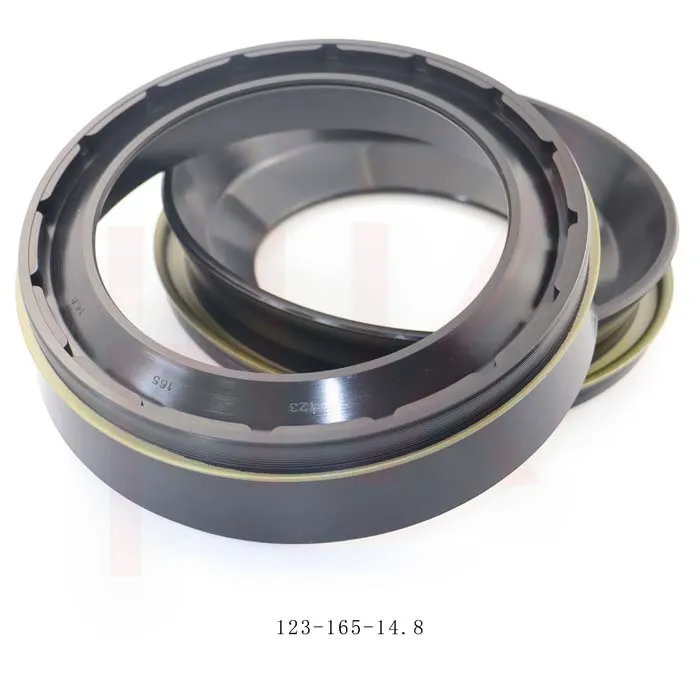
123*165*14.8 concrete mixer truck reducer oil seal
-
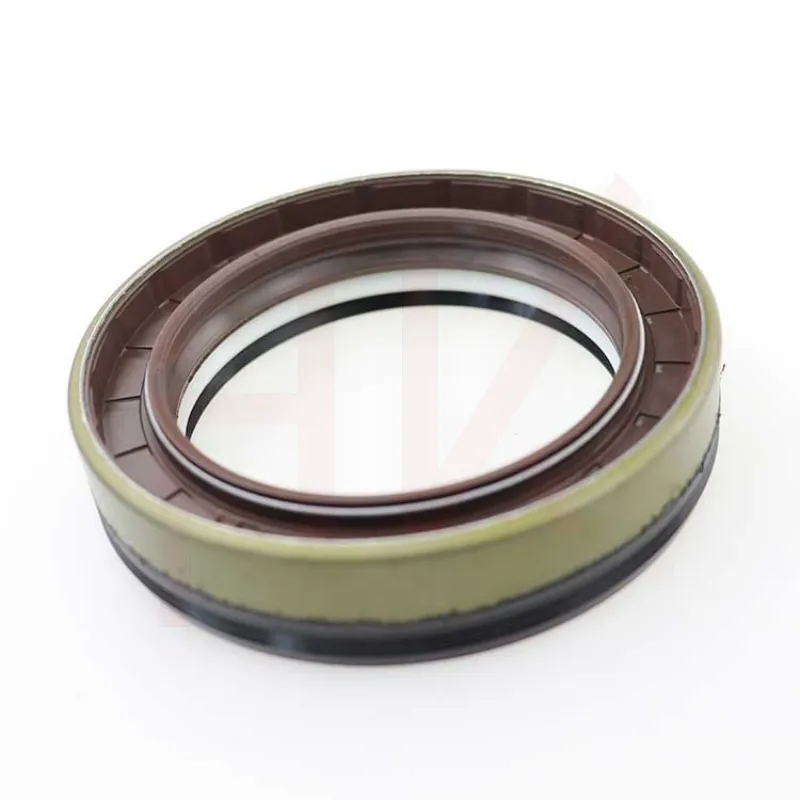
Tractor shaft oil seal 65-90-20 COMBI SF19 hub oil seal
-
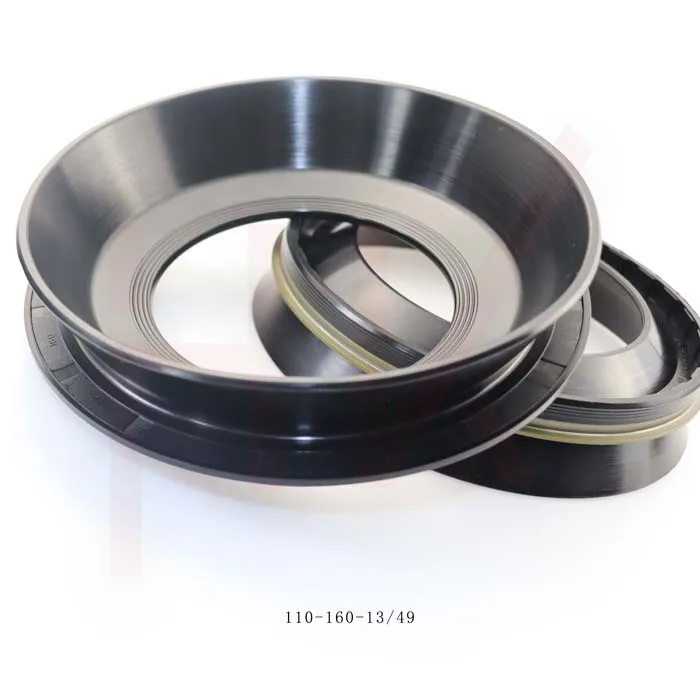
110*160*13/49 NBR reducerConcrete mixer truck oil seal
-
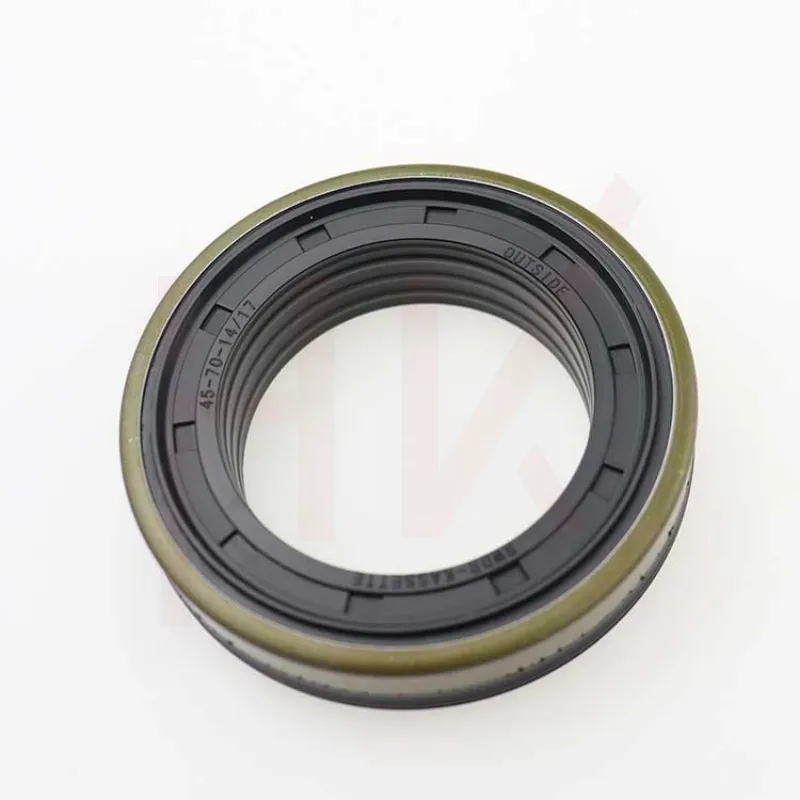
Hub oil seal 40*65*13/14.5 suitable for tractor Cat 12018035b
-
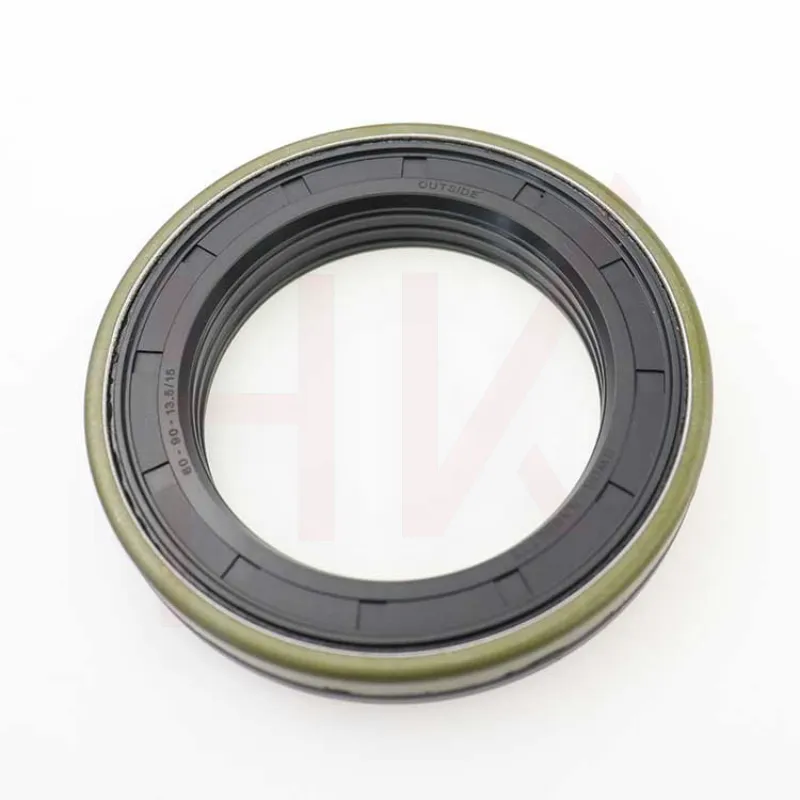
Tractor accessories cassette oil seal hub oil seal 60-90-13.5/15
-
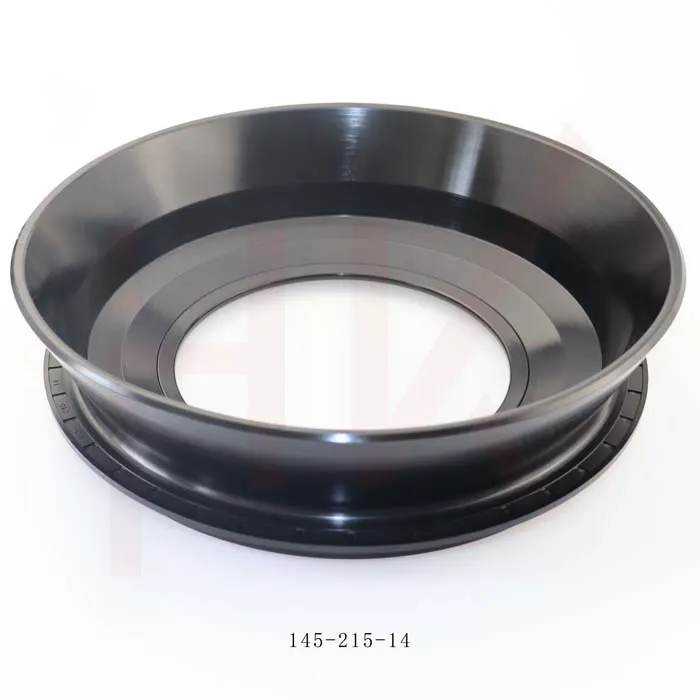
Factory concrete mixer truck oil seal 145*215*14 reducer gearbox oil seal
-
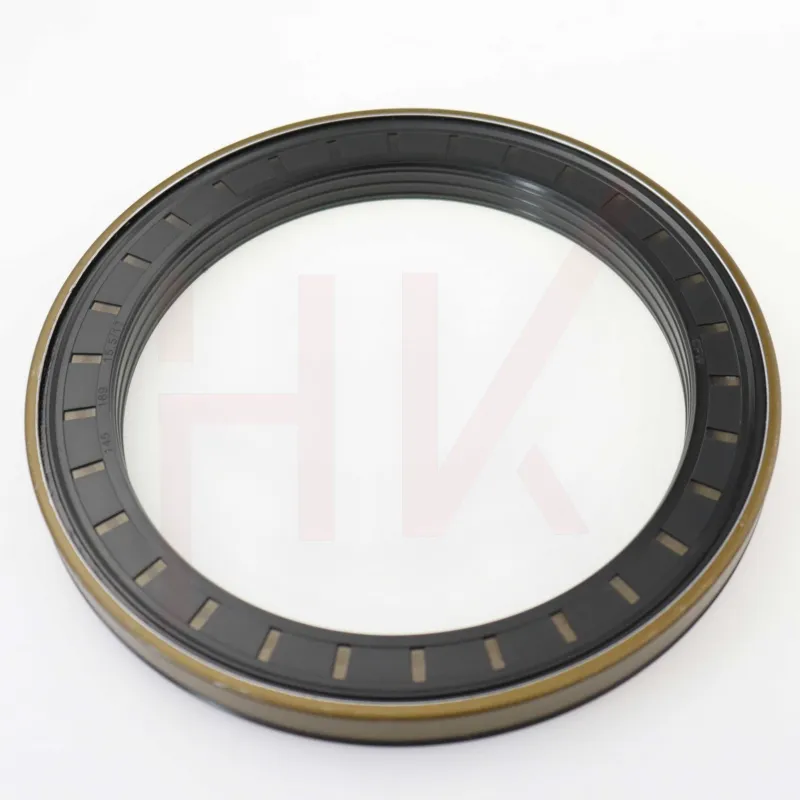
145*189*15.5/17 Cassette Seal NBR Hub Oil Seal 1508044
-
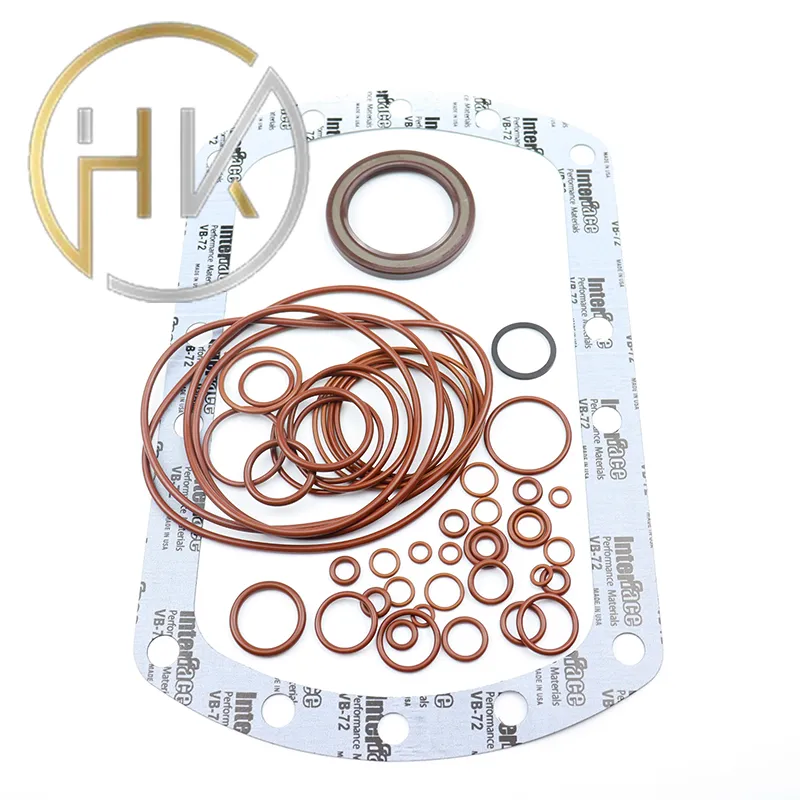
Factory direct sales hydraulic pump motor seal kit A8VO140
-
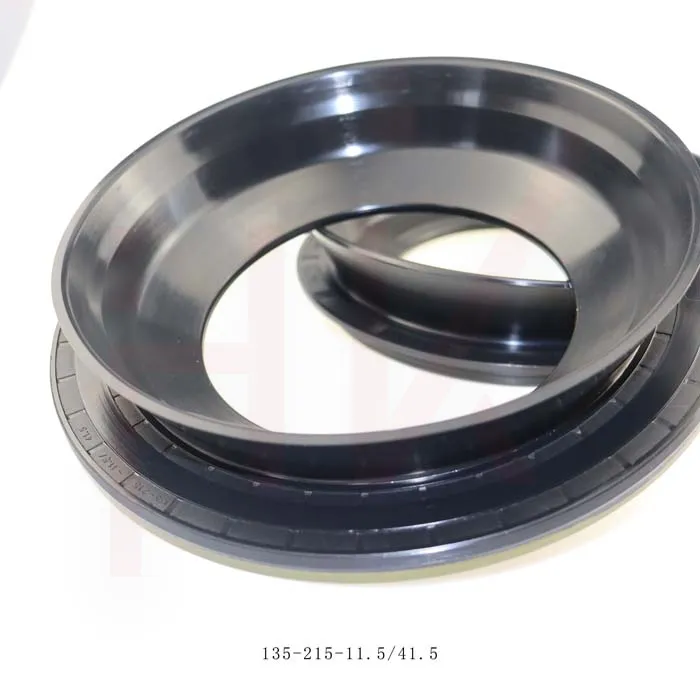
Brand new cement tanker oil seal 135*215*11.5/41.5 concrete mixer oil seal
-
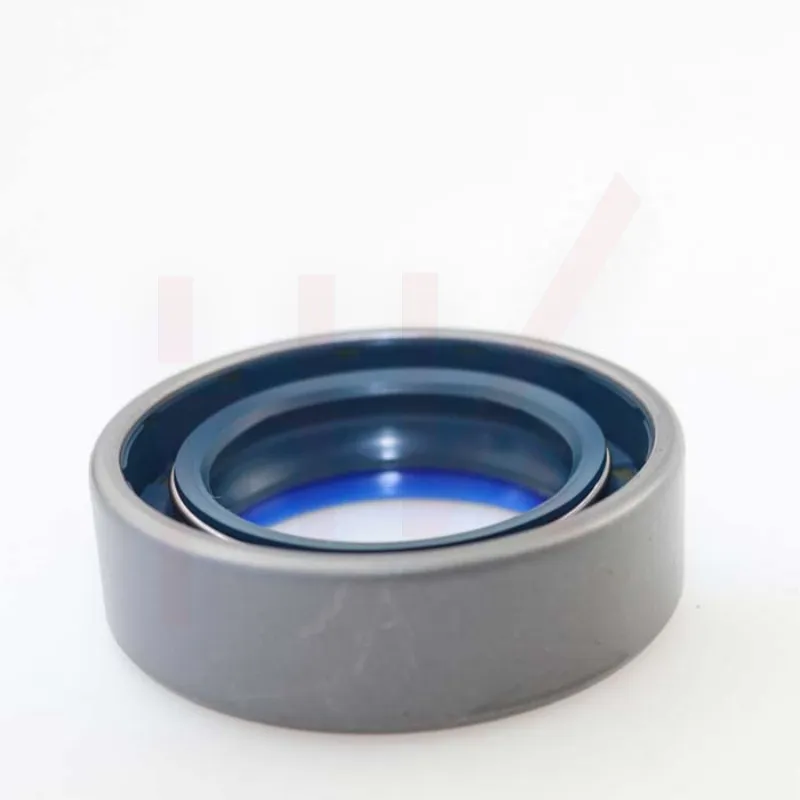
45*65*15 Combi oil seal JCB 90450009 COMBI SF1 SEAL
-
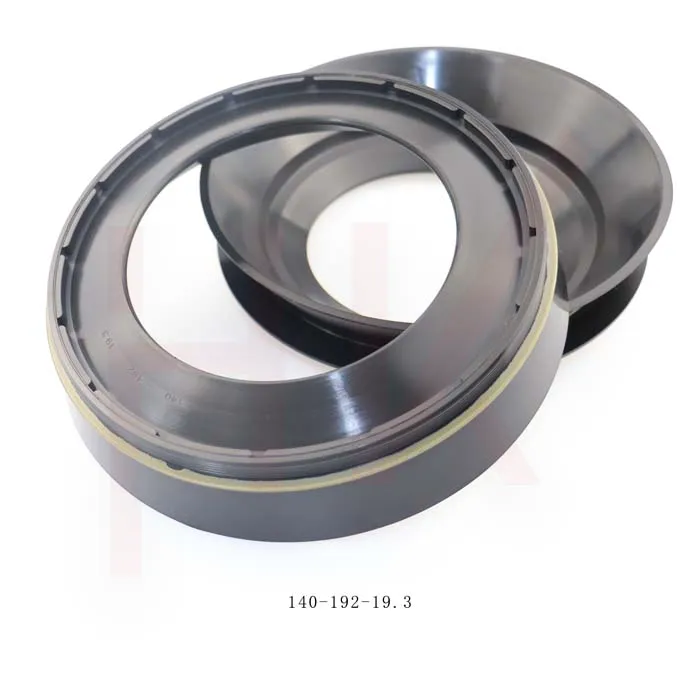
Gear box concrete mixer oil seal 140*192*19.3 nbr reducer oil seal
-
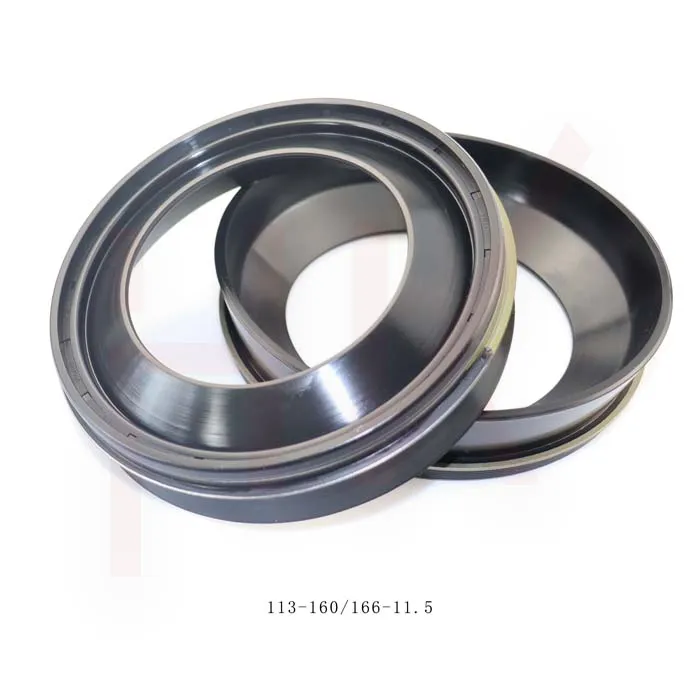
Seals factory direct sales 113*160/166*11.5/38 excavator truck reducer oil seal