
Nov . 28, 2025 17:40 Back to list
Wiper Rod Seal – Essential Guide to Quality Seals for Industrial Machinery
What Is a Wiper Rod Seal and Why Does It Matter?
At first glance, a “wiper rod seal” sounds like a very niche industrial part. But actually, it plays a surprisingly vital role in machinery maintenance, environmental protection, and global industry standards. Think about all the hydraulic systems, farm equipment, and construction machines we rely on every day — they all need reliable seals to keep dust and contaminants out while protecting internal lubricants.
Understanding wiper rod seals is crucial not only for engineers and mechanics but also for businesses aiming for operational efficiency and sustainability. These seal components extend machinery life, reduce downtime, and prevent leaks that might cause environmental damage — benefits that ripple through industries worldwide.
In short: These tiny yet mighty seals help big machines run smoothly, protect the environment, and save companies money. Not bad for a small part, huh?
Global Context: Why Wiper Rod Seals Are More Relevant Than Ever
If you dig into statistics from the International Organization for Standardization (ISO), you’ll see that industrial equipment failures due to seal breakdown account for a significant share of mechanical downtime globally — in the realm of millions of lost dollars annually. Meanwhile, the United Nations and sectors like agriculture and construction are pushing for more durable, environmentally friendly machine components.
Why? Because poorly sealed systems let in dirt, dust, and moisture, which degrade equipment rapidly and pollute waterways. That challenges global efforts for sustainability and industry 4.0 automation. So, simply put: optimizing wiper rod seals isn’t just a matter of a machine’s lifespan, but also about environmental stewardship and global economic competitiveness.
Defining the Wiper Rod Seal: Simple but Essential
So what exactly is a wiper rod seal? In the simplest terms, it’s a mechanical seal designed to wipe dirt and contaminants off the surface of a rod — usually a hydraulic or pneumatic piston rod — as it moves in and out of a cylinder. By keeping the external surface clean, the seal helps prevent abrasive particles from entering the system's internals, safeguarding the internal seals and lubricants.
This function is critical. Imagine dirt constantly scratching the cylinder walls or mixing with hydraulic oil — the damage would be quick and expensive. Plus, a properly functioning wiper rod seal reduces the risk of leaks, causing fewer environmental spills.
In many ways, these seals are the “gatekeepers,” a simple but crucial line of defense for complex industrial devices.
Mini Takeaway:
- Wiper rod seals keep harmful contaminants out while protecting hydraulic systems from wear and tear.
- They are key to operational reliability in sectors like construction, agriculture, and heavy machinery manufacturing.
Key Factors That Define a Good Wiper Rod Seal
1. Durability & Material Strength
The heart of any quality wiper rod seal lies in its materials. Typically, these are made from high-performance elastomers combined with reinforcing fabric or polymer rings. Nitrile rubber, polyurethane, and fluorocarbon (FKM) are common materials, each offering different resistance levels to heat, chemicals, and abrasion.
2. Seal Design and Compatibility
The design must match the rod size and operating environment — for example, a construction machine exposed to dirt and moisture will have different requirements than precision industrial equipment. Double lip designs are popular since they offer enhanced wiping action and secondary sealing.
3. Cost Efficiency & Maintenance
Wiper rod seals that last longer reduce maintenance cycles — fewer replacements, less labor, and minimized downtime. Although premium seals might cost more upfront, the return on investment is often faster and stronger.
4. Environmental Resistance
Exposure to UV, ozone, water, and oils can degrade seals quickly. Hence, selecting seals with the right compound is crucial to ensure they withstand harsh external conditions and protect internal systems.
5. Ease of Installation
Time is money, as the saying goes. Seals that are easy to install, with self-aligning or flexible lips, reduce the risk of damage during assembly and speed up servicing.
6. Testing and Quality Assurance
Top manufacturers follow ISO standards, subjecting seals to real-world simulations — from extreme temperatures to contamination cycles — enhancing both trust and reliability.
Mini Takeaway:
- Materials matter: choose seals matched to operating conditions.
- Design impacts both performance and longevity.
- Investing in quality pays off via fewer repairs and less environmental risk.
Wiper Rod Seal in Action: Real-World Applications
Across the globe, the impact of quality wiper rod seals is felt in many industries:
- Agriculture: Tractors and harvesters rely on these seals to operate in dusty fields.
- Construction: Heavy machinery like excavators and cranes use these seals to resist mud and debris.
- Automotive and Transportation: Hydraulic lift arms and pistons stabilize performance with reliable seals.
- Manufacturing: Pneumatic cylinders on assembly lines depend on seals to minimize downtime.
- Post-Disaster Relief: Mobile equipment sent to disaster zones employs robust seals to ensure resilience against harsh environments.
For example, in remote mining operations in Australia or forestry equipment in Scandinavia, harsh conditions push seals to their limits — yet with the right specifications, the systems keep running smoothly.
Mini Takeaway:
Wiper rod seals are found everywhere machinery moves — from rural farms to industrial hubs, such simple components have a huge ripple effect on productivity and safety.
Advantages & Long-Term Value of High-Quality Wiper Rod Seals
Firstly, these seals mean less oil leakage, preventing costly spills and environmental fines — something that’s increasingly important with tighter regulations.
Secondly, they extend the lifespan of the complete hydraulic system, translating directly into reduced capital expenditure. If a seal fails, the entire rod or cylinder may need replacement — which could mean days or weeks of costly downtime.
On a softer note, there’s a bit of pride in running reliable equipment. Operators feel more confident with machines that don’t sputter or leak, fostering trust across teams and beyond.
Product Specification Table: Example Wiper Rod Seal Model XYZ-100
| Specification | Details |
|---|---|
| Material | High-grade Nitrile Rubber (NBR) |
| Operating Temperature | -30°C to +120°C |
| Rod Diameter Compatibility | 12mm to 50mm |
| Seal Type | Double Lip Wiper Seal |
| Chemical Resistance | Good resistance to oils and hydraulic fluids |
| Installation Type | Press-fit with reinforced metal case |
Vendor Comparison: Navigating Your Wiper Rod Seal Options
| Vendor | Material Quality | Range of Sizes | Price Level | Lead Time | ISO Certification |
|---|---|---|---|---|---|
| SealTech Pro | Premium FKM | Wide (5mm - 60mm) | High | 2 weeks | ISO 9001 |
| HK AI Seal | Nitrile & Polyurethane Blend | Standard (12mm - 50mm) | Medium | 1 week | ISO 9001, ISO 14001 |
| GlobalSeal Co. | Standard NBR | Limited (20mm - 40mm) | Low | 3 weeks | None |
What’s Next? Innovations and Trends in Wiper Rod Seal Technology
Ready for some cool stuff? The future of wiper rod seals is leaning into smarter materials and greener manufacturing. Engineers are experimenting with self-lubricating polymers that reduce friction without grease, and bio-based elastomers to cut the carbon footprint. Digital monitoring sensors embedded into seals could soon alert maintenance teams before a failure — even remotely.
Meanwhile, since the world is pushing for sustainability, compliance with evolving ISO environmental standards is becoming a firm requirement rather than a nice-to-have. Oddly, automation in quality testing is speeding up R&D for these small parts, which otherwise might have flown under the radar.
Challenges Faced and How They’re Overcome
But it’s not all smooth sailing. A common issue is the trade-off between flexibility and durability. Softer materials wipe better but wear out faster; harder materials last but risk scratching rods. Plus, contamination varies wildly by locale — what works in a dusty African savanna might fail in Arctic conditions.
Experts recommend tailored solutions — mixing elastomer blends, adjusting seal lip geometry, or applying protective coatings. Collaborating with trusted vendors who understand the environmental context is key to sustainable success.
FAQs About Wiper Rod Seals
- Q1: How do I know if my wiper rod seal needs replacement?
A1: Look for signs like hydraulic fluid leaks, rod surface damage, or increased contamination inside the cylinder. Regular inspections every 6 months are standard in many industries. - Q2: Can wiper rod seals handle extreme temperatures?
A2: Yes, but it depends on the seal’s material. Fluorocarbon seals typically tolerate -40°C to +200°C, while nitrile seals are suitable for more moderate ranges. Always check specs. - Q3: Are customized wiper rod seals expensive?
A3: Customization adds cost but can improve performance and lifespan significantly. Many companies find it worthwhile for specialized environments or machinery. - Q4: What industries benefit most from upgrading wiper rod seals?
A4: Agriculture, construction, automotive, and manufacturing sectors see immediate gains through reduced maintenance and environmental compliance. - Q5: Where can I source quality wiper rod seals?
A5: Leading manufacturers like HK AI Seal offer certified, tested products with timely delivery options worldwide.
In Conclusion: Why You Should Care About Wiper Rod Seals
Honestly, we often overlook small parts that keep big machines running. But the wiper rod seal is an essential hero — preventing contaminants from causing expensive repairs and environmental harm. Investing in high-quality, well-designed seals pays dividends in reliability, sustainability, and operational efficiency.
If you want to explore the best products available or custom solutions, don’t hesitate to visit our trusted partner for wiper rod seals. Your machinery — and the planet — will thank you.
References
-
Guide to Choosing the Right High Quality hydraulic ram kit
NewsApr.16,2026
-
Premium Hydraulic Cylinder Packing Kits for Peak Performance
NewsApr.09,2026
-
Comprehensive Guide to Hydraulic Cylinder Oil Seal Kits for Optimal Performance
NewsApr.07,2026
-
Comprehensive Guide to Choosing the Right Cylinder Seal Kits for Peak Performance
NewsApr.04,2026
-
Comprehensive Guide to Seal Kits for Cylinders Ensuring Optimal Performance
NewsMar.31,2026
-
Comprehensive Guide to Hyd Cylinder Seals for Optimal Hydraulic System Performance
NewsMar.28,2026
-
Comprehensive Guide to Hyd Cylinder Seal Kit Selection and Installation
NewsMar.26,2026
Products categories
-
Standard oil seal BP0494 High pressure TCN oil seal
-
Hydraulic pump seal AP4624G high pressure TCN oil seal
-
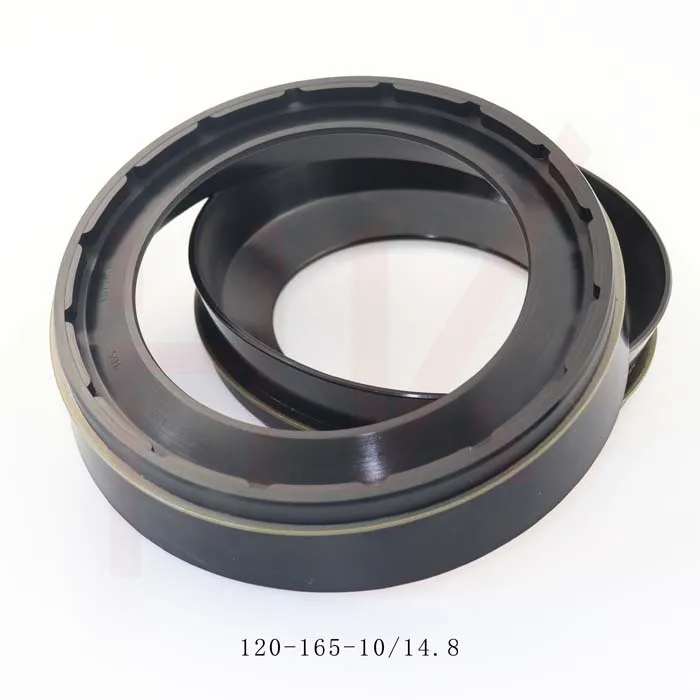
0734307418 0750112169 120*165*10/14.8 concrete mixer reducer oil seal
-
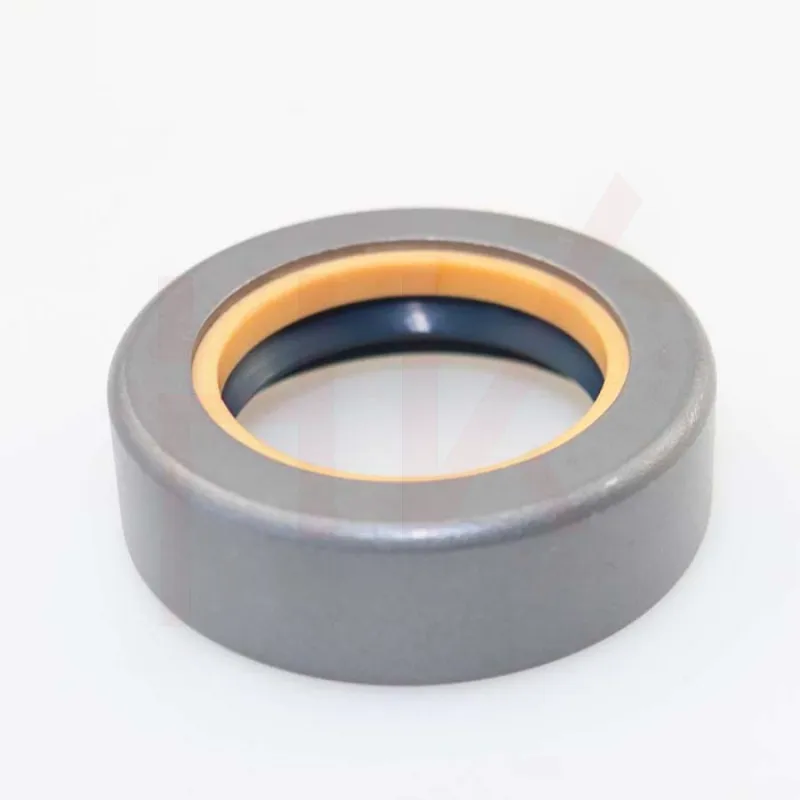
35*52*16 Standard Wheel Hub Oil Seal For Agricultural Machinery
-
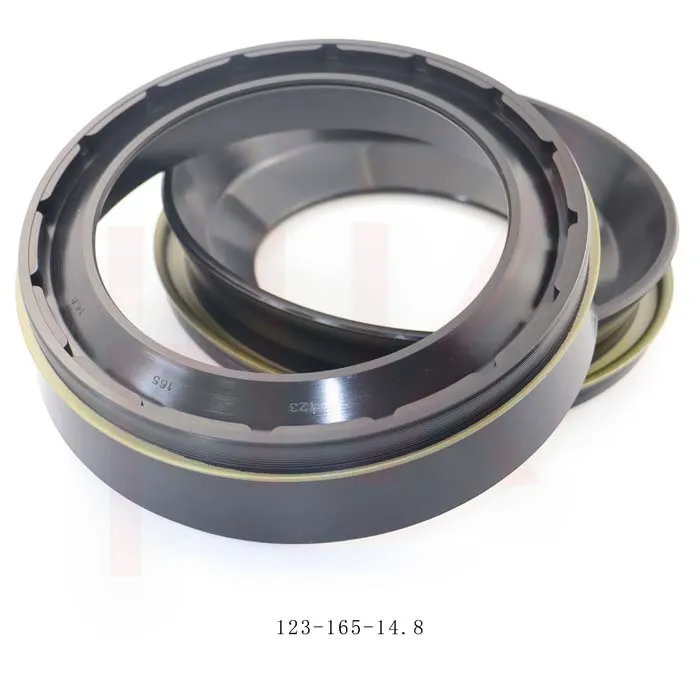
123*165*14.8 concrete mixer truck reducer oil seal
-
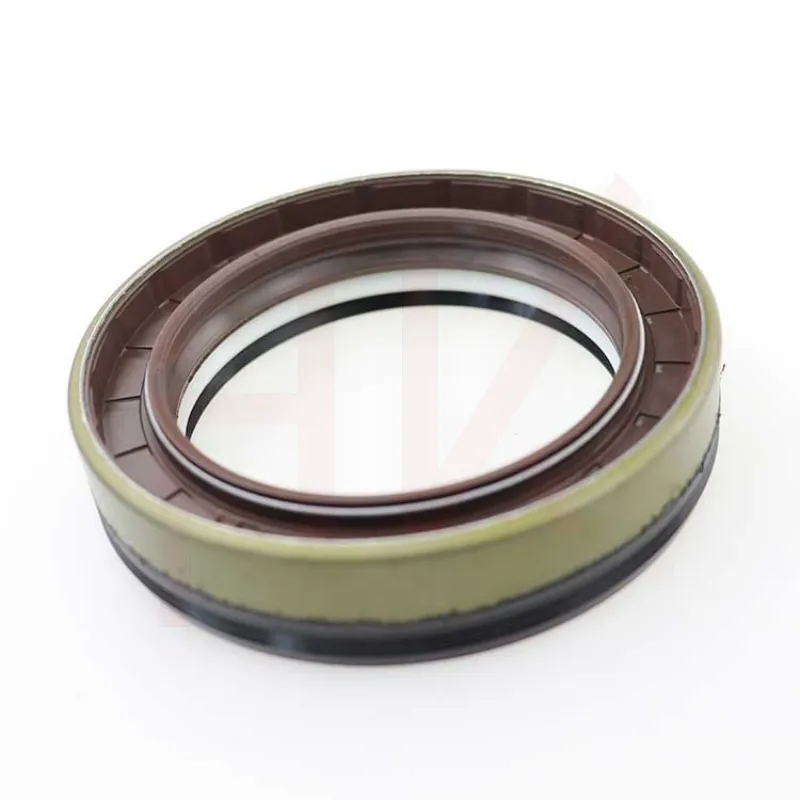
Tractor shaft oil seal 65-90-20 COMBI SF19 hub oil seal
-
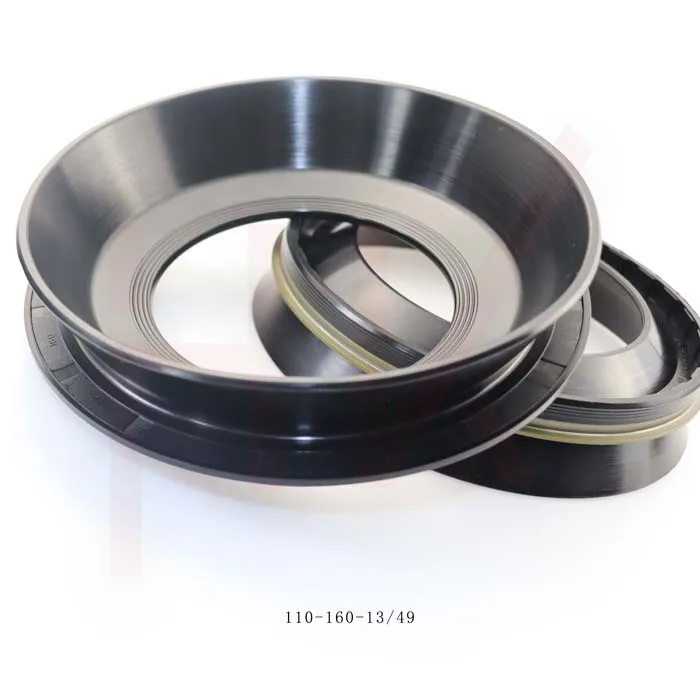
110*160*13/49 NBR reducerConcrete mixer truck oil seal
-
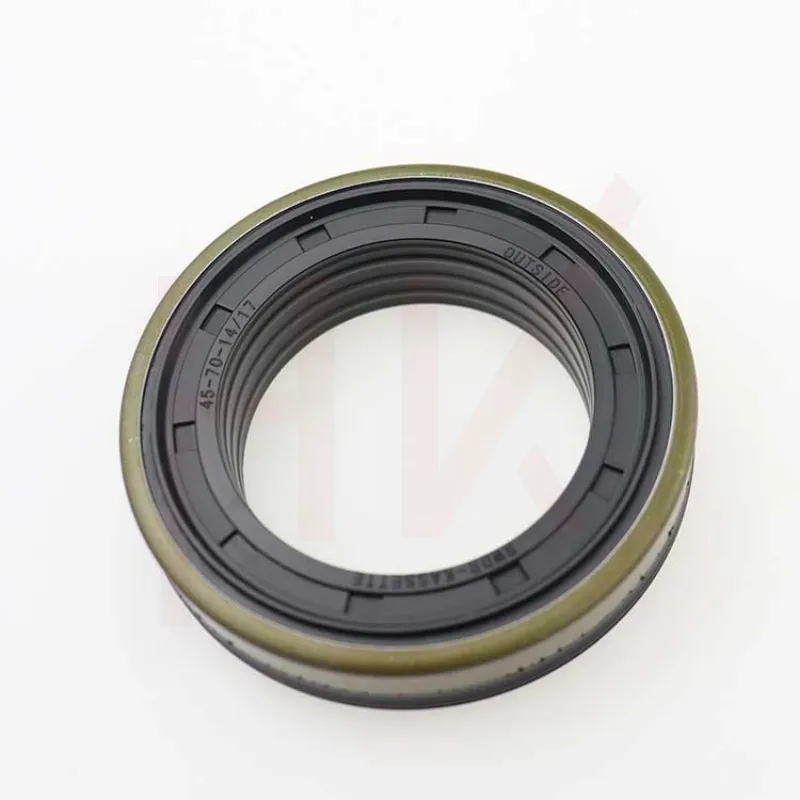
Hub oil seal 40*65*13/14.5 suitable for tractor Cat 12018035b
-
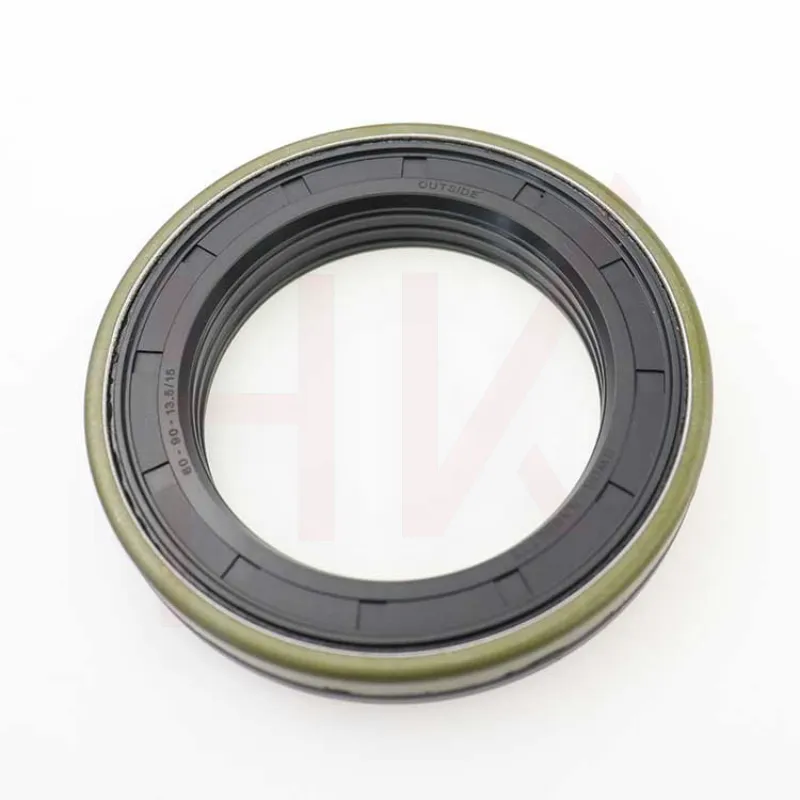
Tractor accessories cassette oil seal hub oil seal 60-90-13.5/15
-
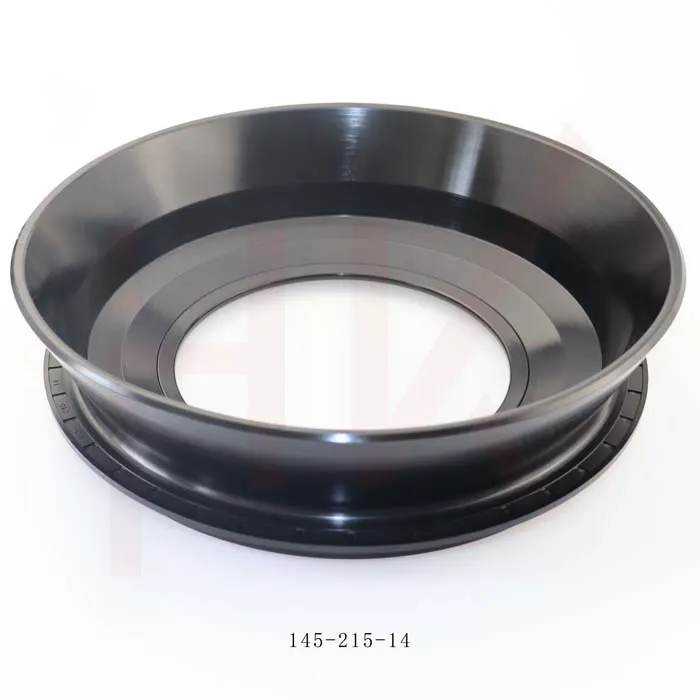
Factory concrete mixer truck oil seal 145*215*14 reducer gearbox oil seal
-
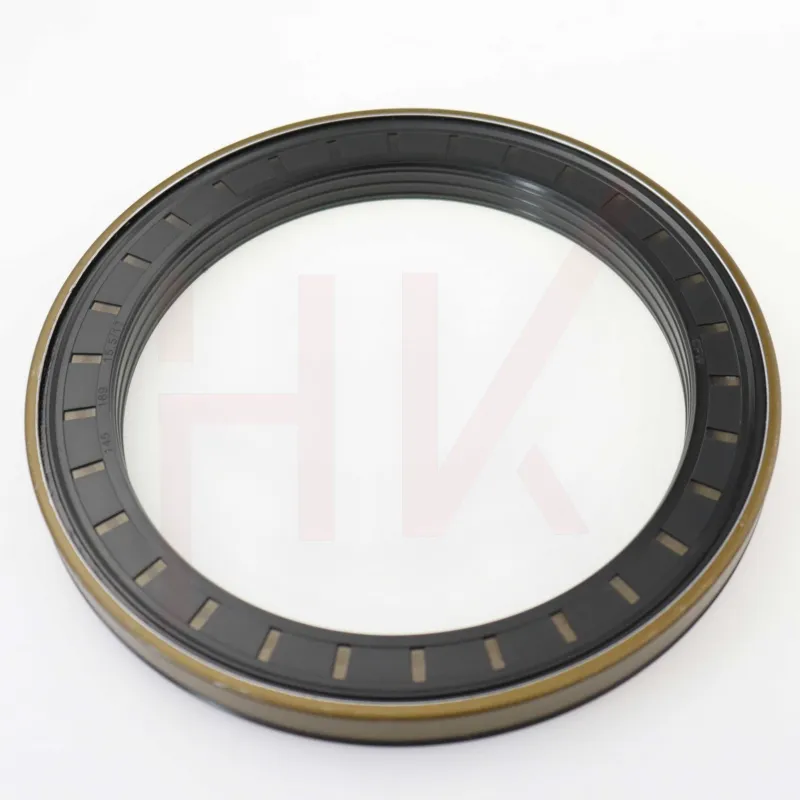
145*189*15.5/17 Cassette Seal NBR Hub Oil Seal 1508044
-
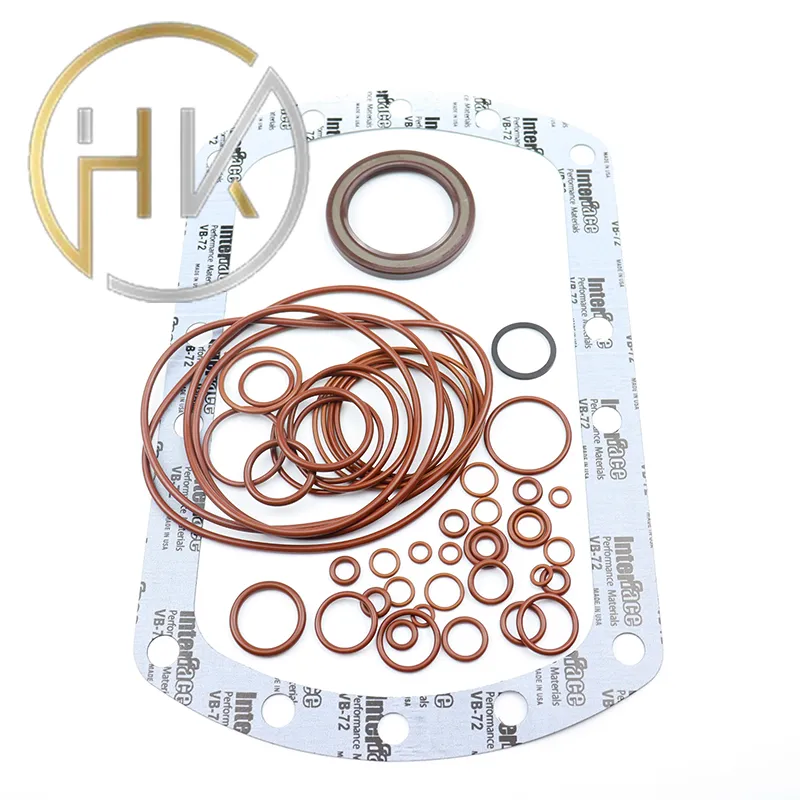
Factory direct sales hydraulic pump motor seal kit A8VO140
-
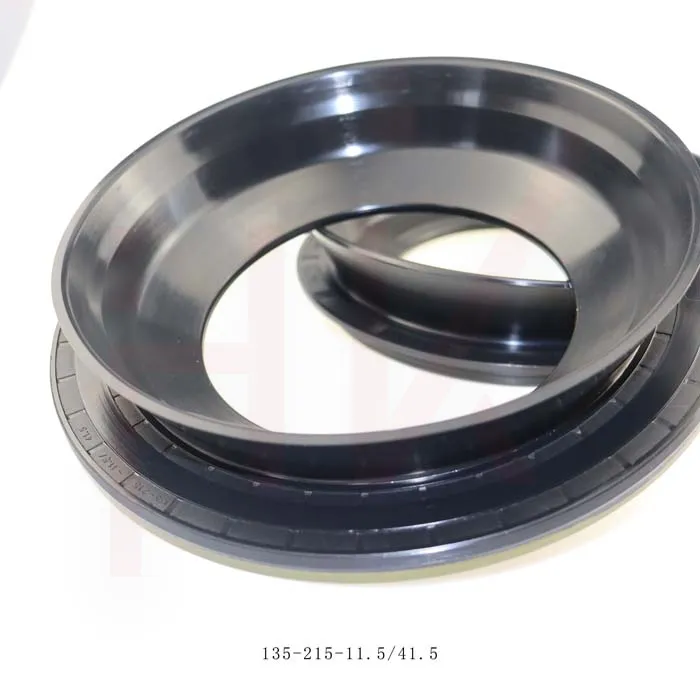
Brand new cement tanker oil seal 135*215*11.5/41.5 concrete mixer oil seal
-
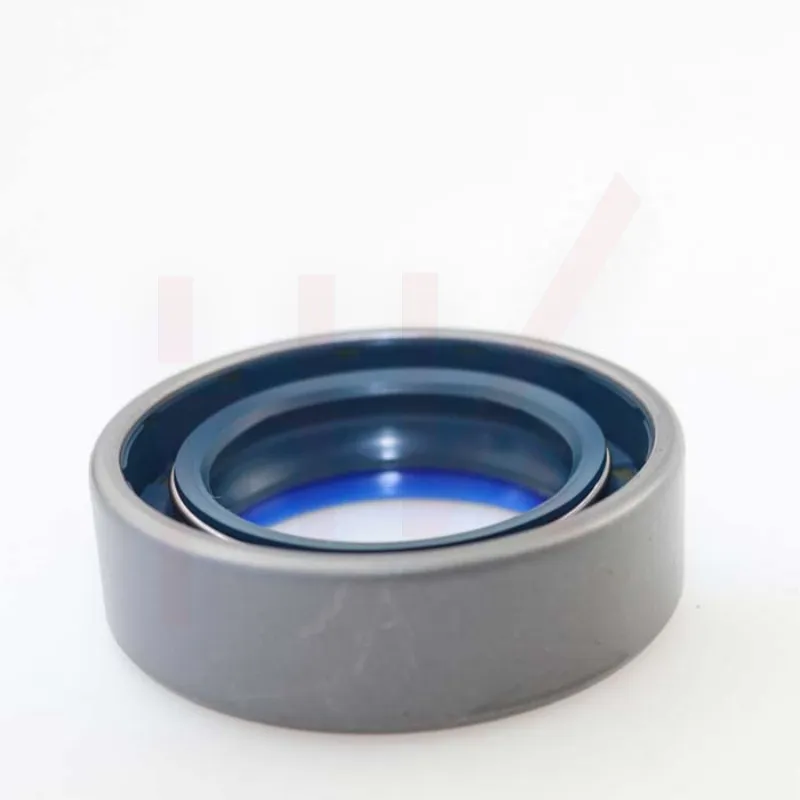
45*65*15 Combi oil seal JCB 90450009 COMBI SF1 SEAL
-
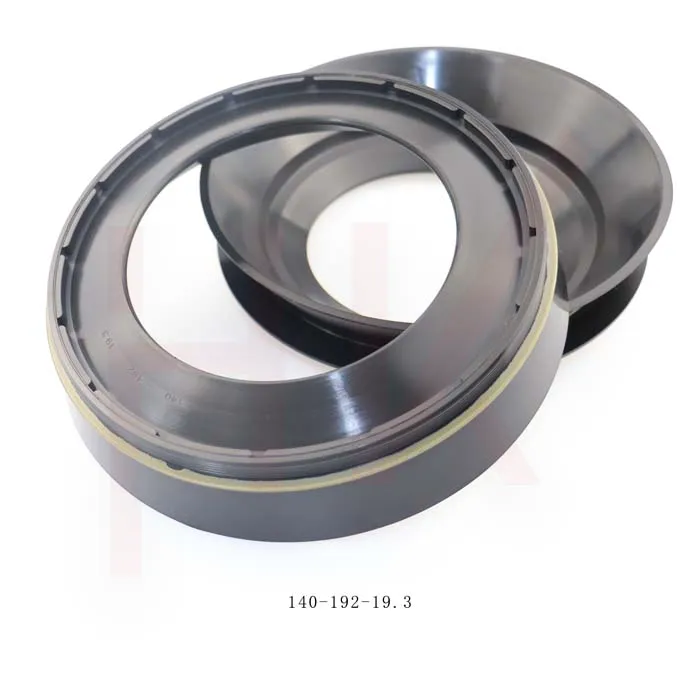
Gear box concrete mixer oil seal 140*192*19.3 nbr reducer oil seal
-
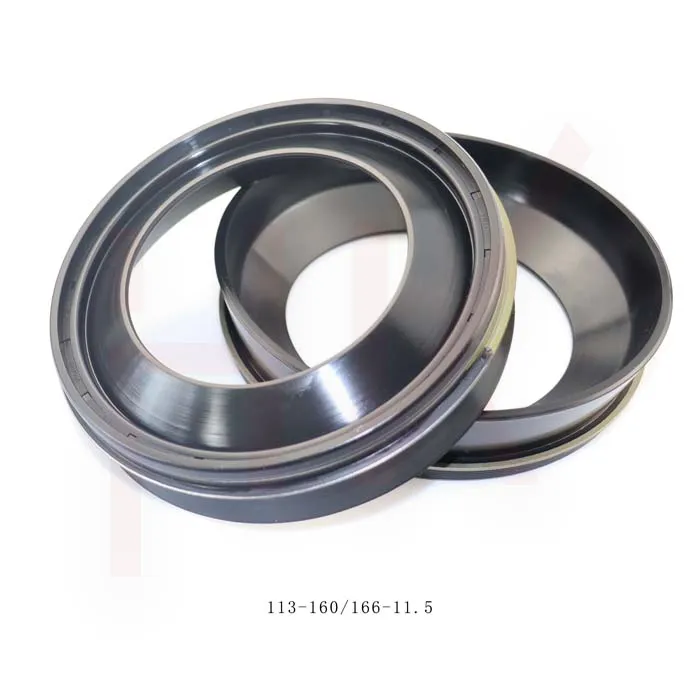
Seals factory direct sales 113*160/166*11.5/38 excavator truck reducer oil seal