
Nov . 28, 2025 19:10 Back to list
Comprehensive Guide to Wiper Seal Types – Materials, Applications & Trends
Understanding Wiper Seal Types: Why They Matter More Than You Think
If you’ve ever peeked inside a hydraulic cylinder, automotive strut, or even some industrial machinery, you’ve likely encountered the humble but indispensable wiper seal. Although wiper seals might not evoke excitement at first glance, their role is central to the reliability and longevity of countless machines worldwide. Knowing the different wiper seal types is more than a technical curiosity — it’s a global necessity impacting energy efficiency, safety, and sustainability across industries.
In a world where uptime means money, and contamination can cause catastrophic failures, understanding wiper seal varieties helps engineers, maintenance pros, and product designers choose smarter solutions that save resources, reduce downtime, and even contribute to greener technologies.
Why Wiper Seal Types Are Globally Relevant Today
The global industrial landscape is vast and diverse — from massive manufacturing hubs in Asia to remote mining sites in Africa, and sprawling agricultural operations in the Americas. The failure of hydraulic or pneumatic systems in these regions often comes down to one overlooked component: the wiper seal. ISO standards estimate that improper sealing solutions cause over 15% of hydraulic system failures globally, leading to billions of dollars lost annually [1].
Moreover, with industries under pressure to reduce environmental impact, preventing lubricant leaks and contamination is a top priority. Wiper seals play a critical role here by keeping dirt, moisture, and other contaminants out while retaining precious lubricants — boosting equipment longevity and lowering waste. It’s an unsung hero story that unfolds quietly in machines everywhere.
What Exactly Are Wiper Seals?
Simply put, wiper seals are specialized components designed to “wipe” — or clean — the piston rods or shafts as they move in and out of cylinders. Think of them as a protective barrier, preventing dirt, dust, and debris from sneaking into sensitive areas where they could cause friction, corrosion, or outright failure.
They usually sit near the cylinder’s entrance and work closely with rod seals to keep hydraulic fluid in place and contaminants out. The various wiper seal types differ by material composition, design profiles, and installation methods, tailoring them to specific industries and environmental conditions.
In modern industry, these seals aren’t just about keeping things running — they touch on safety equipment, heavy construction, agriculture, and even humanitarian logistics like water pumps and disaster relief machinery.
Key Characteristics of Wiper Seals
Durability Against Harsh Environments
Wiper seals often brave dirt roads, extreme weather, and chemical exposure. Materials like polyurethane, nitrile rubber, and PTFE are selected based on their resistance to abrasion, temperature fluctuations, and chemical degradation. For example, polyurethane seals last longer in abrasive scenarios but might crack under extreme cold.
Compatibility with Lubricants and Fluids
The wrong seal material can react badly with hydraulic fluid or oils, causing swelling or shrinkage. This can affect the seal’s ability to maintain a flexible yet tight barrier. Choice of wiper seal type depends heavily on fluid types used — mineral oil, biodegradable fluids, water-glycols, or synthetics — each demanding specific compatibility.
Design Profiles and Installation
Some wiper seals come as single-lip, double-lip, or with integrated dust-excluding features. The sealing lip geometry influences sealing efficiency and friction losses. Installation methods—whether press-fit or with snap rings—also affect ease of maintenance and reliability, especially when used in confined spaces.
Cost Efficiency and Lifecycle
While some wiper seal materials cost a bit more upfront, many engineers find that lifespan and reduced downtime outweigh initial expenses. It’s a delicate balance that engineers, procurement officers, and maintenance teams must strategize carefully to keep assets running smooth.
Mini takeaway: Beyond the simple function, wiper seal types vary widely by material, design, and compatibility — each determined by the environment and application. Picking the right one is often the difference between equipment that lasts months versus years.
Wiper Seal Types in Real-World Applications
Across continents and industries, specialized wiper seals keep machines moving and lives safer. Here are just a few real-world places where they shine:
- Heavy Construction in Southeast Asia: Bulldozers and excavators operate in dusty, muddy conditions requiring seals with excellent abrasion resistance.
- Oil & Gas Sector in the Middle East: High-temperature environments with corrosive fluids demand seals made from advanced elastomers such as FKM (Viton).
- Agriculture in North America: Equipment faces fertilizers and pesticides that can degrade seals, so chemical resistance is key.
- Disaster Relief Initiatives Worldwide: Portable water pumps and mobile generators rely on seals that tolerate rapid deployment and varied climates.
Specification Table: Popular Wiper Seal Types
| Seal Type | Material | Temperature Range | Typical Use | Key Benefit |
|---|---|---|---|---|
| Polyurethane Wiper | Polyurethane (PU) | -40°C to 80°C | Heavy-duty hydraulic cylinders | High abrasion resistance |
| Nitrile Rubber Wiper | NBR | -30°C to 100°C | General hydraulic applications | Good fluid compatibility |
| PTFE Composite Wiper | PTFE + Elastomer | -50°C to 150°C | High-temperature, chemical resistance | Low friction, chemical resistance |
| Viton Wiper | FKM | -20°C to 200°C | Petrochemical & aerospace | Excellent heat & chemical resistance |
Comparing Leading Vendors in Wiper Seal Solutions
| Vendor | Material Range | Industry Focus | Global Reach | Customization Options |
|---|---|---|---|---|
| SealTech Solutions | PU, NBR, Viton | Construction, Agriculture, Oil & Gas | North America, Asia, Europe | Standard profiles, Fast lead times |
| Global Seal Inc. | PTFE, FKM, Silicone | Aerospace, Petrochemical, Automotive | Worldwide | Fully custom engineered seals |
| EverSeal Technologies | NBR, PU, Hybrid composites | Industrial automation, Marine | Asia Pacific, Europe | Semi-custom and stock options |
Why Choosing the Right Wiper Seal Types Matters in the Long Run
It’s easy to overlook a small component like a wiper seal when mapping out major machinery projects. Yet skipping proper seal selection practically guarantees premature maintenance, costly machine breakdowns, or environmental hazards due to leaks.
Beyond cost savings, the peace of mind from improved machine safety is valuable. When engineers select the right seal type based on environment and fluid compatibility, downtime drops sharply, and equipment warranties stand stronger. This also feeds into the larger global push toward sustainable industrial practices: fewer parts wasted, less lubricant pollution, and longer machinery lifespans.
Emerging Trends in Wiper Seal Technology
Looking ahead, the field is evolving in some pretty interesting ways. New composite materials blend traditional elastomers with nanomaterials to boost longevity and reduce friction. Some manufacturers are pushing digital tracking—using smart sensors to predict seal wear before failure. It’s part of a larger Industry 4.0 wave, where connected equipment reduces surprises.
Green manufacturing also plays a role; bio-based polymers and seals optimized for biodegradable hydraulic fluids are in growing demand, especially in Europe and North America.
Common Challenges & How Industry Experts Tackle Them
Of course, it’s not all smooth sailing. The main issues with wiper seals are premature wear from abrasive contamination, chemical incompatibility, and installation errors. Experts recommend:
- Regular maintenance schedules that include seal inspection
- Choosing seals custom-matched to local operating conditions
- Embedding quality control in manufacturing to avoid material defects
- Training technicians on correct installation techniques — often overlooked but critical
Frequently Asked Questions (FAQ) About Wiper Seal Types
- Q1: What factors should I consider when selecting a wiper seal type?
- A: Consider operating temperature, environmental conditions (dust, moisture, chemicals), type of fluid used, and mechanical demands. Material compatibility and seal design must match these to maximize lifespan and performance.
- Q2: How often should wiper seals be replaced in heavy-use equipment?
- A: Replacement intervals depend on usage but typically every 12-24 months in heavy-duty environments. Frequent inspections help detect wear early to avoid downtime.
- Q3: Are there environmentally friendly wiper seal options?
- A: Yes, some manufacturers now offer seals made from bio-based polymers designed for biodegradable fluids. These reduce environmental impact without sacrificing durability.
- Q4: Can I reuse a wiper seal after maintenance?
- A: Generally, reusing seals is not recommended because they can deform and lose elasticity, compromising sealing integrity and increasing failure risks.
- Q5: How do I ensure I get the correct size and type of wiper seal?
- A: Consult with seal vendors or engineers who can provide dimension specs, fluid compatibility charts, and installation guidance. Often, working with certified suppliers ensures the best fit both literally and figuratively.
Wrapping Up: The Long-Term Impact of Wiper Seal Choices
At their core, wiper seals might seem minor, but their impact is huge. Thoughtful selection prevents costly repairs, improves safety, and supports global sustainability efforts. So whether you’re an engineer in Tokyo or a maintenance technician in Germany, knowing your wiper seal types is one step closer to building machines that truly stand the test of time.
If you want to explore quality options or gain deeper insights, don't hesitate to visit our website — your partner in advanced sealing solutions.
References
-
Guide to Choosing the Right High Quality hydraulic ram kit
NewsApr.16,2026
-
Premium Hydraulic Cylinder Packing Kits for Peak Performance
NewsApr.09,2026
-
Comprehensive Guide to Hydraulic Cylinder Oil Seal Kits for Optimal Performance
NewsApr.07,2026
-
Comprehensive Guide to Choosing the Right Cylinder Seal Kits for Peak Performance
NewsApr.04,2026
-
Comprehensive Guide to Seal Kits for Cylinders Ensuring Optimal Performance
NewsMar.31,2026
-
Comprehensive Guide to Hyd Cylinder Seals for Optimal Hydraulic System Performance
NewsMar.28,2026
-
Comprehensive Guide to Hyd Cylinder Seal Kit Selection and Installation
NewsMar.26,2026
Products categories
-
Standard oil seal BP0494 High pressure TCN oil seal
-
Hydraulic pump seal AP4624G high pressure TCN oil seal
-
0734307418 0750112169 120*165*10/14.8 concrete mixer reducer oil seal
-
35*52*16 Standard Wheel Hub Oil Seal For Agricultural Machinery
-
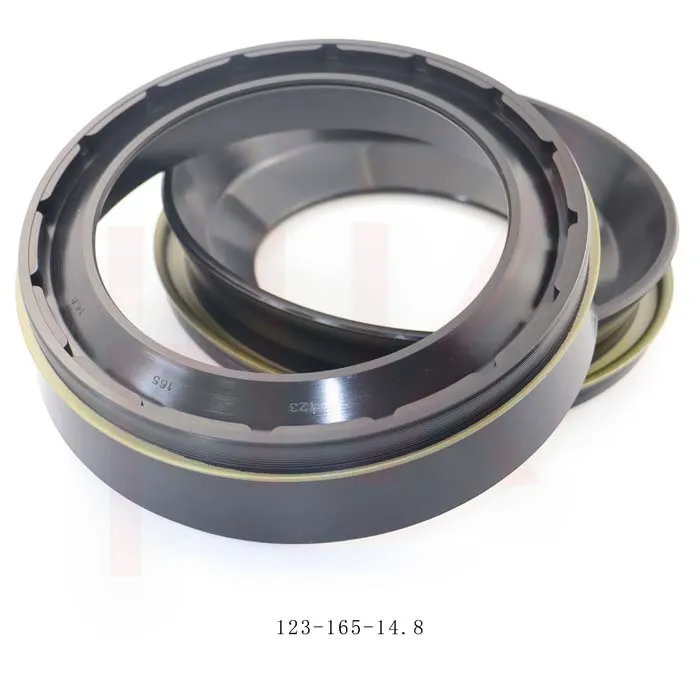
123*165*14.8 concrete mixer truck reducer oil seal
-
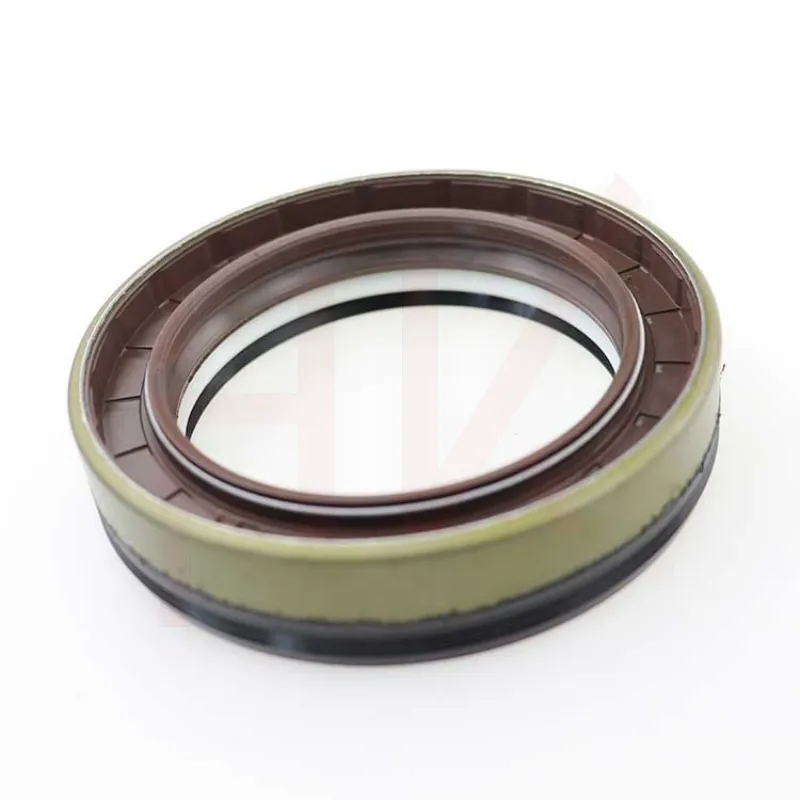
Tractor shaft oil seal 65-90-20 COMBI SF19 hub oil seal
-
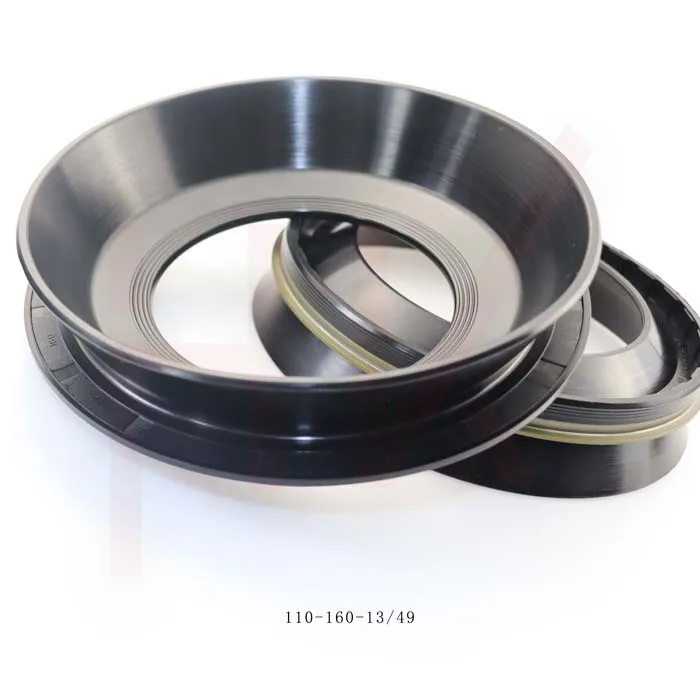
110*160*13/49 NBR reducerConcrete mixer truck oil seal
-
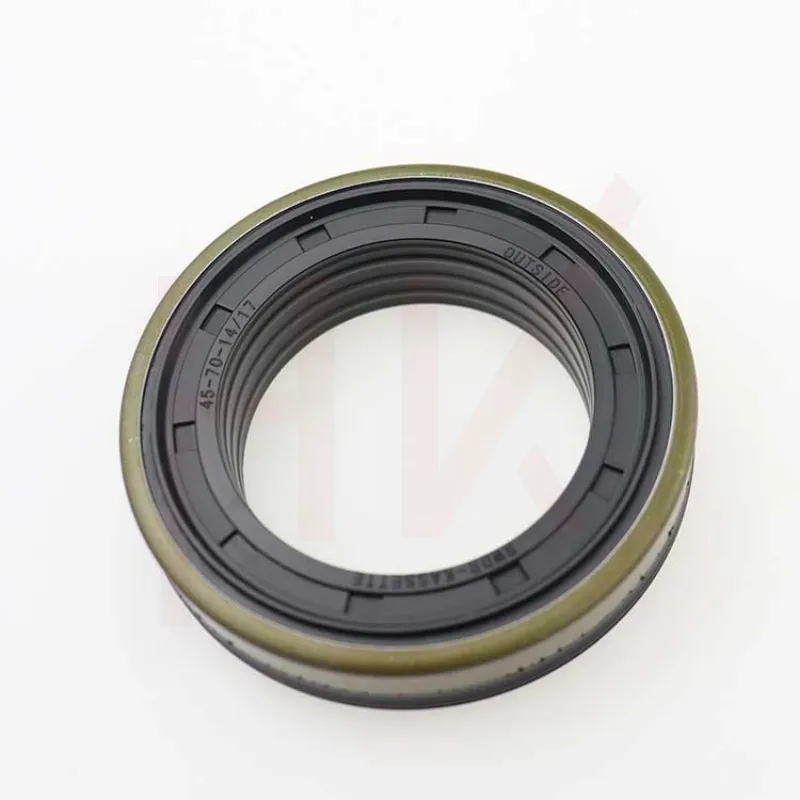
Hub oil seal 40*65*13/14.5 suitable for tractor Cat 12018035b
-
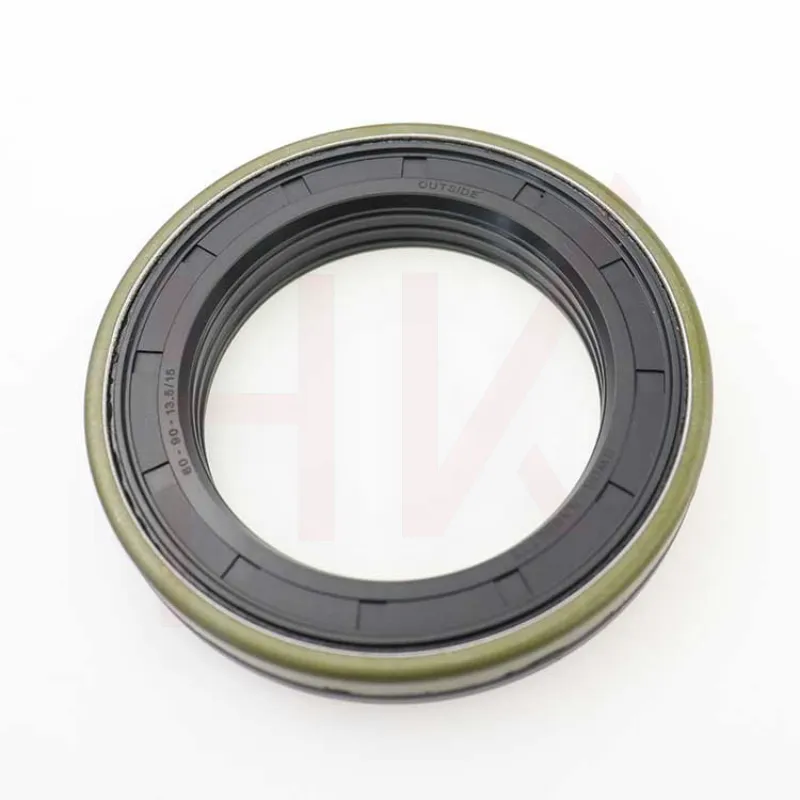
Tractor accessories cassette oil seal hub oil seal 60-90-13.5/15
-
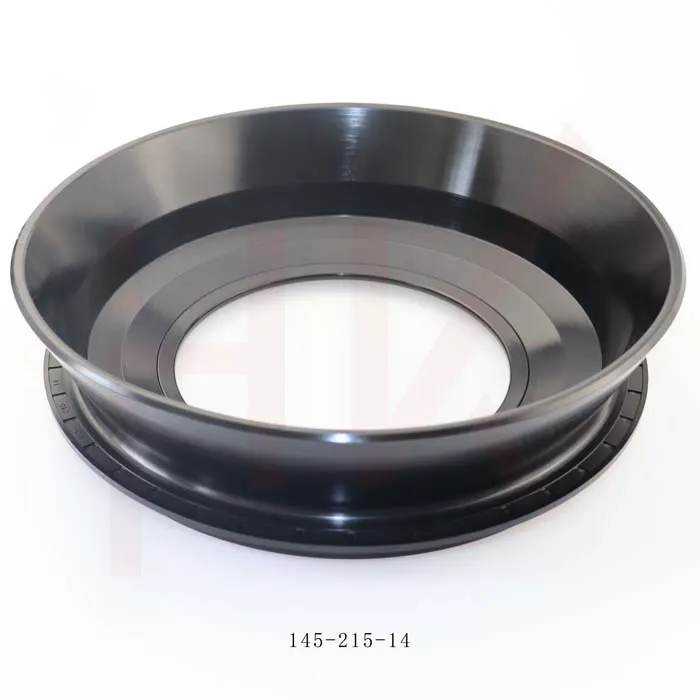
Factory concrete mixer truck oil seal 145*215*14 reducer gearbox oil seal
-
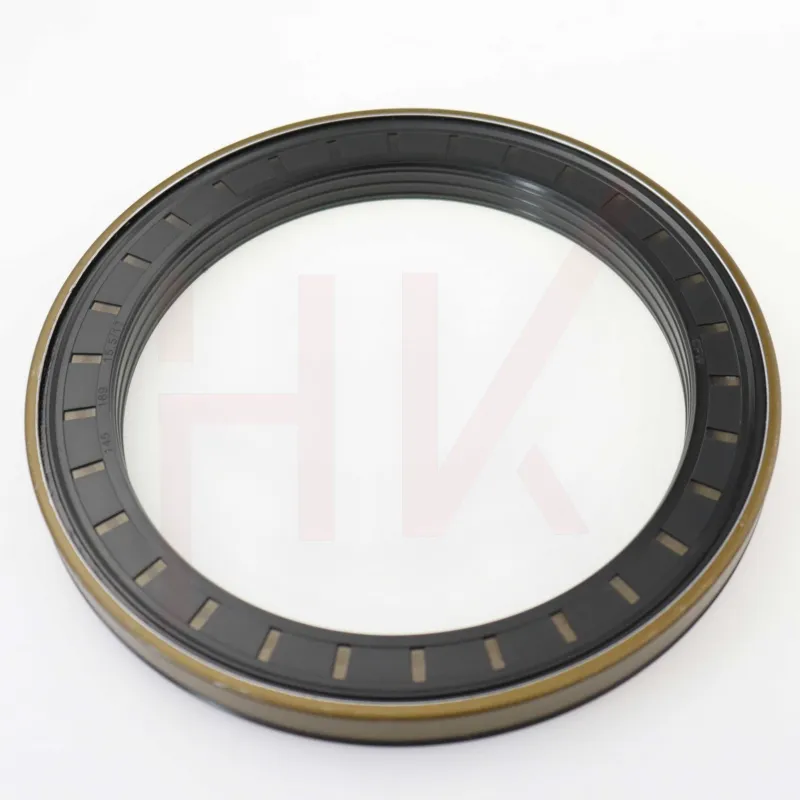
145*189*15.5/17 Cassette Seal NBR Hub Oil Seal 1508044
-
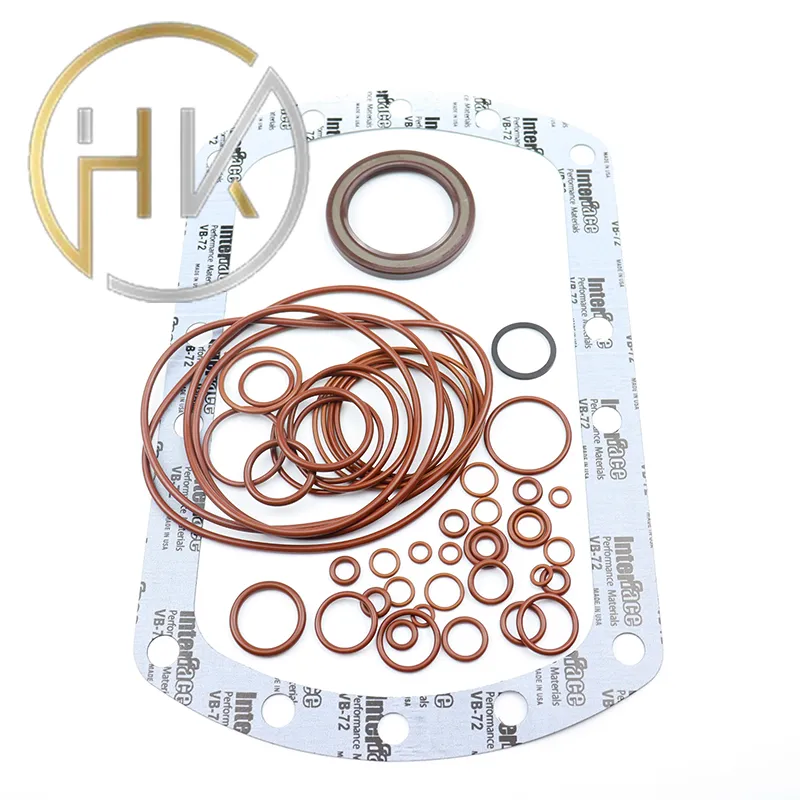
Factory direct sales hydraulic pump motor seal kit A8VO140
-
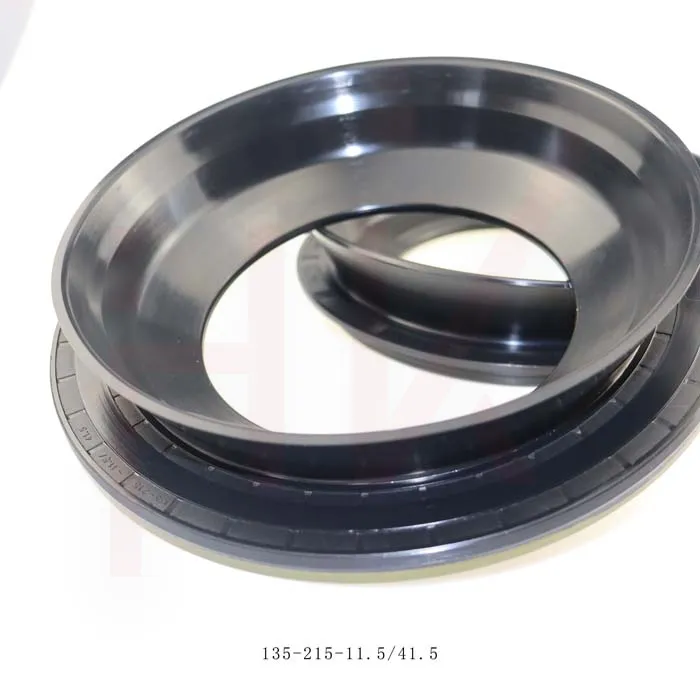
Brand new cement tanker oil seal 135*215*11.5/41.5 concrete mixer oil seal
-
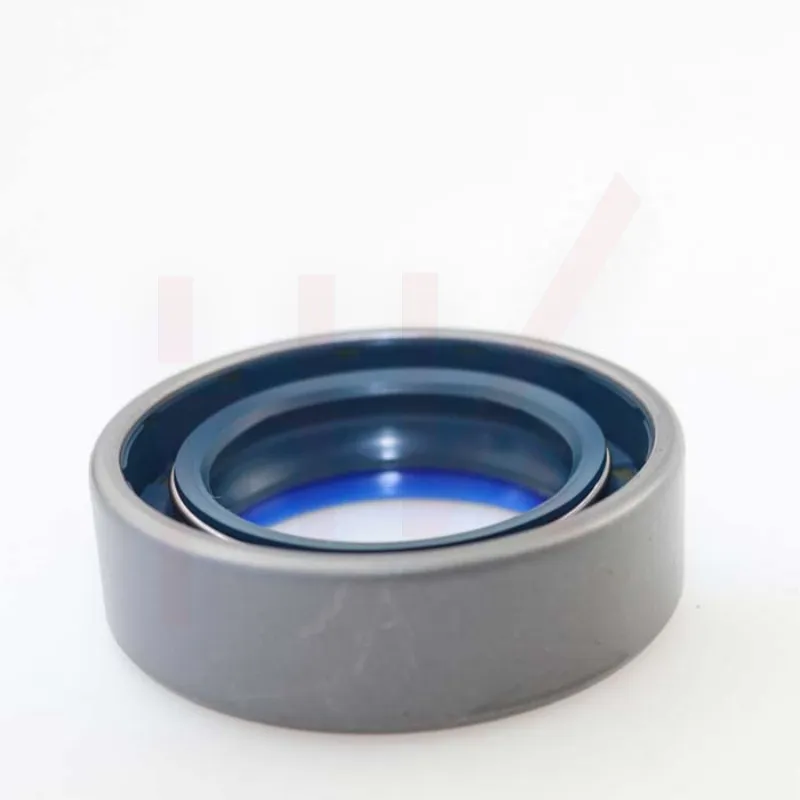
45*65*15 Combi oil seal JCB 90450009 COMBI SF1 SEAL
-
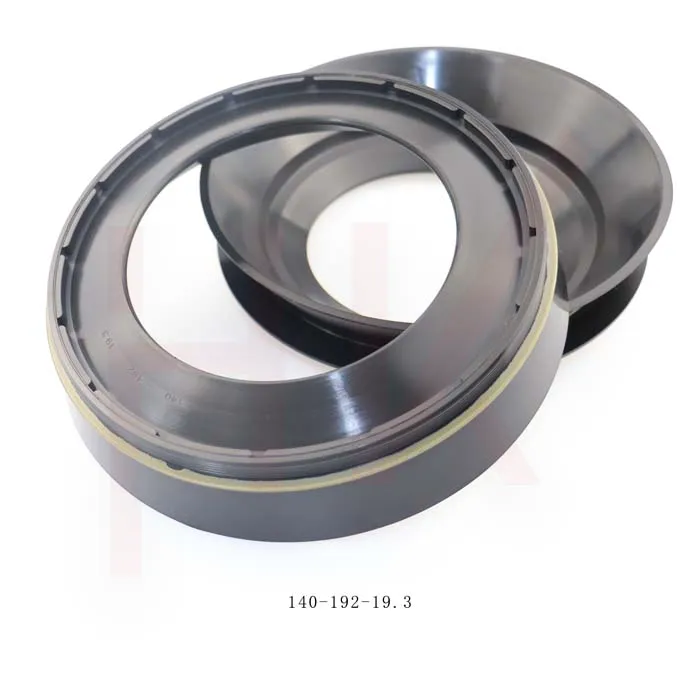
Gear box concrete mixer oil seal 140*192*19.3 nbr reducer oil seal
-
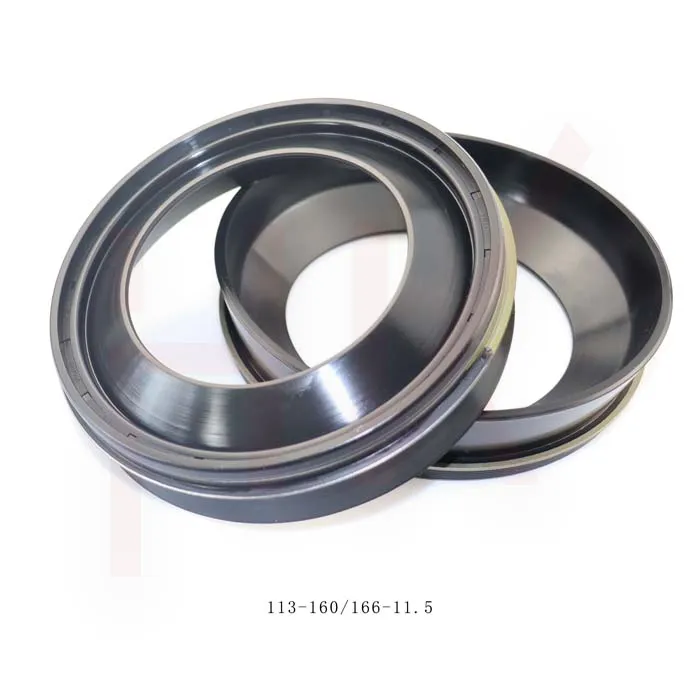
Seals factory direct sales 113*160/166*11.5/38 excavator truck reducer oil seal