
Nov . 28, 2025 20:45 Back to list
Essential Guide to Hydraulic Pump Seals | Durability, Applications & Innovations
Understanding Hydraulic Pump Seals: Why They Matter Globally
Hydraulic pump seals might not be the first thing you think about when looking at industrial machinery, but they’re quietly pivotal — the unsung heroes keeping hydraulic systems leak-free and efficient worldwide. These seals ensure that hydraulic pumps maintain pressure, prevent fluid loss, and avoid contamination, which in turn powers countless industries from construction to humanitarian aid. In fact, understanding the nuances of hydraulic pump seals can mean improved machine longevity, reduced downtime, and significant cost savings globally.
Globally, hydraulic systems support everything from heavy machinery in mining operations to lifelines in disaster relief projects. But without quality seals, all the hydraulic power in the world can't do much. So, grasping what makes hydraulic pump seals tick is pretty important — whether you’re an engineer, decision-maker, or supplier.
Mini takeaway: Think of hydraulic pump seals as the “heart valves” in hydraulic systems, essential for keeping the lifeblood flowing efficiently and safely wherever they’re used.
The Global Role and Challenge of Hydraulic Pump Seals
As industries modernize and demand for reliable hydraulic systems soars, the importance of durable, efficient hydraulic pump seals grows accordingly. According to the International Organization for Standardization (ISO 3320, 2019), seals are critical in enhancing energy efficiency by preventing leaks, which globally waste approximately 20-30% of hydraulic fluid annually. This isn't just about machines — it ties into sustainability and operational costs.
Regions with booming industrial sectors — like Southeast Asia's manufacturing hubs, North America's oil and gas fields, or Europe’s heavy machinery plants — all face challenges related to seal failure, often leading to costly downtime. Moreover, in humanitarian contexts, such as disaster zones or remote field operations, reliable hydraulic systems powered by robust seals can mean the difference between timely assistance and logistical failure.
But here’s the problem: the often harsh environments, pressure fluctuations, and wear can lead to premature seal failure, causing safety risks and expensive repairs.
Mini takeaway: Hydraulic pump seals may be small components, but globally they’re key to sustainability, safety, and efficiency in hydraulics-driven sectors.
What Exactly Are Hydraulic Pump Seals?
At their core, hydraulic pump seals are components designed to prevent fluid leakage between stationary and moving parts of pumps. Made from resilient materials like nitrile rubber, polyurethane, or PTFE, these seals maintain the pump’s internal pressure and keep out contaminants like dust or moisture.
Think of them as the boundary guardians — stopping hydraulic fluid from escaping and keeping dirt from sneaking in. This is especially critical since hydraulic systems rely on precise pressure levels to function correctly. If seals leak, efficiency drops, and worse — machinery can fail catastrophically.
Their role spans modern industries — from manufacturing and agriculture to critical infrastructure and humanitarian efforts — wherever hydraulic power moves heavy loads, operates braking systems, or manages control valves.
Core Factors that Define Quality Hydraulic Pump Seals
1. Durability Under Pressure
The seal’s ability to withstand high pressure without deformation is vital. Many engineers note that seals rated for pressures above 350 bar (roughly 5,000 psi) are preferred in heavy-duty industrial applications.
2. Material Compatibility
Hydraulic fluids vary, and seals must resist chemical degradation. A mismatch can rapidly wear out a seal, so resistance to oils, water, and additives is crucial.
3. Temperature Tolerance
Operations can involve temperatures ranging from subzero in arctic conditions to 120°C or higher in engine compartments. The seal material must cope with this thermal range.
4. Installation and Maintenance Ease
Seals that are easy to install reduce downtime and human error risks. Some modern seals come with features to simplify fitting or self-lubricate.
5. Cost Efficiency
Balancing upfront cost and lifespan saves money long-term. Investing in quality seals reduces replacement frequency and unplanned repairs.
6. Environmental Resistance
Seals often face dust, grit, water, and chemicals. Their resistance to external contamination prolongs pump life.
Mini takeaway: The best hydraulic pump seals aren’t just about surviving pressure; they’re about thriving in complex, changing environments.
Where Are Hydraulic Pump Seals Used Around the World?
Hydraulic pump seals power machines almost everywhere — but some applications demonstrate their importance sharply.
- Construction and Mining: Heavy equipment like excavators rely heavily on robust seals to maintain hydraulic power in dusty, rough terrains.
- Manufacturing Facilities: Precision machinery depends on leak-tight seals to maintain smooth and accurate operations.
- Oil and Gas Industry: Pumps in offshore rigs require seals resistant to extreme pressures and corrosive environments.
- Humanitarian Relief: Mobile water treatment units or emergency pumping stations in disaster zones depend on reliable seals to operate remotely.
- Agriculture: Tractors and irrigation systems utilize seals to keep hydraulics running under tough outdoor conditions.
Oddly enough, even emerging markets in Africa and Latin America increasingly rely on imported quality seals to maintain industrial growth and infrastructure development.
Advantages and Long-Term Benefits of Quality Hydraulic Pump Seals
Choosing the right seal yields tangible rewards:
- Operational Reliability: Fewer breakdowns keep projects on schedule, which literally saves money and lives in critical scenarios.
- Environmental Sustainability: Minimizing fluid leaks helps avoid soil and groundwater contamination, aligning with ISO 14001 environmental standards.
- Cost Savings: Reduced downtime and extended equipment life mean lower replacement and maintenance expenses.
- Worker Safety: Preventing leaks reduces slip hazards and equipment failures, protecting on-site teams.
- Innovation and Trust: Brands known for quality sealing solutions foster customer loyalty — in real terms, that's a competitive edge.
Future Trends Shaping Hydraulic Pump Seals
Looking ahead, several exciting developments promise to redefine hydraulic sealing:
- Advanced Materials: Nanocomposites and graphene-infused polymers offer improved wear resistance and heat tolerance.
- Smart Seals: Embedded sensors that alert operators of seal wear or leaks before failure.
- Eco-Friendly Manufacturing: Biodegradable elastomers reduce environmental footprints.
- Digital Twins and Predictive Maintenance: Real-time data helps preempt seal failures, lowering unexpected breakdowns.
- Automation Integration: Self-adjusting seals adapt dynamically to changing pressures and temperatures.
Facing Challenges Head-On
Seal failure is often blamed on poor installation, incompatible materials, or severe operating conditions. But solutions abound:
- Customized Seal Designs: Tailored for specific pumps and fluids, enhancing fit and function.
- Rigorous Testing Standards: ISO 5597 details hydraulic sealing testing — following these boosts reliability.
- Enhanced Installation Training: Better operator education reduces human error-related failures.
- Innovative Composite Materials: Offer improved resistance to extreme conditions without sacrificing flexibility.
Hydraulic Pump Seals: Specifications at a Glance
| Specification | Typical Range | Notes |
|---|---|---|
| Operating Pressure | Up to 500 bar (7,250 psi) | Heavy-duty seals handle higher pressures |
| Temperature Range | -40°C to 120°C (-40°F to 250°F) | Depends significantly on material composition |
| Materials | Nitrile, Polyurethane, PTFE, Viton | Material choice affects durability and fluid compatibility |
| Seal Type | Lip seals, O-rings, U-cup seals, Piston seals | Selected based on application requirements |
| Installation | Manual or automated assembly | Ease varies with design and tooling |
Comparing Leading Hydraulic Pump Seal Vendors
| Vendor | Material Innovation | Global Reach | Industry Focus | Typical Lead Time |
|---|---|---|---|---|
| SealTech Pro | High-performance polymers | Worldwide, strong in mining & construction | Heavy equipment, oil and gas | 2-4 weeks |
| HydraSeal Inc. | Eco-friendly elastomers | Strong in Europe and Asia | Manufacturing, agriculture | 1-3 weeks |
| Prime Seal Solutions | Sensor-integrated smart seals | Global, niche in automation | Automotive, robotics | 3-5 weeks |
Frequently Asked Questions About Hydraulic Pump Seals
Q1: How do I choose the right hydraulic pump seal for my equipment?
A1: Consider the operating pressure, temperature range, type of hydraulic fluid, and environmental conditions. Match these with the seal material (e.g., nitrile for general oil resistance, Viton for high temperatures). Consulting with manufacturers or suppliers like hydraulic pump seals experts often helps make an informed choice.
Q2: What causes hydraulic pump seals to fail prematurely?
A2: Common causes include improper installation, incompatible fluid exposure, pressure spikes, abrasion from contaminants, and material degradation due to temperature extremes. Routine maintenance and choosing the right seal type can mitigate most failures.
Q3: Can hydraulic seals be repaired or should they be replaced?
A3: Generally, seals are replaced rather than repaired to ensure integrity and safety. Reusing old or damaged seals can lead to leaks and equipment damage.
Q4: How often should hydraulic pump seals be inspected or replaced?
A4: Inspection frequency depends on usage intensity and environment but typically every 6-12 months. Replacement intervals vary but proactive replacement before failure is advised to avoid costly downtime.
Q5: Are there environmentally friendly hydraulic pump seals?
A5: Yes, advances in biodegradable elastomers and eco-conscious manufacturing processes offer greener options. These seals reduce environmental footprints without sacrificing performance.
Conclusion: Why Hydraulic Pump Seals Deserve Your Attention
In the grand scheme of industrial machinery, hydraulic pump seals may seem small — but their impact is massive. They support sustainability goals, enhance safety, and boost operational efficiency worldwide. Whether you’re managing a heavy machinery fleet or supporting remote infrastructure, investing in reliable seals pays off in the long run.
For those ready to elevate their hydraulic systems, it’s worth checking expert suppliers and learning more about the latest sealing technologies. Curious to explore your options? Visit our website: https://www.hkaiseal.com and discover how quality hydraulic pump seals can transform your operations.
References
-
Guide to Choosing the Right High Quality hydraulic ram kit
NewsApr.16,2026
-
Premium Hydraulic Cylinder Packing Kits for Peak Performance
NewsApr.09,2026
-
Comprehensive Guide to Hydraulic Cylinder Oil Seal Kits for Optimal Performance
NewsApr.07,2026
-
Comprehensive Guide to Choosing the Right Cylinder Seal Kits for Peak Performance
NewsApr.04,2026
-
Comprehensive Guide to Seal Kits for Cylinders Ensuring Optimal Performance
NewsMar.31,2026
-
Comprehensive Guide to Hyd Cylinder Seals for Optimal Hydraulic System Performance
NewsMar.28,2026
-
Comprehensive Guide to Hyd Cylinder Seal Kit Selection and Installation
NewsMar.26,2026
Products categories
-
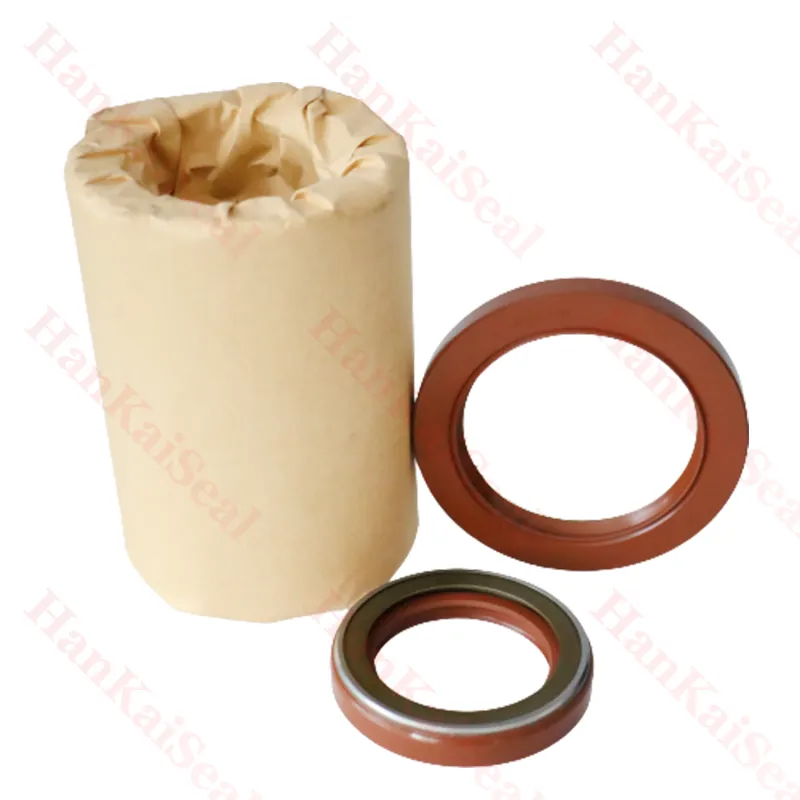
Standard oil seal BP0494 High pressure TCN oil seal
-
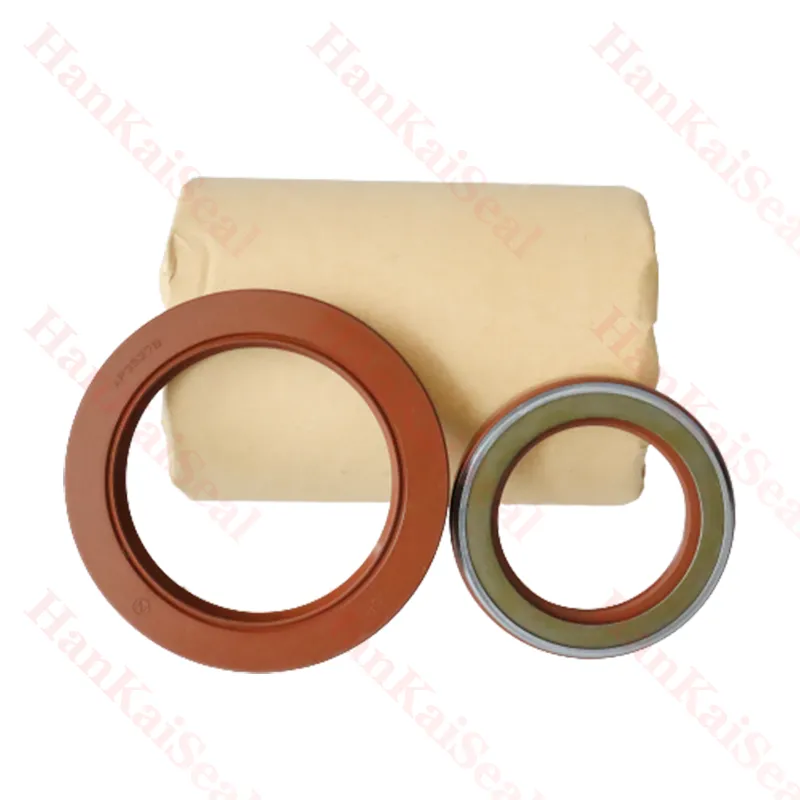
Hydraulic pump seal AP4624G high pressure TCN oil seal
-
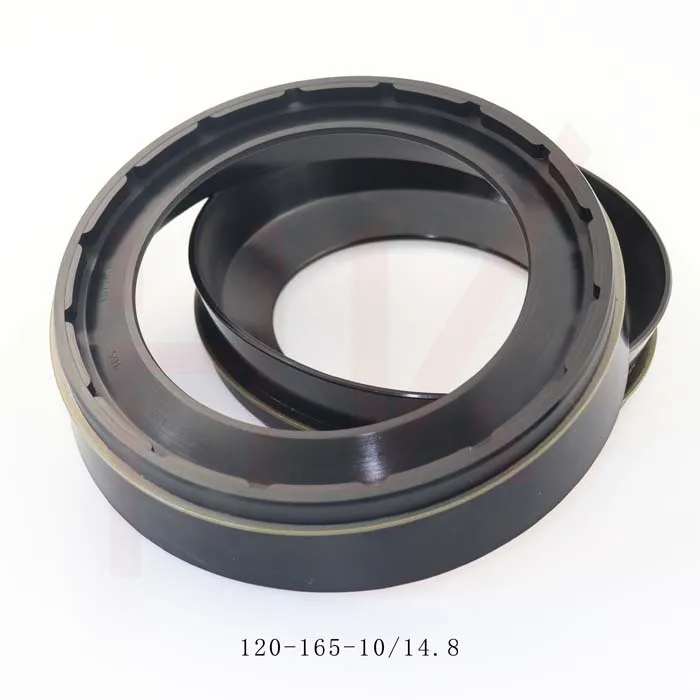
0734307418 0750112169 120*165*10/14.8 concrete mixer reducer oil seal
-
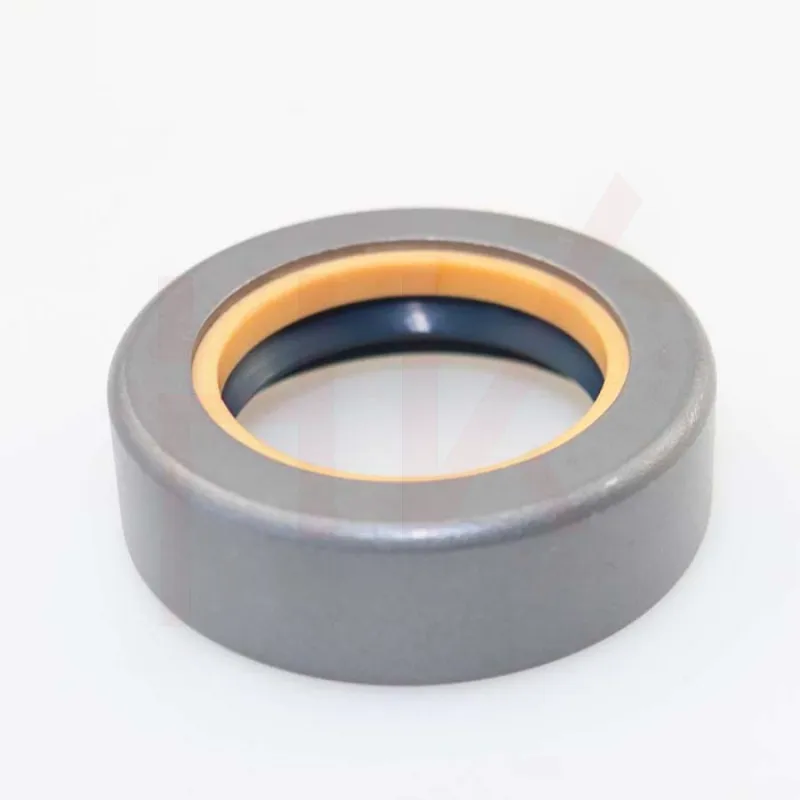
35*52*16 Standard Wheel Hub Oil Seal For Agricultural Machinery
-
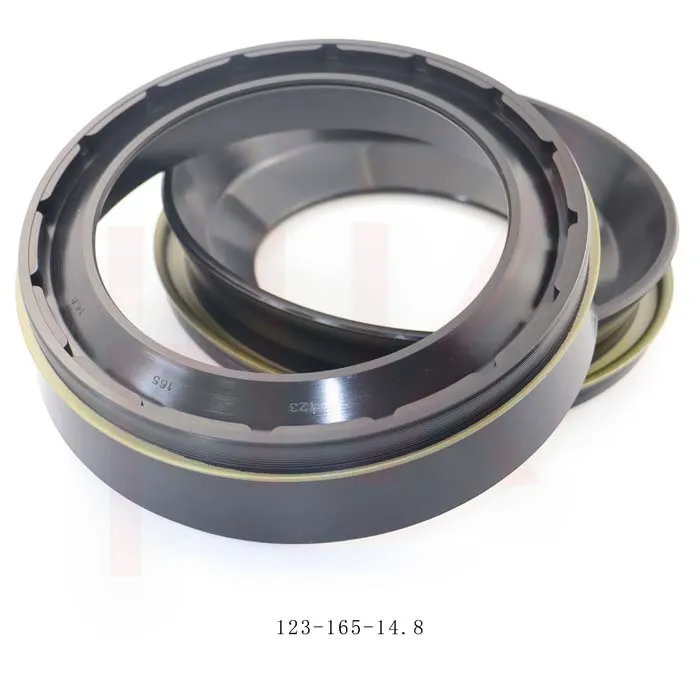
123*165*14.8 concrete mixer truck reducer oil seal
-
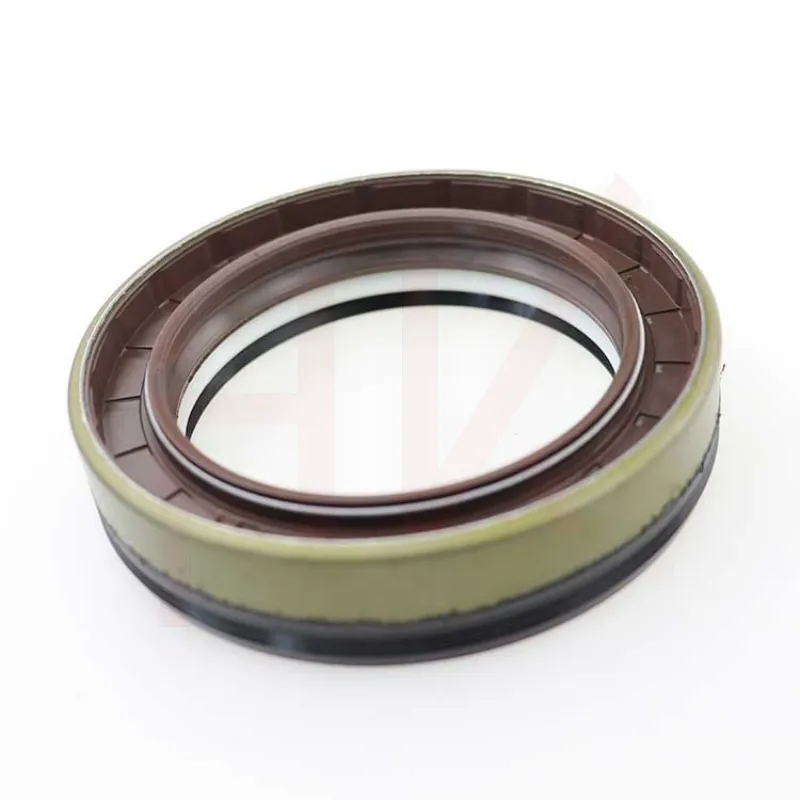
Tractor shaft oil seal 65-90-20 COMBI SF19 hub oil seal
-
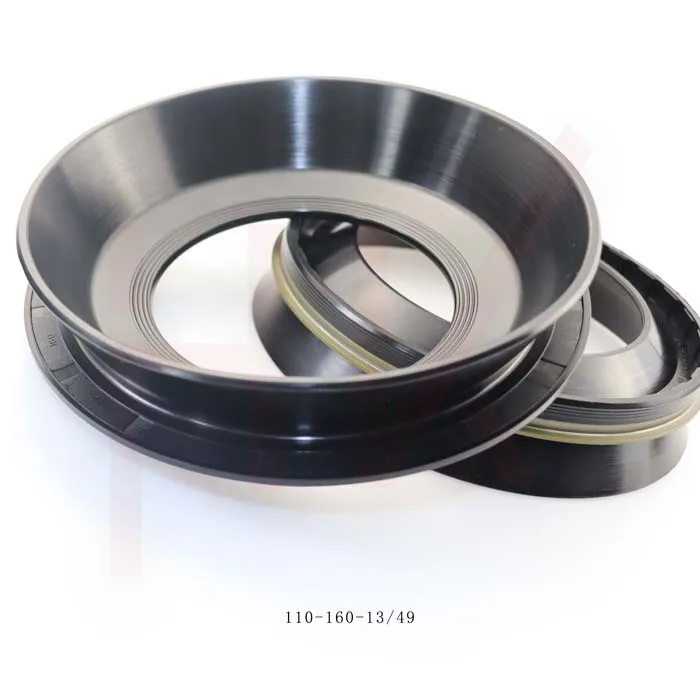
110*160*13/49 NBR reducerConcrete mixer truck oil seal
-
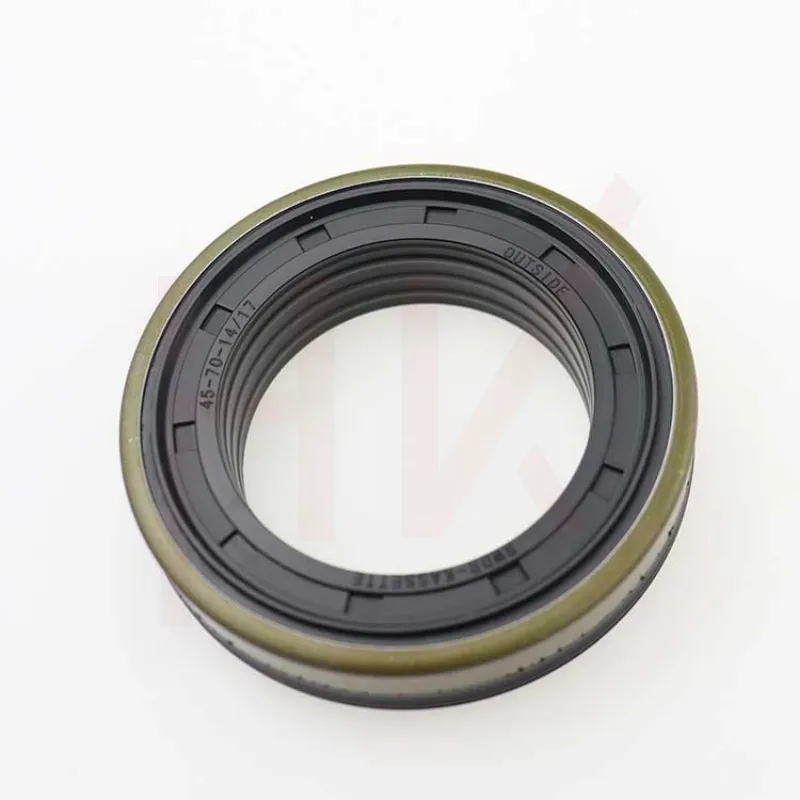
Hub oil seal 40*65*13/14.5 suitable for tractor Cat 12018035b
-
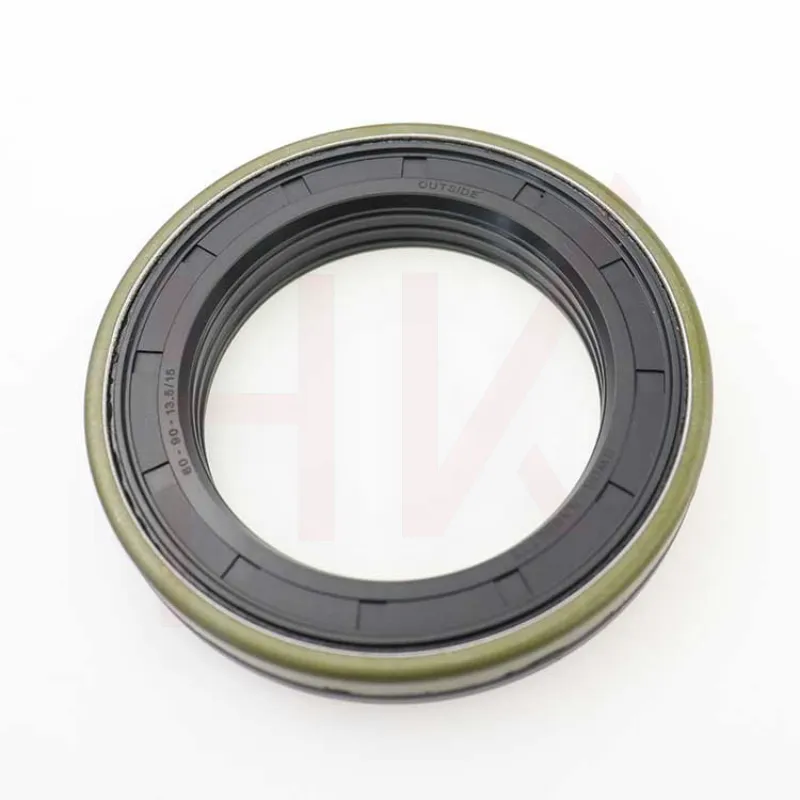
Tractor accessories cassette oil seal hub oil seal 60-90-13.5/15
-
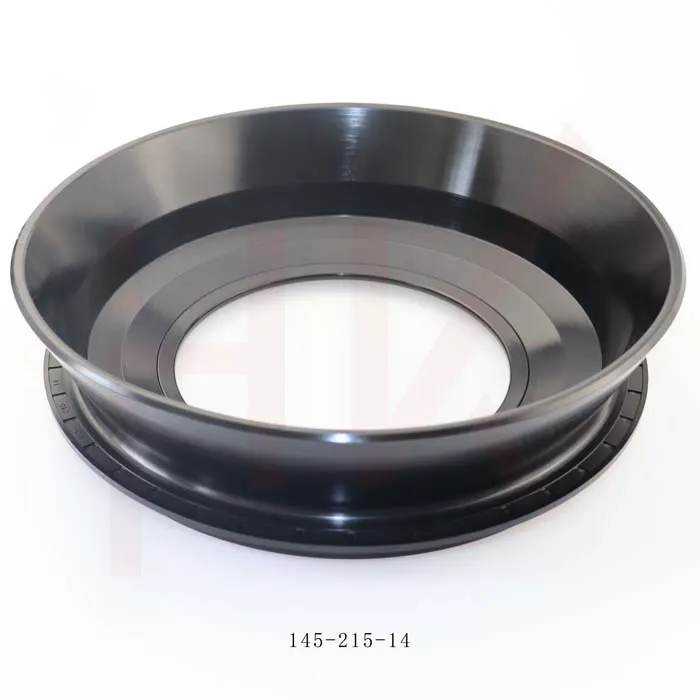
Factory concrete mixer truck oil seal 145*215*14 reducer gearbox oil seal
-
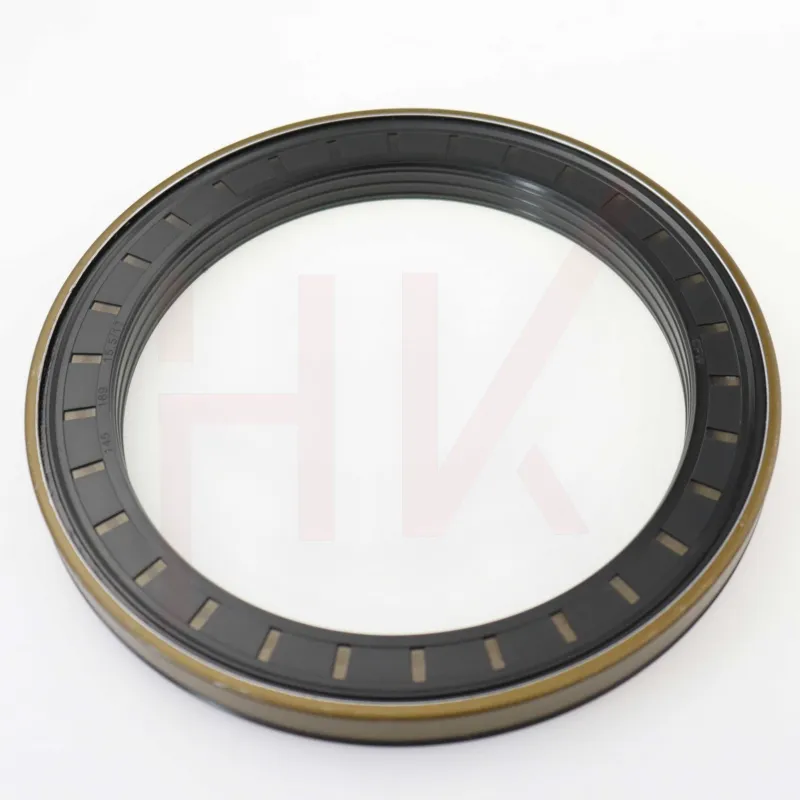
145*189*15.5/17 Cassette Seal NBR Hub Oil Seal 1508044
-
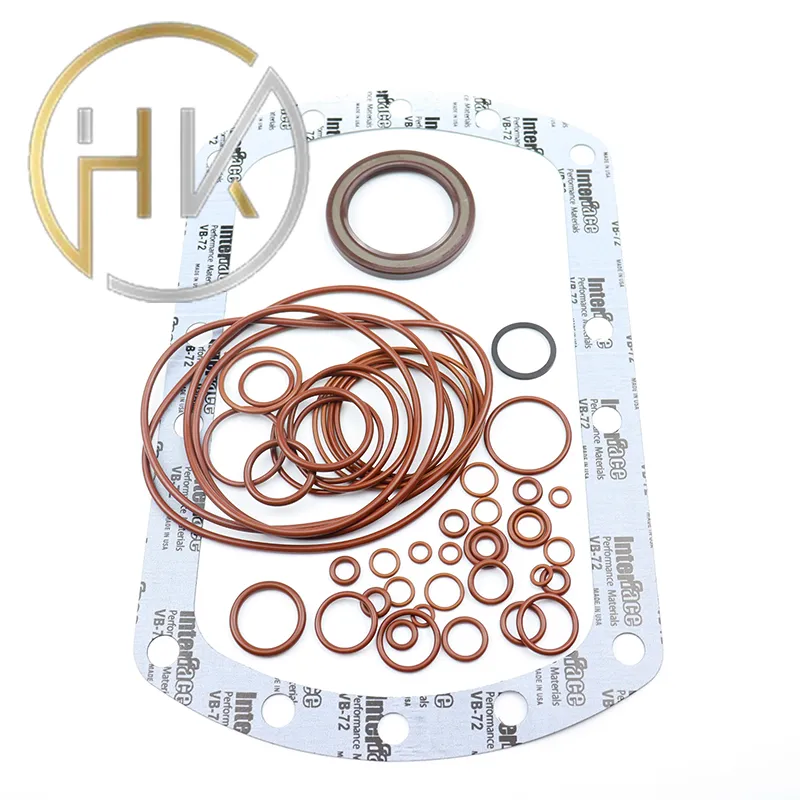
Factory direct sales hydraulic pump motor seal kit A8VO140
-
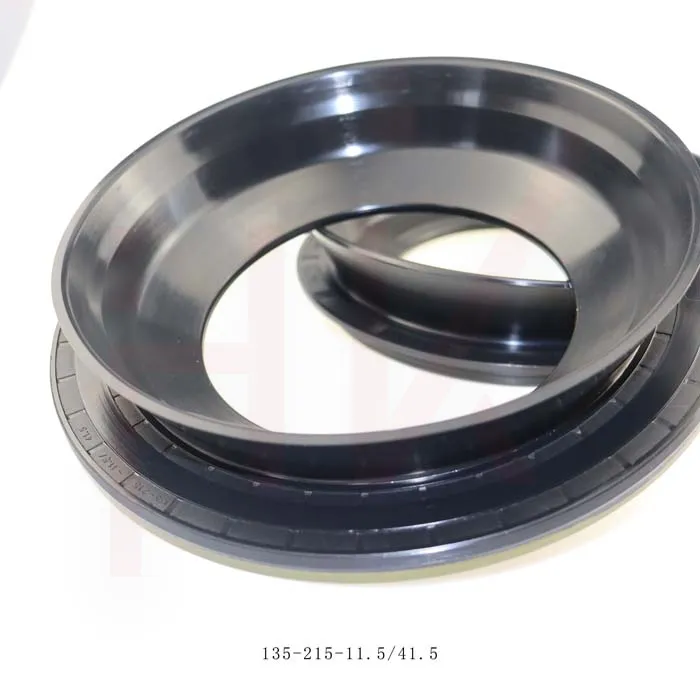
Brand new cement tanker oil seal 135*215*11.5/41.5 concrete mixer oil seal
-
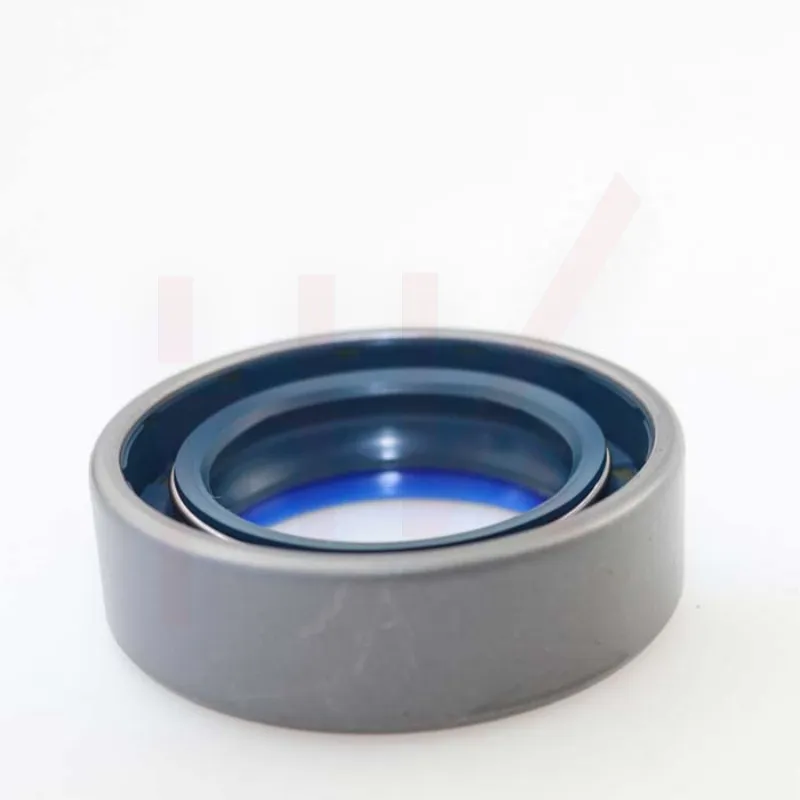
45*65*15 Combi oil seal JCB 90450009 COMBI SF1 SEAL
-
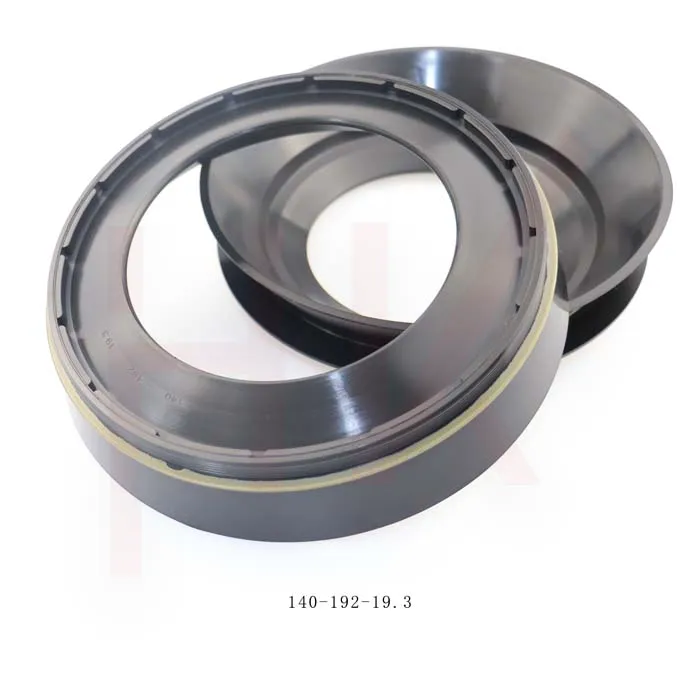
Gear box concrete mixer oil seal 140*192*19.3 nbr reducer oil seal
-
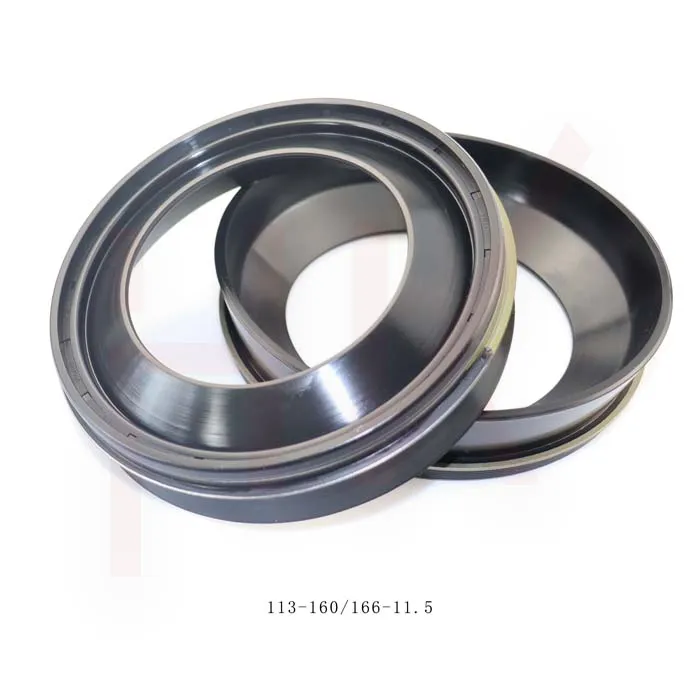
Seals factory direct sales 113*160/166*11.5/38 excavator truck reducer oil seal