
Nov . 28, 2025 22:15 Back to list
Durable and Reliable Gear Pump Seal Kits | Quality Seal Solutions
The Essential Role of Gear Pump Seal Kits in Modern Industry
When it comes to keeping fluid transfer systems leak-free and efficient, a gear pump seal kit quietly does the heavy lifting. You might not notice it, but this humble component has a big impact — from safeguarding sensitive machinery to reducing costly downtime. Understanding what a gear pump seal kit is, why it matters globally, and what benefits it brings can make all the difference for manufacturers, engineers, and industries that rely on precision fluid management.
Why Gear Pump Seal Kits Matter on a Global Scale
The world processes billions of gallons of industrial liquids daily — chemicals, fuels, lubricants, and more — all moving through countless types of pumps. As per ISO standards and global manufacturing reports, gear pumps are among the most popular positive displacement pumps used in sectors such as automotive, chemical processing, and marine engineering. Yet, a core challenge remains: effectively sealing these pumps to prevent leaks that cause environmental hazards, safety risks, and massive maintenance costs.
Leakage in fluid systems can lead not only to downtime but also contamination impacting ecosystems or human health. The United Nations Environment Programme highlights the importance of avoiding such industrial leaks to reduce pollution globally. Thus, a reliable gear pump seal kit plays a crucial role in meeting environmental standards and improving operational integrity worldwide.
What Exactly Is a Gear Pump Seal Kit?
In simple terms, a gear pump seal kit is a tailored set of sealing components designed to fit a gear pump and keep its fluids contained within the system. It usually consists of mechanical seals, O-rings, gaskets, and sometimes bearings or washers. You can think of it as the pump’s protective armor against leaks and wear.
Gear pumps work by meshing gears that move fluid in a controlled, pressurized flow. Without proper sealing, the very mechanism that makes the pump effective can become a liability—fluid seeps out, pressure drops, and equipment can fail. Whether it's on a factory floor in Germany or oil fields in Nigeria, these seal kits help meet the demanding needs of industrial fluid conveyance and contribute to safer, longer-lasting pump operations.
Key Components & Factors in Gear Pump Seal Kits
1. Durability & Material Quality
Seals endure constant friction and varied chemical exposure. Manufacturers often use materials like Viton, PTFE, or carbon composites to enhance life expectancy and resistance.
2. Compatibility & Custom Fit
Every gear pump model requires a specific seal kit design. A mismatch can cause rapid wear or failure. Many vendors offer tailored kits to fit brands such as Bosch Rexroth, Viking, or Eaton precisely.
3. Ease of Installation
Efficient seal kits come with clear instructions and are engineered for straightforward assembly, minimizing downtime during maintenance cycles.
4. Cost Efficiency Over Time
While premium seal kits may cost more upfront, they typically reduce long-term expenses by decreasing pump failures and upkeep frequency.
5. Environmental Compliance
Since fluids vary from harmless to hazardous, seals must prevent leaks that could cause spills or emissions restricted by environmental regulations.
6. Adaptability to Harsh Conditions
Whether extreme temperatures or abrasive fluids, robust gear pump seal kits must perform reliably under challenging operational environments.
Mini takeaway: In essence, choosing the right gear pump seal kit means balancing durability, fit, and cost/performance for your specific application.
The Wide-Ranging Global Applications of Gear Pump Seal Kits
From sprawling factories in China to offshore rigs in the North Sea, gear pump seal kits play a crucial role in diverse industries:
- Chemical Processing: Precise containment of aggressive chemicals prevents uncontrolled leaks.
- Automotive Manufacturing: High-performance gear pumps lubricate engines and transmissions.
- Oil and Gas: Seal kits keep pipelines, refineries, and extraction equipment running safely.
- Food and Beverage: Specialized seal kits ensure sanitary compliance while pumping edible oils or flavorings.
- Disaster Relief & Remote Operations: Portable systems equipped with quality seal kits avoid leaks and sustain equipment reliability where onsite maintenance is limited.
For example, in the Gulf Coast’s petrochemical sector, downtime can cost thousands per minute. Reliable sealing reduces this risk substantially.
Product Specification Table: Typical Gear Pump Seal Kit
| Component | Material | Temperature Range | Chemical Compatibility | Typical Lifespan |
|---|---|---|---|---|
| Mechanical Seal | Carbon/Silicon Carbide | -20°C to 180°C | Wide (acids, oils) | 12-24 months |
| O-Rings | Viton / NBR | -30°C to 220°C | Oils, Fuels, Chemicals | 18-36 months |
| Gaskets | PTFE / Rubber | -40°C to 150°C | Food-grade, Chemicals | 24-36 months |
| Bearing Washer | Steel | -50°C to 200°C | N/A (mechanical) | 3+ years |
How Vendors Stack Up: A Quick Comparison
| Vendor | Customization | Material Quality | Lead Time | Price Range | Global Shipping |
|---|---|---|---|---|---|
| AlphaSeal | High (OEM fit) | Premium | 2-3 weeks | $$$ | Yes |
| SealWorks | Medium | Standard | 1-2 weeks | $$ | Limited |
| GlobalPumpParts | Low (standard kits) | Economy | 5+ weeks | $ | Yes |
Advantages and Long-Term Strategic Value
Picking the right gear pump seal kit isn’t just about avoiding leaks today. You’re investing in:
- Cost Savings: Fewer repair expenses and unplanned stoppages.
- Environmental Responsibility: Meets regulations to prevent harmful spills.
- Operational Reliability: Consistent performance promotes trust in your systems.
- Enhanced Safety: Protects workers from fluid exposure or machine malfunction.
- Innovation Enablement: Knowing your seals hold up lets you push for smarter, automated pumping systems.
Honestly, it’s a small part that often carries weight well beyond its size.
Looking Ahead: Innovations in Gear Pump Seal Kits
Industry leaders are exploring advanced materials like graphene-enhanced composites that promise longer life and better chemical resistance. Digital sensors embedded in seals can now monitor wear and alert maintenance teams before failures happen — a peek into predictive maintenance.
Meanwhile, sustainability is driving research into biodegradable seal materials and lower friction designs that reduce energy loss. As regulations tighten globally (think ISO 14001 and EU directives), these innovations will become a must-have rather than a nice-to-have. Automation and IoT integration will also streamline how companies track seal kit performance across remote operations, contributing to smarter factories and supply chains.
Facing Challenges: What’s Holding Us Back?
Still, it’s not all smooth sailing. Many gear pump operators complain about:
- Installation Errors: Incorrect fitting leads to premature failure.
- Material Limitations: Not all kits are suited for every fluid type, causing replacement headaches.
- Cost Constraints: Especially in emerging markets, premium kits can be seen as too expensive.
- Supply Chain Delays: Long lead times prevent quick maintenance turnaround.
Experts recommend rigorous training for installation, careful application-specific selection, and developing local sourcing networks to mitigate these problems. Gear pump seal kit suppliers investing in educational support often see better customer satisfaction — after all, the best product only works if installed right.
FAQ: Your Top Questions About Gear Pump Seal Kits
Q1: How do I know if my gear pump seal kit is failing?
A: Common signs include fluid leaks, temperature spikes near the seal area, unusual noises, or reduced pump pressure. Regular inspections and monitoring increase your chances of catching issues early.
Q2: Can I use generic seal kits on my specific gear pump?
A: Not recommended. Generic kits might not match your pump’s dimensions or chemical exposure requirements, risking seal failure. It’s better to choose OEM or customized kits designed for your exact pump model.
Q3: What maintenance frequency is optimal for gear pump seals?
A: Depends on your operating conditions, but many recommend inspecting or replacing seal kits every 12 to 24 months. Harsh environments may require more frequent attention.
Q4: Are there eco-friendly gear pump seal kits available?
A: Yes, some manufacturers now offer seal kits made from biodegradable or recyclable materials compliant with environmental certifications. These also prioritize low friction for energy efficiency.
Q5: How can I ensure my pump won’t leak during critical operations?
A: Employ high-quality gear pump seal kits, adhere to proper installation procedures, and consider seals with embedded sensors for early warning. Preventive maintenance programs are key.
Conclusion: Sealing the Deal for Long-Term Success
Wrapping it all up, investing in a reliable gear pump seal kit goes beyond just plugging leaks — it’s about preventing costly failures, protecting the environment, and enhancing safety. As industries push for smarter, cleaner, and more automated operations, seal kits will evolve but remain a fundamental piece of the puzzle.
If you want to explore top-tier gear pump seal kits that balance quality and value, visit our website and discover solutions tailored to your needs. Because in the world of pumps, it’s often the tiny seals quietly keeping the wheels turning that make all the difference.
References
-
Premium Hydraulic Cylinder Packing Kits for Peak Performance
NewsApr.09,2026
-
Comprehensive Guide to Hydraulic Cylinder Oil Seal Kits for Optimal Performance
NewsApr.07,2026
-
Comprehensive Guide to Choosing the Right Cylinder Seal Kits for Peak Performance
NewsApr.04,2026
-
Comprehensive Guide to Seal Kits for Cylinders Ensuring Optimal Performance
NewsMar.31,2026
-
Comprehensive Guide to Hyd Cylinder Seals for Optimal Hydraulic System Performance
NewsMar.28,2026
-
Comprehensive Guide to Hyd Cylinder Seal Kit Selection and Installation
NewsMar.26,2026
-
Comprehensive Guide to Hydraulic Cylinder Seal Kits for Optimal Performance
NewsMar.24,2026
Products categories
-
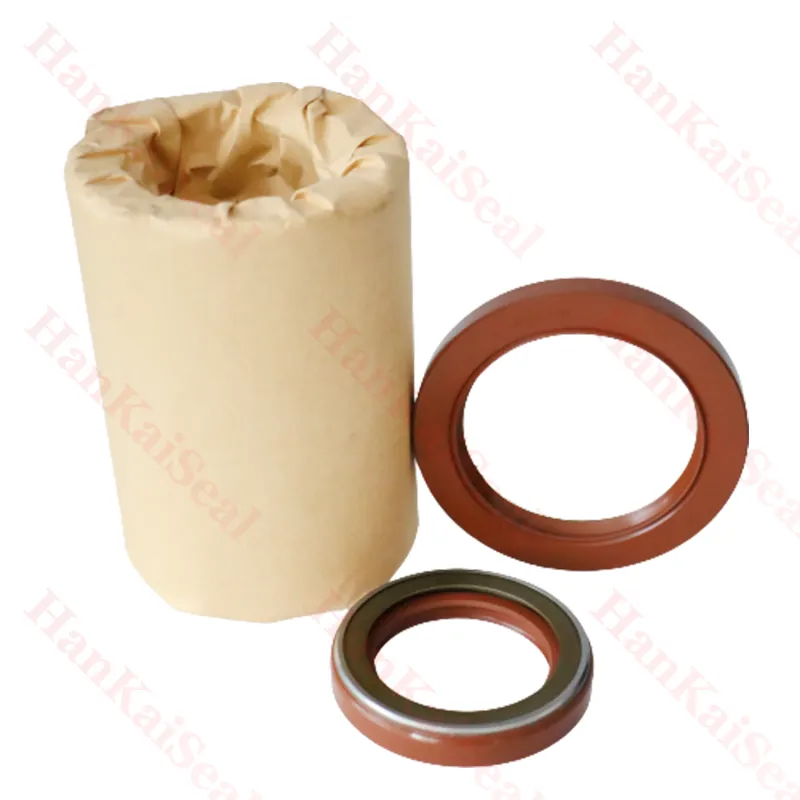
Standard oil seal BP0494 High pressure TCN oil seal
-
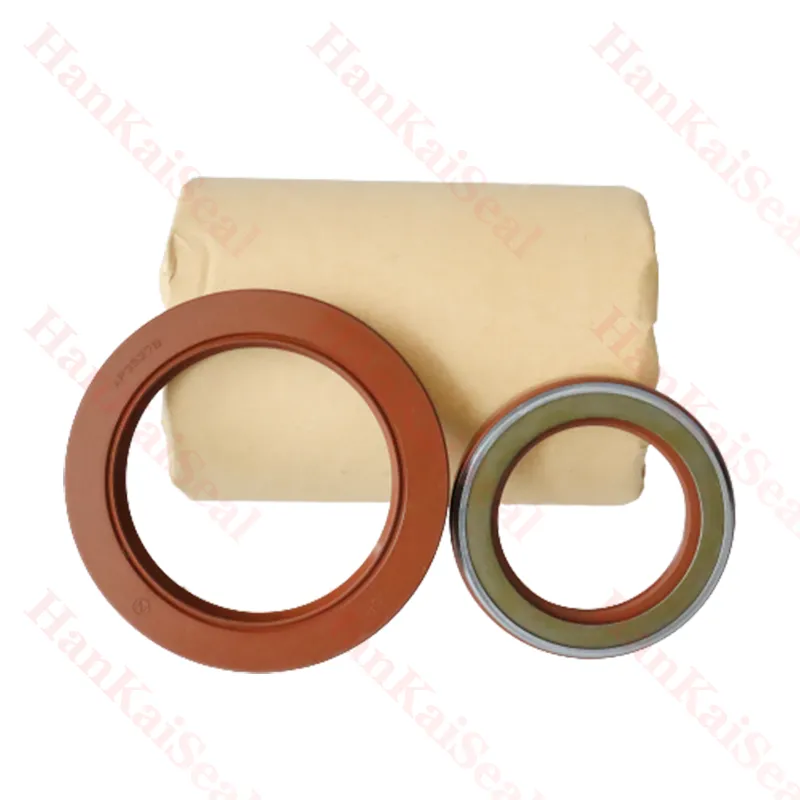
Hydraulic pump seal AP4624G high pressure TCN oil seal
-
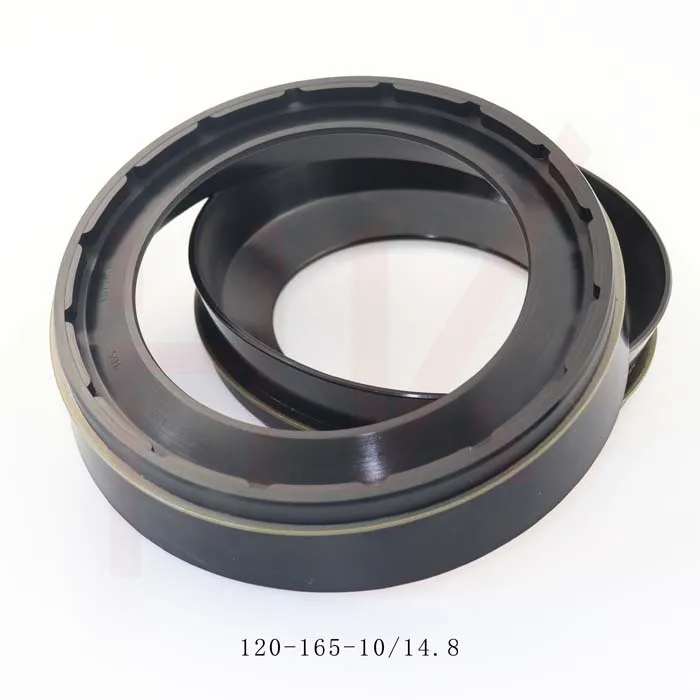
0734307418 0750112169 120*165*10/14.8 concrete mixer reducer oil seal
-
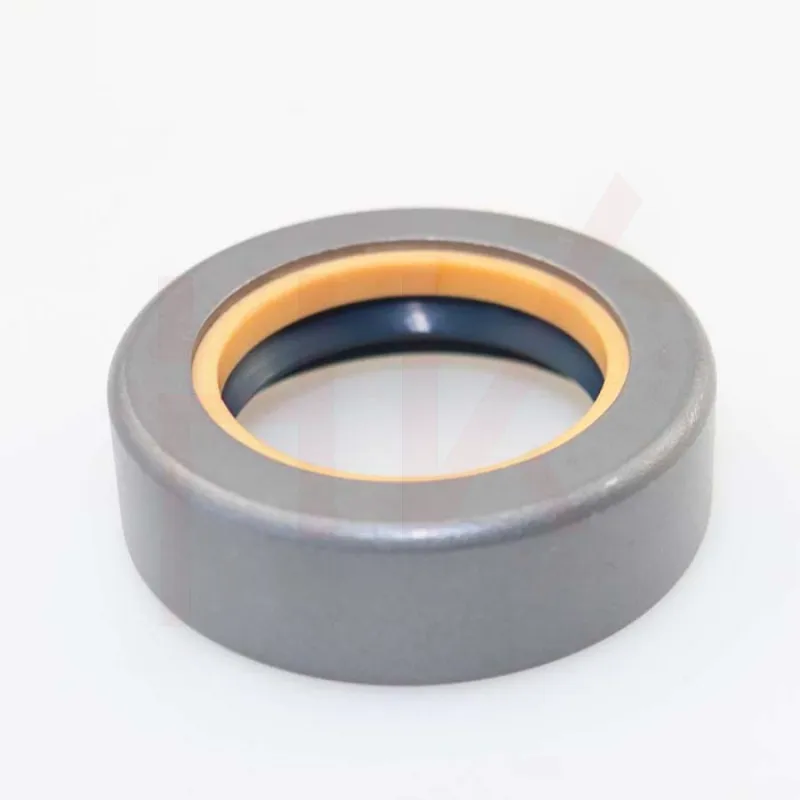
35*52*16 Standard Wheel Hub Oil Seal For Agricultural Machinery
-
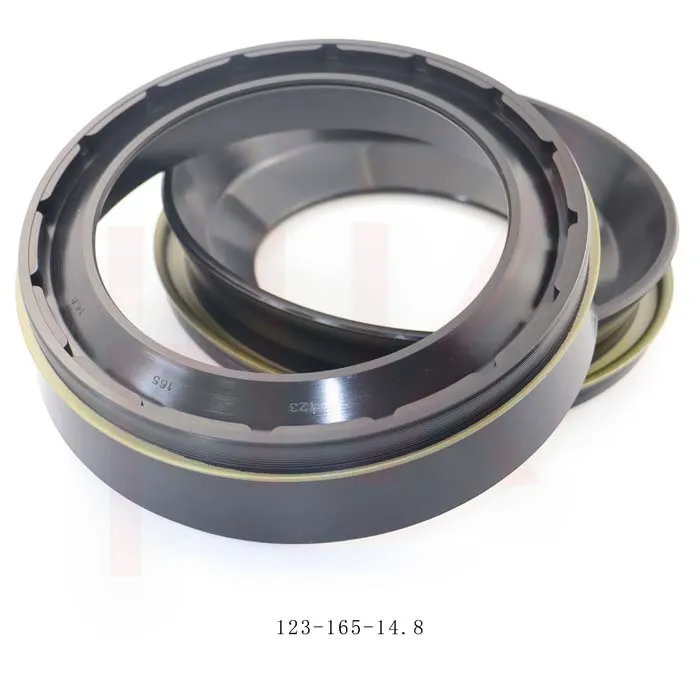
123*165*14.8 concrete mixer truck reducer oil seal
-
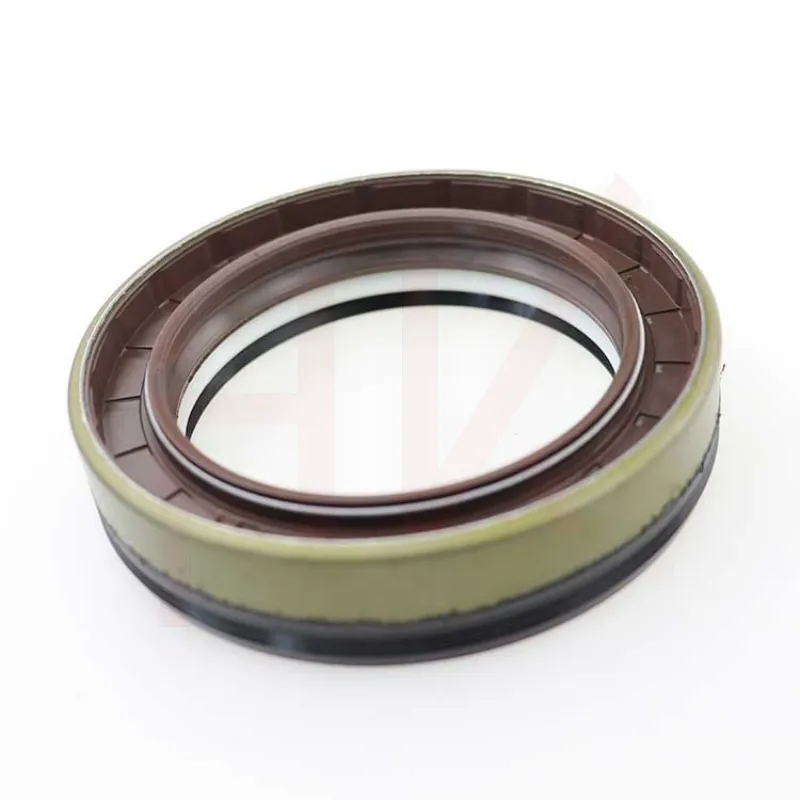
Tractor shaft oil seal 65-90-20 COMBI SF19 hub oil seal
-
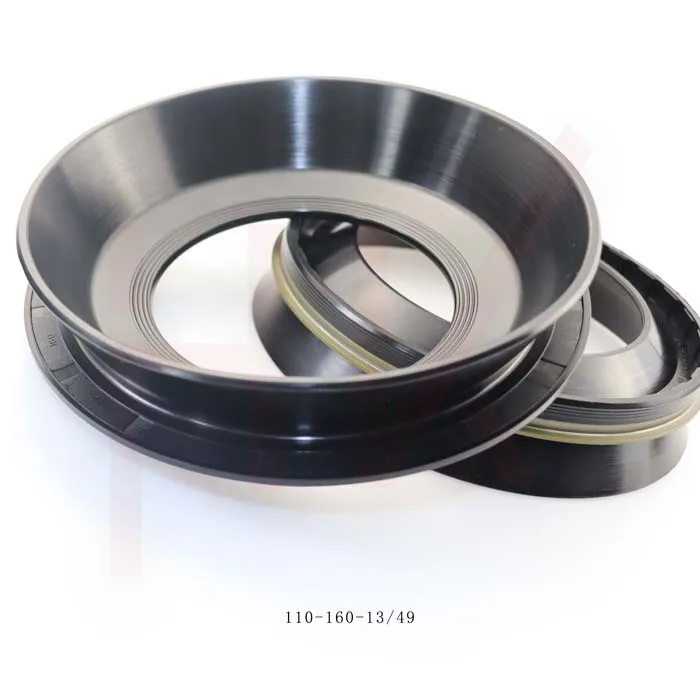
110*160*13/49 NBR reducerConcrete mixer truck oil seal
-
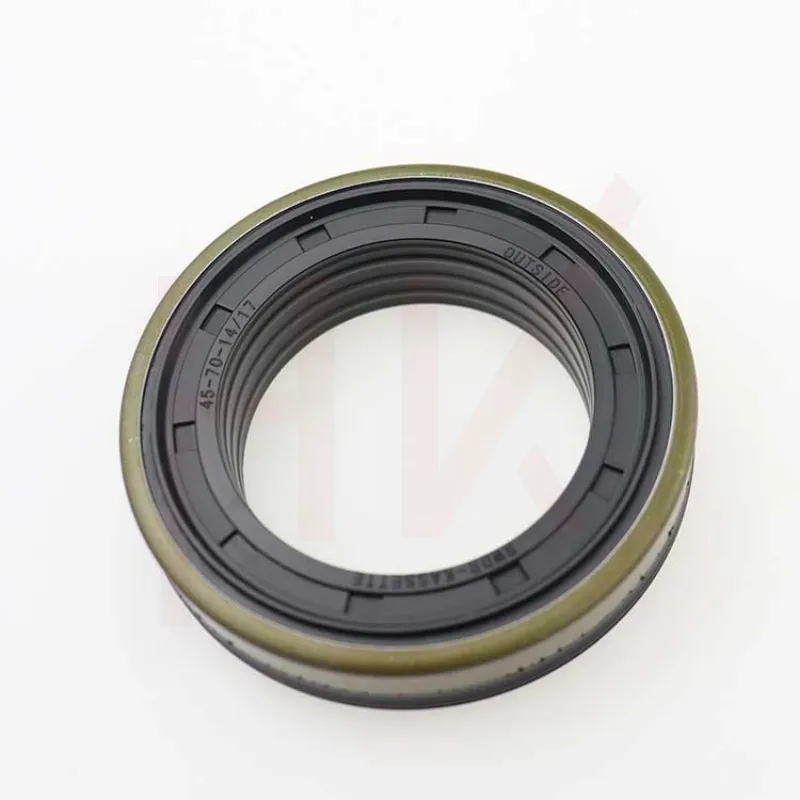
Hub oil seal 40*65*13/14.5 suitable for tractor Cat 12018035b
-
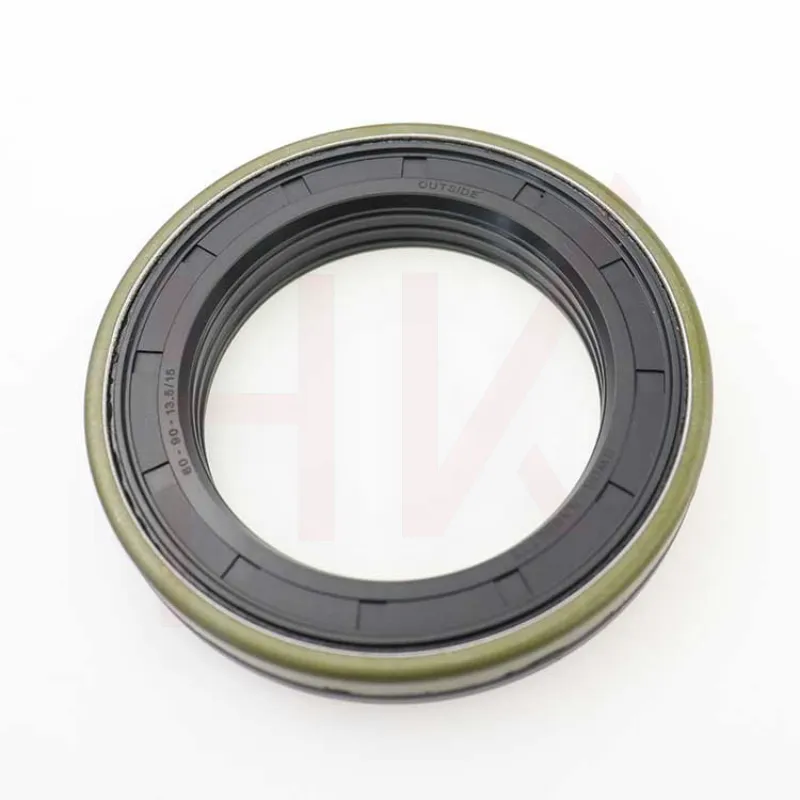
Tractor accessories cassette oil seal hub oil seal 60-90-13.5/15
-
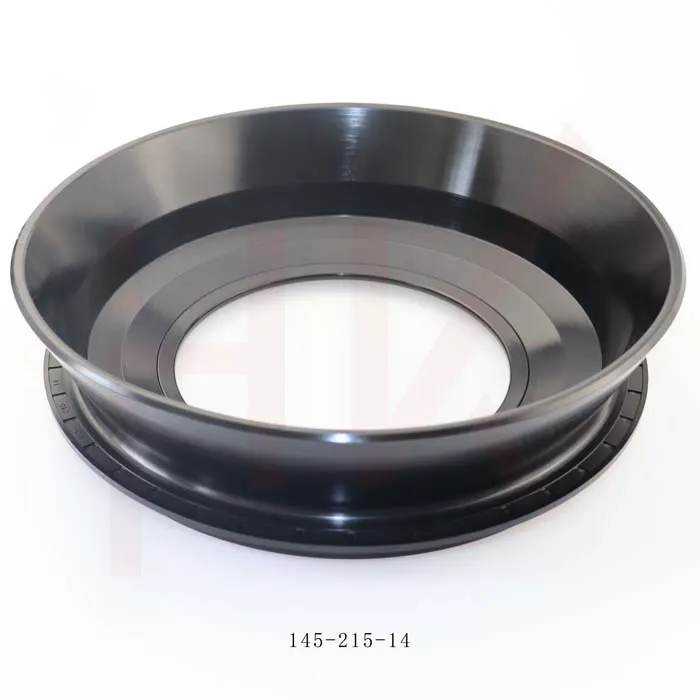
Factory concrete mixer truck oil seal 145*215*14 reducer gearbox oil seal
-
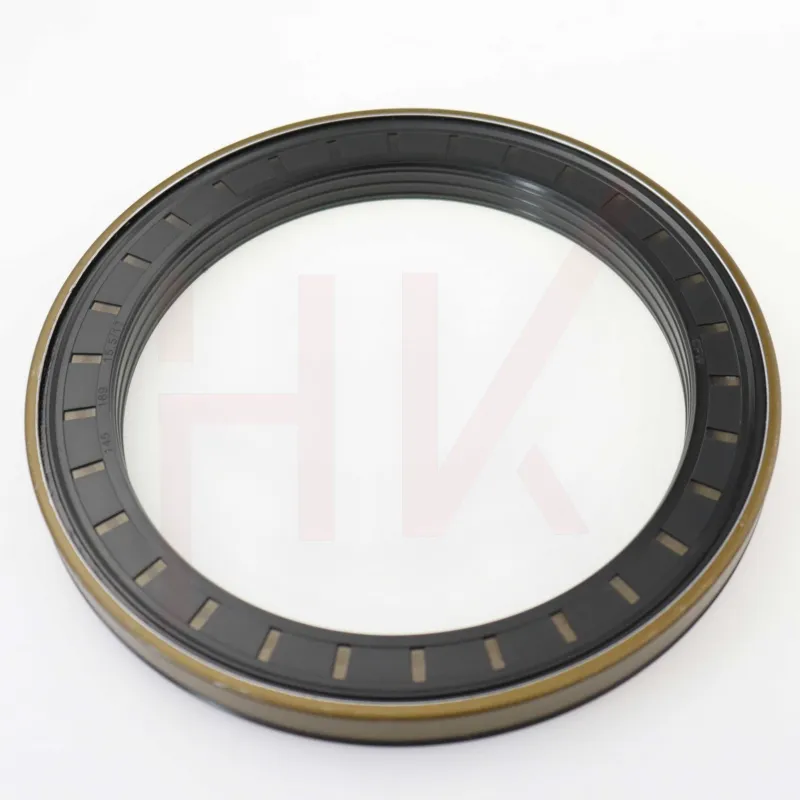
145*189*15.5/17 Cassette Seal NBR Hub Oil Seal 1508044
-
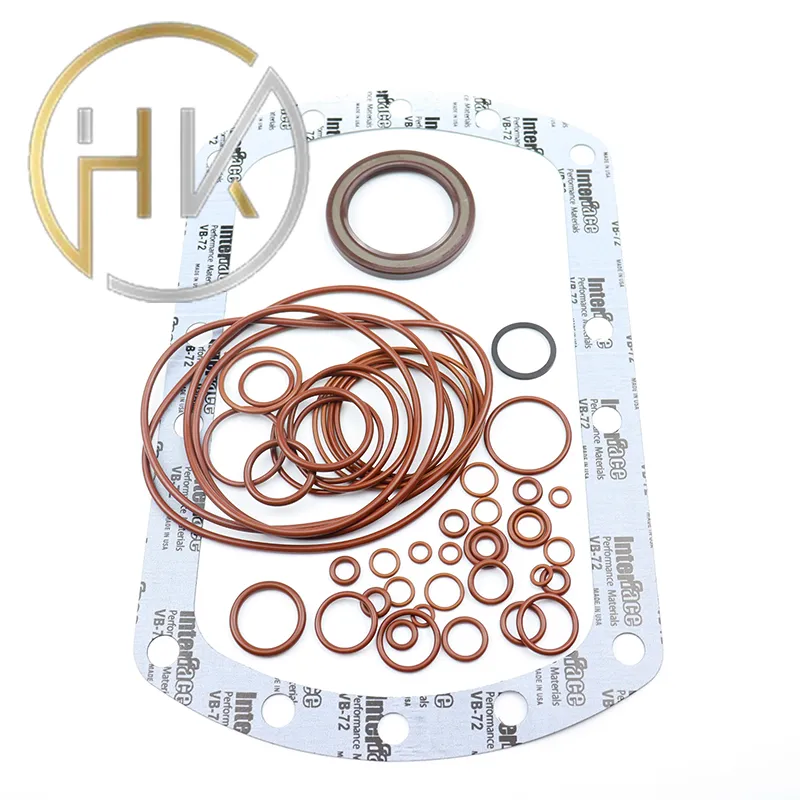
Factory direct sales hydraulic pump motor seal kit A8VO140
-
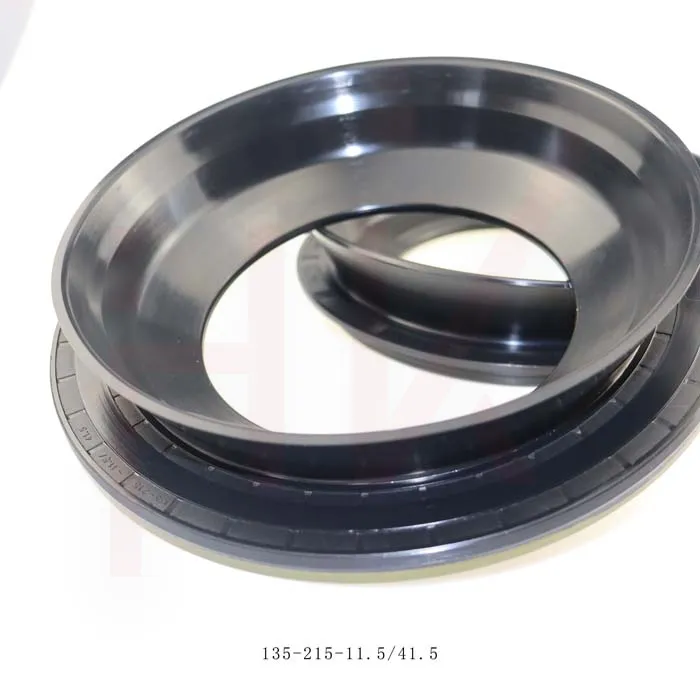
Brand new cement tanker oil seal 135*215*11.5/41.5 concrete mixer oil seal
-
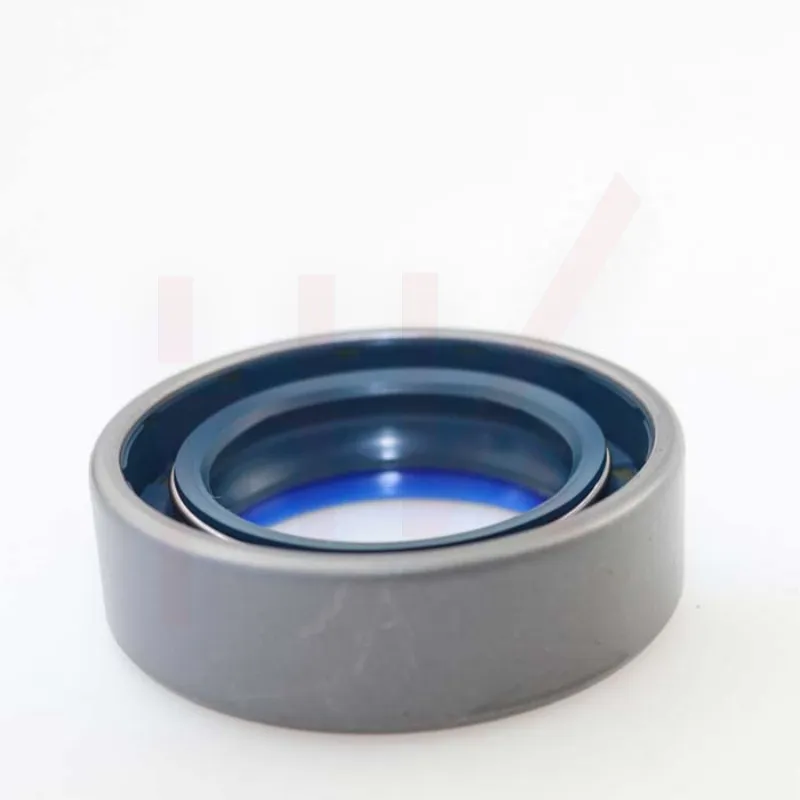
45*65*15 Combi oil seal JCB 90450009 COMBI SF1 SEAL
-
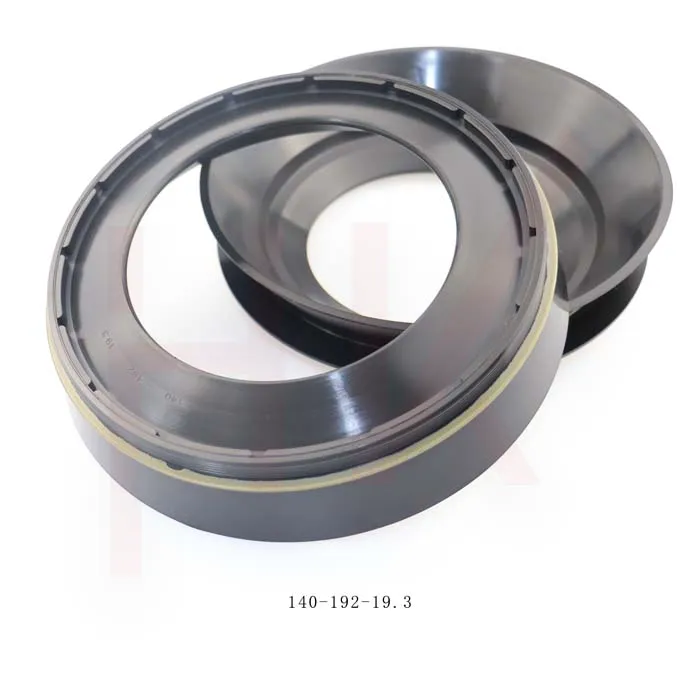
Gear box concrete mixer oil seal 140*192*19.3 nbr reducer oil seal
-
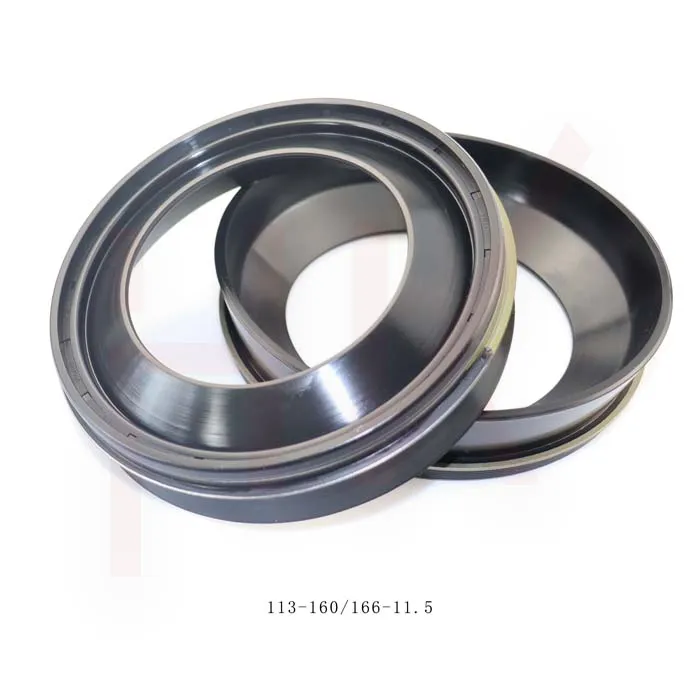
Seals factory direct sales 113*160/166*11.5/38 excavator truck reducer oil seal