
Nov . 28, 2025 23:45 Back to list
Hydraulic Gear Pump Seals: Durable Solutions for Reliable Industrial Hydraulics
Understanding Hydraulic Gear Pump Seals: Why They Matter Worldwide
If you’ve ever wondered what keeps hydraulic gear pumps humming reliably day after day — well, it's largely thanks to something small but mighty: hydraulic gear pump seals. These components might not be the flashiest actors in the hydraulic system drama, yet their role is crucial. They prevent leaks, maintain pressure, and keep everything running smoothly, whether in heavy machinery or industrial plants. Globally, the need for efficient, durable seals isn’t just about uptime; it affects energy consumption, environmental impact, and even safety.
On a macro level, the world’s industries rely heavily on hydraulic systems — from construction in booming urban centers to agricultural machinery powering food production. The UN estimates that sustainable industrial practices could reduce global resource use by at least 50% by 2050. Such ambitions hinge partly on components like pump seals that enhance energy efficiency and reduce waste.
Mini takeaway: Hydraulic gear pump seals, though unassuming, underpin energy-efficient and reliable hydraulic operations worldwide, supporting both industry growth and sustainability goals.
Hydraulic Gear Pump Seals in the Global Context
Hydraulic systems steer the engines of modern industry. According to ISO, over 60% of manufacturing machinery incorporates hydraulics in some form, and the performance of these systems depends heavily on the integrity of their seals. Globally, the demand for robust sealing solutions reflects the move toward more automated, continuous-operation equipment.
But there’s a challenge: as industries push for higher pressure, speed, and longevity, the seals must keep pace — resisting wear, temperature swings, and chemical exposure. Faulty or inefficient seals can trigger costly downtimes, environmental hazards from fluid leaks, and safety incidents.
In places like Asia’s industrial corridors, Europe’s green-energy projects, and North America’s heavy machinery fleets, the need for reliable hydraulic gear pump seals sparks innovation and standards-tightening. It’s a small part, yes, but one that sets off big ripples across global efficiency and safety.
Definition: What Exactly Are Hydraulic Gear Pump Seals?
Put simply, hydraulic gear pump seals are the barriers inside hydraulic pumps that stop fluid—usually oil—from seeping where it shouldn't. They sit between moving parts (like gears and shafts) and stationary elements, maintaining the pump’s internal pressure and flow. Without these seals, the whole system loses efficiency or grinds to a halt.
Think of them like the gaskets on a soda bottle keeping the carbonation in. But in the harsh world of hydraulics, these seals must endure extreme pressures, temperatures, and wear — which is why materials like nitrile rubber, Viton, and PTFE are often used.
In modern industry, these seals are pivotal to everything from manufacturing lines to agricultural equipment, even humanitarian applications like machinery for disaster recovery water pumps.
Key Components and Factors Influencing Hydraulic Gear Pump Seals
1. Durability
Durability is king here—the seals must last through hundreds (sometimes thousands) of operating hours without cracking or degrading. Advanced materials combined with precise manufacturing tolerances help achieve this endurance.
2. Chemical Compatibility
Hydraulic fluids vary: mineral oils, synthetic fluids, water-glycol solutions. Seals must resist swelling, shrinking, or breaking down when exposed to these chemicals over time.
3. Temperature Resistance
In many industrial processes, pump seals see extremes — from freezing cold starts to high heat generated by continuous operation. The right seal materials offer stable performance inside almost any temperature range.
4. Pressure and Speed Tolerance
As hydraulic pumps operate at pressures up to 350 bar and rotor speeds beyond 3000 rpm, seals must maintain integrity without excessive wear or leakage.
5. Ease of Installation and Maintenance
Practicality matters—seals that are easy to fit and replace reduce downtime, a crucial factor on busy industrial sites.
Mini takeaway: Durable, chemically resistant, thermally stable, and easy-to-install seals make modern hydraulic gear pumps efficient and reliable, bridging complex engineering with real-world practicality.
Global Applications and Real-World Use Cases
Hydraulic gear pump seals find homes in the engines of countless industries:
- Construction & Heavy Machinery: In countries with booming infrastructure like China and India, durable seals keep excavators and cranes operating non-stop under punishing conditions.
- Renewable Energy: Wind turbine pitch and lubrication systems rely on seals that withstand the elements while ensuring fluid control.
- Agriculture: Across Europe and North America, precision hydraulic systems for planting and harvesting need seals that won’t falter in muddy fields or freezing weather.
- Disaster Relief Equipment: In post-disaster zones, portable hydraulic pumps with reliable seals help manage water, power generation, or debris removal—supporting humanitarian efforts under strain.
By looking at these examples, it's obvious that reliable sealing technology directly impacts productivity, safety, and even community wellbeing around the world.
Advantages and Long-Term Value of High-Quality Hydraulic Gear Pump Seals
Investing in top-tier hydraulic gear pump seals yields dividends:
- Cost Efficiency: Reduced leaks and failures slash repair and downtime costs.
- Sustainability & Environmental Impact: Less fluid loss means less pollution and fewer hazardous waste disposal challenges.
- Safety & Trust: Avoiding sudden hydraulic failures preserves operator safety and fosters confidence.
- Innovation & Longevity: Advanced materials and design extend equipment life cycles, reducing capital expenses.
At a human level, seals that work like clockwork sustain not just machinery but the livelihoods and safety of people who depend on that machinery daily.
Future Trends: Innovations on the Horizon
It’s not just about rubber and metal anymore. The future of hydraulic gear pump seals is shaping around:
- Smart Materials: Self-healing elastomers and advanced composites could reduce wear and extend life.
- Eco-Friendly Fluids & Compatible Seals: New biodegradable hydraulic fluids require seals with novel chemical resistance profiles.
- Digital Monitoring: Embedded sensors to track seal wear and predict maintenance before failure.
- 3D Printing & Customization: Rapid manufacturing and design tweaks tailored to specific industrial needs.
As automation and green goals accelerate (think: ISO 14001 compliance), the humble seal takes on a freshly tech-savvy role.
Challenges & Solutions in Hydraulic Gear Pump Seal Technology
Despite advances, some hurdles remain:
- Material Fatigue: Repeated stress can degrade seals unexpected ways.
- Compatibility Testing: New hydraulic fluids sometimes surprise engineering teams.
- Operational Costs: Premium seals can mean higher upfront prices, tough for small operators.
How to tackle these? Routine predictive maintenance, close supplier partnerships, and investing in testing protocols are current best practices. Many engineers I’ve talked to swear by integrating small-condition-monitoring setups alongside mechanical improvements.
Product Specification Table: Typical Hydraulic Gear Pump Seal
| Specification | Value |
|---|---|
| Material | Nitrile Rubber (NBR), Viton, PTFE |
| Max Operating Pressure | Up to 350 bar (5,000 psi) |
| Temperature Range | -40°C to 150°C (-40°F to 302°F) |
| Standard Sizes | Various, custom options available |
| Chemical Resistance | Mineral oils, synthetic fluids, water-glycol |
| Typical Lifespan | 3-5 years (depending on conditions) |
Vendor Comparison Table: Leading Hydraulic Gear Pump Seal Suppliers
| Supplier | Product Range | Material Technology | Custom Solutions | Lead Time | Price Level |
|---|---|---|---|---|---|
| HKAI Seal | Standard & custom hydraulic seals | NBR, Viton, PTFE blends | Yes | 2-4 weeks | Mid-range |
| SealTech Corp. | Wide industrial & automotive seals | Advanced PTFE composites | Limited | 3-5 weeks | Premium |
| Global Seal Partners | Custom & OEM seals | NBR and specialty elastomers | Extensive | 1-3 weeks | Competitive |
FAQs: Practical Questions About Hydraulic Gear Pump Seals
Q1: What are the main reasons hydraulic gear pump seals fail?
A: Typically, failure occurs due to wear from friction, chemical degradation from incompatible fluids, or damage caused by excessive temperature and pressure. Choosing the right seal material and maintaining proper operating conditions greatly reduce risks.
Q2: How often should hydraulic pump seals be replaced?
A: The lifespan varies but usually ranges from 3 to 5 years under normal conditions. Preventative maintenance, routine inspections, and monitoring fluid contamination can extend this significantly.
Q3: Can hydraulic gear pump seals be customized for unusual applications?
A: Absolutely. Many manufacturers offer custom seal sizes, materials, and designs tailored to specialized fluids or extreme operating environments to ensure optimal performance.
Q4: Are there eco-friendly hydraulic gear pump seals available?
A: Yes, advances in biodegradable materials and tighter sealing solutions reduce fluid leaks and environmental footprint, supporting green industry initiatives.
Q5: How critical is installation technique for seals?
A: Very. Improper installation can lead to early failure or leakage despite high-quality materials. Using proper tools, cleanliness, and following manufacturer guidelines is essential.
Conclusion: Keeping Industrial Motion Moving
In the grand scheme, hydraulic gear pump seals quietly drive the pursuit of reliable, efficient machinery everywhere. Investing in quality seals isn’t just about saving money on repairs—it’s about safeguarding operations, supporting sustainability, and enabling innovation worldwide. If you want to explore how top-notch seals can improve your hydraulic systems, I recommend visiting HKAI Seal’s website for a deeper dive into products and solutions that really work.
Takeaway? In hydraulics, it's often the smallest part that makes the biggest difference.
References
-
Premium Hydraulic Cylinder Packing Kits for Peak Performance
NewsApr.09,2026
-
Comprehensive Guide to Hydraulic Cylinder Oil Seal Kits for Optimal Performance
NewsApr.07,2026
-
Comprehensive Guide to Choosing the Right Cylinder Seal Kits for Peak Performance
NewsApr.04,2026
-
Comprehensive Guide to Seal Kits for Cylinders Ensuring Optimal Performance
NewsMar.31,2026
-
Comprehensive Guide to Hyd Cylinder Seals for Optimal Hydraulic System Performance
NewsMar.28,2026
-
Comprehensive Guide to Hyd Cylinder Seal Kit Selection and Installation
NewsMar.26,2026
-
Comprehensive Guide to Hydraulic Cylinder Seal Kits for Optimal Performance
NewsMar.24,2026
Products categories
-
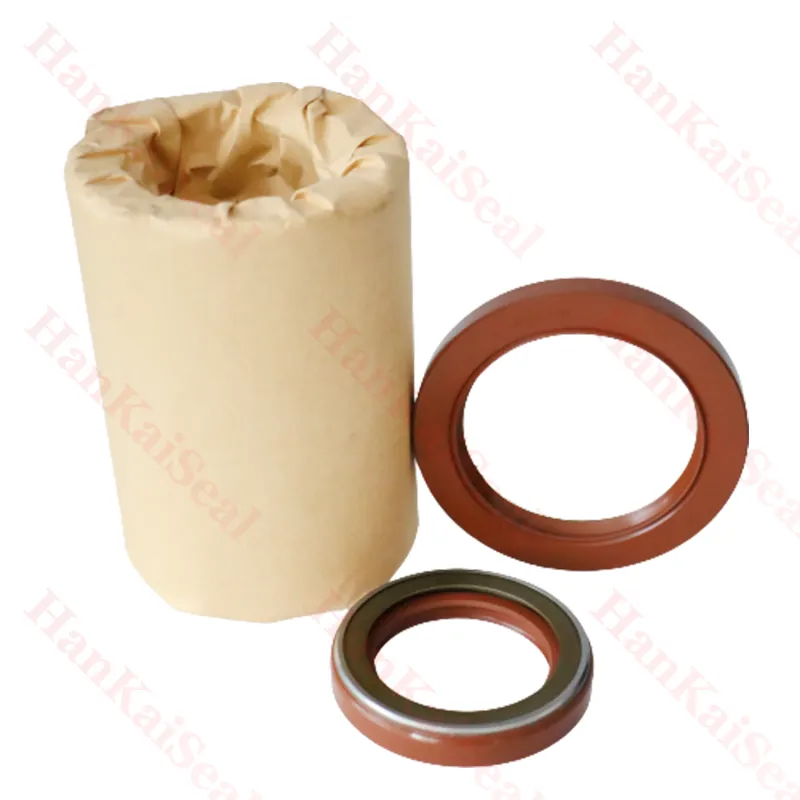
Standard oil seal BP0494 High pressure TCN oil seal
-
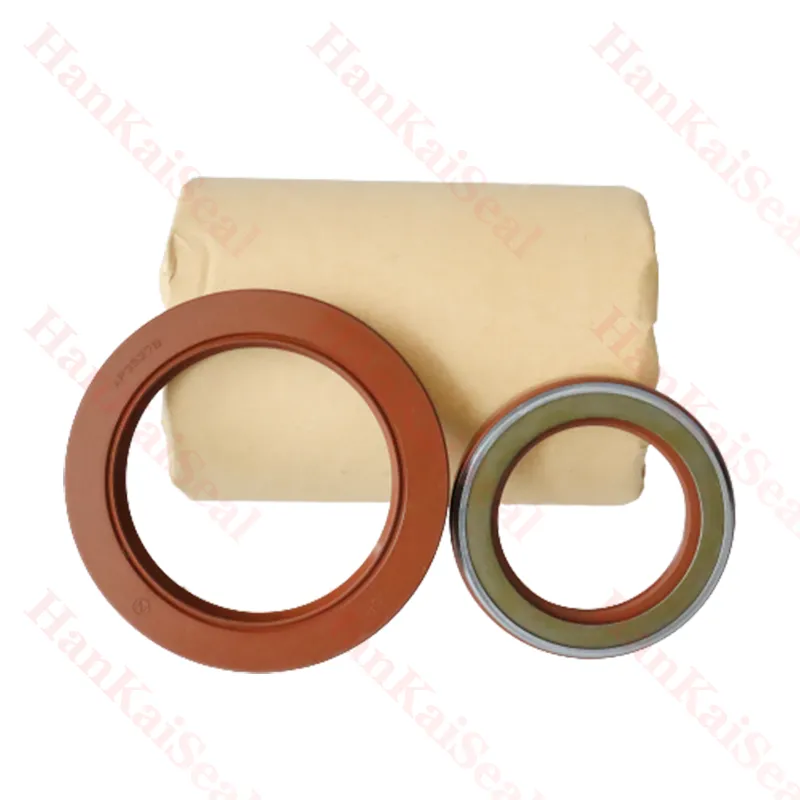
Hydraulic pump seal AP4624G high pressure TCN oil seal
-
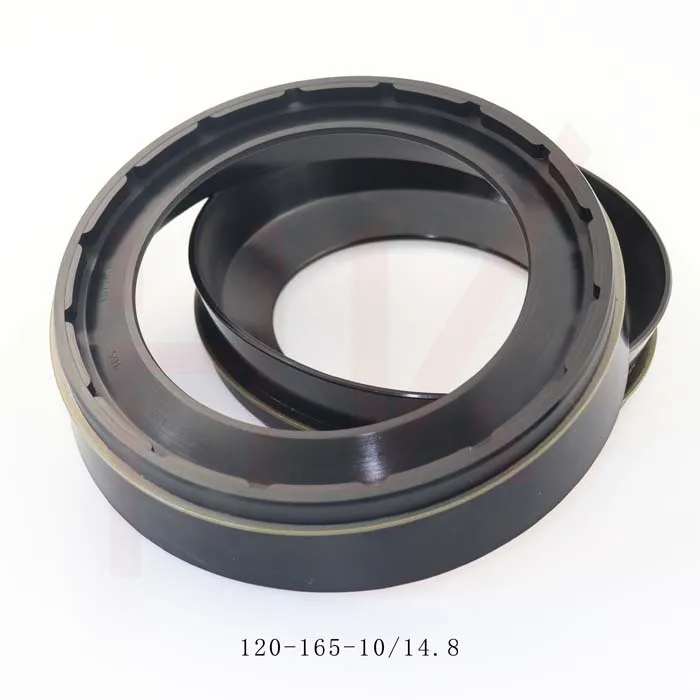
0734307418 0750112169 120*165*10/14.8 concrete mixer reducer oil seal
-
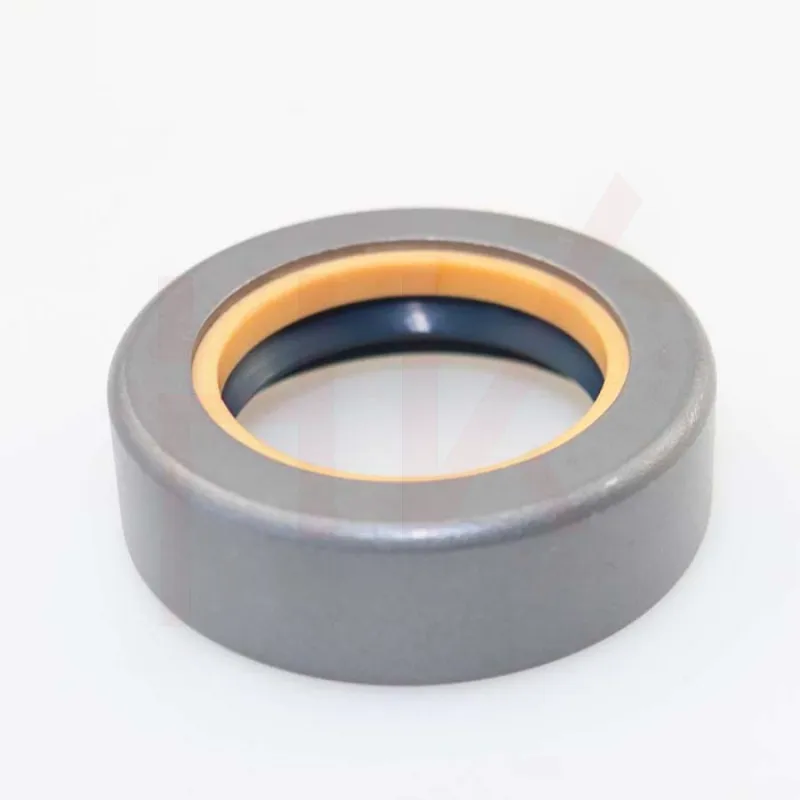
35*52*16 Standard Wheel Hub Oil Seal For Agricultural Machinery
-
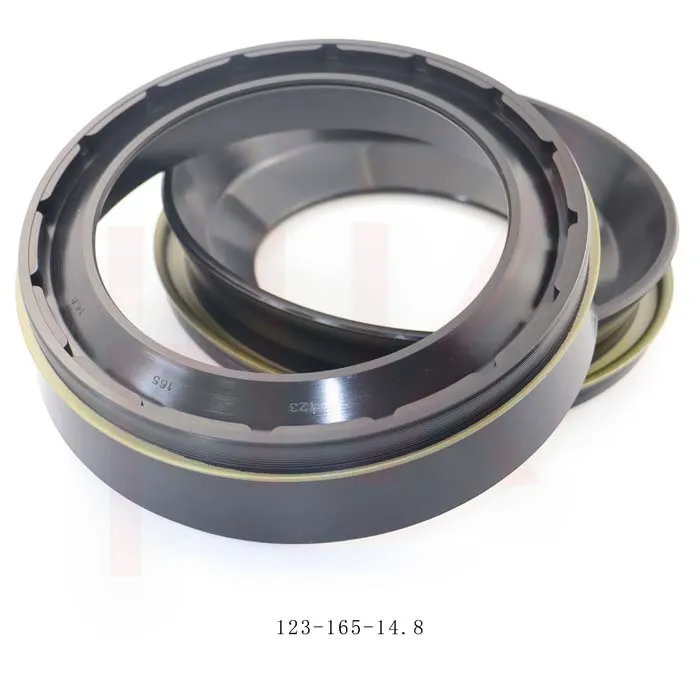
123*165*14.8 concrete mixer truck reducer oil seal
-
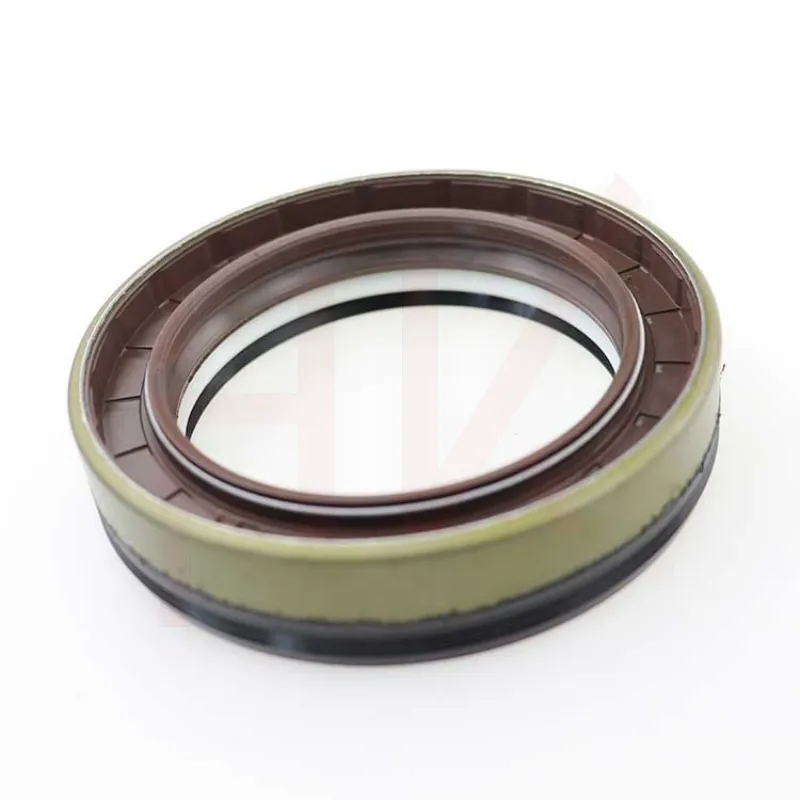
Tractor shaft oil seal 65-90-20 COMBI SF19 hub oil seal
-
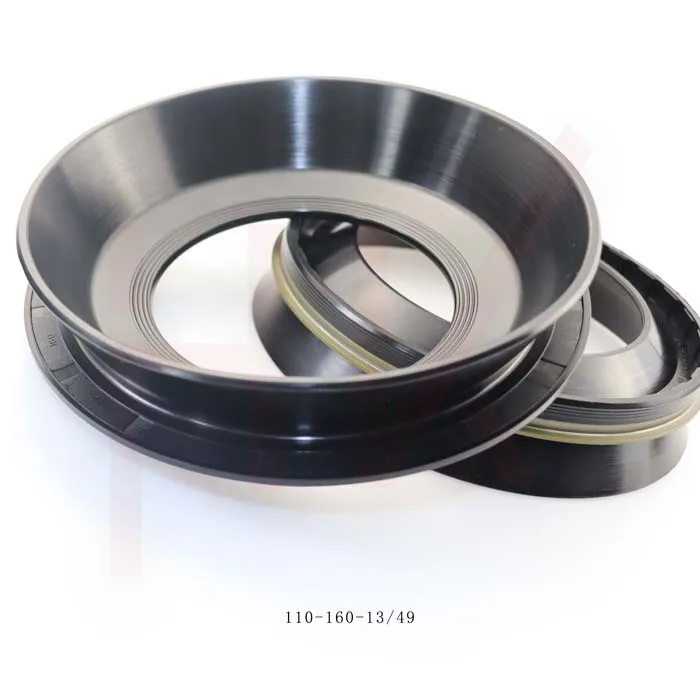
110*160*13/49 NBR reducerConcrete mixer truck oil seal
-
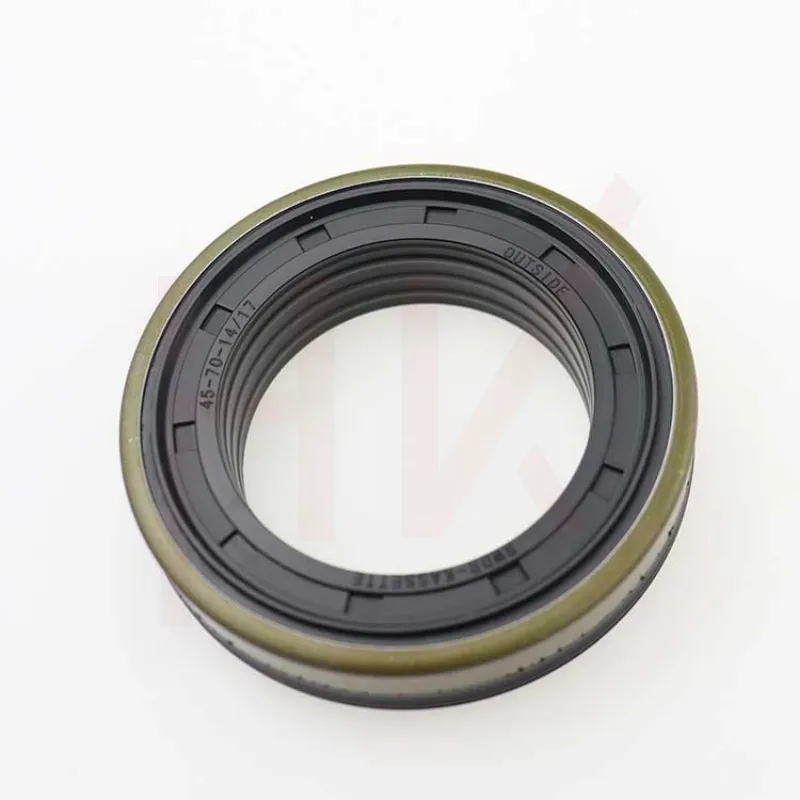
Hub oil seal 40*65*13/14.5 suitable for tractor Cat 12018035b
-
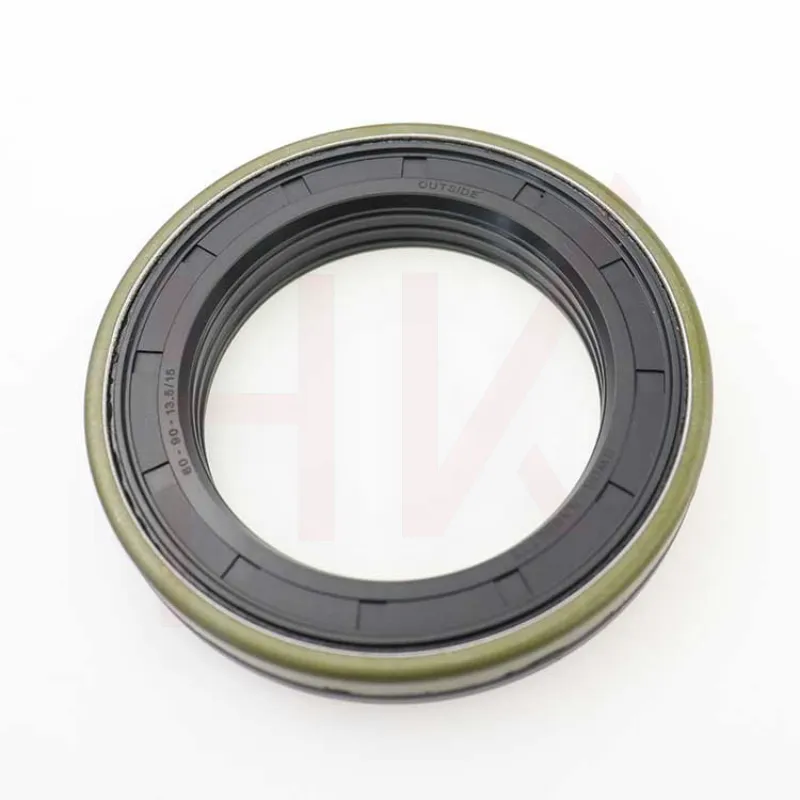
Tractor accessories cassette oil seal hub oil seal 60-90-13.5/15
-
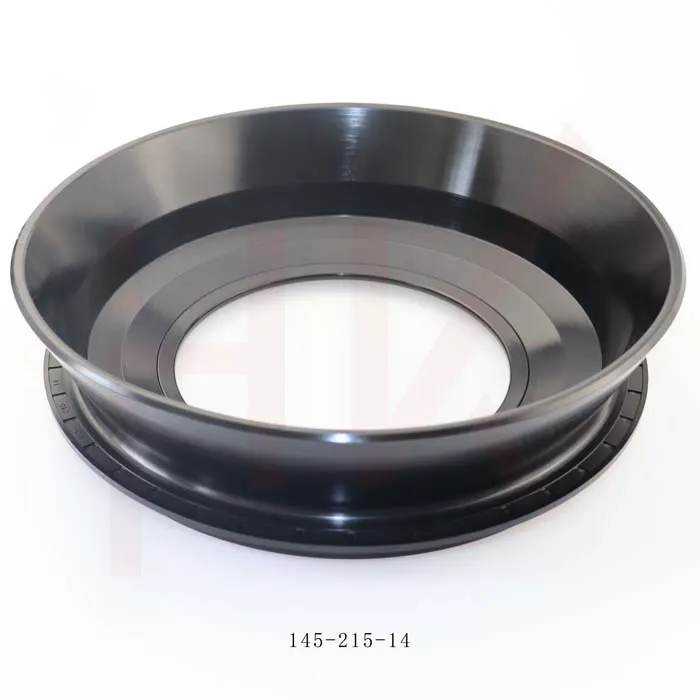
Factory concrete mixer truck oil seal 145*215*14 reducer gearbox oil seal
-
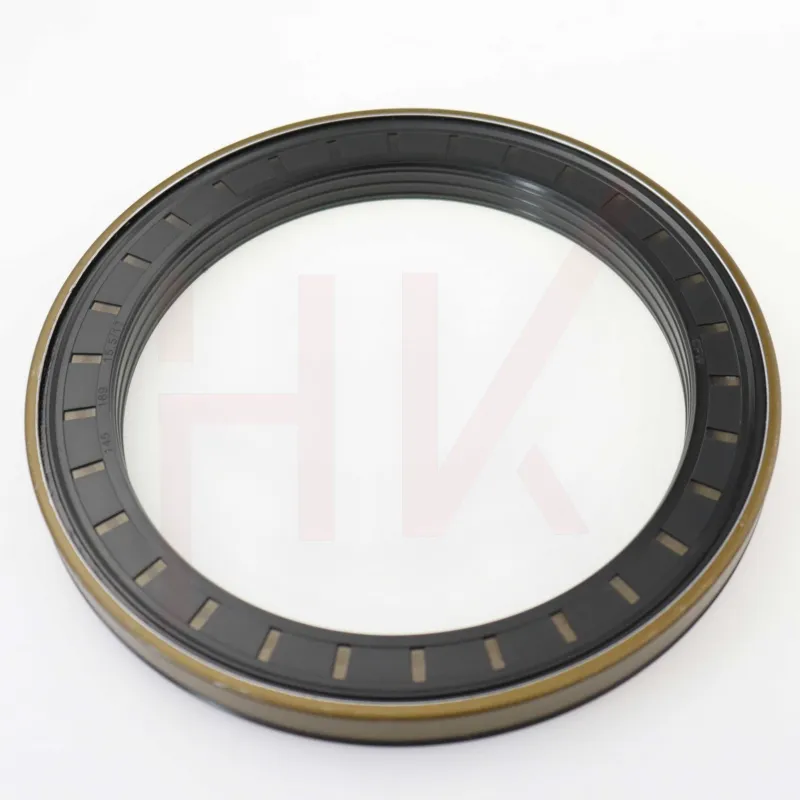
145*189*15.5/17 Cassette Seal NBR Hub Oil Seal 1508044
-
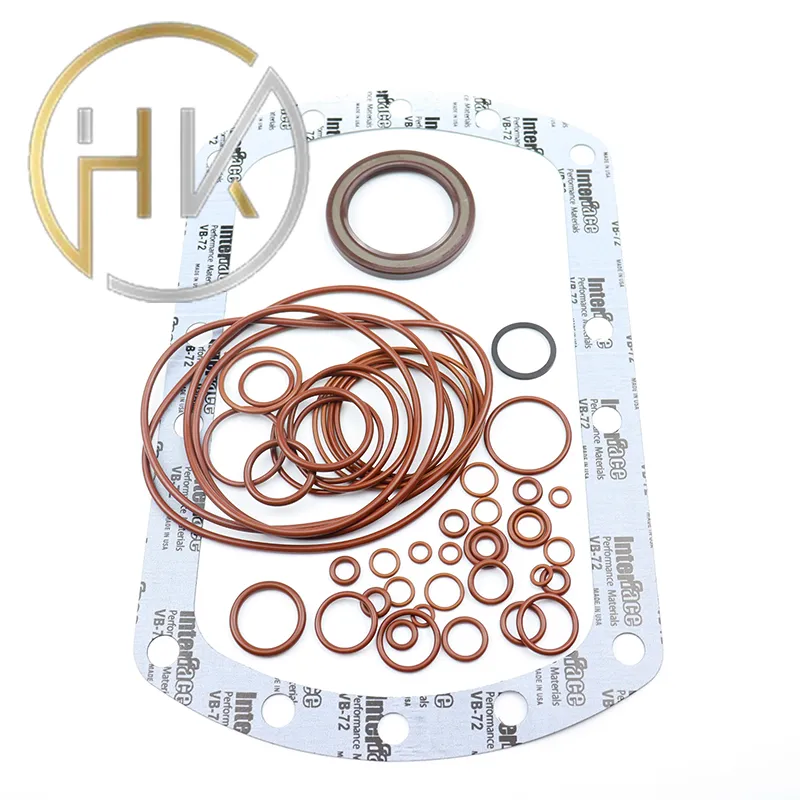
Factory direct sales hydraulic pump motor seal kit A8VO140
-
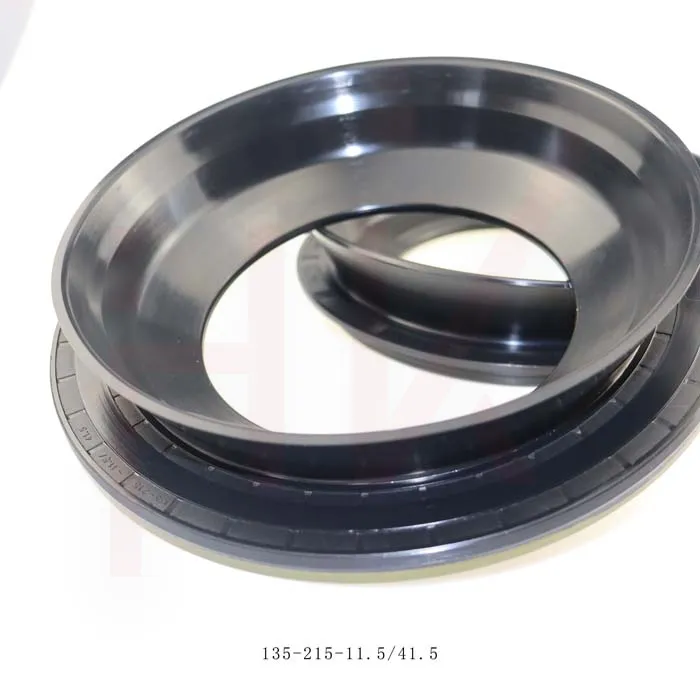
Brand new cement tanker oil seal 135*215*11.5/41.5 concrete mixer oil seal
-
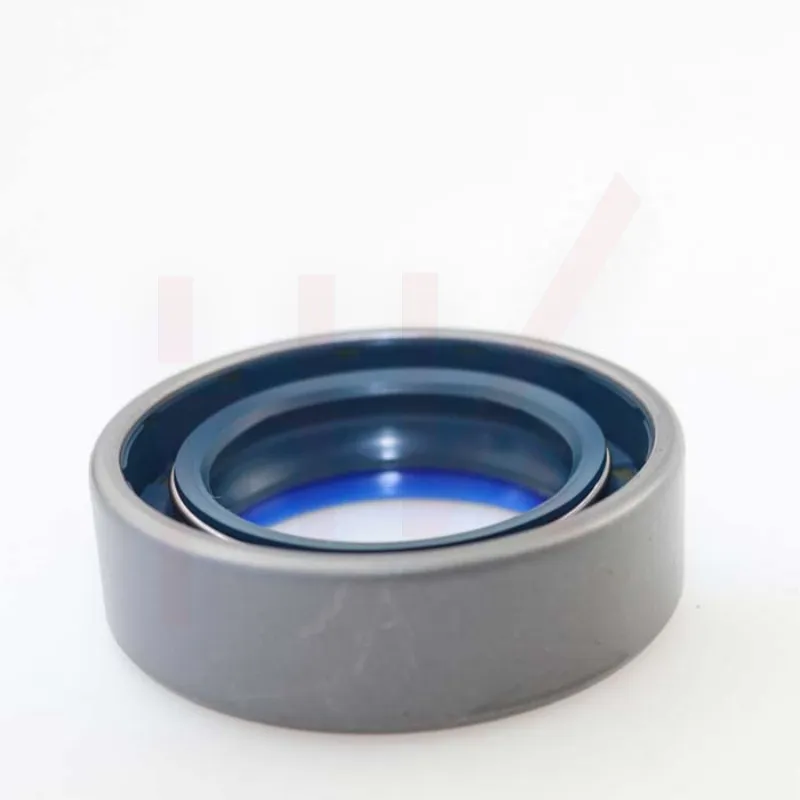
45*65*15 Combi oil seal JCB 90450009 COMBI SF1 SEAL
-
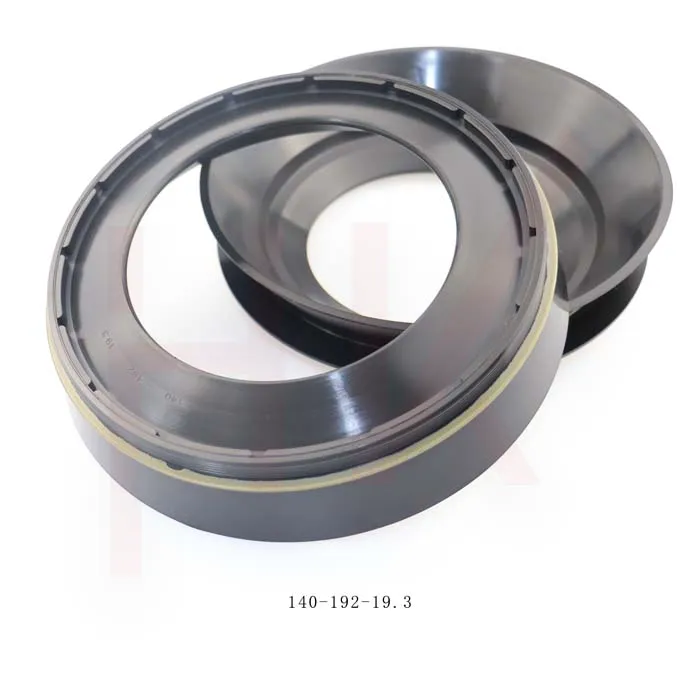
Gear box concrete mixer oil seal 140*192*19.3 nbr reducer oil seal
-
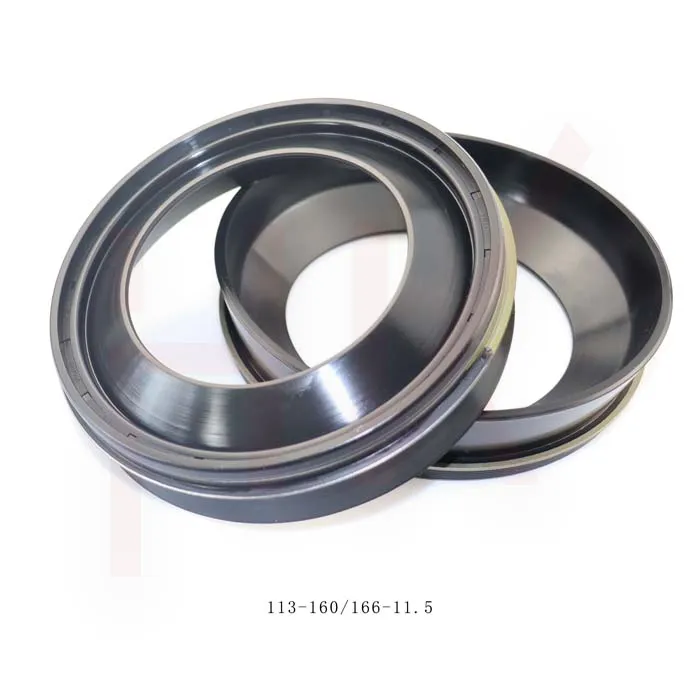
Seals factory direct sales 113*160/166*11.5/38 excavator truck reducer oil seal