
Nov . 28, 2025 16:05 Back to list
Essential Guide to Wiper Ring Seal: Definition, Uses & Benefits | HKAI Seal
The Growing Importance of the Wiper Ring Seal: More Than Meets the Eye
If you’re involved in hydraulic or pneumatic systems, you’ve likely come across the term wiper ring seal. But why should anyone beyond a specialist care? Well, these small yet mighty components quietly ensure system longevity, efficiency, and safety worldwide — quiet heroes of engineering. In a world increasingly dependent on precision machinery, understanding the wiper ring seal isn't just helpful; it’s crucial for maintaining performance in industries from automotive to aerospace.
Globally, industrial demand for reliable sealing components is expected to rise substantially, driven by ISO-certified manufacturing and the ongoing push for low emission, high-performance systems. The wiper ring seal’s role in preventing contaminants from damaging sensitive equipment means lower downtime and less waste — an outcome everyone benefits from, whether companies, consumers, or environmentalists.
Mini takeaway: The humble wiper ring seal plays a pivotal role in safeguarding machinery, enhancing durability, and promoting global industrial reliability.
Understanding the Wiper Ring Seal: What Is It and Why It Matters?
Simply put, a wiper ring seal is a type of seal designed to “wipe” away dirt, dust, and other external contaminants from the shaft or rod it surrounds. Think of it like a windshield wiper for industrial components — it stops grime and debris before they get inside and wreak havoc. Often made of durable polyurethane or similar materials, wiper ring seals are critical in hydraulic cylinders, pneumatic systems, and machinery exposed to harsh environments.
Today’s industrial and humanitarian operations rely heavily on equipment integrity. In situations such as disaster relief or remote infrastructure projects, where repair resources are scarce, the presence of reliable seals ensures that machinery keeps running longer and stronger. This connection between a relatively simple seal and high stakes scenarios speaks volumes.
Mini takeaway: The wiper ring seal is an underrated but essential guardian against contamination, extending lifespan and reliability of crucial industrial systems.
Core Components and Key Factors Behind Effective Wiper Ring Seals
1. Material Durability
Pu (polyurethane) and PTFE (polytetrafluoroethylene) variants dominate because they resist abrasion, chemicals, and extreme temperatures. Since wiper rings directly face harsh external environments, their material choice drives their performance.
2. Dimension and Precision Fit
Even a tiny misfit can allow contaminants past the seal. Precision-engineered dimensions tailored to specific cylinders or rods are vital. This attention to sizing translates into better reliability and less leakage risk.
3. Surface Finish Compatibility
The efficiency of a wiper seal depends on the cooperating surface finish of shafts or rods. A rough surface may wear the seal prematurely, while too smooth might reduce its wiping ability.
4. Environmental Adaptability
Wiper ring seals used outdoors or in dusty, moist, or hot environments require special considerations. UV-resistant compounds or enhanced designs can help the seal withstand such conditions.
5. Installation and Maintenance Ease
While seemingly minor, ease of installation without damaging the seal itself saves both time and cost in the field.
Mini takeaway: Performance of wiper ring seals hinges on materials, precision fit, compatible surfaces, adaptation to environment, and installation method.
Global Applications & Real-World Use Cases of Wiper Ring Seals
Where do these seals really shine? Honestly, almost everywhere. In remote mining operations across South America, wiper ring seals preserve the integrity of heavy hydraulic equipment that battles abrasive dust and mud daily. Similarly, in Europe’s automotive sector — a powerhouse of ISO-certified quality — manufacturers depend on them for cutting-edge braking and suspension systems.
Intriguingly, humanitarian aid workers deploying mobile water purification systems in disaster zones often rely on equipment protected by these seals to prevent downtime caused by dirt ingress. Even in agricultural machinery in Southeast Asia, where soil and water combine to degrade equipment rapidly, wiper ring seals help equipment run longer between maintenance cycles.
Mini takeaway: Across continents and sectors — from mining pits to relief camps — wiper ring seals underpin operational reliability.
Advantages and Long-Term Value of Using Quality Wiper Ring Seals
- Cost savings: Preventing contamination drastically reduces repair costs and machinery downtime.
- Sustainability: Longer machine life means fewer replacements and less waste — a small but meaningful environmental win.
- Safety and trust: In critical systems (think braking or heavy lifting), reliable seals contribute to operator and user safety.
- Innovation encouragement: New materials and designs constantly push seal performance higher, encouraging technological progress.
Frankly, the emotional satisfaction that engineers and operators get from dependable equipment is often underrated. It’s not just a functional component; it’s a shield of trust between man and machine.
Product Specification Table for Typical Wiper Ring Seal
| Specification | Typical Range / Value |
|---|---|
| Material | Polyurethane (PU), PTFE |
| Temperature Range | -40°C to +120°C |
| Shaft Diameter Precision | ±0.01 mm |
| Surface Finish (Ra) | 0.2–0.8 µm |
| Typical Life Cycle | 30,000+ cycles |
| Chemical Resistance | Hydraulic fluids, oils, water |
Comparing Top Vendors in the Wiper Ring Seal Market
| Vendor | Material Expertise | Global Reach | Custom Solutions | Pricing |
|---|---|---|---|---|
| HKAI Seal | Polyurethane, PTFE, bespoke blends | Worldwide distribution, especially Asia & Europe | High customization, small & large runs | Competitive, transparent |
| SealTech Inc. | Standard polyurethane only | North America focus | Limited customization | Mid-range |
| Global Seals Ltd. | Varied materials including PTFE | Worldwide presence | Some customization | Higher-end pricing |
Looking Ahead: Future Trends and Innovations Around Wiper Ring Seals
Technology isn’t standing still, and neither are wiper ring seals. Innovations include bio-based and recycled polymers aiming to reduce environmental footprint. Sensor integration inside seals for real-time wear detection feels like a sci-fi plot but is progressively becoming feasible with the rise of IoT in industrial settings.
Also, tightening global standards (ISO 3601 and others) push manufacturers towards more consistent quality. That means better international reliability for the end-users — and fewer “surprise” failures. Meanwhile, in automation, robotic assembly line sealing is becoming the norm, improving consistency and reducing human error.
Mini takeaway: Advances in green materials, IoT sensing, and standardized quality promise a smarter, more sustainable future for wiper ring seals.
Challenges and Smart Solutions in Wiper Ring Seal Usage
Installation damage, material degradation under unexpected chemicals, and variability in surface finishes remain challenges. But many seasoned engineers suggest using enhanced blends of polyurethane containing additives to resist chemical attack or UV damage. Training technicians on installation best practices minimizes seal damage, and better communication between designers and manufacturers reduces component misfit.
It feels like the field is on a constant learning curve, adapting to diverse conditions while pushing for lower environmental impact.
FAQ: Frequently Asked Questions About Wiper Ring Seal
Q1: How does a wiper ring seal differ from other seals?
A1: The key difference lies in its function — wiper ring seals specifically remove dust and contaminants before they enter the system, while other seals primarily prevent fluid leakage. Together, they protect internal components effectively.
Q2: Can wiper ring seals withstand extreme temperatures?
A2: Yes, many wiper seals are made from materials like polyurethane and PTFE that function well between -40°C and +120°C, suitable for most industrial environments.
Q3: How often should wiper ring seals be replaced?
A3: Replacement frequency depends on operating conditions, but many seals can last 30,000 cycles or more. Regular inspections and maintenance protocols help maximize lifespan.
Q4: Are customized wiper ring seals expensive?
A4: Customization can add to the cost but often leads to better fit and longer life, which offsets expense with reduced downtime and repair costs.
Q5: Where can I find reliable suppliers for wiper ring seals?
A5: Trusted manufacturers like HKAI Seal offer global distribution and flexible options, making them a solid choice for many industries.
Wrapping Up: Why the Wiper Ring Seal Deserves More Attention
All things considered, the wiper ring seal is one of those unseen but essential parts keeping the wheels of industry turning smoothly. Its impact on machinery durability, safety, and cost-efficiency is profound, yet often underappreciated. With evolving innovations, increasing global standards, and widening applications, understanding and investing in high-quality seals is just sound engineering and business strategy.
If you want to explore reliable wiper ring seals that combine cutting-edge materials, customization, and global support, you might consider starting with HKAI Seal. They blend tradition and innovation quite nicely.
In the end, it's the small things — like a well-designed seal — that protect big, expensive machines. And honestly, who wouldn’t want that peace of mind?
References
-
Premium Hydraulic Cylinder Packing Kits for Peak Performance
NewsApr.09,2026
-
Comprehensive Guide to Hydraulic Cylinder Oil Seal Kits for Optimal Performance
NewsApr.07,2026
-
Comprehensive Guide to Choosing the Right Cylinder Seal Kits for Peak Performance
NewsApr.04,2026
-
Comprehensive Guide to Seal Kits for Cylinders Ensuring Optimal Performance
NewsMar.31,2026
-
Comprehensive Guide to Hyd Cylinder Seals for Optimal Hydraulic System Performance
NewsMar.28,2026
-
Comprehensive Guide to Hyd Cylinder Seal Kit Selection and Installation
NewsMar.26,2026
-
Comprehensive Guide to Hydraulic Cylinder Seal Kits for Optimal Performance
NewsMar.24,2026
Products categories
-
Standard oil seal BP0494 High pressure TCN oil seal
-
Hydraulic pump seal AP4624G high pressure TCN oil seal
-
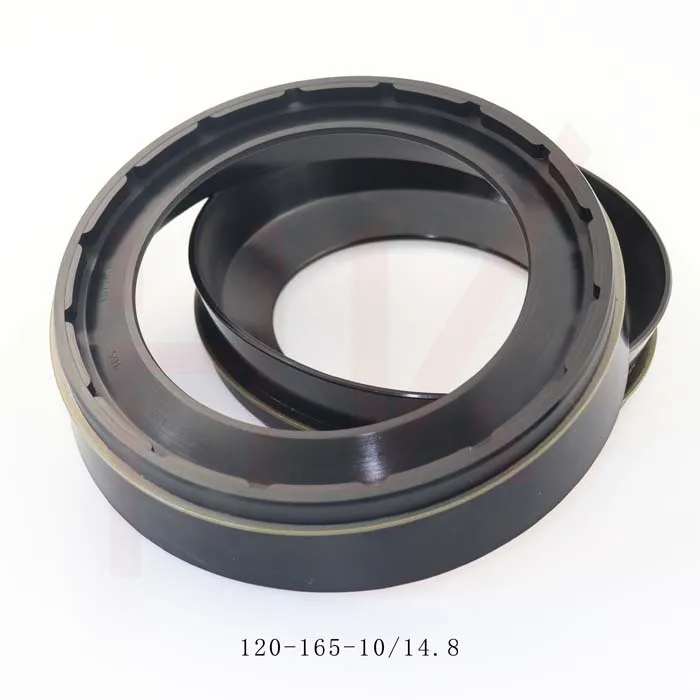
0734307418 0750112169 120*165*10/14.8 concrete mixer reducer oil seal
-
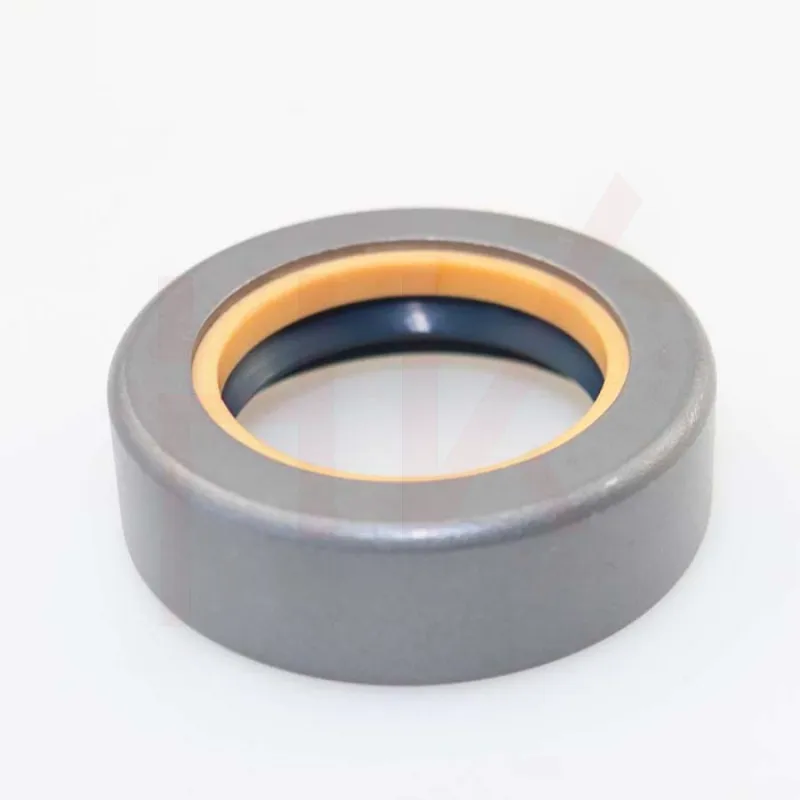
35*52*16 Standard Wheel Hub Oil Seal For Agricultural Machinery
-
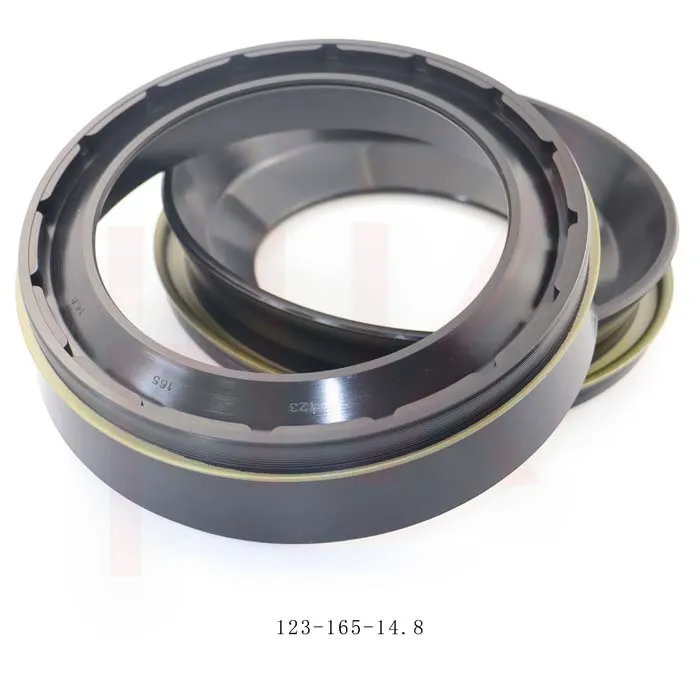
123*165*14.8 concrete mixer truck reducer oil seal
-
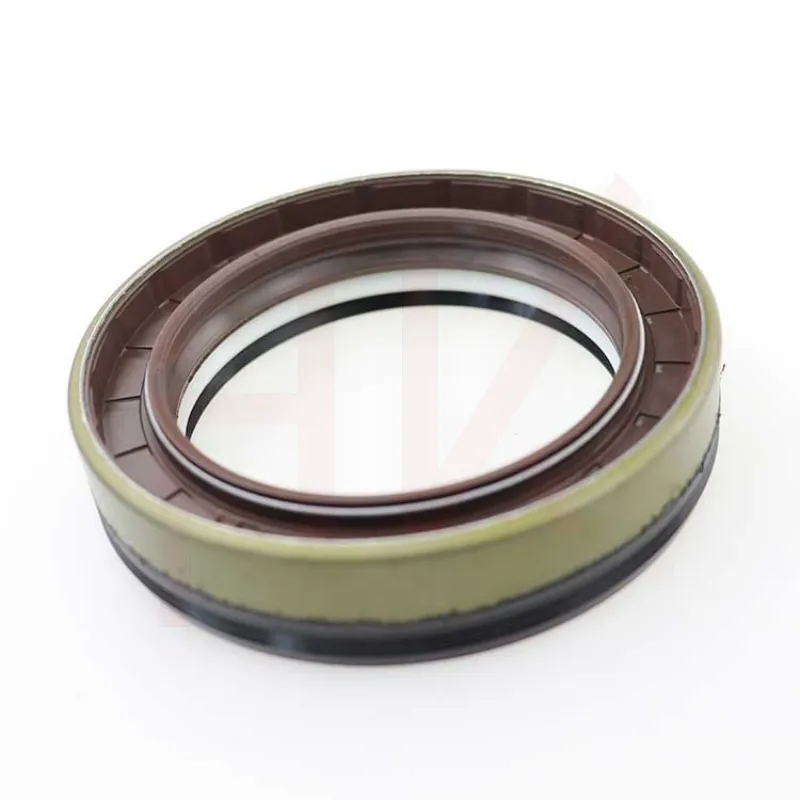
Tractor shaft oil seal 65-90-20 COMBI SF19 hub oil seal
-
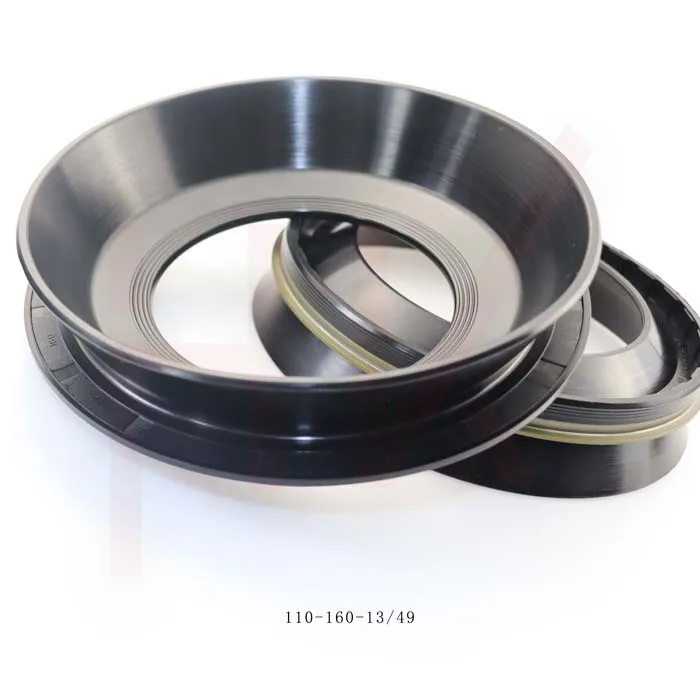
110*160*13/49 NBR reducerConcrete mixer truck oil seal
-
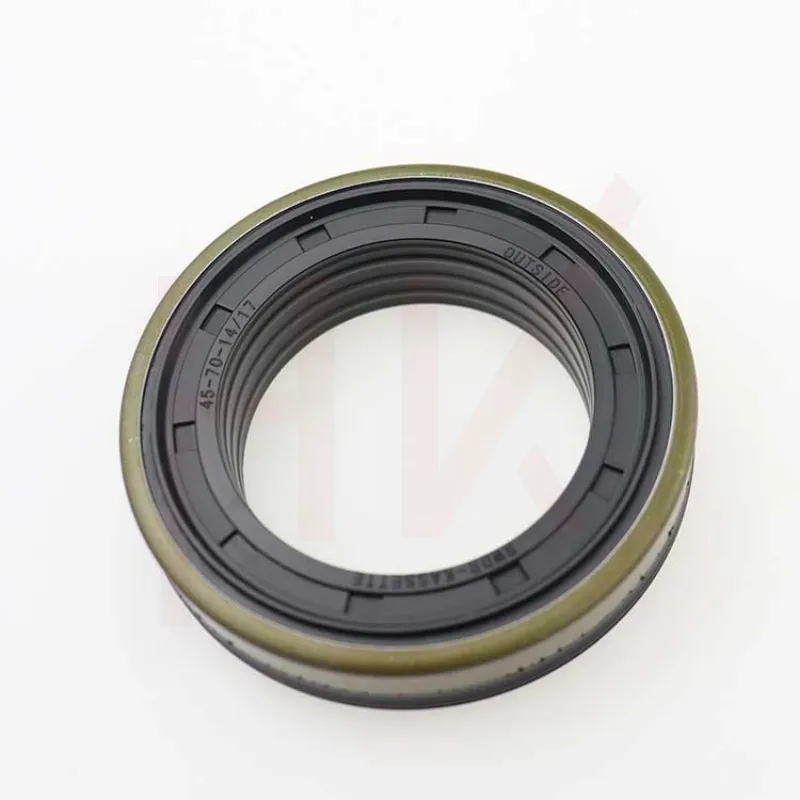
Hub oil seal 40*65*13/14.5 suitable for tractor Cat 12018035b
-
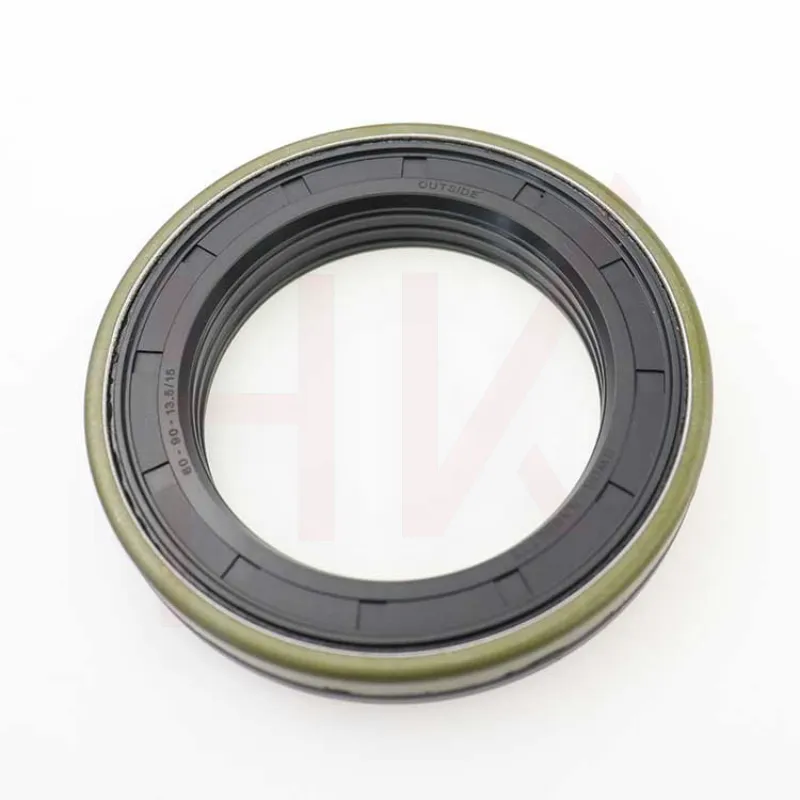
Tractor accessories cassette oil seal hub oil seal 60-90-13.5/15
-
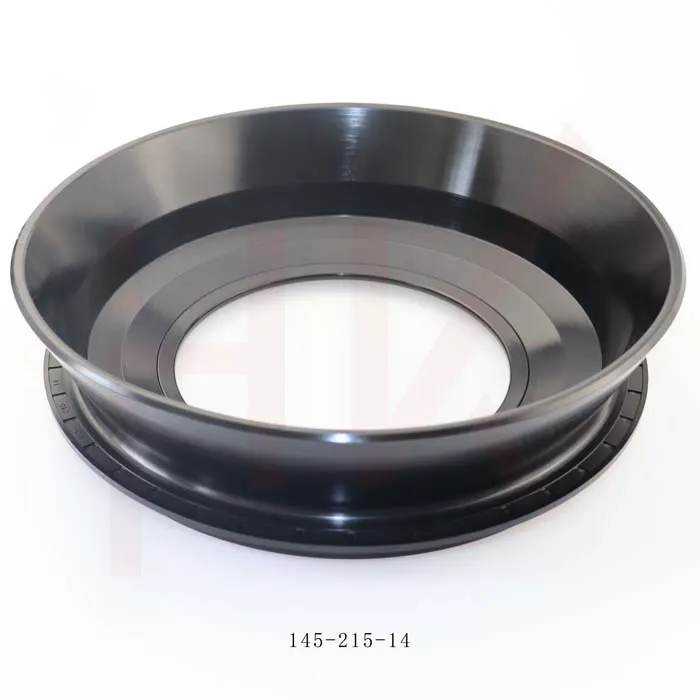
Factory concrete mixer truck oil seal 145*215*14 reducer gearbox oil seal
-
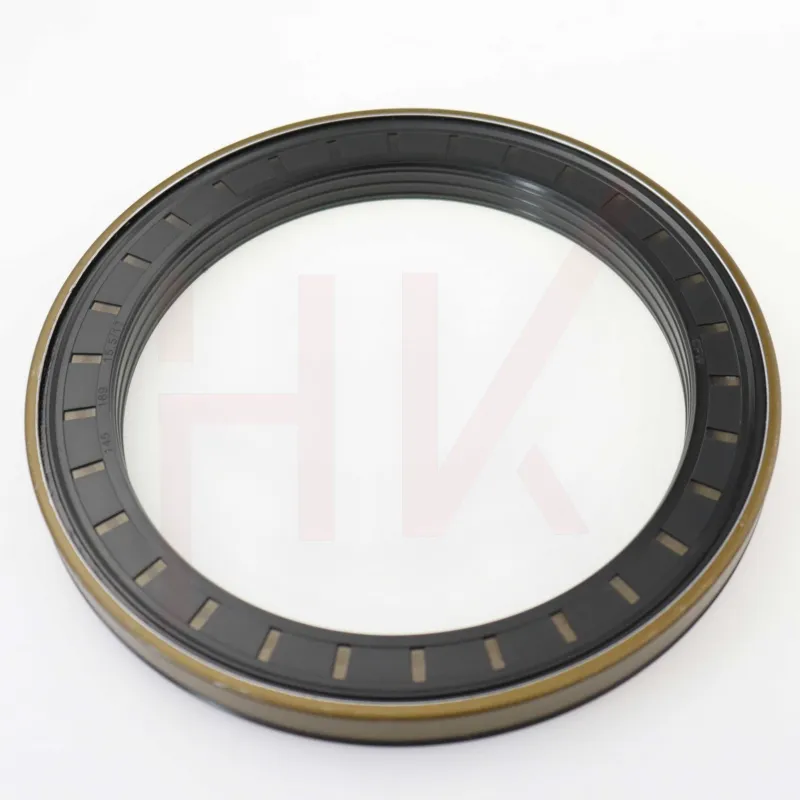
145*189*15.5/17 Cassette Seal NBR Hub Oil Seal 1508044
-
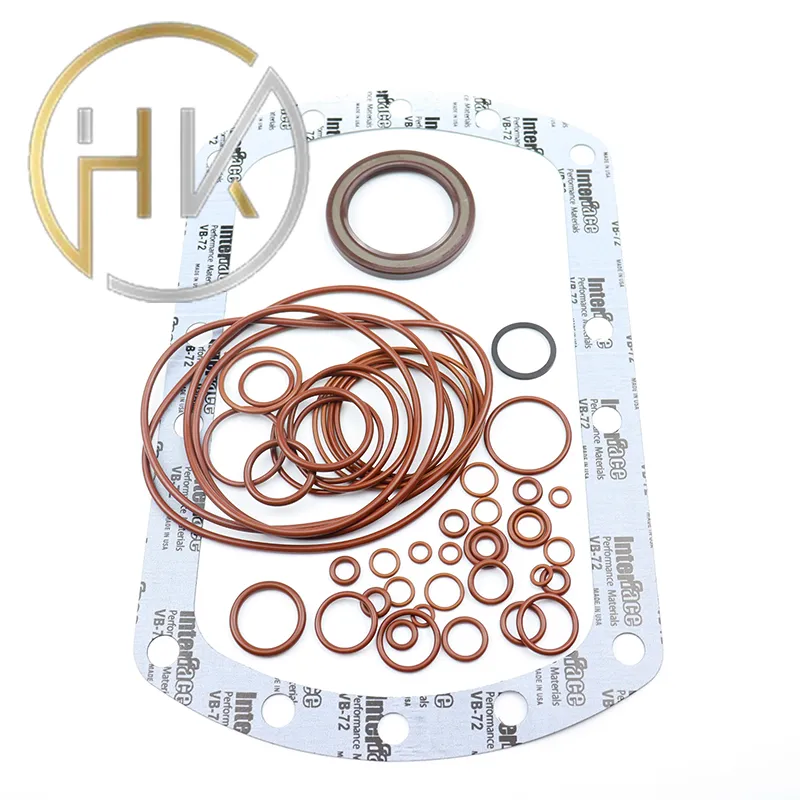
Factory direct sales hydraulic pump motor seal kit A8VO140
-
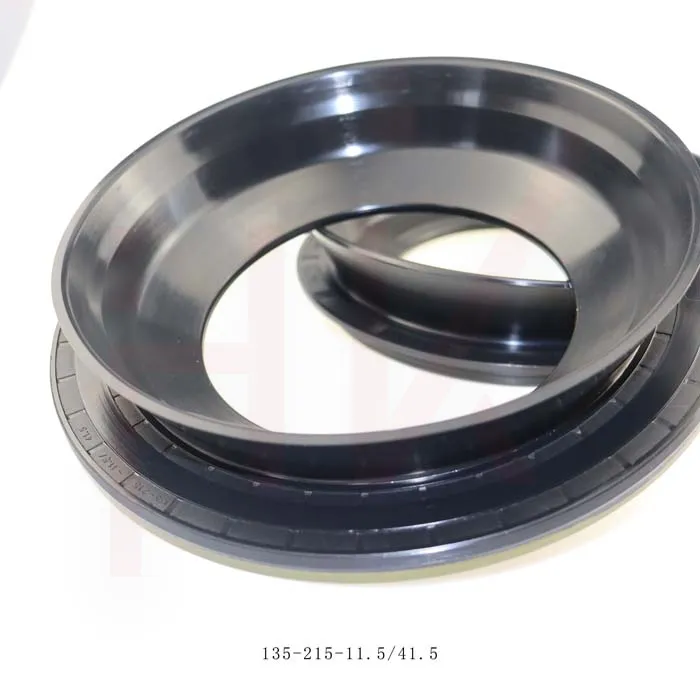
Brand new cement tanker oil seal 135*215*11.5/41.5 concrete mixer oil seal
-
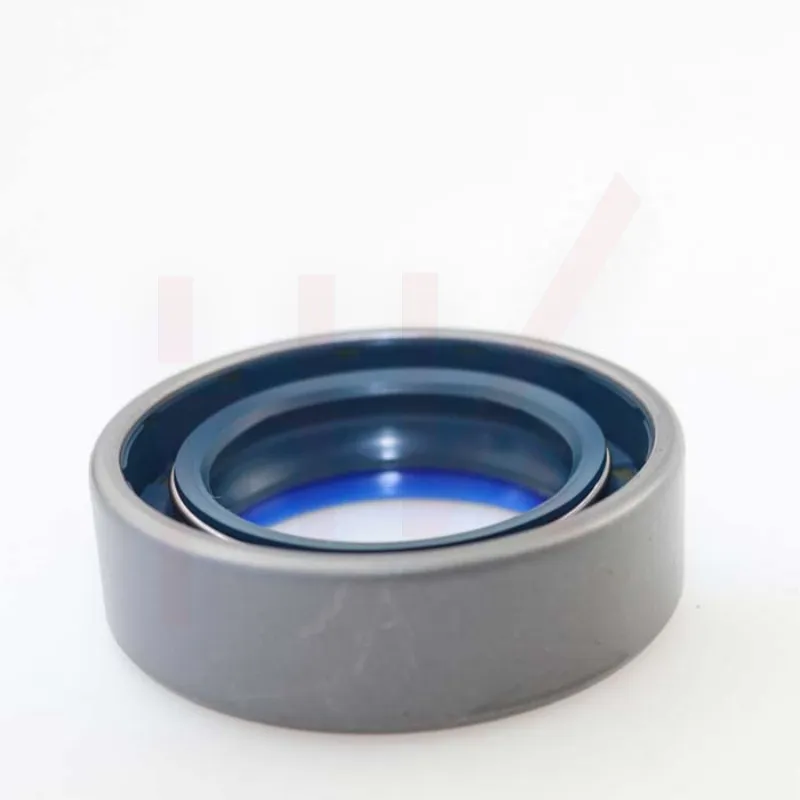
45*65*15 Combi oil seal JCB 90450009 COMBI SF1 SEAL
-
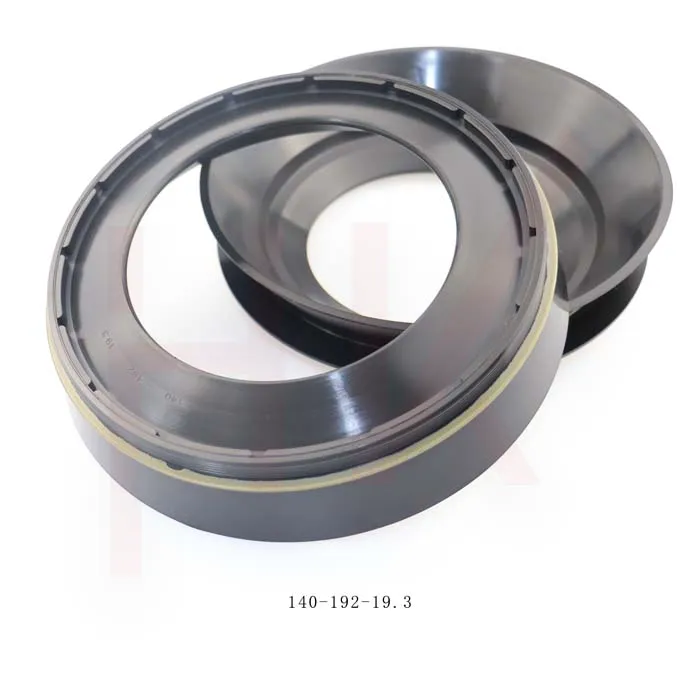
Gear box concrete mixer oil seal 140*192*19.3 nbr reducer oil seal
-
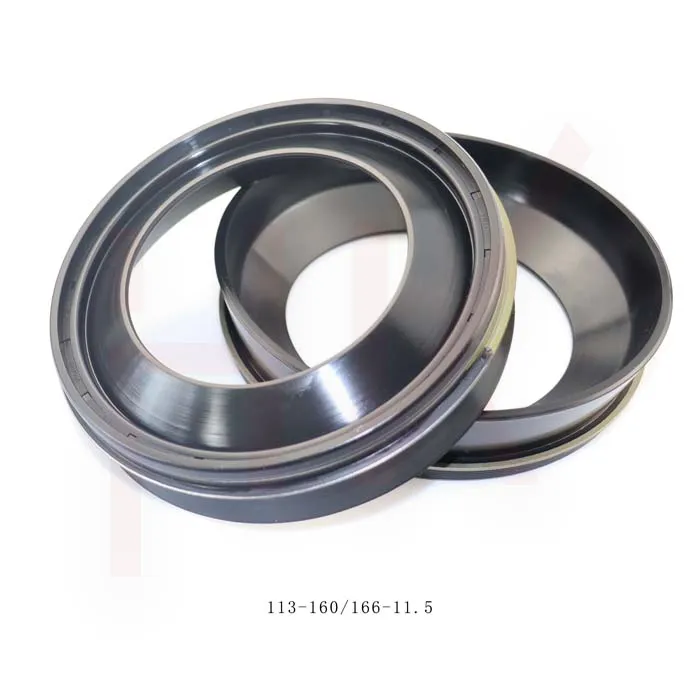
Seals factory direct sales 113*160/166*11.5/38 excavator truck reducer oil seal